|

Bon Accord Lagoon

Bon Accord Lagoon is a shallow lagoon located on the southwestern coast of Tobago, which is an island in the southern Caribbean Sea and part of the nation of Trinidad and Tobago.

The lagoon is separated from the ocean by a narrow strip of land, and is connected to the sea by a narrow channel. The area surrounding the lagoon is known for its mangrove forests and wetlands, which provide important habitat for a variety of bird species, including herons, egrets, and kingfishers.

The lagoon is also home to a variety of fish, crabs, and other marine life. The area is popular for nature walks, birdwatching, and kayaking tours. Visitors can explore the lagoon and its surrounding mangrove forests on guided tours or by renting kayaks.

The lagoon is located near the village of Bon Accord, which is accessible by car or taxi from the nearby Crown Point area.

The Bon Accord Lagoon is surrounded by the mangrove wetlands and the Buccoo Reef making it an important habitat for many species of animals and marine life.

The lagoon is easier to access by water with boats, kayaks, paddle-board etc.

What’s near:

  • Buccoo Reef
  • No Man’s Land
  • Mangrove Wetlands
  • Pigeon Point
  • Buccoo Bay

More Guides

  • Lizards of Tobago

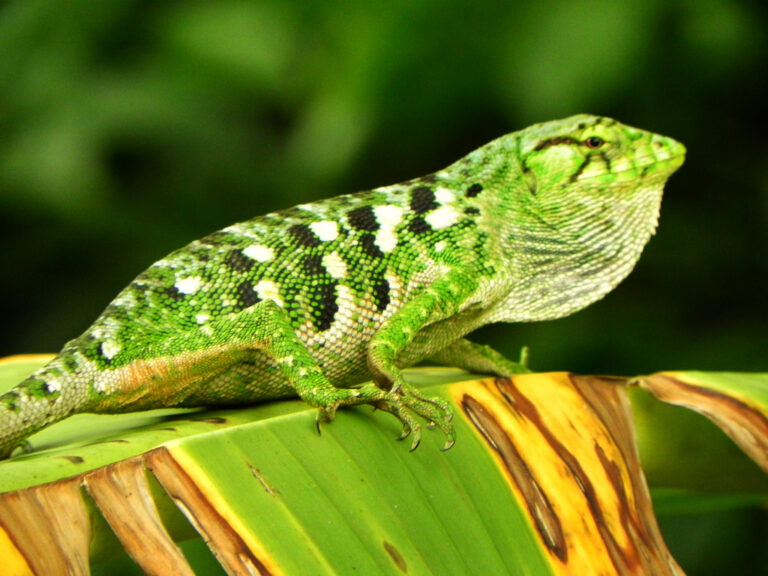
    Tobago is home to several species of lizards, which play an important role in the island’s ecosystem. Some of the most commonly found lizards in Tobago include:

    1. Tobago Gecko: This species of gecko is endemic to Tobago and is only found on the island. They are usually found in the forested areas and can grow up to 5 inches long.
    2. Common House Gecko: This species is not native to Tobago but has been introduced to the island. They are typically found in and around human habitation and are often seen around lights at night.
    3. Green Iguana: This large species of iguana can grow up to 6 feet long and is found throughout Tobago. They are often seen in trees and can be identified by their distinctive green color.
    4. Anole Lizards: Tobago is home to several species of anole lizards, including the crested anole and the knight anole. These lizards are known for their ability to change color and are often found in the forested areas of the island.

    Overall, Tobago’s lizards play an important role in the island’s ecosystem and are an interesting and unique aspect of its wildlife. However, it is important to respect and protect these creatures and their habitats to ensure their continued survival.

  • | |

    Nesting Sea Turtles

    Turtle Season

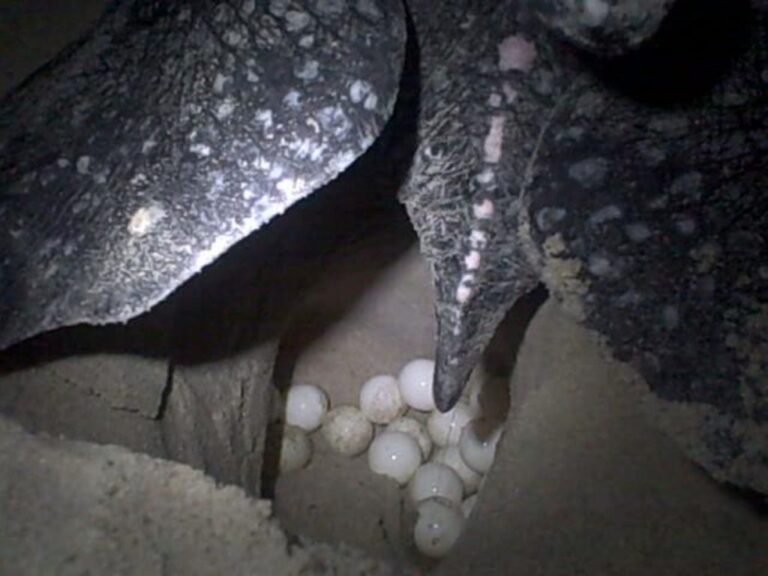
    Between March and August each year, giant leather-backs, Hawks-bill, and Green sea turtles visit the shores of Tobago to lay their eggs. The process can take up to 2 hours from start to finish, going longer sometimes if the turtles are disturbed.

    Some turtles will make multiply visits to the shores during the season untill the right spot is found. Once the nesting process is complete – aproximately 60 days later, baby turtle hatchlings will emerge from the sand.


    What happens :

    • A sea turtle will find the right spot for a nest by checking the sand with both front and back flippers.
    • Sea Turtles dig holes up to 2.5 feet deep with back flippers only.
    • Once the right depth is met – between 60 -100 eggs are layed.
    • Sea Turtles will then gentle cover eggs with back flippers only.
    • They will then use both flippers to camouflage the area around the nest.
    • Once completed they then slowly return to the sea.


    Popular Bays for sightings:

    • Turtle Beach – Great Courland Bay
    • Grafton Bay – Stone Haven Bay
    • Back Bay – Mt. Irvine
    • Lambeau Beach – Little Rockly Bay

    Protection Guidelines

    • If possible, do not disturb, obstruct or approach a turtle that is coming to shore, laying or covering its nest.
    • Never handle Turtle eggs or try to sit, stand or ride on a Turtle.
    • Avoid using bright lights as it can confuse the Turtles or cause them to abandon their nests.
    • If observing – stay up to 20 feet away from Turtles while they are nesting.
  • Birds of Tobago

    Tobago is home to a rich diversity of bird species, including both resident and migratory species. Some of the most commonly observed bird species on the island include:

    1. The Rufous-tailed Jacamar (Galbula ruficauda): This striking bird is found in Tobago’s forests and woodlands. It has a long, curved bill and a bright, iridescent green body.
    2. The Blue-crowned Motmot (Momotus momota): This distinctive bird is found in Tobago’s forested areas. It has a bright blue crown and a long, racket-shaped tail.
    3. The White-tailed Sabrewing (Campylopterus ensipennis): This hummingbird species is found in Tobago’s forests and gardens. It has a distinctive, curved bill and a metallic green body.
    4. The Red-billed Tropicbird (Phaethon aethereus): This seabird species is found along Tobago’s coasts. It has a striking red bill and long, white tail feathers.
    5. The Yellow-headed Caracara (Milvago chimachima): This bird of prey is found in open areas throughout Tobago. It has a distinctive yellow head and black body.
    6. The Magnificent Frigatebird (Fregata magnificens): This large seabird is found along Tobago’s coasts. It has a distinctive, angular wingspan and a bright red throat pouch.

    Tobago is also home to several species of parrots, including the endangered Trinidad and Tobago endemic species, the Trinidad piping-guan. Other notable species include the white-necked jacobin, collared trogon, and the yellow-bellied elaenia. Tobago’s Main Ridge Forest Reserve is an excellent place to observe a variety of bird species in their natural habitat.

    These are just a few of the many bird species that can be found on Tobago. The island’s diverse range of habitats, from forests and woodlands to coastal areas and open fields, provide a home to a wide variety of bird species.

  • |

    Cocrico

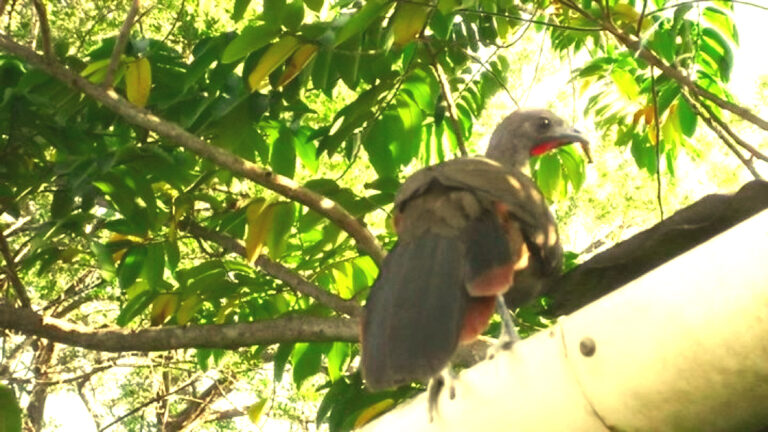
    The Cocrico bird, is a bird species native to Tobago. It is a large, ground-dwelling bird that is known for its distinctive call, which sounds like “cock-a-rico”.

    The Cocrico bird is found throughout Tobago and especially in Tobago’s Main Ridge Forest Reserve, a protected area of lush rainforest that covers over 14,000 acres. The bird is an important symbol of Tobago’s natural heritage and is featured on the country’s coat of arms.

    The Cocrico bird is a beautiful bird with a distinctive appearance. It has a brown body with a white-tipped tail, a bright red crest on its neck. The bird is primarily a fruit eater and is an important seed disperser in the forest ecosystem.

    Due to habitat loss and hunting, the Cocrico bird is considered a vulnerable species, and efforts are underway to protect and conserve the bird and its habitat. Visitors to Tobago can take guided tours of the Main Ridge Forest Reserve to see the Cocrico bird and other endemic bird species in their natural habitat.

  • |

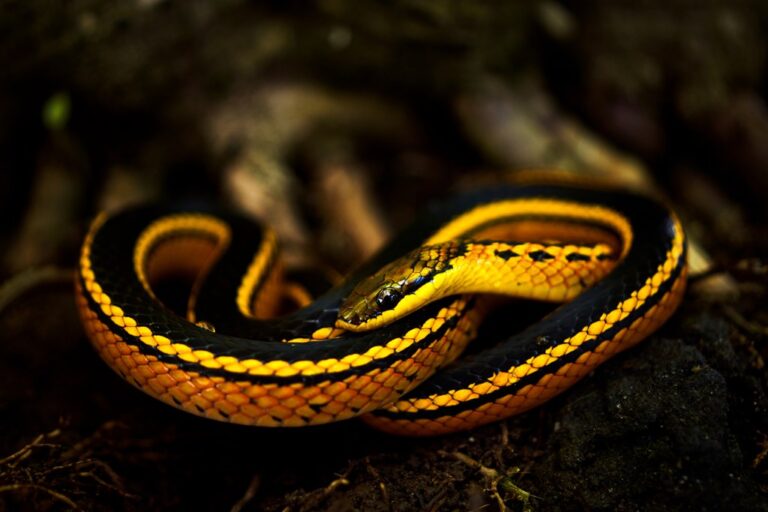
    Snakes of Tobago

    Tobago is home to several species of snakes, although they are not commonly seen by visitors to the island. The snakes of Tobago are generally harmless to humans, and they play an important role in the island’s ecosystem by controlling rodent populations and other small animals.

    One of the most common snakes found on Tobago is the common racersnake (Alsophis antiguae), which is a small, non-venomous species that is usually found in forested areas. Another species found on Tobago is the brown vine snake (Oxybelis aeneus), which is a slender, arboreal snake that feeds on lizards and small birds.

    The Tobago coral snake (Micrurus circinalis) is also found on the island, although it is relatively rare and is only found in certain areas. This species is venomous, but it is not aggressive and will generally only bite if it feels threatened.

    It is important to note that while Tobago’s snakes are generally not dangerous to humans, visitors to the island should still take care when exploring natural areas and should avoid disturbing or handling any snakes they may encounter.

    Tobago has ~21 species of non-poisonous snakes recored on the island. Sizes range from some inches up to 15 feet. Boa Constrictors, Ratonels, Horsewhips, Doctor snakes etc. are a common sight in developed areas.

    1. Trinidad Burrowing Snake –  Amerotyphlops trinitatus
    2.  Boa Constrictor – Macajuel – boa constrictor
    3. Tree Boa – Cascabel – Corallus ruschenbergerii
    4. Rainbow Boa – Epicrates maurus
    5. Tobago false Coral – Erythrolamprus ocellatus
    6. Doctor Snake – Erythrolamprus melanotus
    7.  Ratonel – Pseudoboa neuwiedii
    8. Royal ground snake – Erythrolamprus reginae
    9. false coral – Oxyrhopus petolarius
    10. Tobago one-lined snake – Atractus cf. univittatus
    11. Three-lined ground snake – Atractus trilineatus
    12. Fiddle-string snake – Imantodes cenchoa
    13. Cat-eyed snake – Imantodes cenchoa
    14. Red-nape snake – Ninia atrata
    15. Clouded snake – Sibon nebulatus
    16. Black snake – Drymarchon couperi
    17. Parrot snake – Leptophis ahaetulla
    18. Machete – Mastigodryas boddaerti dunni
    19. Horsewhip – Oxybelis aeneus
    20. Tigre – Spilotes pullatus
    21. Black-head snake – Tantilla melanocephala

Leave a Reply