
Bon Accord Lagoon
The Bon Accord Lagoon is fringed by mangrove wetlands and an important habitat for many species of marine life. Because of this wetland the whole area is accessible only by boat, making it popular destination for Island boat tours.
The Bon Accord Lagoon is fringed by mangrove wetlands and an important habitat for many species of marine life. Because of this wetland the whole area is accessible only by boat, making it popular destination for Island boat tours.
Useful Information from locals, to help you have the best experience while on the island of Tobago.

The Tobago Goat Race is an annual event that takes place on the Caribbean island of Tobago. It is a unique cultural event that has been held for over a century and attracts both locals and visitors to the island.
The Tobago Goat Race is essentially a type of goat-racing event, where trained goats compete against each other in a race. The goats are typically bred and trained specifically for this purpose and are often adorned with colorful costumes and decorations.
The event usually takes place in Buccoo, a small fishing village on the island’s west coast. It is a day-long celebration that includes food, music, and other cultural activities in addition to the goat races.
The Tobago Goat Race is not only a fun and entertaining event, but it is also an important part of Tobago’s cultural heritage. It is a way for the islanders to celebrate their traditions and showcase their unique way of life to the world. If you happen to be in Tobago during the event, it is definitely worth checking out!
Easter Tuesday
Buccoo, a small seaside village on the southwest coast of Tobago, has hosted goat racing since 1925. Goat racing developed as a poor man’s equivalent to horse racing In the early twentieth-century, since horse racing was reserved for the local elite. Since horse racing traditionally occurred on the Monday after Easter Sunday, Easter Tuesday was chosen to run goat races by the Buccoo Goat Race Festival Committee, a sub-committee of the Buccoo Village Council, that organises the event annually.
Easter Monday
The village of Mt. Pleasant is also hosts to the goat racing festival which occurs on Easter Monday. A large gathering of family, friends and acquaintances also adds to the event’s popularity and attendance on the day.
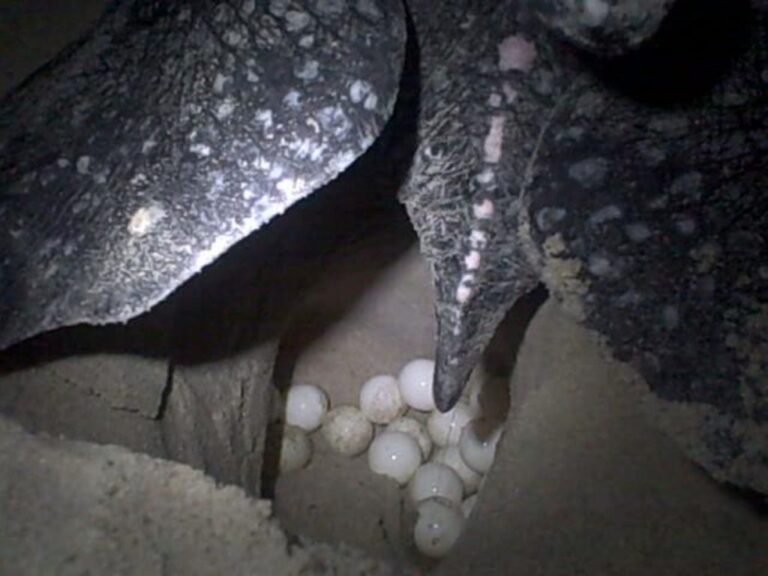
Between March and August each year, giant leather-backs, Hawks-bill, and Green sea turtles visit the shores of Tobago to lay their eggs. The process can take up to 2 hours from start to finish, going longer sometimes if the turtles are disturbed.
Some turtles will make multiply visits to the shores during the season untill the right spot is found. Once the nesting process is complete – aproximately 60 days later, baby turtle hatchlings will emerge from the sand.
What happens :
Popular Bays for sightings:
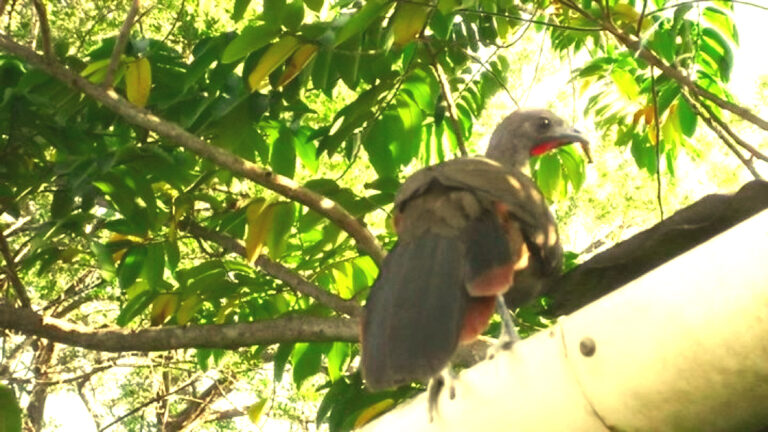
The Cocrico bird, is a bird species native to Tobago. It is a large, ground-dwelling bird that is known for its distinctive call, which sounds like “cock-a-rico”.
The Cocrico bird is found throughout Tobago and especially in Tobago’s Main Ridge Forest Reserve, a protected area of lush rainforest that covers over 14,000 acres. The bird is an important symbol of Tobago’s natural heritage and is featured on the country’s coat of arms.
The Cocrico bird is a beautiful bird with a distinctive appearance. It has a brown body with a white-tipped tail, a bright red crest on its neck. The bird is primarily a fruit eater and is an important seed disperser in the forest ecosystem.
Due to habitat loss and hunting, the Cocrico bird is considered a vulnerable species, and efforts are underway to protect and conserve the bird and its habitat. Visitors to Tobago can take guided tours of the Main Ridge Forest Reserve to see the Cocrico bird and other endemic bird species in their natural habitat.

Little Tobago is a small island located off the northeast coast of Tobago, which is itself an island in the southern Caribbean Sea and part of the nation of Trinidad and Tobago. Little Tobago is also known as Bird of Paradise Island, due to its abundance of exotic birds, including the red-billed tropicbird, the white-tailed sabrewing hummingbird, and the magnificent frigatebird.
The island is home to a bird sanctuary and nature reserve, and is a popular destination for birdwatchers and eco-tourists. It is accessible by boat from the village of Speyside on Tobago’s main island.
The island is popular for
Angel reef is also a popular site around the island for divers and glass-bottom boat tours.
The largest brain coral in the caribbean is also located on the reef system.
The island is an important breeding site for seabirds such as red-billed tropicalbird, bridled terns and many more.

The Main Ridge Forest Reserve is a protected area located in Tobago, a small island nation in the Caribbean. Established in 1776, it is the oldest forest reserve in the Western Hemisphere and covers approximately 10% of Tobago’s land area.
The Main Ridge Forest Reserve is home to a wide variety of flora and fauna, including over 200 species of birds, over 600 species of butterflies, and numerous species of mammals, reptiles, and amphibians. It is also an important watershed that provides drinking water to local communities.
The forest reserve offers numerous hiking trails and nature walks, as well as opportunities for birdwatching and wildlife viewing. The reserve is also an important site for research and education, with several institutions conducting studies on the ecology and biodiversity of the forest.
The Main Ridge Forest Reserve is a crucial component of Tobago’s natural heritage, and its protection and conservation are vital to the island’s future sustainability.
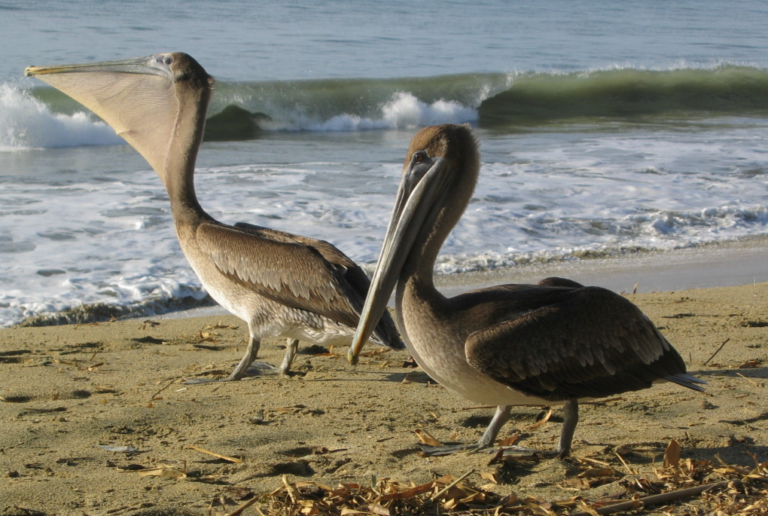
Tobago is home to a rich diversity of bird species, including both resident and migratory species. Some of the most commonly observed bird species on the island include:
Tobago is also home to several species of parrots, including the endangered Trinidad and Tobago endemic species, the Trinidad piping-guan. Other notable species include the white-necked jacobin, collared trogon, and the yellow-bellied elaenia. Tobago’s Main Ridge Forest Reserve is an excellent place to observe a variety of bird species in their natural habitat.
These are just a few of the many bird species that can be found on Tobago. The island’s diverse range of habitats, from forests and woodlands to coastal areas and open fields, provide a home to a wide variety of bird species.