Between March and August each year, giant leather-backs, Hawks-bill, and Green sea turtles visit the shores of Tobago to lay their eggs. The process can take up to 2 hours from start to finish, going longer sometimes if the turtles are disturbed.
Some turtles will make multiply visits to the shores during the season untill the right spot is found. Once the nesting process is complete – aproximately 60 days later, baby turtle hatchlings will emerge from the sand.
What happens :
A sea turtle will find the right spot for a nest by checking the sand with both front and back flippers.
Sea Turtles dig holes up to 2.5 feet deep with back flippers only.
Once the right depth is met – between 60 -100 eggs are layed.
Sea Turtles will then gentle cover eggs with back flippers only.
They will then use both flippers to camouflage the area around the nest.
Once completed they then slowly return to the sea.
Popular Bays for sightings:
Turtle Beach – Great Courland Bay
Grafton Bay – Stone Haven Bay
Back Bay – Mt. Irvine
Lambeau Beach – Little Rockly Bay
Protection Guidelines
If possible, do not disturb, obstruct or approach a turtle that is coming to shore, laying or covering its nest.
Never handle Turtle eggs or try to sit, stand or ride on a Turtle.
Avoid using bright lights as it can confuse the Turtles or cause them to abandon their nests.
If observing – stay up to 20 feet away from Turtles while they are nesting.
Tobago Mountain Bike Tours offers guided rides around the island of Tobago. If you like riding and want to discover hidden spaces and secret places then this adventure is for you.
Bikes are a great, low-impact way to explore the island. Tours follow paths along the beaches, mangroves, rain-forest and through villages.
Hillsborough Reservoir, which was commissioned in May 1952, by His Excellency Sir Hubert Elvin Rance, then Governor of Trinidad and Tobago, is the only impounding reservoir in Tobago.
The reservoir is located 870 feet above sea level, Hillsborough has a rustic beauty and an elegantly designed spillway which provides a safety outlet when the reservoir is too full. The reservoir has a maximum storage capacity of 1.02 million m³ and the water treatment plant located just below can produce up to 9,091m3 per day. Water from the reservoir serves areas such as Mt. St. George, Concordia, Whim, Mary’s Hill, Union and Les Coteaux.
The raw water from the reservoir passes through two strainers that clear the incoming water of large debris such as branches, twigs and leaves before entering the chemical house. Aluminium sulphate (alum) is added to make the suspended particles of silt and mud in the water coagulate and form large and heavier particles that sink to the bottom of the sedimentation (or settling) basins. The water is then filtered through layers of sand and gravel, a process that removes fine particles still in the water. The final stage of the water treatment process is the addition of lime, to counteract the acidity of the water and the injection of chlorine to destroy any disease-causing bacteria.
Construction of the Hillsborough Dam significantly changed the landscape but the catchment area and the reservoir still teem with an abundance of wildlife and a variety of flora. There are twenty-eight (28) species of birds documented at Hillsborough which will excite the interest of any bird watcher.
Tobago has approximately 21 species of non-poisonous snakes recorded on the island. Sizes range from some inches up to 15 feet. Snakes like Boa Constrictors, Ratonels, Horsewhips, Doctor snakes etc. are a common sight in developed areas.
Although they are not commonly seen by visitors to the island, the snakes of Tobago are generally harmless to humans. Native snakes play an important role in the island’s ecosystem by controlling rodent populations and other small pests.
One of the most common snakes found on Tobago is the Horse-Whip or brown vine snake (Oxybelis aeneus), which is a slender, arboreal snake that feeds on lizards and small birds.
It is important to note that while Tobago’s snakes are generally not dangerous to humans, visitors to the island should still take care when exploring natural areas and should avoid disturbing or handling any snakes they may encounter.
The Tobago Goat Race is an annual event that takes place on the Caribbean island of Tobago. It is a unique cultural event that has been held for over a century and attracts both locals and visitors to the island.
The Tobago Goat Race is essentially a type of goat-racing event, where trained goats compete against each other in a race. The goats are typically bred and trained specifically for this purpose and are often adorned with colorful costumes and decorations.
Goat Racing – Buccoo Tobago
The event usually takes place in Buccoo, a small fishing village on the island’s west coast. It is a day-long celebration that includes food, music, and other cultural activities in addition to the goat races.
The Tobago Goat Race is not only a fun and entertaining event, but it is also an important part of Tobago’s cultural heritage. It is a way for the islanders to celebrate their traditions and showcase their unique way of life to the world. If you happen to be in Tobago during the event, it is definitely worth checking out!
Easter Tuesday Buccoo, a small seaside village on the southwest coast of Tobago, has hosted goat racing since 1925. Goat racing developed as a poor man’s equivalent to horse racing In the early twentieth-century, since horse racing was reserved for the local elite. Since horse racing traditionally occurred on the Monday after Easter Sunday, Easter Tuesday was chosen to run goat races by the Buccoo Goat Race Festival Committee, a sub-committee of the Buccoo Village Council, that organises the event annually.
Easter Monday The village of Mt. Pleasant is also hosts to the goat racing festival which occurs on Easter Monday. A large gathering of family, friends and acquaintances also adds to the event’s popularity and attendance on the day.
Little Tobago is a small island located off the northeast coast of Tobago, which is itself an island in the southern Caribbean Sea and part of the nation of Trinidad and Tobago. Little Tobago is also known as Bird of Paradise Island, due to its abundance of exotic birds, including the red-billed tropicbird, the white-tailed sabrewing hummingbird, and the magnificent frigatebird.
The island is home to a bird sanctuary and nature reserve, and is a popular destination for birdwatchers and eco-tourists. It is accessible by boat from the village of Speyside on Tobago’s main island.
The island is popular for
Naturalists
Bird-watching
Angel reef
Scuba diving
Glass-bottom boat tours
Angel reef is also a popular site around the island for divers and glass-bottom boat tours.
The largest brain coral in the caribbean is also located on the reef system.
The island is an important breeding site for seabirds such as red-billed tropicalbird, bridled terns and many more.
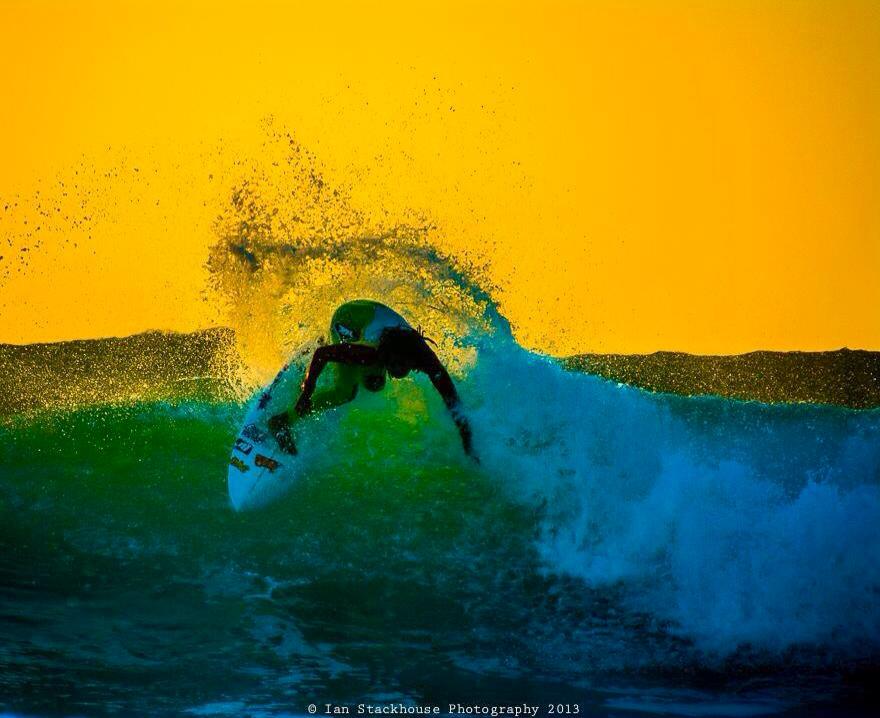
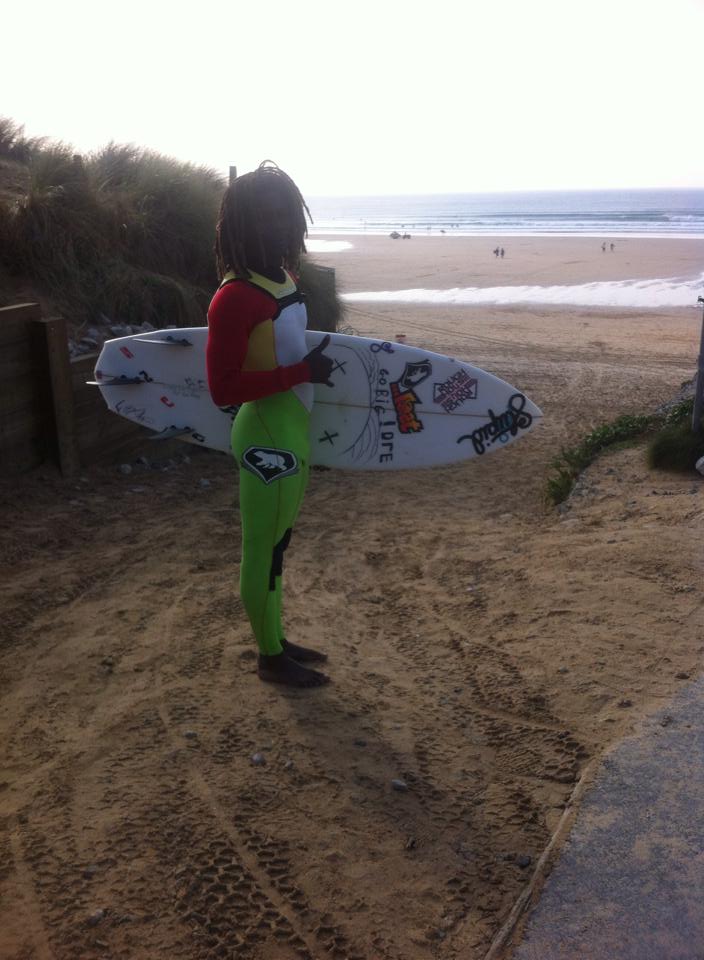
Tobago is a beautiful Caribbean island that offers excellent surfing opportunities for surfers of all skill levels. The island has a number of beaches and surf spots that are popular with both locals and visitors.
One of the best surf spots in Tobago is Mount Irvine Bay. It is a beautiful crescent-shaped beach with consistent waves and is suitable for both beginners and experienced surfers. The waves at Mount Irvine Bay are usually between 3 and 6 feet, making it an ideal spot for longboarders and shortboarders.
Another popular surf spot in Tobago is Bacolet Bay. This beach offers a variety of waves, from small and gentle to fast and powerful, making it suitable for surfers of all skill levels. Bacolet Bay is also a great spot for paddleboarding, snorkeling, and swimming.
Other surf spots in Tobago include King’s Bay, Castara Bay, and Englishman’s Bay. These spots offer a variety of waves and are suitable for different skill levels.
If you are new to surfing, there are several surf schools and rental shops on the island that can provide you with lessons and equipment. With warm water, consistent waves, and beautiful scenery, Tobago is a great destination for anyone looking to catch some waves in the Caribbean
People have been surfing in Mt. Irvine Bay Tobago since the early 1970’s. Today the bay is the go to spot for surfing on the Island. There are other known surfing bays along the coast but Mount Irvine Bay, with its right-hand reef break and waves reaching up to 3 meters high is frequented by locals and visitors.
The surf season in Tobago normally runs from late September to April, with peak season and swells happening during December to March.
On the bay you can find and hire friendly surfing guides that can give you surfing lessons and tours to secret surf spots around the island. Equipement may be provided.
History of surfing in Tobago
In the late 1960’s international visitors, mainly from the USA and Europe started surfing in Mt. Irvine, Tobago. This inspired locals like Michael Baker, Trevor Paience, David Achong and a few others to become the first to try the sport on the island. Since the 1970’s, the sport has grown steadily in popularity with the local youths of both Trinidad and Tobago. During the 1980’s 90’s and 2000’s there were various surfing competition held on Mt. Irvine bay, involving both local and international surfers. In 2016 “The Tobago Pro” competition was won by Andre Stewart of Tobago, and Adrian De Silva came in Second.
Right Surf Break
Mt. Irvine has a right hand surf break that rolls over a flat reef bed with patches of dead and alive fire corals. During high tide it can get very deep with most waves breaking off the point. At lower tides the waters can drop as low as 10 feet at the surf break.
Off the Point
The very big waves will start to peak off the tip of Rocky Point, (Back Bay). These waves can get as big as 3 meters high and become very powerful in rapid sets. Surfing off the point is only recommended for experienced surfers as the sets can get very heavy and dangerous.