Things To Do

Tobago is packed with fun adventure filled things to do and places to discover. Some things can be done for free while others may have a cost.

  • | |

    It’s Turtle Season

    Nesting Sea Turtles

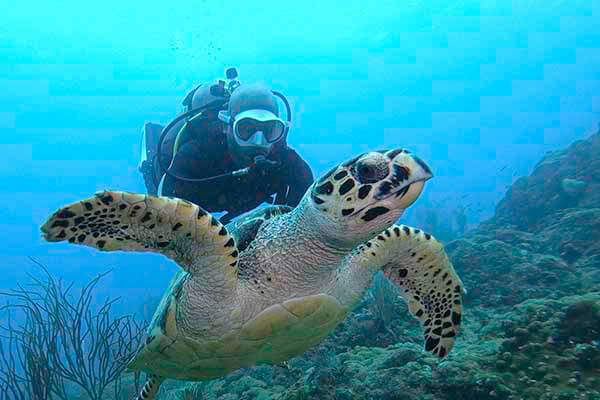
    Between March and August each year, giant leather-backs, Hawks-bill, and Green sea turtles visit the shores of Tobago to lay their eggs. The process can take up to 2 hours from start to finish, going longer sometimes if the turtles are disturbed.

    Some turtles will make multiply visits to the shores during the season untill the right spot is found. Once the nesting process is complete – aproximately 60 days later, baby turtle hatchlings will emerge from the sand.


    What happens :

    • A sea turtle will find the right spot for a nest by checking the sand with both front and back flippers.
    • Sea Turtles dig holes up to 2.5 feet deep with back flippers only.
    • Once the right depth is met – between 60 -100 eggs are layed.
    • Sea Turtles will then gentle cover eggs with back flippers only.
    • They will then use both flippers to camouflage the area around the nest.
    • Once completed they then slowly return to the sea.


    Popular Bays for sightings:

    • Turtle Beach – Great Courland Bay
    • Grafton Bay – Stone Haven Bay
    • Back Bay – Mt. Irvine
    • Lambeau Beach – Little Rockly Bay

    Protection Guidelines

    • If possible, do not disturb, obstruct or approach a turtle that is coming to shore, laying or covering its nest.
    • Never handle Turtle eggs or try to sit, stand or ride on a Turtle.
    • Avoid using bright lights as it can confuse the Turtles or cause them to abandon their nests.
    • If observing – stay up to 20 feet away from Turtles while they are nesting.
  • | |

    October Carnival

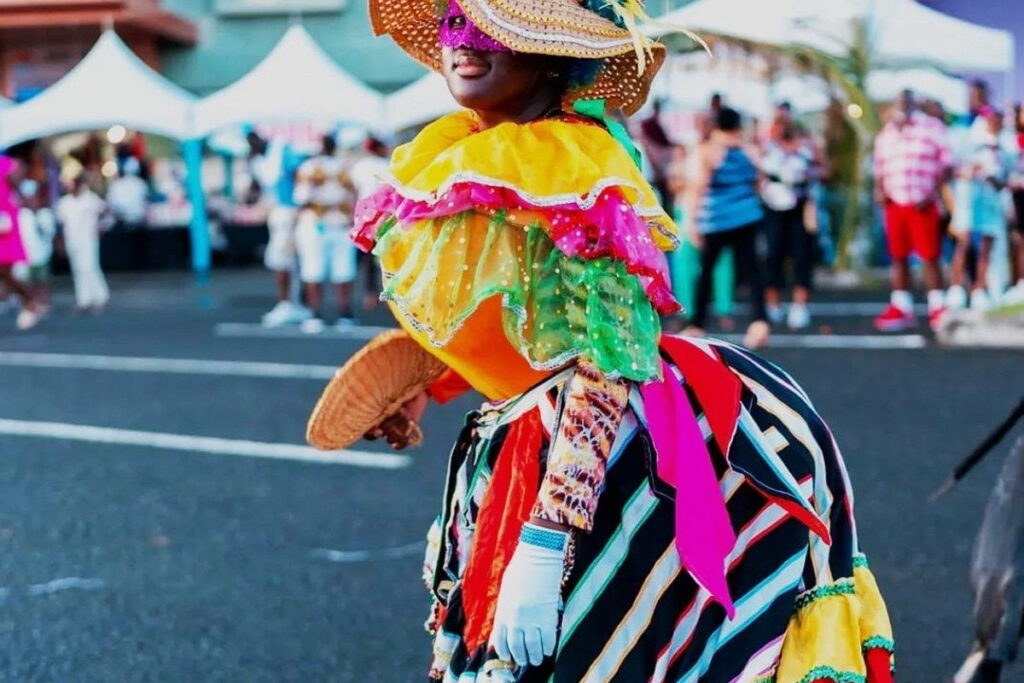
    Tobago Carnival is an annual festival held on the island of Tobago. The carnival takes place in the month of october each year.

    The Tobago Carnival is a vibrant celebration of music, dance, and culture, with a focus on the island’s unique traditions and heritage. The festival features colorful costumes, lively music, and energetic dance performances, with participants taking to the streets to dance and celebrate.

    Although the Tobago Carnival is a smaller and more traditional version of the larger Trinidad Carnival, which takes place on the neighboring island of Trinidad. The October Tobago Carnival still attracts a large number of visitors and locals each year, with events including calypso competitions, steelpan performances, and a grand parade.

    One of the highlights of the Tobago Carnival is the traditional J’Ouvert celebration, which takes place in the early hours of the morning. During J’Ouvert, participants cover themselves in mud, paint, and powder as they dance through the streets to the beat of steel drums and soca music.

    The Tobago Carnival is a lively and colorful celebration of Tobago’s culture and heritage, and is a must-see event for anyone visiting the island during the Carnival season.

  • |

    Pulling Seine

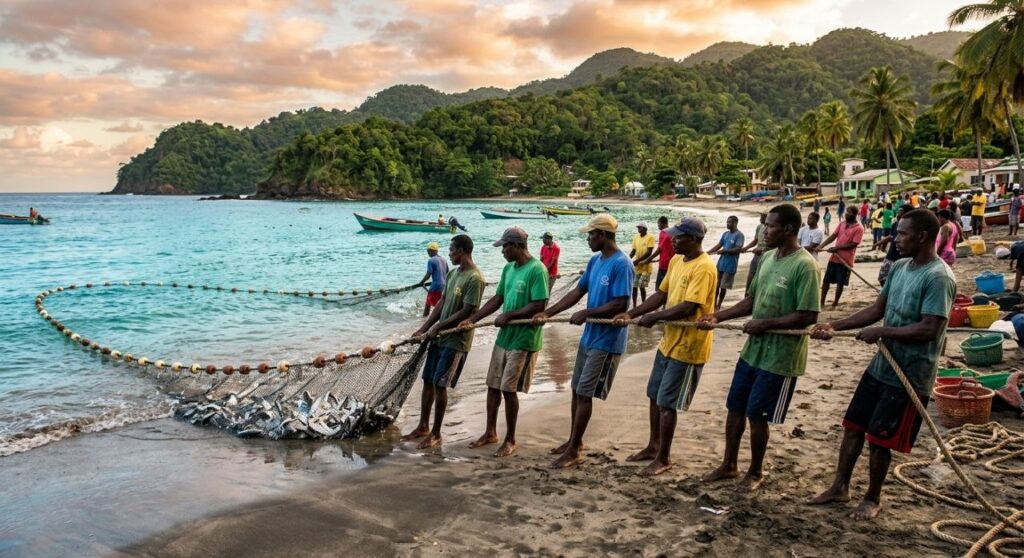
    “Pulling seine” is a traditional fishing method used in Tobago and other parts of the Caribbean. The process involves a large net, called a seine, which is pulled through the water by a group of fishermen.

    To pull seine in Tobago, a group of fishermen typically launch a small boat or canoe from the beach and paddle out into the water. Once they have reached a suitable spot, they throw the net into the water and begin to pull it back towards the shore. As the net is pulled, it forms a large circle around schools of fish, which are trapped inside the net.

    Once the net has been pulled to the shore, the fishermen gather around and begin to haul in the catch. This can be a physically demanding process, as the net can be quite heavy and the catch can be quite large.

    Pulling seine is a traditional fishing method that has been used in Tobago for many years. While it is still practiced today, it is becoming less common as commercial fishing methods become more popular. However, some fishermen continue to use this method as a way to catch fish for their families and communities.

  • Surfing in Tobago

    Tobago is a beautiful Caribbean island that offers excellent surfing opportunities for surfers of all skill levels. The island has a number of beaches and surf spots that are popular with both locals and visitors.
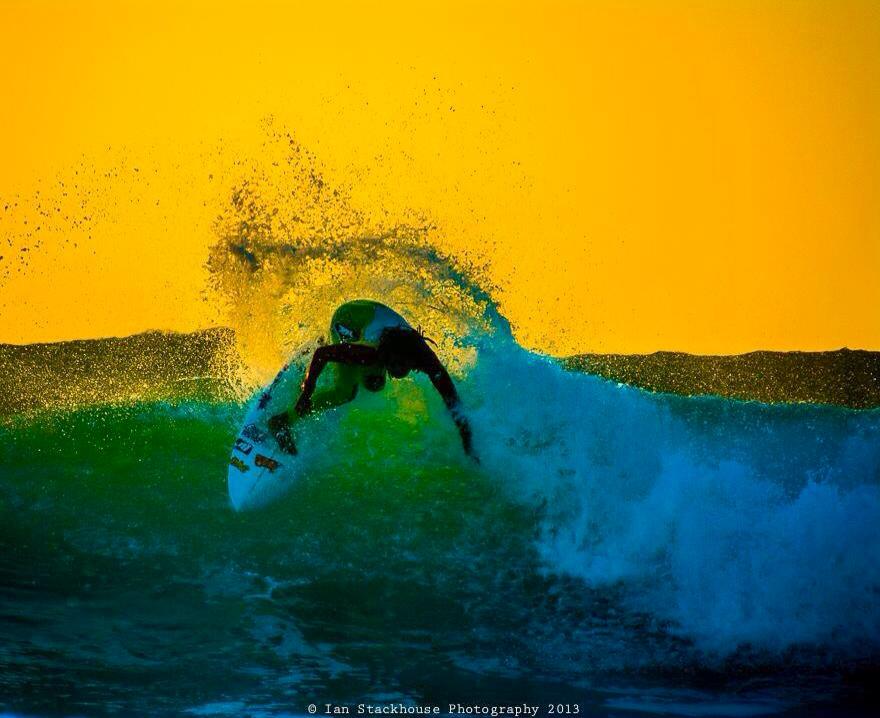
    andre surfing in mt. irvine tobago

    One of the best surf spots in Tobago is Mount Irvine Bay. It is a beautiful crescent-shaped beach with consistent waves and is suitable for both beginners and experienced surfers. The waves at Mount Irvine Bay are usually between 3 and 6 feet, making it an ideal spot for longboarders and shortboarders.

    Another popular surf spot in Tobago is Bacolet Bay. This beach offers a variety of waves, from small and gentle to fast and powerful, making it suitable for surfers of all skill levels. Bacolet Bay is also a great spot for paddleboarding, snorkeling, and swimming.

    Other surf spots in Tobago include King’s Bay, Castara Bay, and Englishman’s Bay. These spots offer a variety of waves and are suitable for different skill levels.

    If you are new to surfing, there are several surf schools and rental shops on the island that can provide you with lessons and equipment. With warm water, consistent waves, and beautiful scenery, Tobago is a great destination for anyone looking to catch some waves in the Caribbean
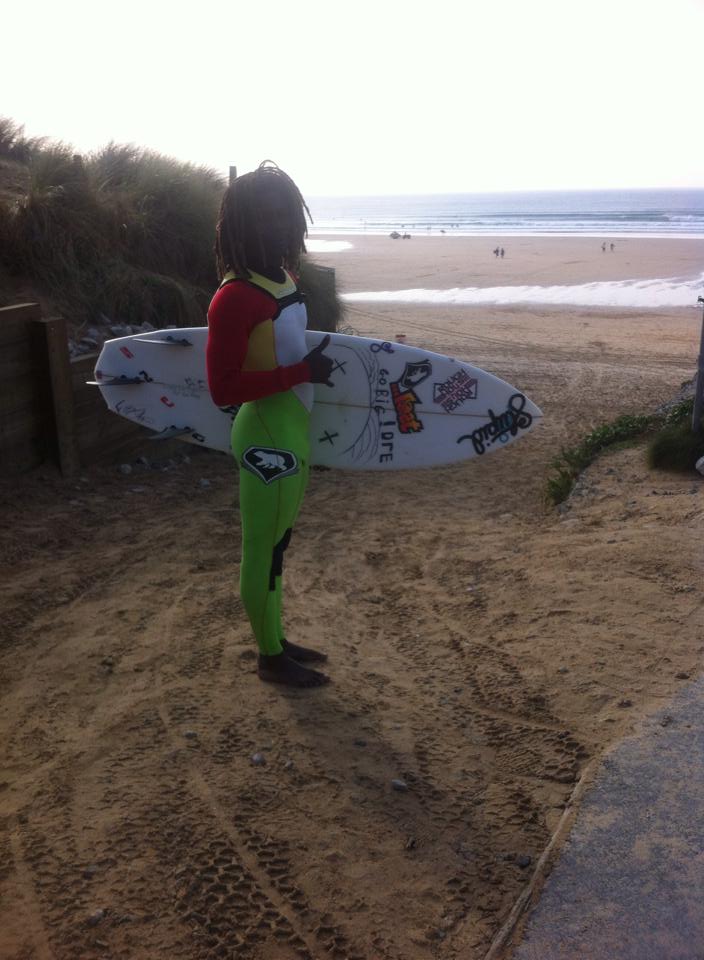

    People have been surfing in Mt. Irvine Bay Tobago since the early 1970’s. Today the bay is the go to spot for surfing on the Island. There are other known surfing bays along the coast but Mount Irvine Bay, with its right-hand reef break and waves reaching up to 3 meters high is frequented by locals and visitors.

    The surf season in Tobago normally runs from late September to April, with peak season and swells happening during December to March.

    On the bay you can find and hire friendly surfing guides that can give you surfing lessons and tours to secret surf spots around the island. Equipement may be provided.

    History of surfing in Tobago

    In the late 1960’s international visitors, mainly from the USA and Europe started surfing in Mt. Irvine, Tobago. This inspired locals like Michael Baker, Trevor Paience, David Achong and a few others to become the first to try the sport on the island. Since the 1970’s, the sport has grown steadily in popularity with the local youths of both Trinidad and Tobago. During the 1980’s 90’s and 2000’s there were various surfing competition held on Mt. Irvine bay, involving both local and international surfers. In 2016 “The Tobago Pro” competition was won by Andre Stewart of Tobago, and Adrian De Silva came in Second.

    Right Surf Break

    Mt. Irvine has a right hand surf break that rolls over a flat reef bed with patches of dead and alive fire corals. During high tide it can get very deep with most waves breaking off the point. At lower tides the waters can drop as low as 10 feet at the surf break.

    Off the Point

    The very big waves will start to peak off the tip of Rocky Point, (Back Bay). These waves can get as big as 3 meters high and become very powerful in rapid sets. Surfing off the point is only recommended for experienced surfers as the sets can get very heavy and dangerous.