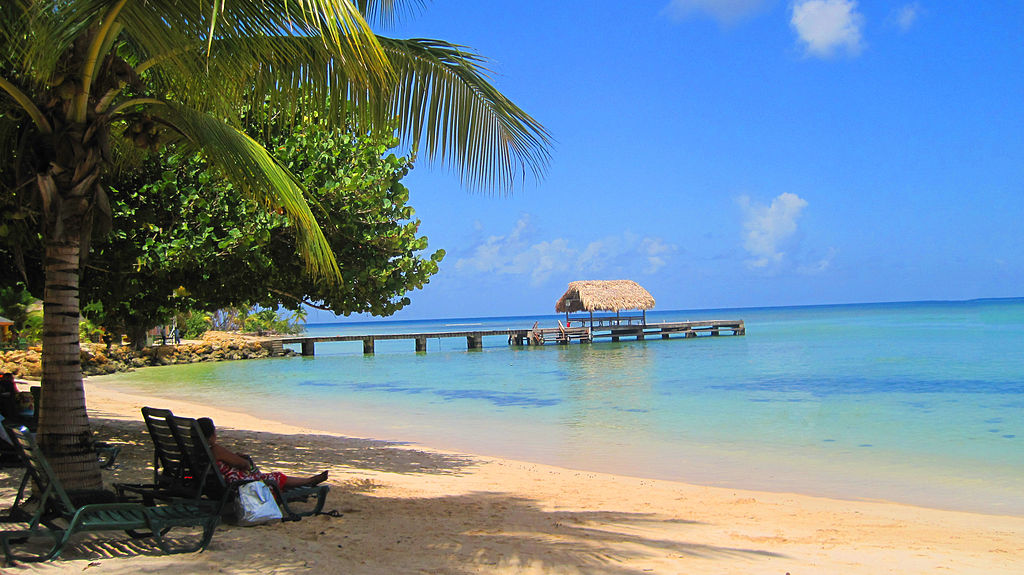
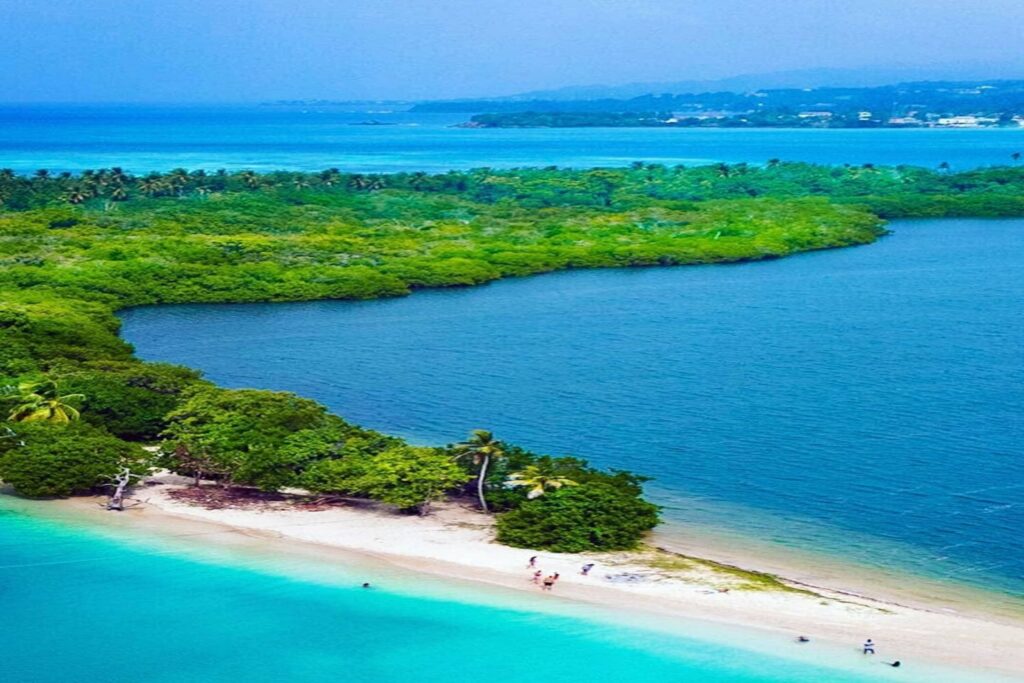
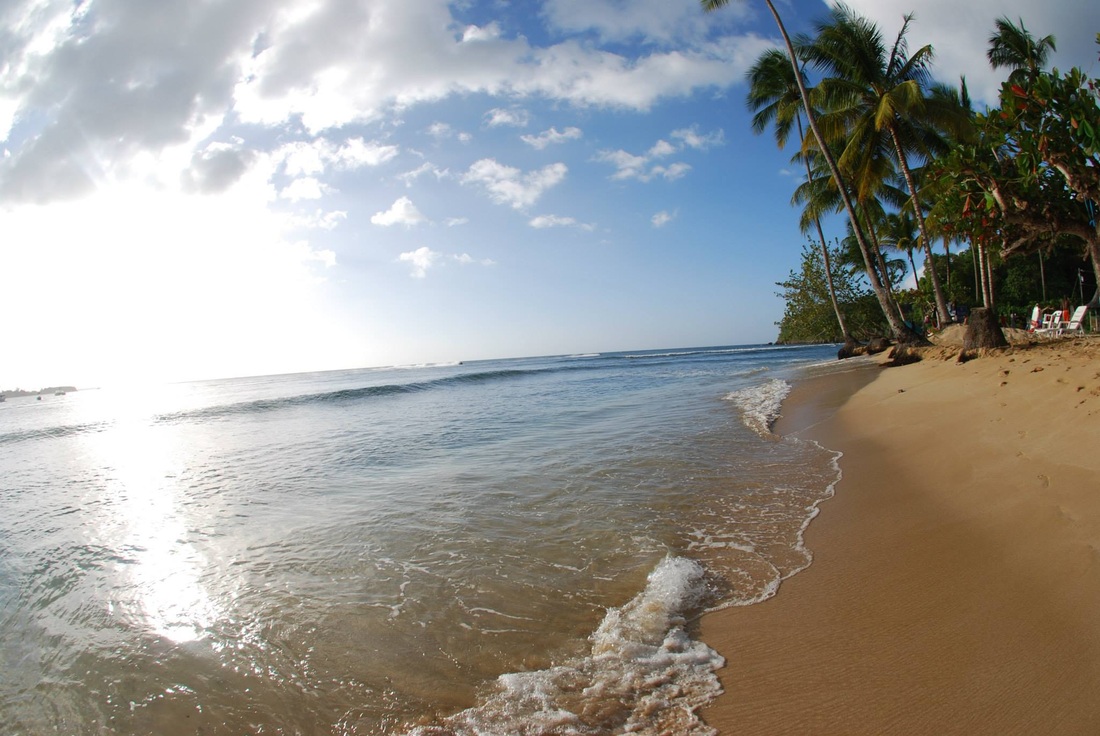
Pigeon Point is a popular beach and tourist destination located on the southwestern tip of Tobago, which is an island in the southern Caribbean Sea and part of the nation of Trinidad and Tobago.
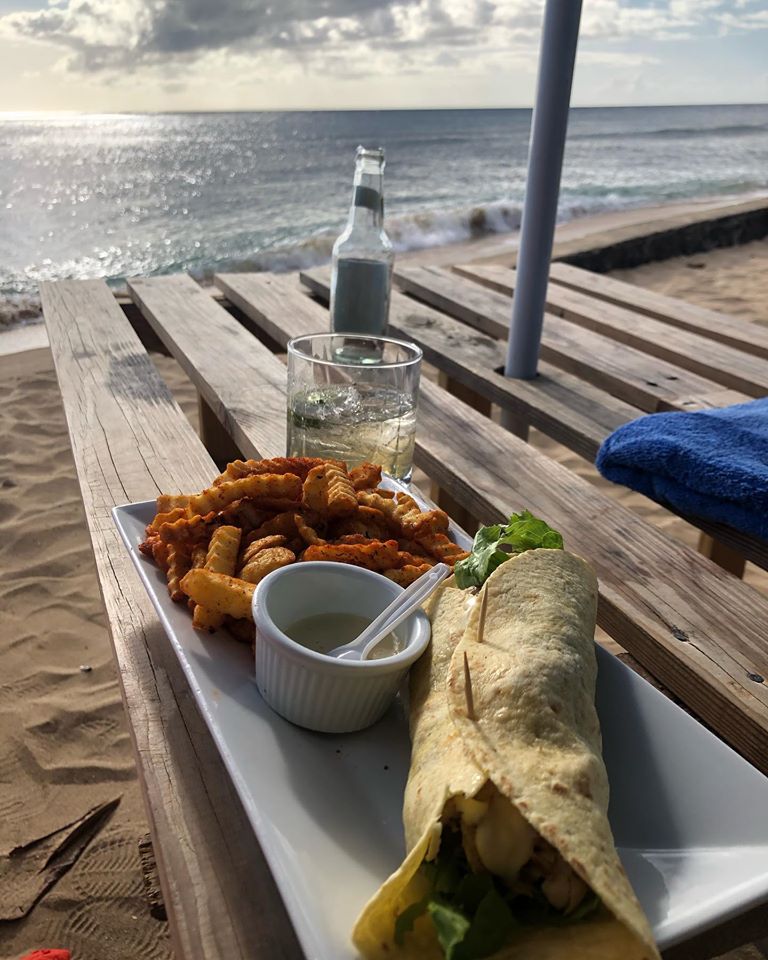
The beach is known for its soft white sand, crystal-clear waters, and scenic views of the nearby Buccoo Reef. The area has been developed into a beach resort with facilities such as restaurants, bars, changing rooms, and water sports equipment rentals, including kayaks, paddle boards, and jet skis.
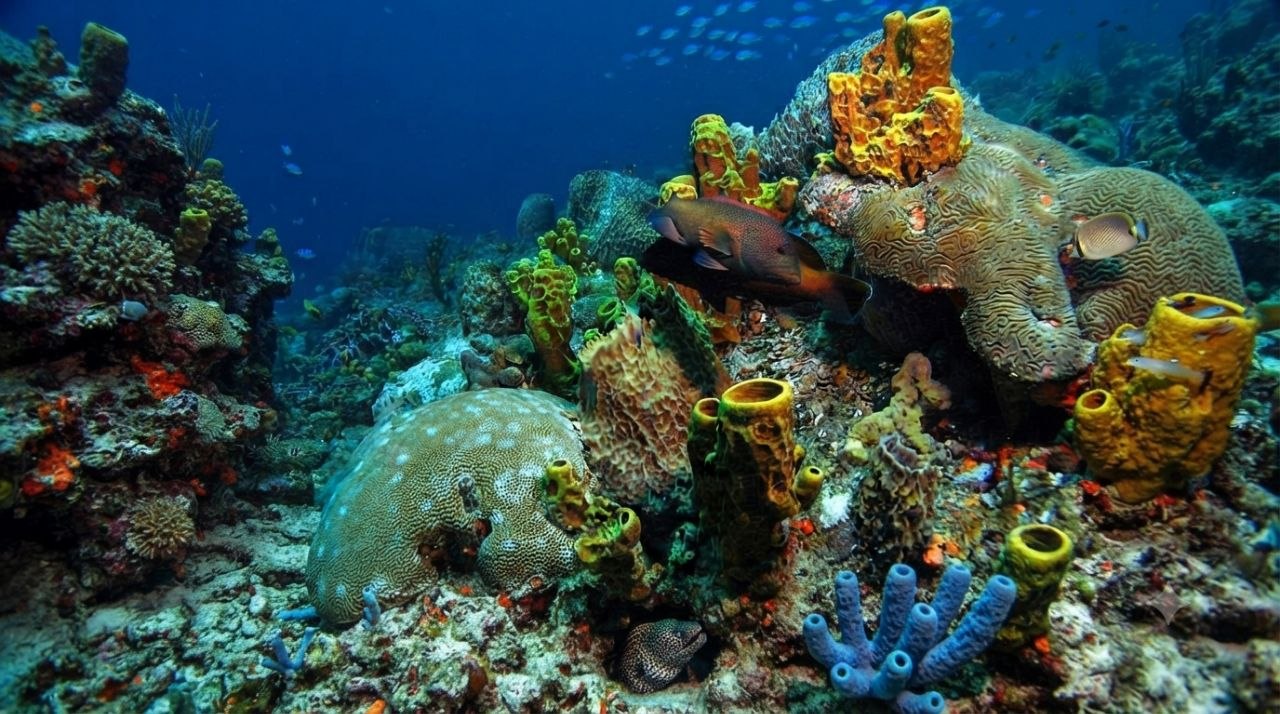
Pigeon Point is also a popular spot for snorkeling and scuba diving due to its proximity to the Buccoo Reef, which is home to a diverse array of marine life. The beach is accessible by car or taxi from the nearby Crown Point area.
Pigeon Point is one of the island’s most known beach. The entire peninsula is also known as Pigeon Point Heritage Park.
Life guards
Security
Cabanas
Water sports
Shops
Restaurant & Bar
Entrance fee – $20.00 TTD for Adults, Kids $10.00 TTD under 6 yrs – free
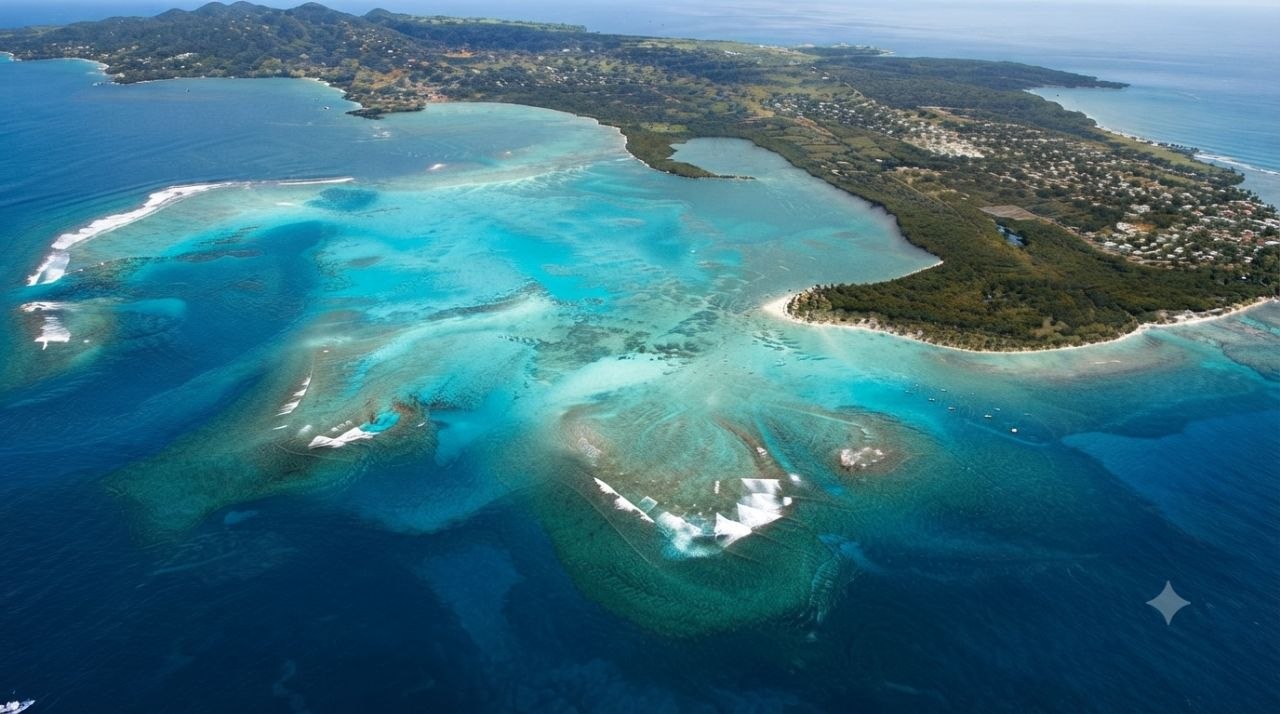
The Buccoo Reef is a crown jewel of Tobago’s marine life. It is one of the most accessible coral reefs in the Caribbean, it offers a window into a vibrant underwater world of fringing coral reefs.
The Buccoo Reef Marine Park
The reef is located on the western coast of the island of Tobago. It is a protected marine park and is one of the largest coral reefs in Tobago.
Glass Bottom Reef Boats
Visitors can take glass-bottom reef-boat tours to view the stunning array of marine life and coral formations that make up the fringing reef system. Snorkeling and scuba diving are also popular activities in the area.
What to Expect
The Coral Gardens
The Coral Gardens: A slightly deeper area of the reef, known for its stunning coral formations and diverse tropical fishes, that can be viewed through the glass bottom reef boats.
Nylon Pool
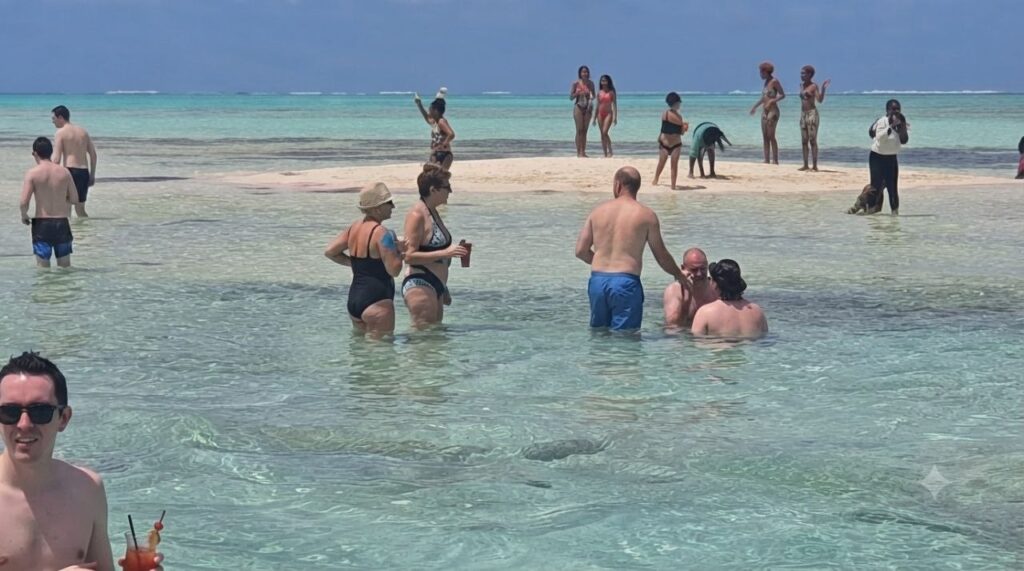
The Nylon Pool: A natural, waist-deep area in the reef that was named by Princess Margaret in 1962, who reportedly said the water was as clear as her nylon stockings.
Reef Sand Bank
The Sand Bank: This is a natural formation of sand deposited in a small area of the reef. It is sometimes visible depending on the tides and currents.
Bon Accord Lagoon
Bon Accord Lagoon: The Buccoo Reef borders the Bon Accord Lagoon, creating a complex ecosystem essential for the island’s sea life and mangroves.
Essential info
Size – 2.7 mi²
Type – Fringing Coral Reef
Largest in Tobago
Nylon Pool
Coral Gardens
Bon Accord Lagoon
Reef boat tours
Snokelling
No mans land
Sun Protection: The sun reflects off the shallow water intensely. Wear reef-safe sunscreen or a rash guard to protect your skin and the delicate corals below.
Footwear: While the sand is soft, some areas near the reef can be sharp. Consider water shoes if you plan on exploring.
Booking Your Tour: Most tours depart from Buccoo Beach, Store Bay, or Pigeon Point. You don’t always need to book online; you can often find reputable local operators directly on the beach, but checking reviews on platforms like TripAdvisor or Instagram first is always a good idea.
Beyond the Reef: Local Culture If you have time, many tours also stop at No Man’s Land, a secluded beach nearby. It’s the perfect place to relax after your swim, enjoy a local snack, and take in the view of the coastline
No man’s land
Overall, Buccoo Reef is a must-visit destination for anyone on the island of Tobago, offering a unique blend of natural marine beauty, adventure, and local culture.
Hillsborough Reservoir, which was commissioned in May 1952, by His Excellency Sir Hubert Elvin Rance, then Governor of Trinidad and Tobago, is the only impounding reservoir in Tobago.
The reservoir is located 870 feet above sea level, Hillsborough has a rustic beauty and an elegantly designed spillway which provides a safety outlet when the reservoir is too full. The reservoir has a maximum storage capacity of 1.02 million m³ and the water treatment plant located just below can produce up to 9,091m3 per day. Water from the reservoir serves areas such as Mt. St. George, Concordia, Whim, Mary’s Hill, Union and Les Coteaux.
The raw water from the reservoir passes through two strainers that clear the incoming water of large debris such as branches, twigs and leaves before entering the chemical house. Aluminium sulphate (alum) is added to make the suspended particles of silt and mud in the water coagulate and form large and heavier particles that sink to the bottom of the sedimentation (or settling) basins. The water is then filtered through layers of sand and gravel, a process that removes fine particles still in the water. The final stage of the water treatment process is the addition of lime, to counteract the acidity of the water and the injection of chlorine to destroy any disease-causing bacteria.
Construction of the Hillsborough Dam significantly changed the landscape but the catchment area and the reservoir still teem with an abundance of wildlife and a variety of flora. There are twenty-eight (28) species of birds documented at Hillsborough which will excite the interest of any bird watcher.
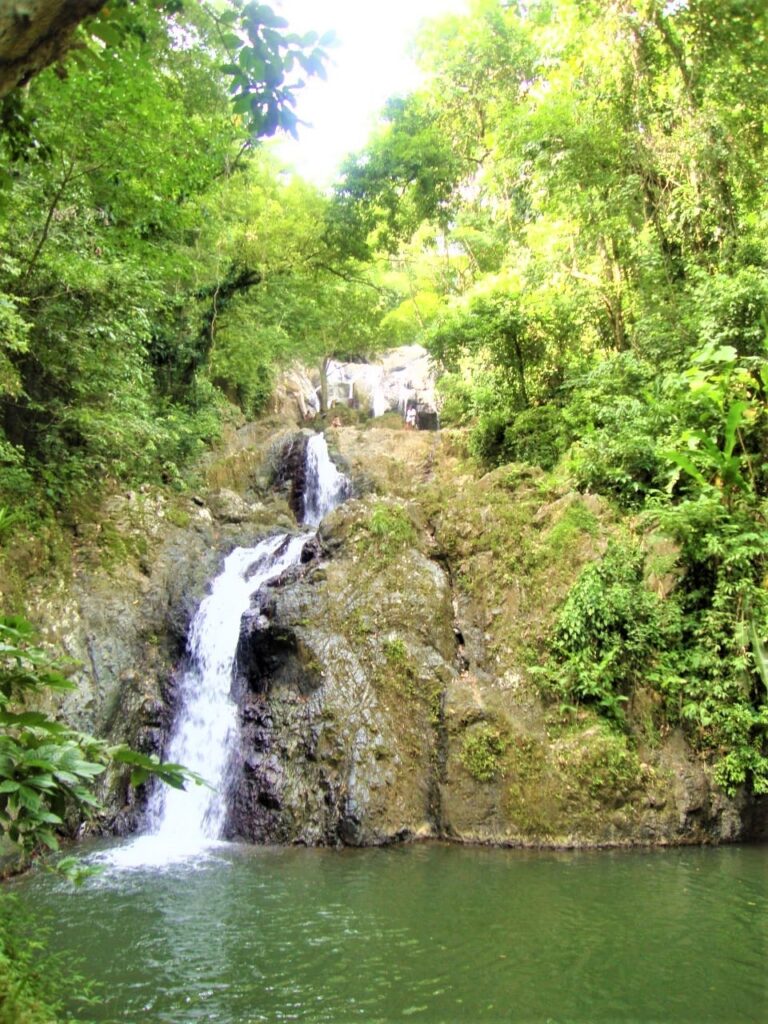
Argyle Waterfall is a beautiful natural attraction located in the eastern part of Tobago, which is part of the Republic of Trinidad and Tobago. It is a popular spot for tourists and locals alike who want to experience the island’s natural beauty.
The waterfall is situated in a lush rainforest setting, and visitors can take a short hike through the forest to reach the waterfall. The hike is not particularly challenging, but it does involve some steep inclines and rocky terrain, so it is important to wear sturdy shoes and bring plenty of water.
The waterfall itself is approximately 175 feet tall and cascades into a deep pool below, where visitors can swim and cool off in the refreshing waters. The surrounding forest is also home to a variety of wildlife, including birds and butterflies, making it an ideal destination for nature lovers.
Overall, the Argyle Waterfall is a must-visit attraction for anyone traveling to Tobago, offering a unique opportunity to experience the island’s natural beauty and explore its lush rainforest environment.
The waterfall is located in the area of Roxborough – on the eastern side of Tobago – ‘country side’.
Argyle is high multidrop waterfall on the edge of the rain-forest rising over 160ft high.
It takes about 15-20 minutes walking along the trail from the entrance to the base of the waterfall.
There is a paid entry fee of $60 TTD for visitors.
A small bar with snacks and a toilet facility (no shower) is available.
Guides are available for hire.
The waterfall pools can be deep – take caution if swimming!
Fort King George is a historic fortification located on the island of Tobago in the Caribbean. It was built by the British in the late 18th century, during their colonial period in the region.
The fort was constructed in 1779 on a hill overlooking the harbor of Scarborough, Tobago’s capital. Its primary purpose was to defend the island against French and Dutch attacks, as Tobago was a valuable strategic location in the Caribbean.
Today, Fort King George is a popular tourist attraction and historical site. Visitors can explore the fort’s ruins, including the barracks, officer’s quarters, and cannons. There is also a small museum on the site that houses artifacts and exhibits related to Tobago’s history and the fort’s role in it.
In addition to its historical significance, Fort King George offers spectacular views of the surrounding landscape, including the Caribbean Sea and the town of Scarborough. It is a must-visit destination for anyone interested in Caribbean history and architecture.
Fort King George is named after King George III of Great Britain. The fort sits at the very top of Scarborough Hill (Fort Hill) with views of the Atlantic Ocean, Tobago’s capital town Scarborough and part of the south-eastern side of island.
Saint Giles Island is located off the northeast tip of Tobago. The island can be viewed clearly from flag-staff lookout in Charlotteville. Reef patches and cliffs surrounding the island makes it a popular dive site.
St. Giles Island
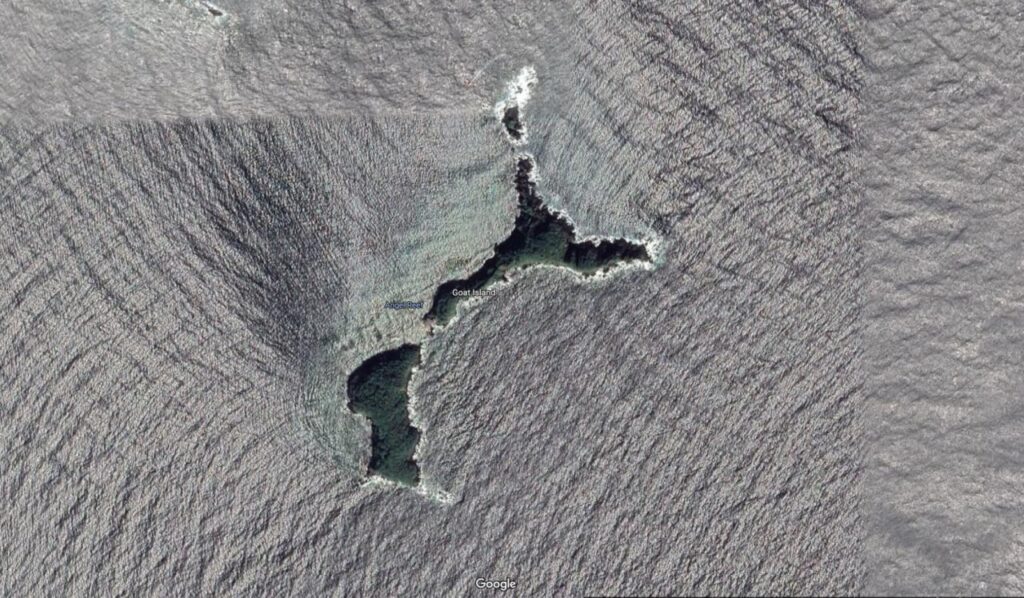
Goat Island
Goat Island is located off the coast of Speyside, between Tobago and Little Tobago. The reef around the island is popular with divers.
Goat Island
Little Tobago
Little Tobago is a small island off the northeastern coast of Tobago, popular with birdwatchers. The island is an important breeding site for seabirds such as red-billed tropicalbird, bridled terns and many more. Angel reef is also a popular site around the island for divers and glass-bottom boat tours.
Little Tobago
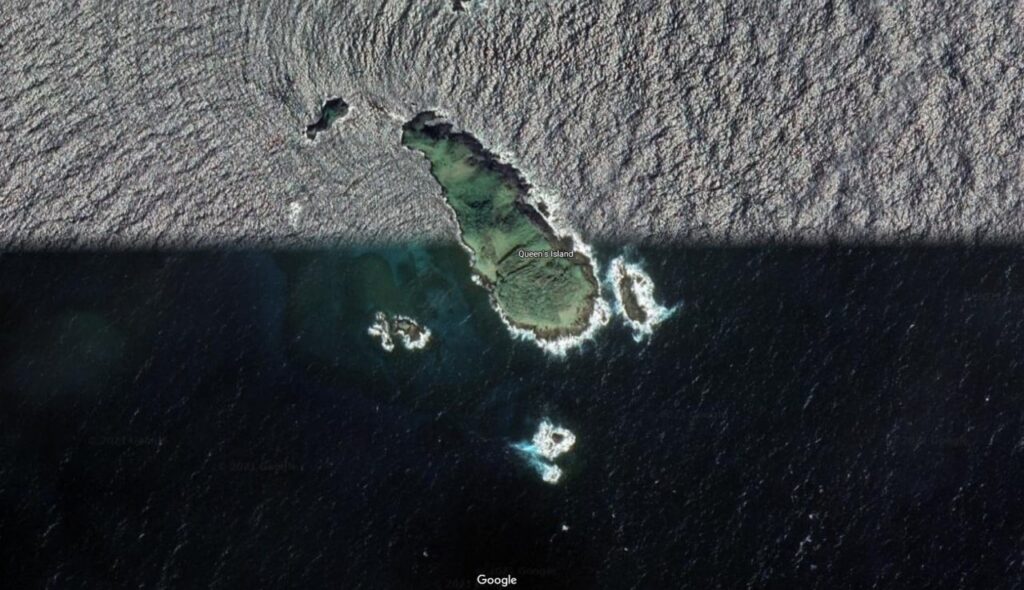
Queen’s Island
Queen’s Island is located on the north-eastern coast of Tobago outside of Louis D’or Bay and Delaford.
Queen’s Island
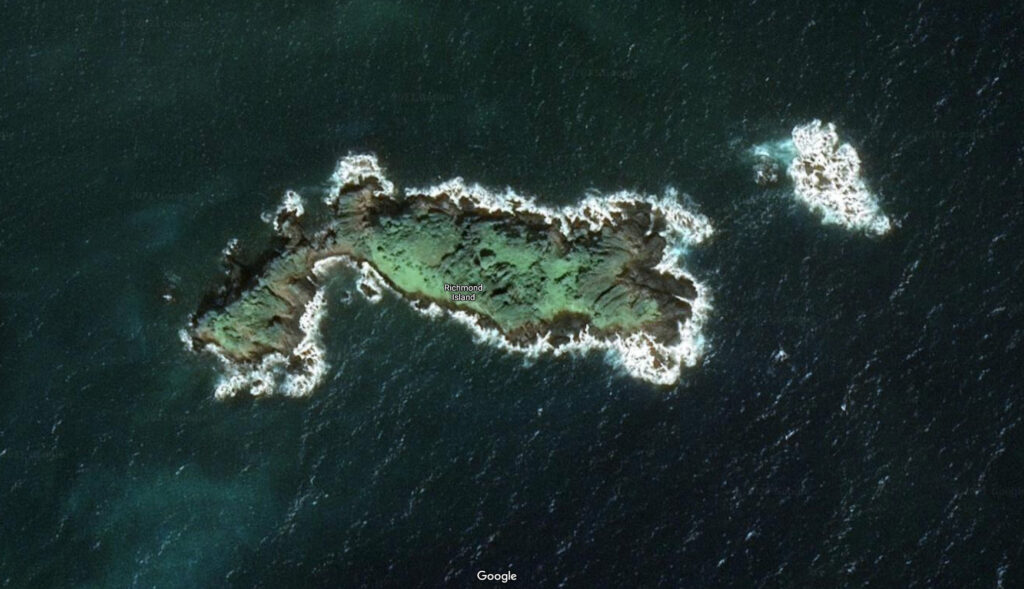
Richmond Island
Richmond Island is located on the eastern side of Tobago outside of Richmond bay.
Richmond Island
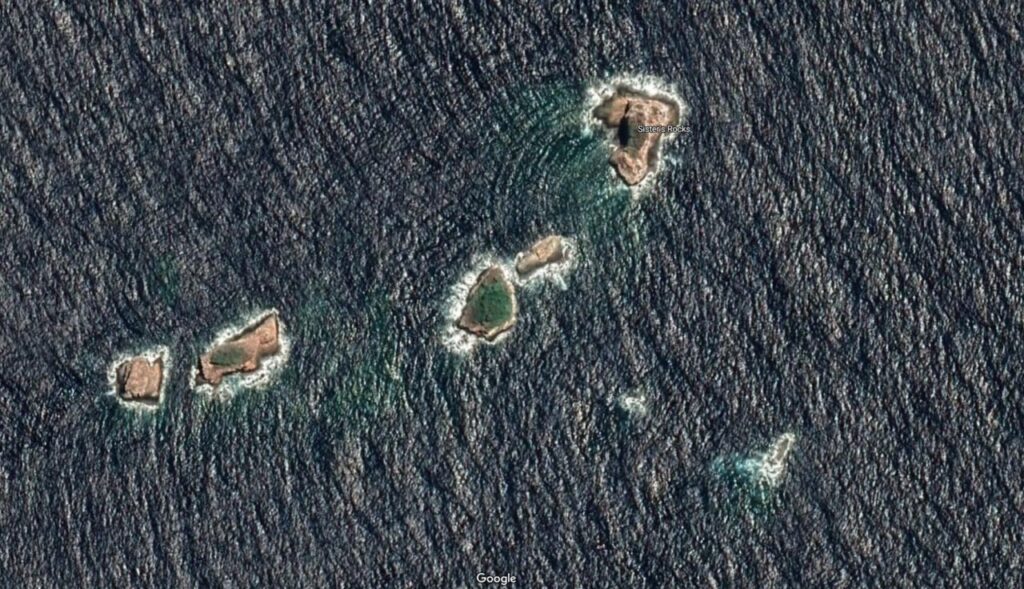
Sisters Rock
Sisters Rocks is tiny group of islands located off the northern coast of Tobago directly north of Parlatuvier. Sisters Rocks are popular for snorkeling and scuba diving for hammer-head sharks.
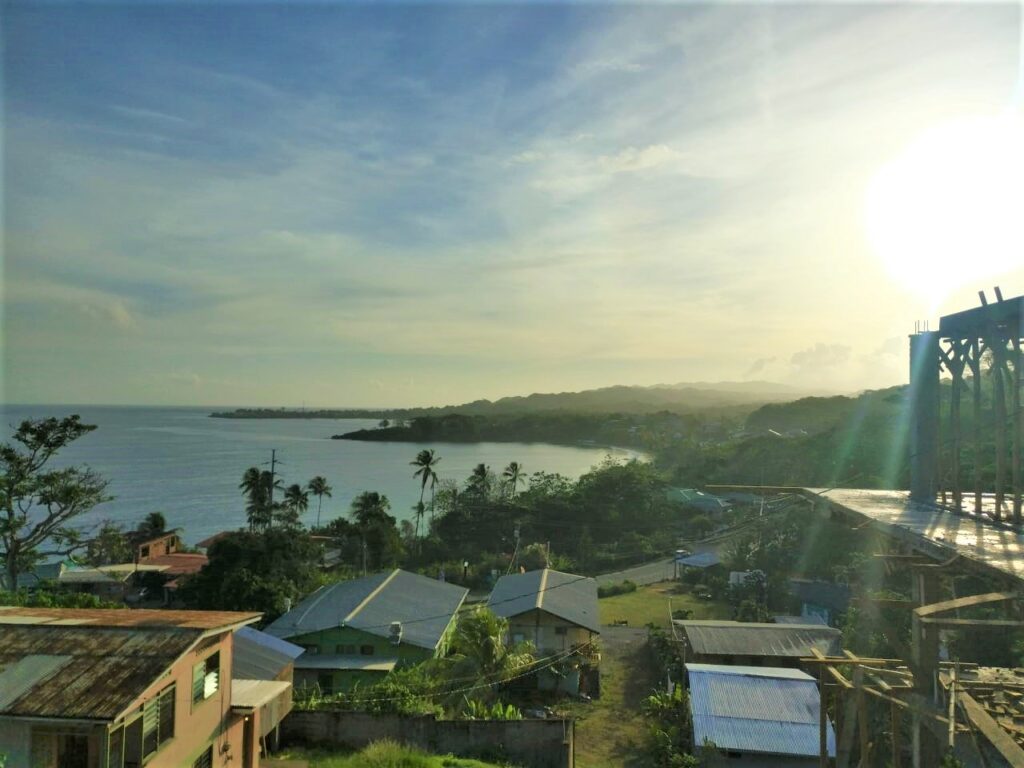
Pleasant Prospect is a small hilly village, located between three popular bays, Mt. Irvine Bay, Back bay (Rockly Point) and Stone-haven bay, also known as Grafton bay. The village also borders the caledonian sanctuary and nature reserve.
Local Amenities
Grocery Shops
ATM Bank Machine
Restaurants
Bars
Guesthouses
Small Play ground
Beaches
Turtle Nesting
Public Transport
Nature Reserve
Mountain-bike Tours
Pizza Boys
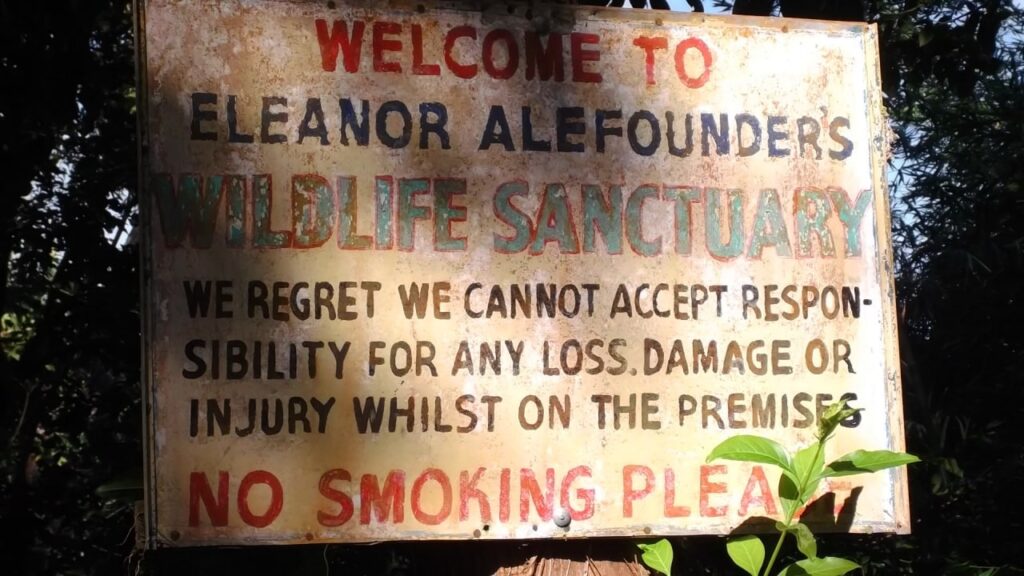
Grafton Caledonia Wildlife Sanctuary
The bird sanctuary is no longer maintained but bird feeding by the caretaker can sometimes be observed. The entire nature reserve comprises over 200 acres of protected land that was formally part of a coco estate owned by Eleanor Alefounder. The main purpose of the nature reserve is to promote the native flora and fauna of the island.
Mt Irvine Bay
Mt. Irvine BaySufing Mt Irvine – Andre Anchor Bar & GrillMt. Irvine Bay
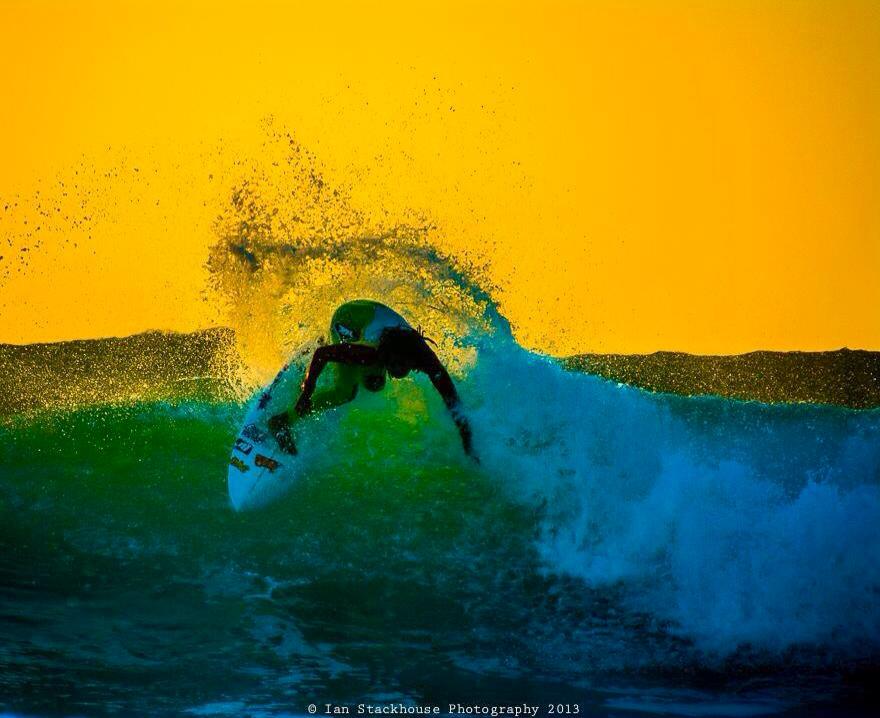
Mt. Irvine bay is very popular beach in Tobago for locals and vistors, and especially surfers. There are cabanas, food outlets, beach bar and a fish market and well as a beach facility with security and lifeguards.The bay is part of the extended Buccoo Reef System with small patches of coral reefs that are great for snorkelling and the Mt. Irvine Wall for scuba diving. Mt. irvine is the most popular Surfing spot in tobago with a Right Break over coral rock bed.
Stone Haven Bay (Grafton Bay)
Stone Haven BayGrafton Bay
Stone Haven Bay is also know as Grafton Bay is a popular sea turtle nesting site and home to the Grafton Resort and Waves restaurant and bar. This bay is popular with large groups and for exercising. Seine pulling (Net fishing) can be observed at times. No facility, security or lifegurds available.
Back Bay (Rocky Point)
Nesting Leatherback TurtleBack Bay Sunrise
Back bay which is officially known and Rocky Point is a beautiful semi-secluded bay that is popular for nesting leatherback and hawksbill sea turtles. Back bay is very scenic but the waters can get very strong with big waves and powerful currents. The bay is popular with families, beach limes and couples. No facility, security or life guards available.