|

Hillsborough Reservoir

Hillsborough Reservoir, which was commissioned in May 1952, by His Excellency Sir Hubert Elvin Rance, then Governor of Trinidad and Tobago, is the only impounding reservoir in Tobago.

The reservoir is located 870 feet above sea level, Hillsborough has a rustic beauty and an elegantly designed spillway which provides a safety outlet when the reservoir is too full. The reservoir has a maximum storage capacity of 1.02 million m³ and the water treatment plant located just below can produce up to 9,091m3 per day.
Water from the reservoir serves areas such as Mt. St. George, Concordia, Whim, Mary’s Hill, Union and Les Coteaux.

The raw water from the reservoir passes through two strainers that clear the incoming water of large debris such as branches, twigs and leaves before entering the chemical house. Aluminium sulphate (alum) is added to make the suspended particles of silt and mud in the water coagulate and form large and heavier particles that sink to the bottom of the sedimentation (or settling) basins. The water is then filtered through layers of sand and gravel, a process that removes fine particles still in the water. The final stage of the water treatment process is the addition of lime, to counteract the acidity of the water and the injection of chlorine to destroy any disease-causing bacteria.

Construction of the Hillsborough Dam significantly changed the landscape but the catchment area and the reservoir still teem with an abundance of wildlife and a variety of flora.
There are twenty-eight (28) species of birds documented at Hillsborough which will excite the interest of any bird watcher.

WASA

More Guides

  • Amerindian Tribes

    Tobago was home to several Amerindian tribes before the arrival of Europeans. These tribes included the Arawaks, Caribs, and Waraos.

    The Arawaks were the first known inhabitants of Tobago, and they arrived on the island around 500 AD. They were a peaceful people who lived off the land through fishing, hunting, and farming. They constructed homes made of wood and thatch, and their society was organized into clans and governed by a chief.

    The Caribs, who were known for their aggressive nature, arrived on Tobago sometime in the 14th century, and they quickly established dominance over the Arawaks. They were skilled warriors and seafarers, and they used Tobago as a base for raiding nearby islands.

    The Waraos, who were a seafaring people from the Orinoco Delta region of present-day Venezuela, also visited Tobago regularly for fishing and trading.

    The arrival of European explorers and colonizers in the 16th century brought significant changes to Tobago’s indigenous population. The Spanish, French, Dutch, and British all established settlements on the island at various times, and they often used force to subjugate and exploit the native population. Many Amerindians were enslaved or forced to work on plantations, and their culture and way of life were eroded over time.

    Today, there are few remaining traces of Tobago’s indigenous population, although some place names and archaeological sites serve as reminders of the island’s rich pre-colonial history. The Tobago Museum in Scarborough also has exhibits and information on the island’s indigenous peoples

  • | |

    October Carnival

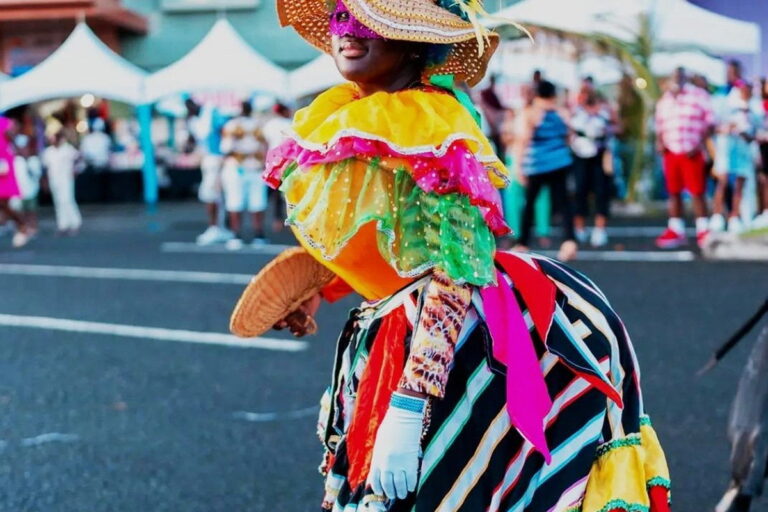
    Tobago Carnival is an annual festival held on the island of Tobago in the Republic of Trinidad and Tobago. The carnival takes place in the weeks leading up to Ash Wednesday, which falls in February or March each year.

    The Tobago Carnival is a vibrant celebration of music, dance, and culture, with a focus on the island’s unique traditions and heritage. The festival features colorful costumes, lively music, and energetic dance performances, with participants taking to the streets to dance and celebrate.

    The Tobago Carnival is a smaller and more intimate version of the larger Trinidad Carnival, which takes place on the neighboring island of Trinidad. However, the Tobago Carnival still attracts a large number of visitors and locals each year, with events including calypso competitions, steelpan performances, and a grand parade on Carnival Tuesday.

    One of the highlights of the Tobago Carnival is the traditional J’Ouvert celebration, which takes place in the early hours of Carnival Monday. During J’Ouvert, participants cover themselves in mud, paint, and powder as they dance through the streets to the beat of steel drums and soca music.

    The Tobago Carnival is a lively and colorful celebration of Tobago’s culture and heritage, and is a must-see event for anyone visiting the island during the Carnival season.

  • | | |

    Buccoo Reef & Nylon Pool

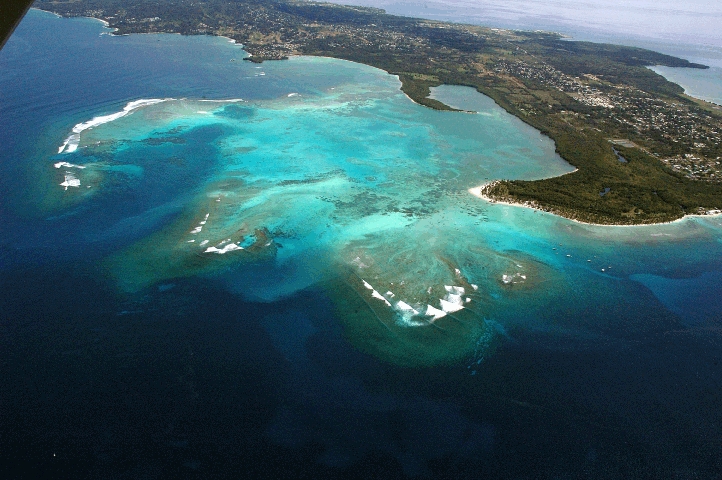
    Buccoo Reef is a popular tourist destination located on the northwest coast of the island of Tobago, which is part of the Republic of Trinidad and Tobago. The reef is a protected marine park and is one of the largest coral reefs in Tobago.

    Visitors can take glass-bottom boat tours to view the stunning array of marine life and coral formations that make up the reef. Snorkeling and scuba diving are also popular activities in the area. The nearby Nylon Pool, a shallow crystal-clear pool in the middle of the ocean, is another popular attraction.

    In addition to its natural beauty, the Buccoo Reef area is known for its vibrant culture and nightlife, with the Sunday School street party being a particularly popular event.

    Overall, Buccoo Reef is a must-visit destination for anyone traveling to Tobago, offering a unique blend of natural beauty, adventure, and culture.

    • Size –  2.7 mi²
    • Type – Fringing Coral Reef
    • Largest in Tobago
    • Nylon Pool
    • Coral Gardens
    • Bon Accord Lagoon
    • Reef boat tours
    • Snokelling
    • No mans land

    The reef borders with the Bon Accord Lagoon, together they create an important and complex marine habitat for hundreds of sea and land creatures and for the livelihood of many people living on the island.

  • International Airport – TAB

    Tobago has one main international airport, the Arthur Napoleon Raymond Robinson International Airport (TAB), which is located on the southwestern coast of the island, near the town of Crown Point.

    The airport is named after the former Prime Minister of Trinidad and Tobago, and it is the smaller of the two international airports in the country, with the Piarco International Airport in Trinidad being the larger one.

    TAB serves as a hub for several regional airlines, including Caribbean Airlines and LIAT, and it offers flights to destinations throughout the Caribbean, as well as to North America and Europe.

  • |

    Easter Goat Racing Festival

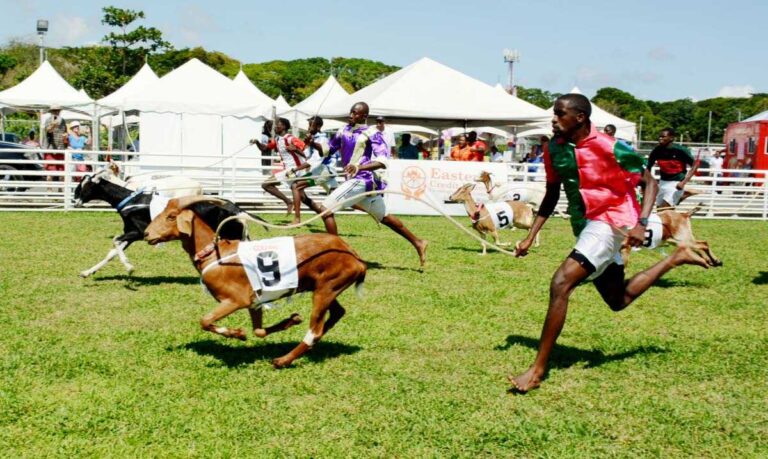
    The Tobago Goat Race is an annual event that takes place on the Caribbean island of Tobago. It is a unique cultural event that has been held for over a century and attracts both locals and visitors to the island.

    The Tobago Goat Race is essentially a type of goat-racing event, where trained goats compete against each other in a race. The goats are typically bred and trained specifically for this purpose and are often adorned with colorful costumes and decorations.

    Goat Racing – Buccoo Tobago

    The event usually takes place in Buccoo, a small fishing village on the island’s west coast. It is a day-long celebration that includes food, music, and other cultural activities in addition to the goat races.

    The Tobago Goat Race is not only a fun and entertaining event, but it is also an important part of Tobago’s cultural heritage. It is a way for the islanders to celebrate their traditions and showcase their unique way of life to the world. If you happen to be in Tobago during the event, it is definitely worth checking out!

    Easter Tuesday
    Buccoo, a small seaside village on the southwest coast of Tobago, has hosted goat racing since 1925. Goat racing developed as a poor man’s equivalent to horse racing In the early twentieth-century, since horse racing was reserved for the local elite. Since horse racing traditionally occurred on the Monday after Easter Sunday, Easter Tuesday was chosen to run goat races by the Buccoo Goat Race Festival Committee, a sub-committee of the Buccoo Village Council, that organises the event annually.

    Easter Monday
    The village of Mt. Pleasant is also hosts to the goat racing festival which occurs on Easter Monday. A large gathering of family, friends and acquaintances also adds to the event’s popularity and attendance on the day.

  • Buccoo, Tobago

    Buccoo is a small village located on the western coast of Tobago, which is a small island in the southern Caribbean Sea. It is known for its beautiful beaches, coral reefs, and scenic coastal views. Here are some of the things you can see and do in Buccoo:

    1. Buccoo Reef: This is one of the most popular attractions in Buccoo. It is a protected marine park that is home to a diverse range of marine life, including colorful coral reefs, sea turtles, and tropical fish. You can take a glass-bottom boat tour or go snorkeling to explore the reef.
    2. Pigeon Point Beach: This is one of the most beautiful beaches in Tobago, with crystal-clear water and soft white sand. It is a great spot for swimming, sunbathing, and relaxing.
    3. Buccoo Bay: This is another beautiful beach located in Buccoo. It is a great spot for swimming, snorkeling, and fishing. You can also rent a beach chair and umbrella to relax in the shade.
    4. Nylon Pool: This is a shallow natural pool located in the middle of the ocean, near Buccoo Reef. The water is crystal clear and warm, and it is said to have healing properties. You can take a boat tour to visit Nylon Pool and swim in the refreshing water.
    5. Sunday School: This is a weekly street party that takes place in Buccoo every Sunday night. It is a lively event with music, food, and dancing, and it is a great way to experience the local culture.

    These are just a few of the many things to see and do in Buccoo, Tobago. The village is a popular destination for tourists, and it offers a wide range of activities for visitors of all ages.

    Local Amenities

    • Supermarket/Shops
    • Dining Restaurants/Bars
    • Guesthouses
    • Play ground
    • Beach/Reef
    • Turtle Nesting
    • Public Transport
    • Horse Riding
    • Reef Tours
    • Fish Market
    • Bakeries
    • Primary School