| | |

Buccoo Reef & Nylon Pool

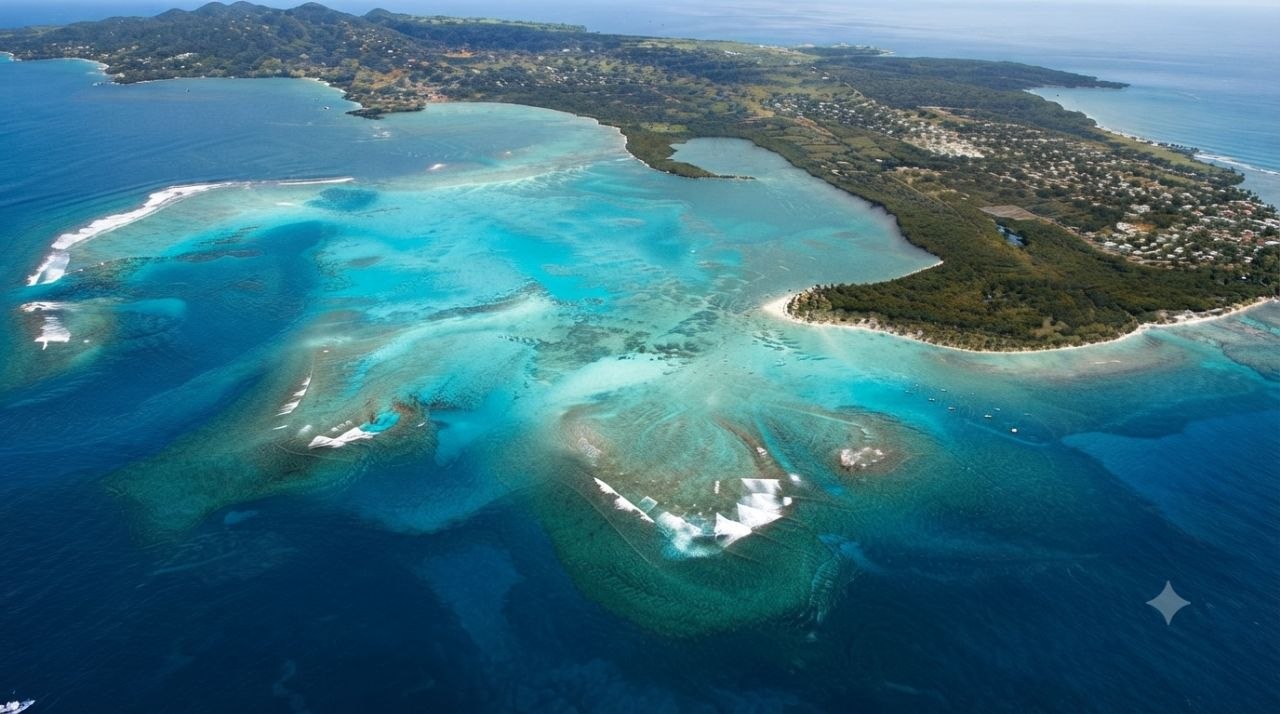
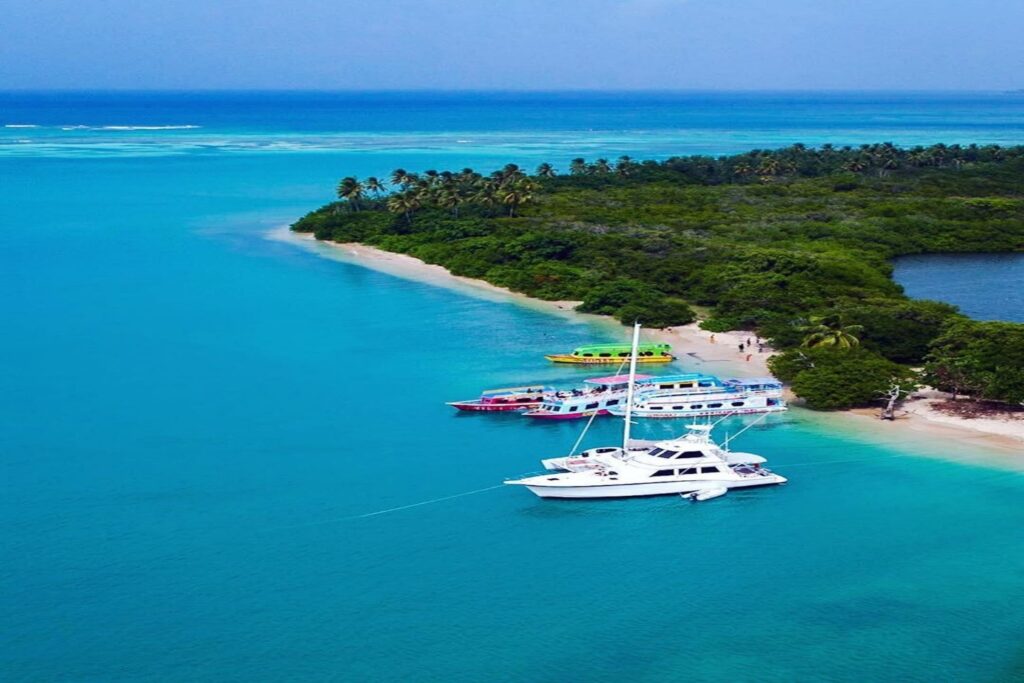
Buccoo Reef is a popular tourist destination located on the northwest coast of the island of Tobago, which is part of the Republic of Trinidad and Tobago. The reef is a protected marine park and is one of the largest coral reefs in Tobago.

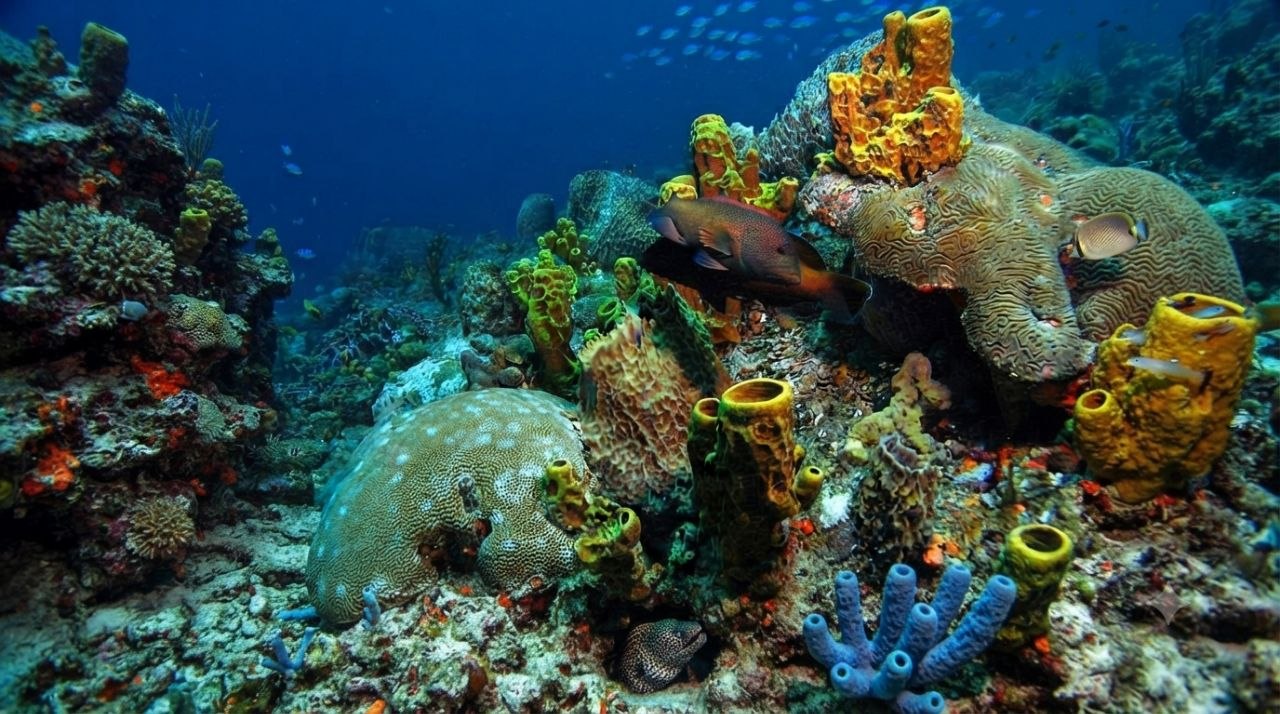
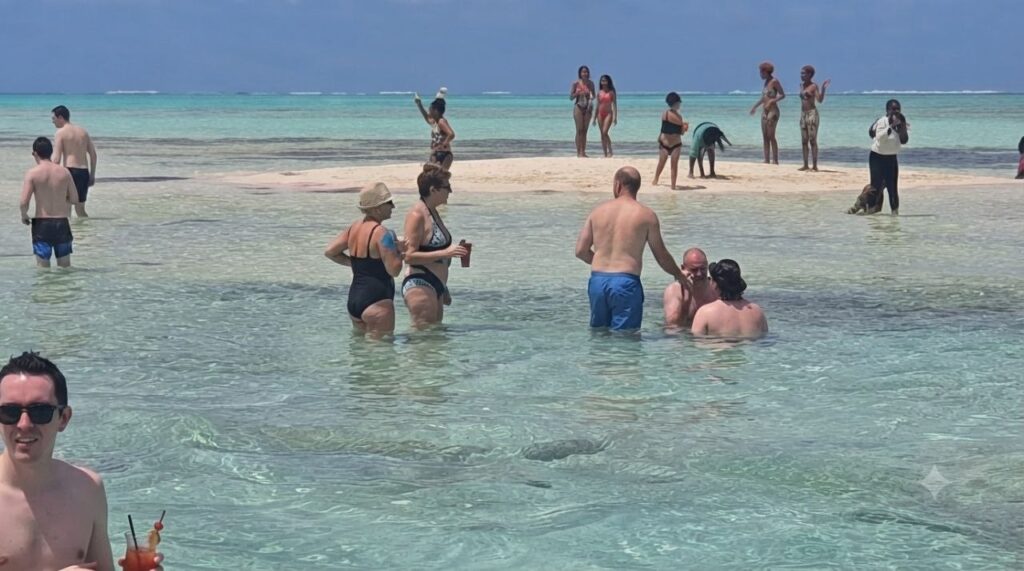
Visitors can take glass-bottom boat tours to view the stunning array of marine life and coral formations that make up the reef. Snorkeling and scuba diving are also popular activities in the area. The nearby Nylon Pool, a shallow crystal-clear pool in the middle of the ocean, is another popular attraction.

In addition to its natural beauty, the Buccoo Reef area is known for its vibrant culture and nightlife, with the Sunday School street party being a particularly popular event.

Overall, Buccoo Reef is a must-visit destination for anyone traveling to Tobago, offering a unique blend of natural beauty, adventure, and culture.

  • Size –  2.7 mi²
  • Type – Fringing Coral Reef
  • Largest in Tobago
  • Nylon Pool
  • Coral Gardens
  • Bon Accord Lagoon
  • Reef boat tours
  • Snokelling
  • No mans land

The reef borders with the Bon Accord Lagoon, together they create an important and complex marine habitat for hundreds of sea and land creatures and for the livelihood of many people living on the island.

Related Guides

  • | |

    Pigeon Point

    Pigeon Point is a popular beach and tourist destination located on the southwestern tip of Tobago, which is an island in the southern Caribbean Sea and part of the nation of Trinidad and Tobago.

    The beach is known for its soft white sand, crystal-clear waters, and scenic views of the nearby Buccoo Reef. The area has been developed into a beach resort with facilities such as restaurants, bars, changing rooms, and water sports equipment rentals, including kayaks, paddleboards, and jet skis.

    Pigeon Point is also a popular spot for snorkeling and scuba diving due to its proximity to the Buccoo Reef, which is home to a diverse array of marine life. The beach is accessible by car or taxi from the nearby Crown Point area.

    Pigeon Point is one of the island’s most known beach.
    The entire peninsula is also known as Pigeon Point Heritage Park.

    • Life guards
    • Security
    • Cabanas
    • Water sports
    • Shops
    • Restaurant & Bar
    • Entrance fee – $20.00 TTD for Adults, Kids $10.00 TTD
      under 6 yrs – free
  • Pleasant Prospect

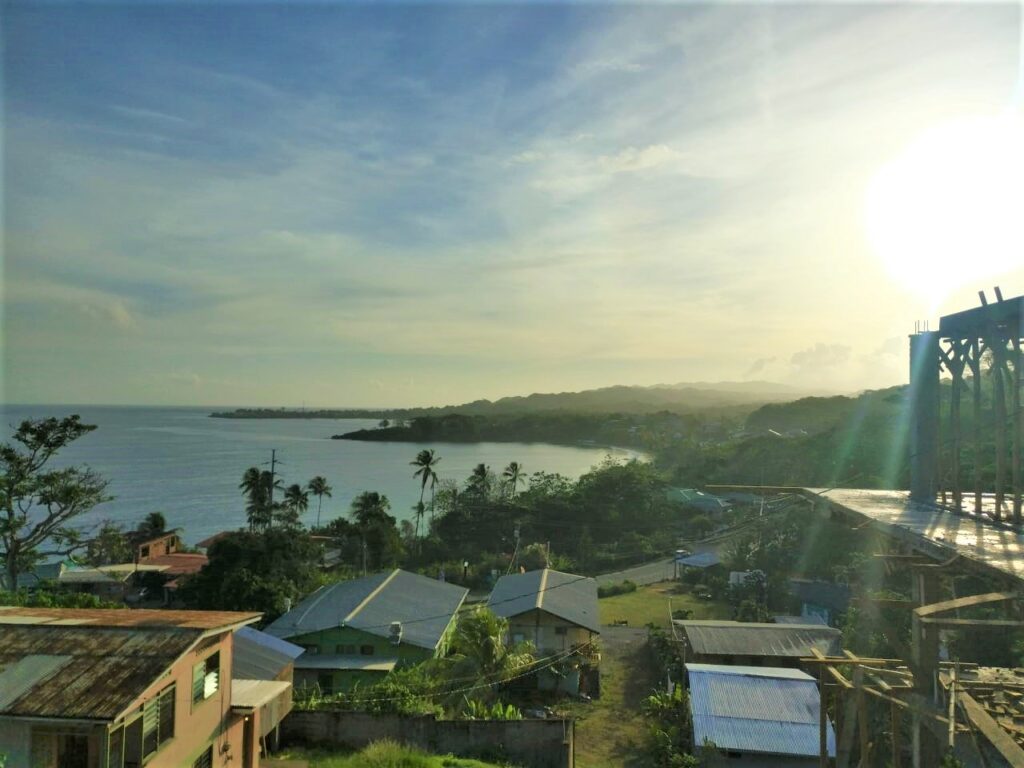
    Pleasant Prospect is a small hilly village, located between three popular bays, Mt. Irvine Bay, Back bay (Rockly Point) and Stone-haven bay, also known as Grafton bay. The village also borders the caledonian sanctuary and nature reserve.

    Local Amenities

    • Grocery Shops
    • ATM Bank Machine
    • Restaurants
    • Bars
    • Guesthouses
    • Small Play ground
    • Beaches
    • Turtle Nesting
    • Public Transport
    • Nature Reserve
    • Mountain-bike Tours
    • Pizza Boys

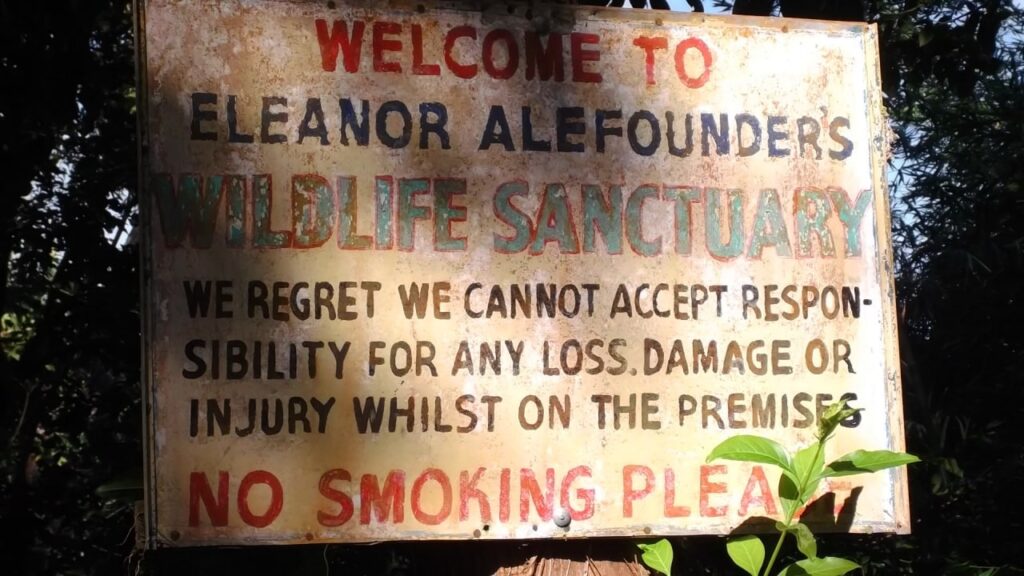
    Grafton Caledonia Wildlife Sanctuary

    The bird sanctuary is no longer maintained but bird feeding by the caretaker can sometimes be observed. The entire nature reserve comprises over 200 acres of protected land that was formally part of a coco estate owned by Eleanor Alefounder. The main purpose of the nature reserve is to promote the native flora and fauna of the island.

    Mt Irvine Bay

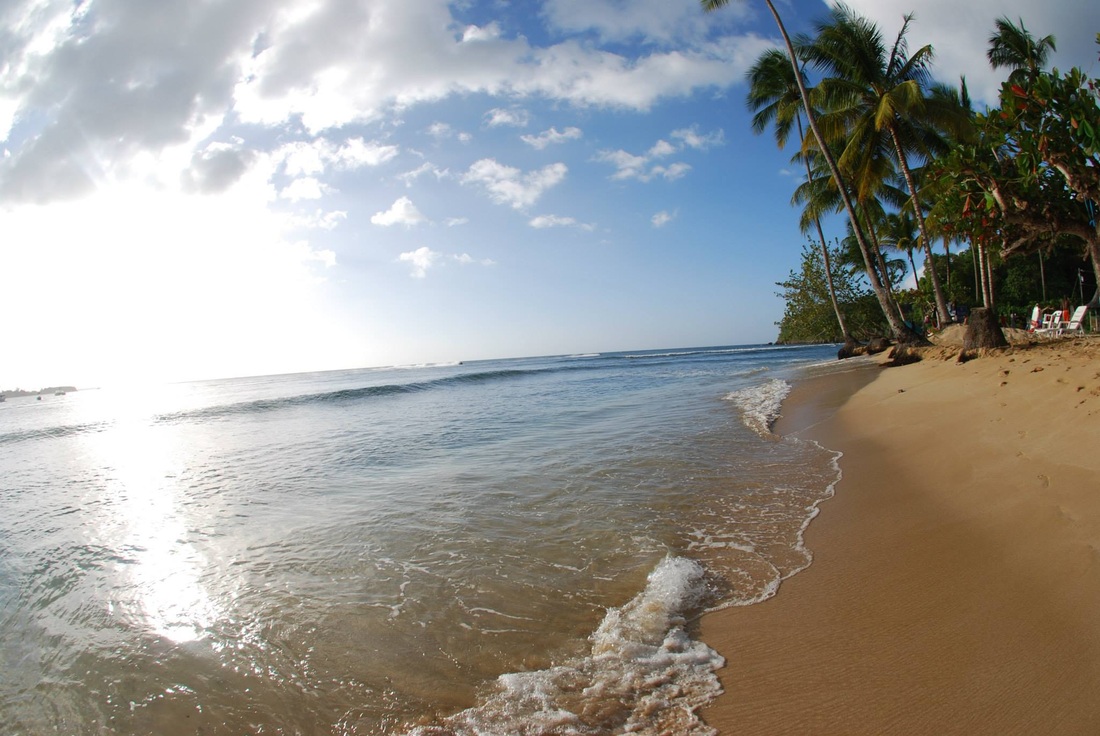
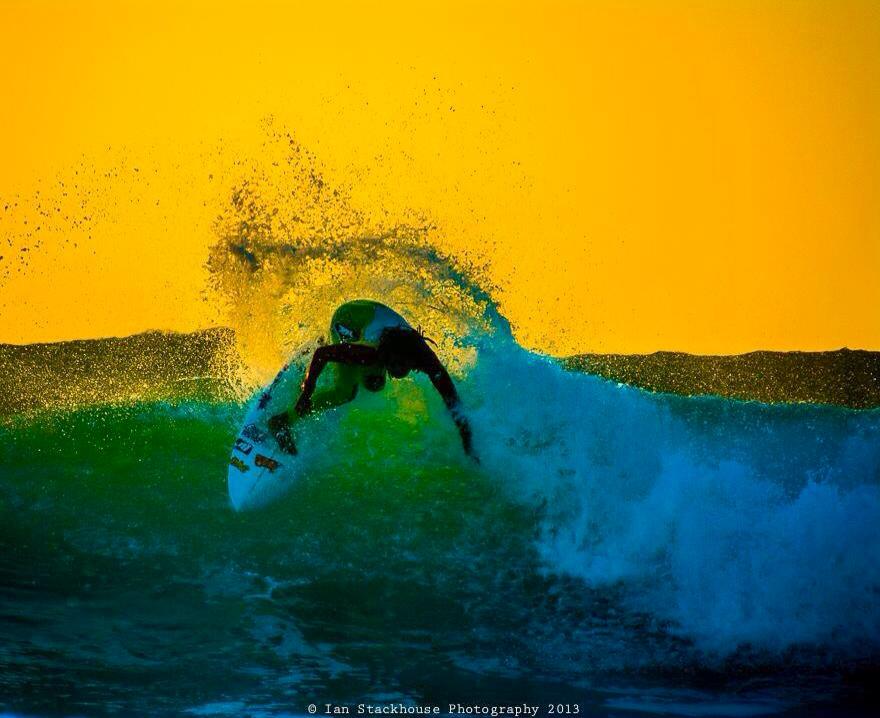
    Mt. Irvine bay is very popular beach in Tobago for locals and vistors, and especially surfers. There are cabanas, food outlets, beach bar and a fish market and well as a beach facility with security and lifeguards.The bay is part of the extended Buccoo Reef System with small patches of coral reefs that are great for snorkelling and the Mt. Irvine Wall for scuba diving. Mt. irvine is the most popular Surfing spot in tobago with a Right Break over coral rock bed.

    Stone Haven Bay (Grafton Bay)

    Stone Haven Bay is also know as Grafton Bay is a popular sea turtle nesting site and home to the Grafton Resort and Waves restaurant and bar. This bay is popular with large groups and for exercising. Seine pulling (Net fishing) can be observed at times. No facility, security or lifegurds available.

    Back Bay (Rocky Point)

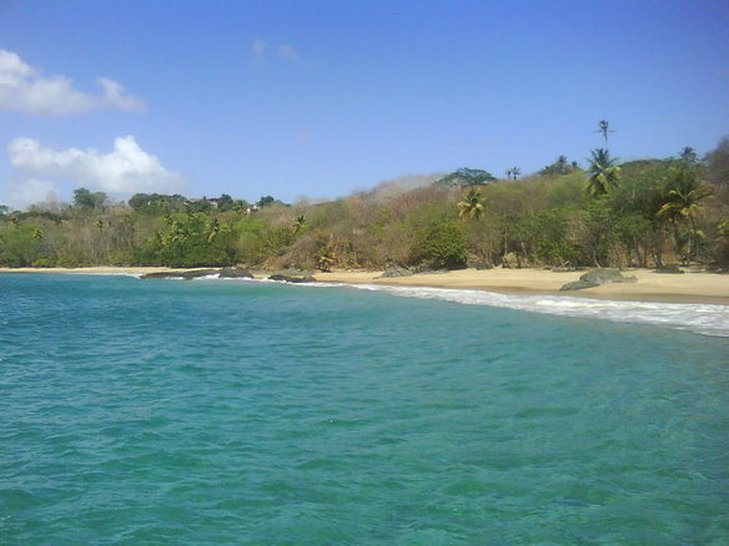
    Back bay which is officially known and Rocky Point is a beautiful semi-secluded bay that is popular for nesting leatherback and hawksbill sea turtles. Back bay is very scenic but the waters can get very strong with big waves and powerful currents. The bay is popular with families, beach limes and couples. No facility, security or life guards available.

    Links

  • | |

    Little Tobago

    Little Tobago is a small island located off the northeast coast of Tobago, which is itself an island in the southern Caribbean Sea and part of the nation of Trinidad and Tobago. Little Tobago is also known as Bird of Paradise Island, due to its abundance of exotic birds, including the red-billed tropicbird, the white-tailed sabrewing hummingbird, and the magnificent frigatebird.

    The island is home to a bird sanctuary and nature reserve, and is a popular destination for birdwatchers and eco-tourists. It is accessible by boat from the village of Speyside on Tobago’s main island.

    The island is popular for

    • Naturalists
    • Bird-watching
    • Angel reef
    • Scuba diving
    • Glass-bottom boat tours

    Angel reef is also a popular site around the island for divers and glass-bottom boat tours.

    The largest brain coral in the caribbean is also located on the reef system.

    The island is an important breeding site for seabirds such as red-billed tropicalbird, bridled terns and many more.

  • Amerindian Tribes

    Tobago was home to several Amerindian tribes before the arrival of Europeans. These tribes included the Arawaks, Caribs, and Waraos.

    The Arawaks were the first known inhabitants of Tobago, and they arrived on the island around 500 AD. They were a peaceful people who lived off the land through fishing, hunting, and farming. They constructed homes made of wood and thatch, and their society was organized into clans and governed by a chief.

    The Caribs, who were known for their aggressive nature, arrived on Tobago sometime in the 14th century, and they quickly established dominance over the Arawaks. They were skilled warriors and seafarers, and they used Tobago as a base for raiding nearby islands.

    The Waraos, who were a seafaring people from the Orinoco Delta region of present-day Venezuela, also visited Tobago regularly for fishing and trading.

    The arrival of European explorers and colonizers in the 16th century brought significant changes to Tobago’s indigenous population. The Spanish, French, Dutch, and British all established settlements on the island at various times, and they often used force to subjugate and exploit the native population. Many Amerindians were enslaved or forced to work on plantations, and their culture and way of life were eroded over time.

    Today, there are few remaining traces of Tobago’s indigenous population, although some place names and archaeological sites serve as reminders of the island’s rich pre-colonial history. The Tobago Museum in Scarborough also has exhibits and information on the island’s indigenous peoples

  • |

    Scarborough

    Scarborough is the capital city of Tobago, a small island nation in the Caribbean. Located on the southwestern coast of Tobago, Scarborough is home to approximately 17,000 people and serves as the administrative and economic center of the island.

    One of the main attractions in Scarborough is Fort King George, a historic fortification that was built by the British in the 18th century. Today, the fort houses several museums and galleries that showcase the island’s history and culture.

    Scarborough is also home to the Market where visitors can purchase fresh produce, local crafts, and other goods. The city is also known for its lively nightlife, with numerous bars, restaurants, and nightclubs offering a range of entertainment options.

    Other notable attractions in Scarborough include the Botanical Gardens.
    With its mix of history, culture, and natural beauty, Scarborough is a must-visit destination for anyone traveling to Tobago.

    Scarborough became the capital of Tobago in 1769. Scarborough’s deepwater harbour was built in 1991; before that ships would anchor offshore. The estimated population of Scarborough is approximately ~18K.

    Local Amenities

    • Coast Guard. Police. Fire Services
    • Public Washrooms
    • Public Library 
    • Health Center
    •  Ferry Service
    •  Schools
    • Guesthouses
    • Security
    • Local Market
    • Restuarants & Bars
    • Food Vendors/Craft shops
    • Public Transport
    • Off Road Parking
    • Banks and Credit Unions
    • Supermarkets, stores, hardwares

    Battle of Scarborough 1677 – Before being called Scarborough, the area was called Lampinsburg by the dutch with the bay of Scarborough being called Lampins bay also known as Roquely Bay (Rockly Bay). The Dutch built a fort on top of a nearby hill which is known today as Dutch fort hill in down town Scarborough. In February and December of 1677, the Dutch and French both wanted control of Tobago which lead to a bloody battle in Scarborough bay and on dutch fort hill which resulted in the death of thousands, including French and Dutch women and children and African slaves. Three hundreds years later and the remains of up to 20 warships and their undiscovered artifacts are still in the muddy bottom of what is now Scarborough harbor.

  • |

    Glass Bottom Boats

    Glass bottom boats are a popular way to explore the beautiful waters surrounding Tobago. These boats have a clear glass panel in the bottom that allows passengers to view the underwater world without getting wet.

    There are several tour operators in Tobago that offer glass bottom boat tours. Some of the popular glass bottom boat tours include:

    1. Buccoo Reef and Nylon Pool Tour: This tour takes you to the Buccoo Reef, which is home to a variety of marine life, including colorful corals, fish, and sea turtles. After exploring the reef, the tour stops at Nylon Pool, a shallow sandbar in the middle of the ocean, where you can swim and snorkel.
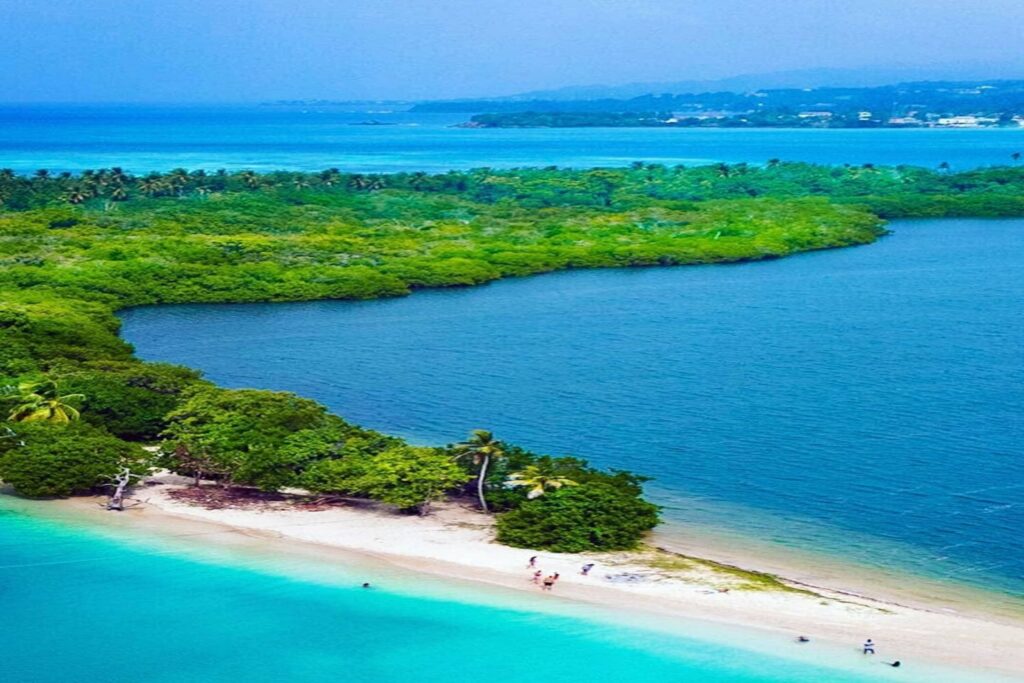
    2. Store Bay Reef Tour: This tour takes you to the Store Bay Reef, which is located close to the shore and is known for its vibrant marine life. The tour also includes a stop at the No Man’s Land beach, where you can relax and swim in the calm waters.
    3. Glass Bottom Boat Adventure Tour: This tour takes you on a scenic journey along Tobago’s coastline, where you can admire the beautiful scenery and view the marine life through the glass bottom boat.

    The glass bottom boat tours in Tobago are a fun and exciting way to explore the underwater world without getting wet.

Leave a Reply