International Airport – TAB

Tobago has one main international airport, the Arthur Napoleon Raymond Robinson International Airport (TAB), which is located on the southwestern coast of the island, near the town of Crown Point.

The airport is named after the former Prime Minister of Trinidad and Tobago, and it is the smaller of the two international airports in the country, with the Piarco International Airport in Trinidad being the larger one.

TAB serves as a hub for several regional airlines, including Caribbean Airlines and LIAT, and it offers flights to destinations throughout the Caribbean, as well as to North America and Europe.

Related Guides

  • 10 Reasons Why You Should Experience Tobago

    1. Beautiful Beaches

    Tobago is home to some of the most stunning beaches in the Caribbean, with clear turquoise waters and white sandy shores. Popular beaches include Pigeon Point, Store Bay, Buccoo, Mt. Irvine and Englishman’s Bay.

    2. Biodiversity

    Black pelicans

    Tobago boasts a rich and diverse ecosystem with over 200 species of birds, marine life, and lush rainforests to explore. The island is also home to the world’s oldest protected rainforest reserve, the Main Ridge Forest Reserve.

    3. Snorkeling and Diving

    Tobago’s clear waters and coral reefs offer incredible snorkeling and diving opportunities, with colorful fish and marine life to discover. Buccoo Reef is one of the most popular spots for snorkeling and diving.

    4. Watersports

    andre surfing in mt. irvine tobago

    Tobago is a great place to enjoy water sports such as windsurfing, kiteboarding, surfing kayaking, and stand-up paddleboarding.

    5. Culture and History

    Tobago has a rich cultural history, with a mix of African, European, and Caribbean influences. There are several historical sites to explore, including Fort King George, the Tobago Museum, and the Heritage Park.

    6. Food

    Tobago’s cuisine is a fusion of African, Indian, and European influences, with fresh seafood and spices being a staple. Some must-try dishes include curried crab and dumplings, callaloo soup, and bake and shark.

    7. October Carnival

    Tobago’s Carnival is a vibrant celebration of music, dance, and color, with colorful costumes and energetic traditional performances. It’s separate and smaller from the main Trinidad Carnival. It’s and is usually held in late October (Oct 30–Nov 1, 2026) in Scarborough and other areas around the island. It features Jouvert (morning paint/mud mas), traditional characters, steelpan, and intense street parades of bands and people.

    8. Relaxation

    Tobago is a great place to relax and unwind, with many secluded beaches and tranquil spots to enjoy. Some popular spots include Pleasant Prospect, Charlotteville, Castara, and Speyside.

    9. Wildlife

    Tobago is home to a variety of wildlife, including the Tobago hummingbird, the Cocrico, and the endangered leatherback sea-turtle. There are several nature reserves and sanctuaries to visit, including the Tobago Cocoa Estate and the Little Tobago Island Bird Sanctuary.

    10. Hospitality

    Tobago is known for its warm and friendly people, who are always ready to welcome visitors and make them feel at home. The island’s laid-back and welcoming atmosphere is one of its biggest draws.

  • Crown Point

    Crown Point is a town located on the southwestern coast of the island of Tobago, which is part of the twin-island Republic of Trinidad and Tobago in the Caribbean. It is a popular tourist destination known for its beautiful beaches, clear waters, and vibrant nightlife.

    Some of the popular attractions in Crown Point include Pigeon Point Beach, Store Bay Beach, and Buccoo Reef. Pigeon Point is considered one of the most beautiful beaches in Tobago, with its long stretch of white sand and crystal-clear waters. Store Bay Beach is also a popular spot for swimming, sunbathing, and water sports, while Buccoo Reef is a must-see for snorkeling and diving enthusiasts.

    Crown Point is also known for its nightlife, with numerous bars, clubs, and restaurants catering to both locals and tourists. The town is easily accessible from the island’s main airport, Arthur Napoleon Raymond Robinson International Airport, making it a convenient destination for visitors.

  • | |

    Argyle Waterfall

    Argyle Waterfall is a beautiful natural attraction located in the eastern part of Tobago, which is part of the Republic of Trinidad and Tobago. It is a popular spot for tourists and locals alike who want to experience the island’s natural beauty.

    The waterfall is situated in a lush rainforest setting, and visitors can take a short hike through the forest to reach the waterfall. The hike is not particularly challenging, but it does involve some steep inclines and rocky terrain, so it is important to wear sturdy shoes and bring plenty of water.

    The waterfall itself is approximately 175 feet tall and cascades into a deep pool below, where visitors can swim and cool off in the refreshing waters. The surrounding forest is also home to a variety of wildlife, including birds and butterflies, making it an ideal destination for nature lovers.

    Overall, the Argyle Waterfall is a must-visit attraction for anyone traveling to Tobago, offering a unique opportunity to experience the island’s natural beauty and explore its lush rainforest environment.

    • The waterfall is located in the area of Roxborough – on the eastern side of Tobago – ‘country side’.
    • Argyle is high multidrop waterfall on the edge of the rain-forest rising over 160ft high.
    • It takes about 15-20 minutes walking along the trail from the entrance to the base of the waterfall.
    • There is a paid entry fee of $60 TTD for visitors.
    • A small bar with snacks and a toilet facility (no shower) is available.
    • Guides are available for hire.

    The waterfall pools can be deep – take caution if swimming!

  • Buccoo, Tobago

    Buccoo is a small village located on the western coast of Tobago, which is a small island in the southern Caribbean Sea. It is known for its beautiful beaches, coral reefs, and scenic coastal views. Here are some of the things you can see and do in Buccoo:

    1. Buccoo Reef: This is one of the most popular attractions in Buccoo. It is a protected marine park that is home to a diverse range of marine life, including colorful coral reefs, sea turtles, and tropical fish. You can take a glass-bottom boat tour or go snorkeling to explore the reef.
    2. Pigeon Point Beach: This is one of the most beautiful beaches in Tobago, with crystal-clear water and soft white sand. It is a great spot for swimming, sunbathing, and relaxing.
    3. Buccoo Bay: This is another beautiful beach located in Buccoo. It is a great spot for swimming, snorkeling, and fishing. You can also rent a beach chair and umbrella to relax in the shade.
    4. Nylon Pool: This is a shallow natural pool located in the middle of the ocean, near Buccoo Reef. The water is crystal clear and warm, and it is said to have healing properties. You can take a boat tour to visit Nylon Pool and swim in the refreshing water.
    5. Sunday School: This is a weekly street party that takes place in Buccoo every Sunday night. It is a lively event with music, food, and dancing, and it is a great way to experience the local culture.

    These are just a few of the many things to see and do in Buccoo, Tobago. The village is a popular destination for tourists, and it offers a wide range of activities for visitors of all ages.

    Local Amenities

    • Supermarket/Shops
    • Dining Restaurants/Bars
    • Guesthouses
    • Play ground
    • Beach/Reef
    • Turtle Nesting
    • Public Transport
    • Horse Riding
    • Reef Tours
    • Fish Market
    • Bakeries
    • Primary School
  • |

    Bloody Bay

    Bloody Bay is a beautiful beach located on the northern coast of Tobago, an island in the southern Caribbean. The beach is named after a historical event that is said to have taken place there during the colonial period.

    Legend has it that the bay was the site of a bloody battle between French and British forces in the late 18th century. The battle was said to have been so fierce that the waters of the bay turned red with blood, hence the name “Bloody Bay.”

    Today, however, the beach is a tranquil and picturesque spot that is popular with tourists and locals alike. The soft white sand and clear turquoise waters make it an ideal spot for swimming, sunbathing, and snorkeling. The beach is surrounded by lush vegetation, and there are several palm trees that provide shade and add to the idyllic atmosphere.

    In addition to its natural beauty, Bloody Bay is also known for its excellent seafood. There are several restaurants and food stalls located near the beach that serve fresh fish, lobster, and other local specialties.

    Overall, Bloody Bay is a must-visit destination for anyone traveling to Tobago, whether for its history or its stunning natural beauty.

  • Tobago

    Tobago is a beautiful Caribbean island located in the southern part of the Lesser Antilles. It is one of the two main islands that make up the Republic of Trinidad and Tobago, a country in the Caribbean Sea. Tobago is located about 30 kilometers northeast of Trinidad and covers an area of approximately 300 square kilometers.

    The island is known for its beautiful beaches, lush rainforests, and unique culture. The capital of Tobago is Scarborough, which is also the largest town on the island. The island is home to a population of approximately 60,000 people, and the official language is English.

    Tobago has a rich history and is known for its colonial heritage. It was once a Dutch, French, and British colony before gaining independence in 1962. Today, Tobago is a popular tourist destination known for its stunning beaches, vibrant coral reefs, and diverse wildlife.

    Some of the popular attractions on the island include Pigeon Point Beach, Store Bay, Buccoo Reef, and Nylon Pool. Tobago is also home to several festivals throughout the year, including the Tobago Heritage Festival, Carnival, Buccoo Goat Race, and the Great Fete Weekend.

    Tourism is the main industry on the island, and there are plenty of accommodation options ranging from luxury resorts to budget guesthouses. Some of the popular activities for visitors include hiking in the rainforest, bird watching, beach hopping, and visiting historical sites like Fort King George.

    The local culture is vibrant and colorful, with music, dance, and festivals playing an important role in daily life. Some of the most popular festivals include the Tobago Jazz Experience, the Tobago Heritage Festival, and the Great Fete Weekend.

    Overall, Tobago is a beautiful and welcoming island that offers visitors a unique blend of natural beauty, history, and culture. It is a great destination for anyone looking to experience the Caribbean in a more authentic and off-the-beaten-path way.

    • Capital – Scarborough
    • People – ~70,000
    • Islands – 6
    • Villages – 36+
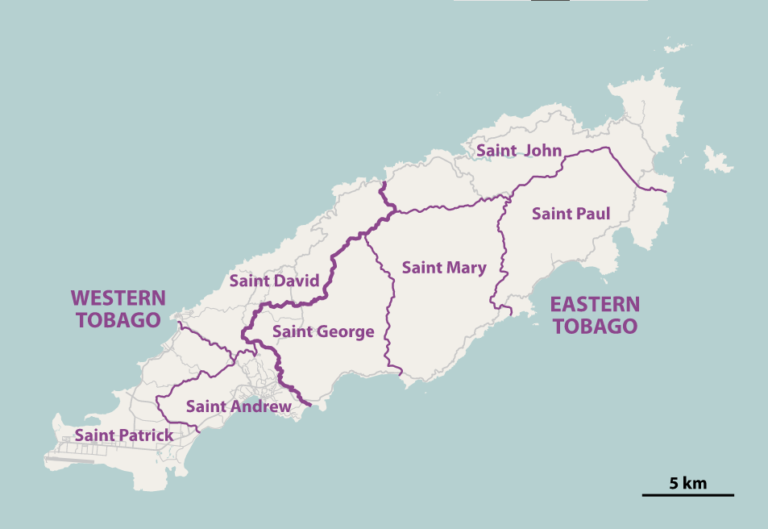
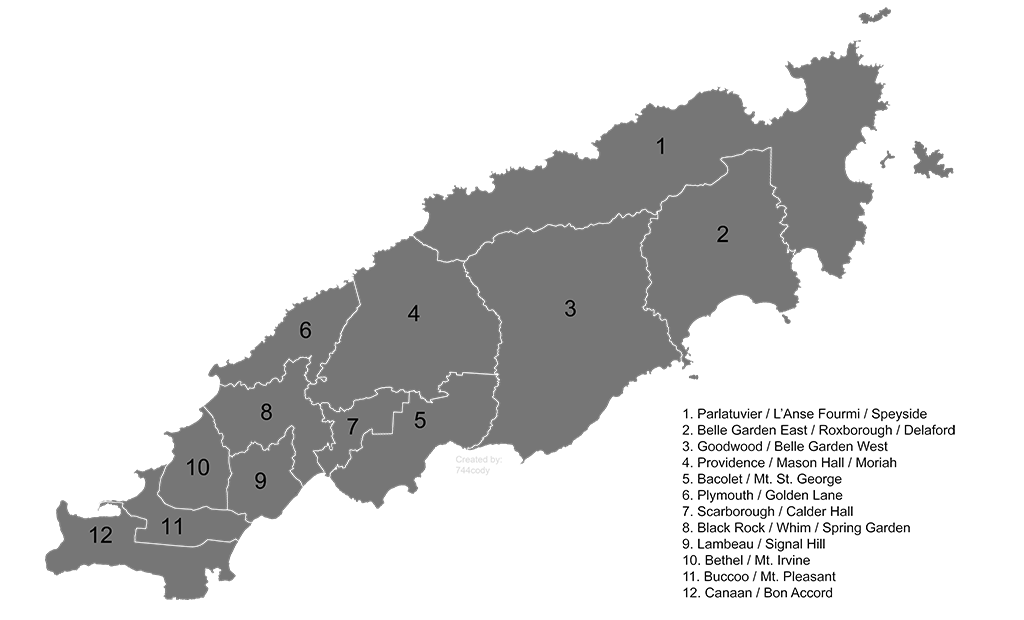
    • Districts – 15
    • Towns – 2

    • Length – 25.5 miles
    • Size – 116 mi²
    • Width – 7.5 miles
    • Latitude – 11.2337° N 
    • Longitude – 60.6989° W
    • 21 miles North-East of Trinidad.

    Climate and Geography

    In terms of climate, Tobago has a tropical climate with temperatures ranging from 24°C to 32°C throughout the year. The rainy (wet) season runs from June to December, but even during this time, the island still experiences plenty of sunshine.

    Tobago’s climate is pleasant all year round. It is cooler and less humid than Trinidad because of the more frequent northeast winds.

    Government and Population

    Since 1889, Tobago and Trinidad have shared the same government. In 1980 the Tobago House of Assembly (THA) was instituted and was made responsible for administrative governance within the island, with local governance remaining with the city and county councils. In 1987, full internal self-governance was granted to Tobago. The population is approximately 70,000, of which 80 % are of African decent. 

    History

    Tobago has a rich history, with evidence of human habitation dating back over 5,000 years. The Amerindian Arawaks and the Carib tribes also inhabited the island, before it was colonized by Europeans in the 16th century and became a center of sugar production.

    Tobago changed hands several times between the British and the French, and it was also briefly occupied by the Dutch and Spanish. Today, Tobago is part of an independent nation, but it still retains strong ties to the United Kingdom.