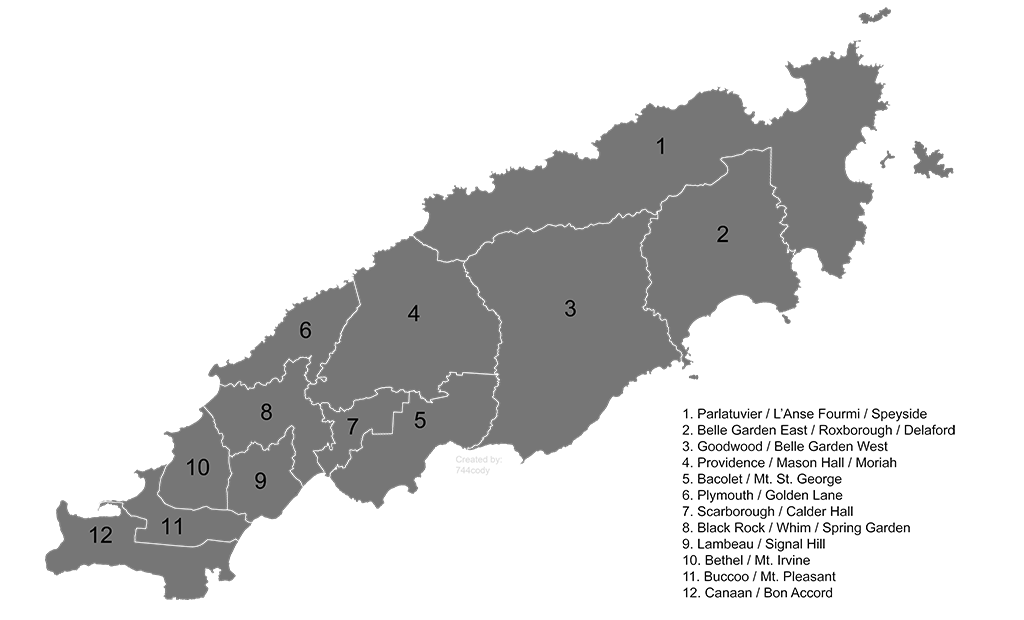
Buccoo Reef & Nylon Pool

| | |

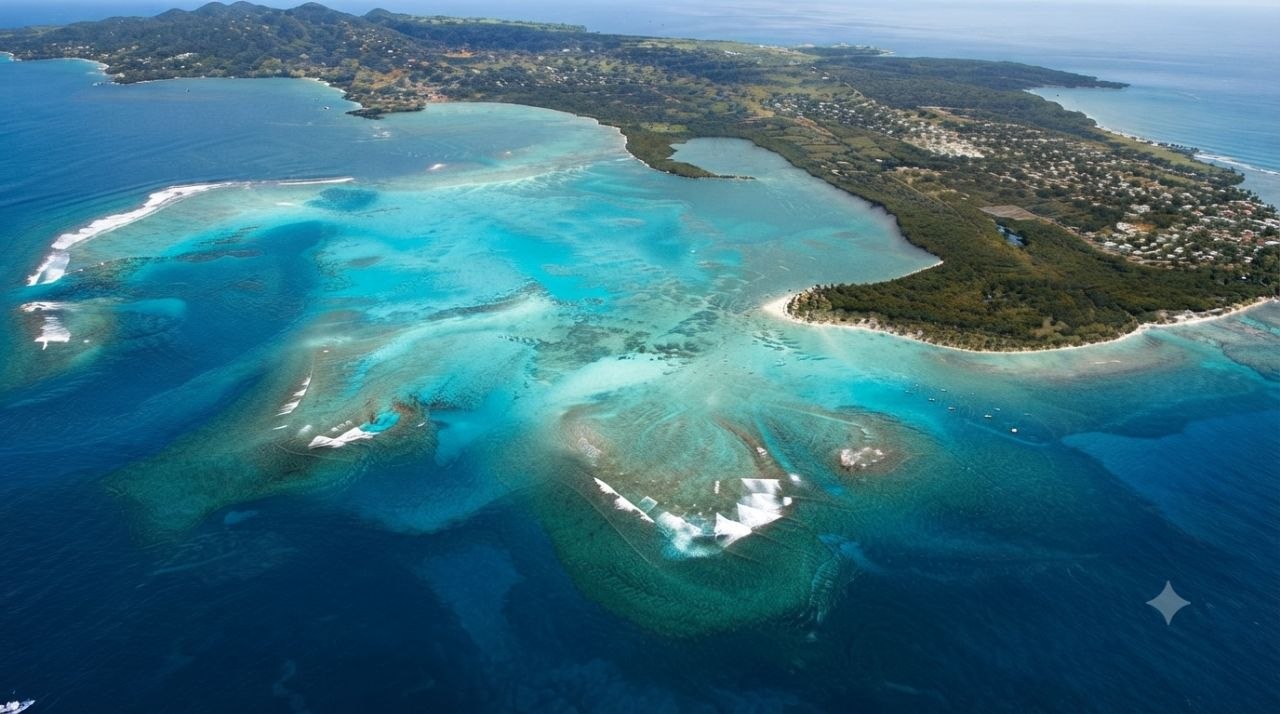
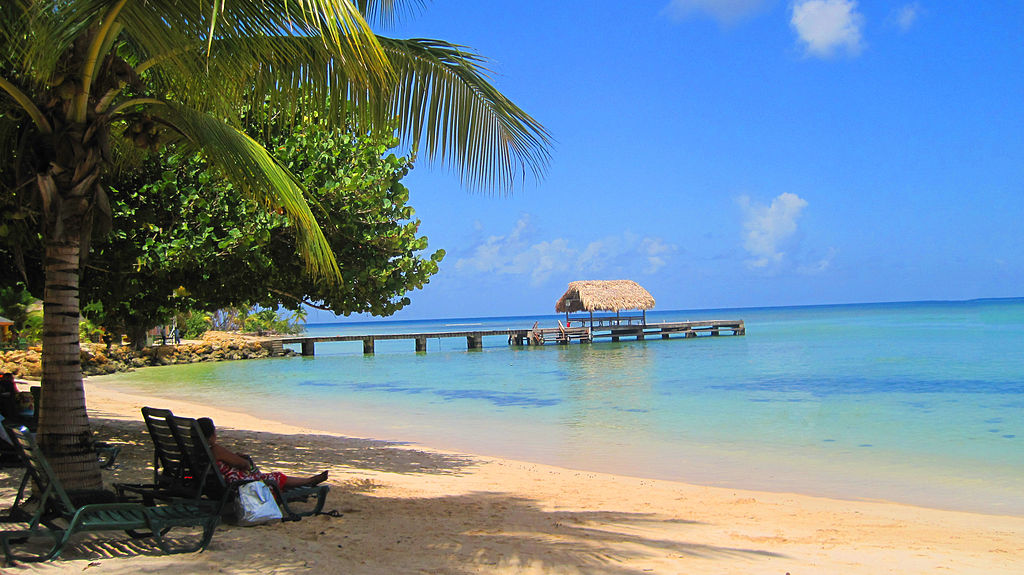
Buccoo Reef is a popular tourist destination located on the northwest coast of the island of Tobago, which is part of the Republic of Trinidad and Tobago. The reef is a protected marine park and is one of the largest coral reefs in Tobago.

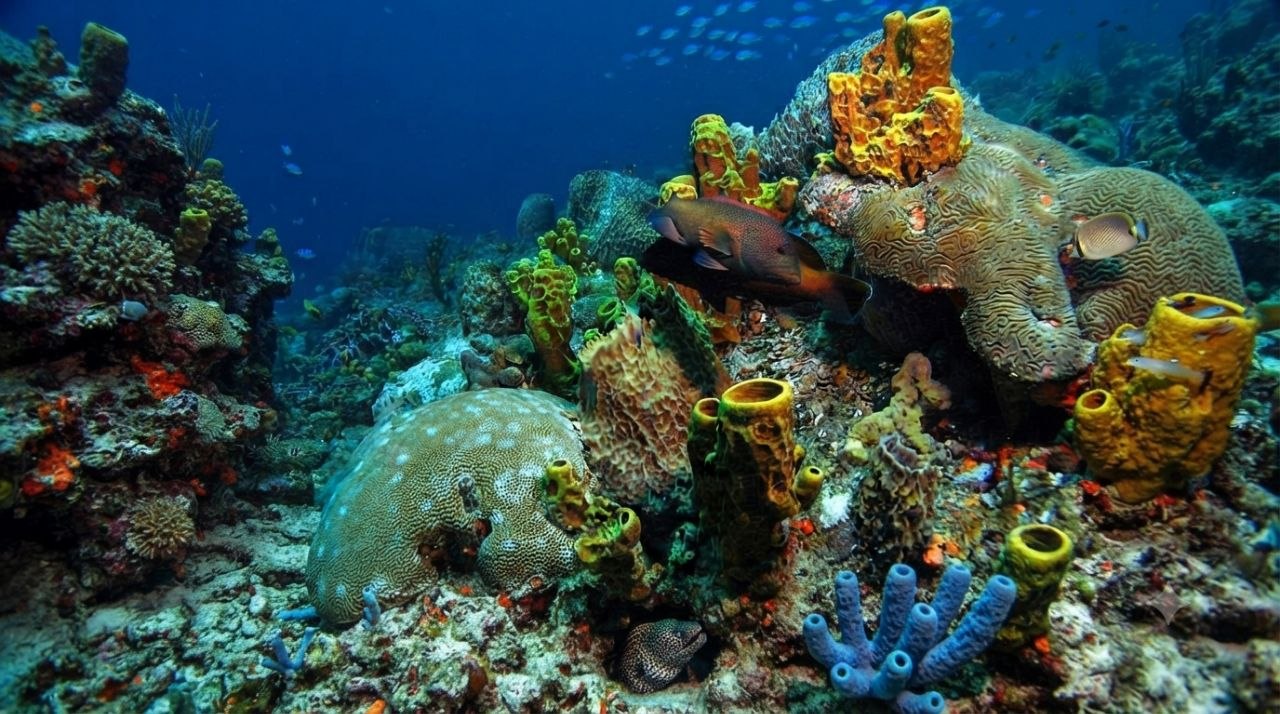
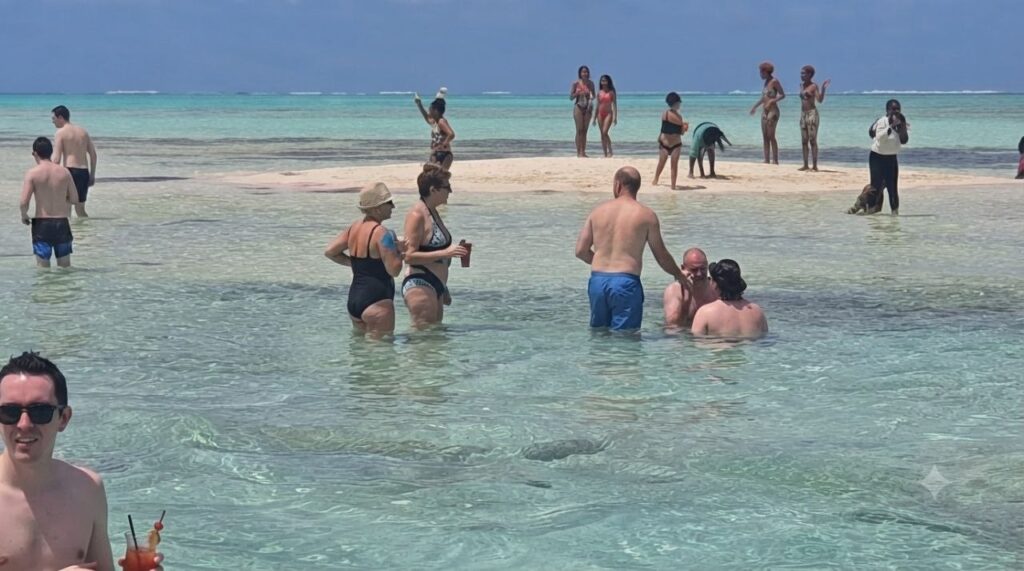
Visitors can take glass-bottom boat tours to view the stunning array of marine life and coral formations that make up the reef. Snorkeling and scuba diving are also popular activities in the area. The nearby Nylon Pool, a shallow crystal-clear pool off the shoreline, is another popular attraction.

Overall, Buccoo Reef is a must-visit destination for anyone traveling to Tobago, offering a unique blend of natural beauty, adventure, and culture.

  • Size –  2.7 mi²
  • Type – Fringing Coral Reef
  • Largest in Tobago
  • Nylon Pool
  • Coral Gardens
  • Bon Accord Lagoon
  • Reef boat tours
  • Snokelling
  • No mans land

The reef borders with the Bon Accord Lagoon, together they create an important and complex marine habitat for hundreds of sea and land creatures and for the livelihood of many people living on the island.

Related Guides

  • Pleasant Prospect

    Pleasant Prospect is a small hilly village, located between three popular bays, Mt. Irvine Bay, Back bay (Rockly Point) and Stone-haven bay, also known as Grafton bay. The village also borders the caledonian sanctuary and nature reserve.

    Local Amenities

    • Grocery Shops
    • ATM Bank Machine
    • Restaurants
    • Bars
    • Guesthouses
    • Small Play ground
    • Beaches
    • Turtle Nesting
    • Public Transport
    • Nature Reserve
    • Mountain-bike Tours
    • Pizza Boys

    Grafton Caledonia Wildlife Sanctuary

    The bird sanctuary is no longer maintained but bird feeding by the caretaker can sometimes be observed. The entire nature reserve comprises over 200 acres of protected land that was formally part of a coco estate owned by Eleanor Alefounder. The main purpose of the nature reserve is to promote the native flora and fauna of the island.

    Mt Irvine Bay

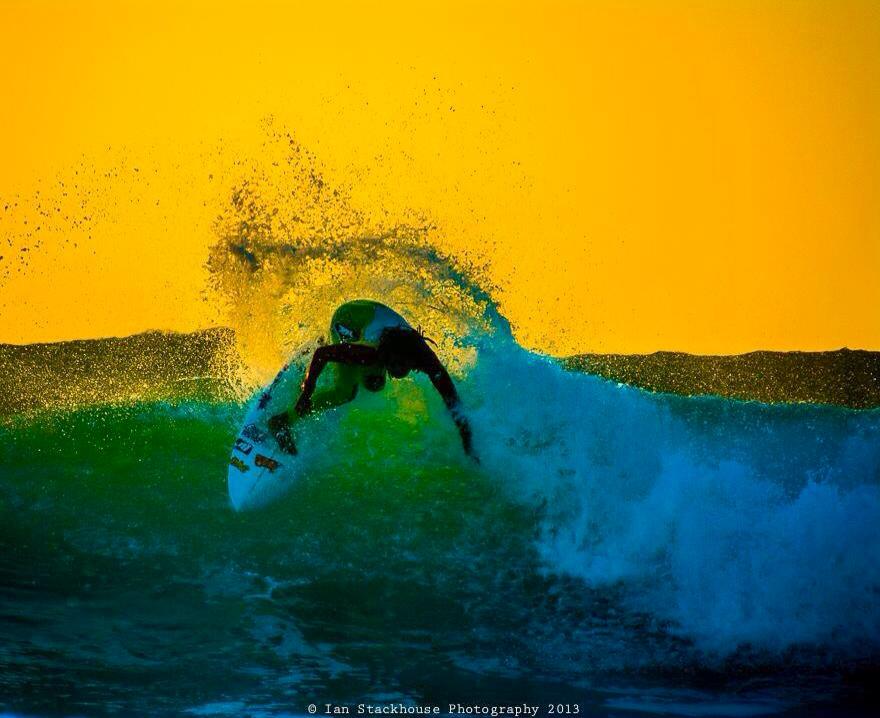
    Mt. Irvine bay is very popular beach in Tobago for locals and vistors, and especially surfers. There are cabanas, food outlets, beach bar and a fish market and well as a beach facility with security and lifeguards.The bay is part of the extended Buccoo Reef System with small patches of coral reefs that are great for snorkelling and the Mt. Irvine Wall for scuba diving. Mt. irvine is the most popular Surfing spot in tobago with a Right Break over coral rock bed.

    Stone Haven Bay (Grafton Bay)

    Stone Haven Bay is also know as Grafton Bay is a popular sea turtle nesting site and home to the Grafton Resort and Waves restaurant and bar. This bay is popular with large groups and for exercising. Seine pulling (Net fishing) can be observed at times. No facility, security or lifegurds available.

    Back Bay (Rocky Point)

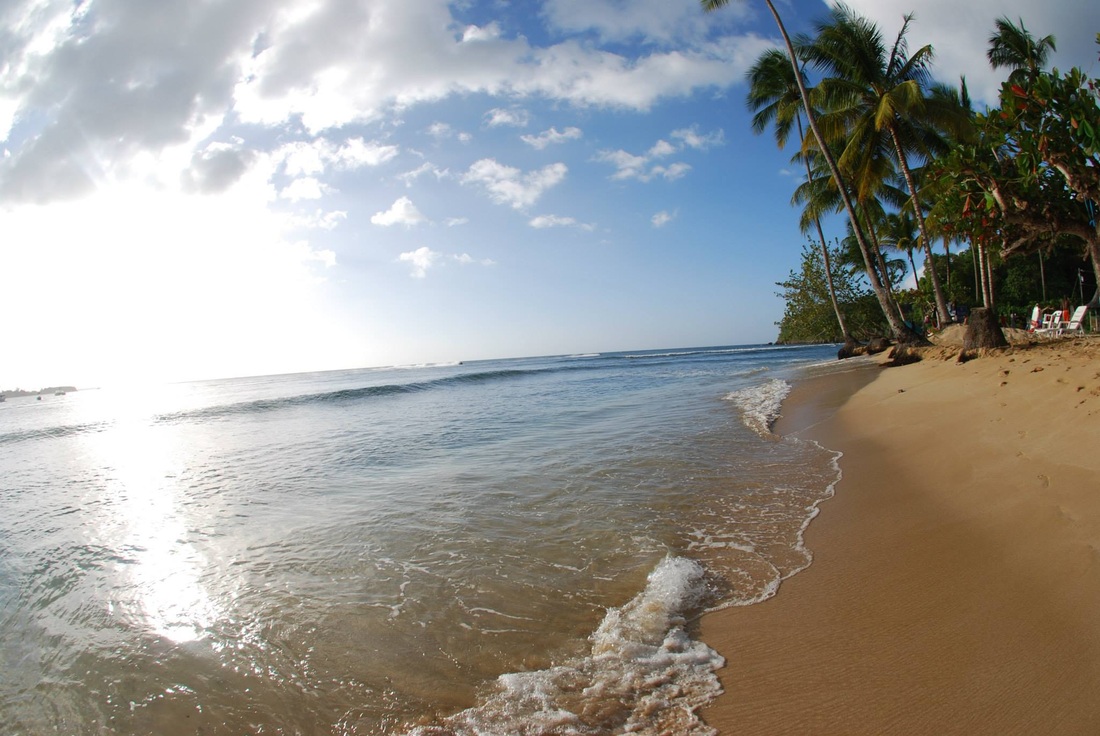
    Back bay which is officially known and Rocky Point is a beautiful semi-secluded bay that is popular for nesting leatherback and hawksbill sea turtles. Back bay is very scenic but the waters can get very strong with big waves and powerful currents. The bay is popular with families, beach limes and couples. No facility, security or life guards available.

    Links

  • |

    Scarborough

    Scarborough is the capital city of Tobago, a small island nation in the Caribbean. Located on the southwestern coast of Tobago, Scarborough is home to approximately 17,000 people and serves as the administrative and economic center of the island.

    One of the main attractions in Scarborough is Fort King George, a historic fortification that was built by the British in the 18th century. Today, the fort houses several museums and galleries that showcase the island’s history and culture.

    Scarborough is also home to the Market where visitors can purchase fresh produce, local crafts, and other goods. The city is also known for its lively nightlife, with numerous bars, restaurants, and nightclubs offering a range of entertainment options.

    Other notable attractions in Scarborough include the Botanical Gardens.
    With its mix of history, culture, and natural beauty, Scarborough is a must-visit destination for anyone traveling to Tobago.

    Scarborough became the capital of Tobago in 1769. Scarborough’s deepwater harbour was built in 1991; before that ships would anchor offshore. The estimated population of Scarborough is approximately ~18K.

    Local Amenities

    • Coast Guard. Police. Fire Services
    • Public Washrooms
    • Public Library 
    • Health Center
    •  Ferry Service
    •  Schools
    • Guesthouses
    • Security
    • Local Market
    • Restuarants & Bars
    • Food Vendors/Craft shops
    • Public Transport
    • Off Road Parking
    • Banks and Credit Unions
    • Supermarkets, stores, hardwares

    Battle of Scarborough 1677 – Before being called Scarborough, the area was called Lampinsburg by the dutch with the bay of Scarborough being called Lampins bay also known as Roquely Bay (Rockly Bay). The Dutch built a fort on top of a nearby hill which is known today as Dutch fort hill in down town Scarborough. In February and December of 1677, the Dutch and French both wanted control of Tobago which lead to a bloody battle in Scarborough bay and on dutch fort hill which resulted in the death of thousands, including French and Dutch women and children and African slaves. Three hundreds years later and the remains of up to 20 warships and their undiscovered artifacts are still in the muddy bottom of what is now Scarborough harbor.

  • |

    The Main Ridge Forest

    The Main Ridge Forest thrive on a mountainous volcanic spine that traverses about two-thirds of the length of our cigar-shaped island from its north-east tip. On one side of the island, the land rises steeply into the hills while, on the other side, it drops sharply to sandy beaches below.

    The Main Ridge Forest Reserve is home to a wide variety of flora and fauna, including over 200 species of birds, over 600 species of butterflies, and numerous species of mammals, reptiles, and amphibians. It is also an important watershed that provides drinking water to local communities.

    The forest reserve offers numerous hiking trails and nature walks, as well as opportunities for birdwatching and wildlife viewing. The reserve is also an important site for research and education, with several institutions conducting studies on the ecology and biodiversity of the forest.

    The Main Ridge Forest Reserve is a crucial component of Tobago’s natural heritage, and its protection and conservation are vital to the island’s future sustainability.

    Hailed today as the western hemisphere’s first legally protected tropical rainforest, Tobago’s Main Ridge Forest Reserve had been established in 1765 by the Young Commission well over a century before German botanist Alfred F.W. Schimper coined the term tropische regenwald, or ‘tropical rain forest’ in 1898.

    Tobagonians are also justifiably proud of what many consider to be the passage of the world’s first environmental protection act, when on April 13, 1776, after 11 long years of lobbying by English physiologist Stephen Hales and British MP Soame Jenyns, a law was passed protecting Tobago’s Main Ridge Rain forest as a Crown Reserve, saving it from demise due to deforestation by early colonial plantation owners. Were it not for Hales, whose research revealed the symbiotic relationship between forests and rainfall, the plantation owners who plundered the forests for its lumber and cleared it for cultivation would have destroyed not only forest but the island’s vital water resource.

    Over two centuries later, with world tropical deforestation estimated putting the destruction or degradation of rainforests at around 100,000 sq. km. (39,000 sq. miles) a year, we are thankful that Tobago’s little slice of rainforest heaven has been protected for over 200 years and will continue to be protected indefinitely. We invite you to explore our lush rainforest – it is our gift to you to explore, wander through and enjoy its many wonders.

    RAINFOREST BIODIVERSITY:

    South America’s rainforest biodiversity is phenomenal and having once been attached to the mainland, Tobago has benefitted from this natural boon and even shares some species with northern Venezuela that do not exist in Trinidad. It is this diversity and its ease of access

    RAINFOREST WILDLIFE

    Of the 220-plus species of birds recorded in Tobago, at least 100 may be spotted in the Reserve, and mammalian wildlife such as armadillos, agoutis, wild hogs, red squirrels, raccoons and opossums still roam the forest’s undergrowth. Several bat species, including a piscivorous (fish-eating) bat, also inhabit the forest. The Reserve is also home to a number of non-venomous snakes as well as many lizards and frogs. Insects abound, with many species awaiting discovery.

    RAINFOREST VEGETATION

    Tobago’s Main Ridge Reserve affords naturalists the rare opportunity to examine the multi-dimensional strata of a tropical rainforest. A closed 30-50 metres (100-165 feet) high canopy umbrellas the rainforest. Its emergent layer has the largest trees, which sometimes protrude over the canopy. Large lianas (or climbers) are common while ferns, palms and slow-growing trees dominate the understory. On the ground layer there is a profusion of seedlings and herbaceous plants as well as a plethora of wild orchids, bromeliads and other epiphytes. Rippling streams and cascading waterfalls add a refreshing dimension to the Reserve.

    RAINFOREST IN REREGENERATION

    Hurricane Flora – which in 1963 ravaged about 75% of the forest – left a rare opportunity to witness amid the surviving old-growth trees, a rainforest’s re-growth. Over four decades later, Tobago’s rainforest is now a living example of a rainforest regenerating as lush ground vegetation and slender trees emerge in a protected environment. In a century or so, there will be huge trees, a dense canopy and minimal ground vegetation. This form of conservation is indeed rare, especially on such a small accessible island.

    RAINFOREST ACCESSIBILITY

    Via the Rainforest Reserve Road, from just south of Roxborough to Bloody Bay, a leisurely drive will take you through this mature forested area. Eventually you will reach Gilpin Trace, one of the main trails in the Reserve. Another way to investigate the natural bounty of the rainforest is to take one of the several hiking tours that follow Amerindian trails of old with one of our certified tour guides.

  • |

    No Man’s Land

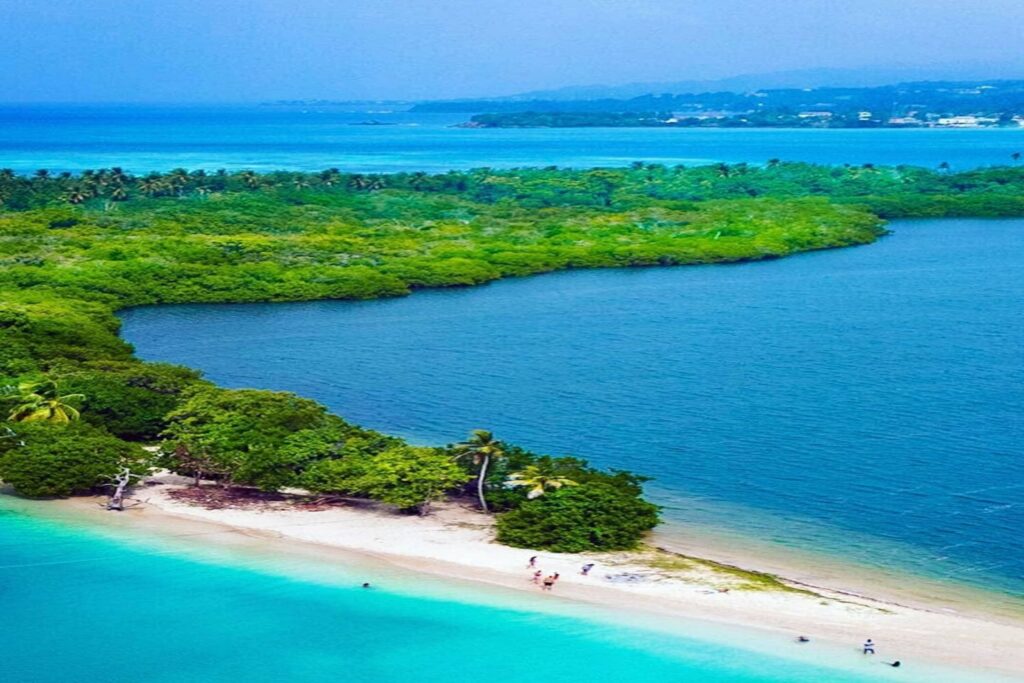
    No Man’s Land is a secluded spit of beach located on the western end of Tobago. It borders the Bon Accord Lagoon and is a popular destination for visitors looking to escape the crowds and enjoy the natural beauty of the island. The beach is accessible by boat, and several tour operators in Tobago offer boat trips to No Man’s Land.

    The beach is known for its calm and clear waters, making it an ideal spot for swimming, snorkeling, and other water sports activities. The beach is also surrounded by lush greenery, which provides shade and a serene atmosphere. Visitors can also enjoy a picnic on the beach or sample some of the local cuisine from the food vendors.

    No Man’s Land is also a popular spot for boat parties and other events, especially during the peak tourist season. It is a great place to relax and unwind, soak up the sun, and enjoy the natural beauty of Tobago.

  • | |

    Argyle Waterfall

    Argyle Waterfall is a beautiful natural attraction located in the eastern part of Tobago, which is part of the Republic of Trinidad and Tobago. It is a popular spot for tourists and locals alike who want to experience the island’s natural beauty.

    The waterfall is situated in a lush rainforest setting, and visitors can take a short hike through the forest to reach the waterfall. The hike is not particularly challenging, but it does involve some steep inclines and rocky terrain, so it is important to wear sturdy shoes and bring plenty of water.

    The waterfall itself is approximately 175 feet tall and cascades into a deep pool below, where visitors can swim and cool off in the refreshing waters. The surrounding forest is also home to a variety of wildlife, including birds and butterflies, making it an ideal destination for nature lovers.

    Overall, the Argyle Waterfall is a must-visit attraction for anyone traveling to Tobago, offering a unique opportunity to experience the island’s natural beauty and explore its lush rainforest environment.

    • The waterfall is located in the area of Roxborough – on the eastern side of Tobago – ‘country side’.
    • Argyle is high multidrop waterfall on the edge of the rain-forest rising over 160ft high.
    • It takes about 15-20 minutes walking along the trail from the entrance to the base of the waterfall.
    • There is a paid entry fee of $60 TTD for visitors.
    • A small bar with snacks and a toilet facility (no shower) is available.
    • Guides are available for hire.

    The waterfall pools can be deep – take caution if swimming!

  • |

    Rocky Point – Back Bay

    Rocky Point is a scenic spot located on the northwestern coast of Tobago. It is a popular destination among tourists who visit Tobago because of its breathtaking views, clear turquoise waters, and secluded bay (back bay).

    Rocky Point is known for its natural beauty, and visitors can enjoy activities such as hiking, bird watching, snorkeling, and swimming. The area is home to a wide variety of tropical flora and fauna, including exotic birds, reptiles, and marine life.

    One of the most popular attractions at Rocky Point is its stunning beach, which is secluded and offers visitors the chance to enjoy a peaceful day in the sun. The beach is surrounded by rocky cliffs that create a dramatic backdrop and add to its beauty.

    Another popular activity at Rocky Point is snorkeling, as the clear waters here are home to a diverse range of colorful fish and coral reefs. Visitors can also take a glass-bottom boat tour to explore the underwater world without getting wet.

    Rocky Point is also known for its stunning sunsets, which are a must-see for anyone visiting Tobago. There are several lookout points along the coast where visitors can watch the sun go down over the Caribbean Sea.

    Overall, Rocky Point is a beautiful destination that offers visitors the chance to experience the natural beauty of Tobago. Whether you are looking for a peaceful day at the beach, an adventurous hike, or a chance to explore the underwater world, Rocky Point has something to offer everyone.