|

Islands of Tobago

Saint. Giles Island

Saint Giles Island is located off the northeast tip of Tobago. The island can be viewed clearly from flag-staff lookout in Charlotteville. Reef patches and cliffs surrounding the island makes it a popular dive site.

St. Giles Island

Goat Island

Goat Island is located off the coast of Speyside, between Tobago and Little Tobago. The reef around the island is popular with divers.
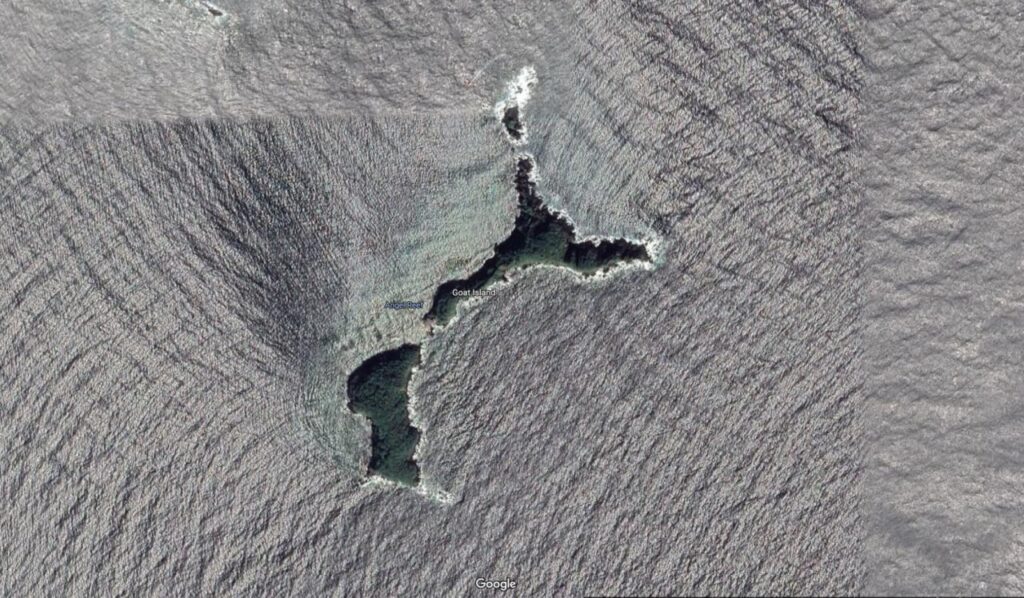
picture of tobago's goat island
Goat Island

Little Tobago

Little Tobago is a small island off the northeastern coast of Tobago, popular with birdwatchers. The island is an important breeding site for seabirds such as red-billed tropicalbird,  bridled terns and many more. Angel reef is also a popular site around the island for divers and glass-bottom boat tours.

image of little tobago
Little Tobago

Queen’s Island

Queen’s Island is located on the north-eastern coast of Tobago outside of Louis D’or Bay and Delaford.
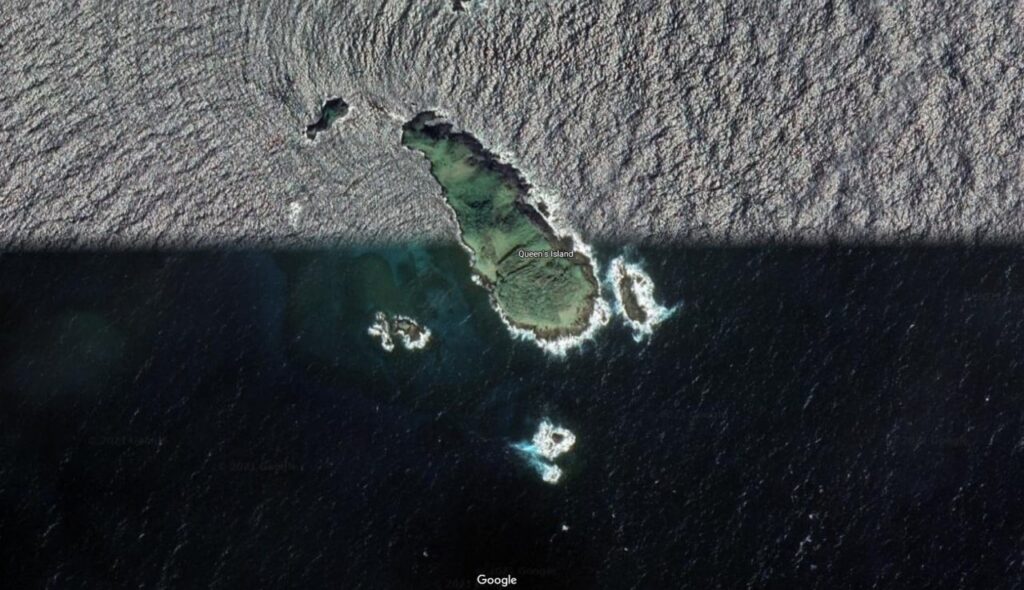
image of tobago's queen's island
Queen’s Island

Richmond Island

Richmond Island is located on the eastern side of Tobago outside of Richmond bay.
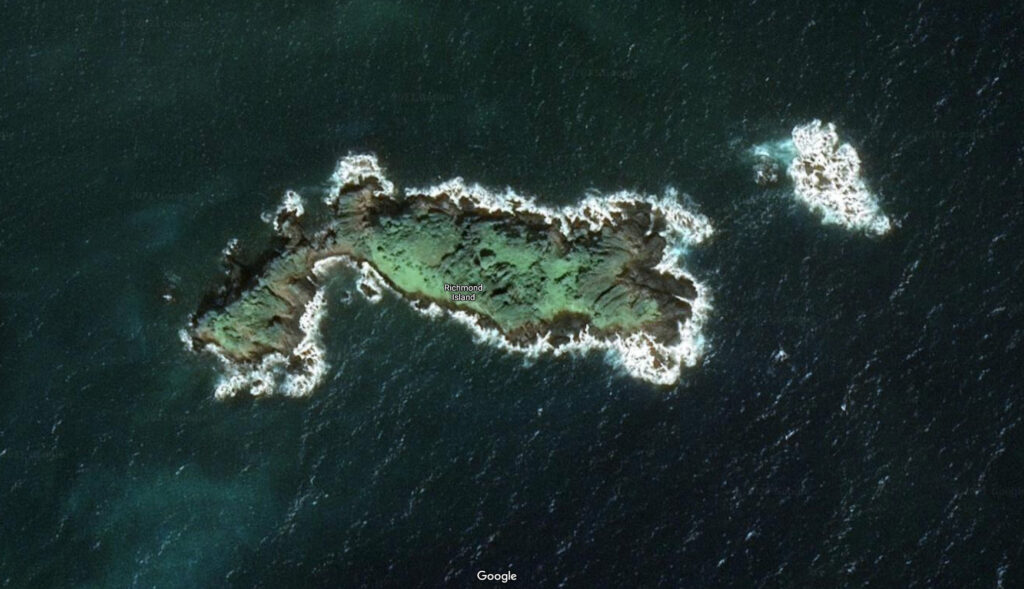
image of richmond island in tobago
Richmond Island

Sisters Rock

Sisters Rocks is tiny group of islands located off the northern coast of Tobago directly north of Parlatuvier. Sisters Rocks are popular for snorkeling and scuba diving for hammer-head sharks.
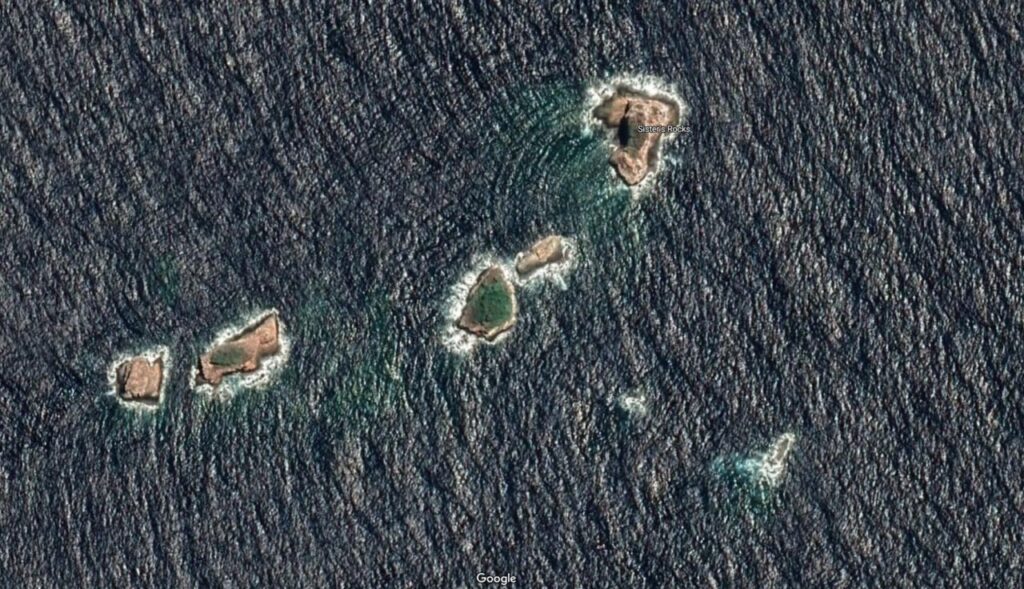
image of sisters rock in tobago

More Guides

  • |

    Glass Bottom Boats

    Glass bottom boats are a popular way to explore the beautiful waters surrounding Tobago. These boats have a clear glass panel in the bottom that allows passengers to view the underwater world without getting wet.

    There are several tour operators in Tobago that offer glass bottom boat tours. Some of the popular glass bottom boat tours include:

    1. Buccoo Reef and Nylon Pool Tour: This tour takes you to the Buccoo Reef, which is home to a variety of marine life, including colorful corals, fish, and sea turtles. After exploring the reef, the tour stops at Nylon Pool, a shallow sandbar in the middle of the ocean, where you can swim and snorkel.
    2. Store Bay Reef Tour: This tour takes you to the Store Bay Reef, which is located close to the shore and is known for its vibrant marine life. The tour also includes a stop at the No Man’s Land beach, where you can relax and swim in the calm waters.
    3. Glass Bottom Boat Adventure Tour: This tour takes you on a scenic journey along Tobago’s coastline, where you can admire the beautiful scenery and view the marine life through the glass bottom boat.

    The glass bottom boat tours in Tobago are a fun and exciting way to explore the underwater world without getting wet.

  • Amerindian Tribes

    Tobago was home to several Amerindian tribes before the arrival of Europeans. These tribes included the Arawaks, Caribs, and Waraos.

    The Arawaks were the first known inhabitants of Tobago, and they arrived on the island around 500 AD. They were a peaceful people who lived off the land through fishing, hunting, and farming. They constructed homes made of wood and thatch, and their society was organized into clans and governed by a chief.

    The Caribs, who were known for their aggressive nature, arrived on Tobago sometime in the 14th century, and they quickly established dominance over the Arawaks. They were skilled warriors and seafarers, and they used Tobago as a base for raiding nearby islands.

    The Waraos, who were a seafaring people from the Orinoco Delta region of present-day Venezuela, also visited Tobago regularly for fishing and trading.

    The arrival of European explorers and colonizers in the 16th century brought significant changes to Tobago’s indigenous population. The Spanish, French, Dutch, and British all established settlements on the island at various times, and they often used force to subjugate and exploit the native population. Many Amerindians were enslaved or forced to work on plantations, and their culture and way of life were eroded over time.

    Today, there are few remaining traces of Tobago’s indigenous population, although some place names and archaeological sites serve as reminders of the island’s rich pre-colonial history. The Tobago Museum in Scarborough also has exhibits and information on the island’s indigenous peoples

  • |

    Easter Goat Racing Festival

    The Tobago Goat Race is an annual event that takes place on the Caribbean island of Tobago. It is a unique cultural event that has been held for over a century and attracts both locals and visitors to the island.

    The Tobago Goat Race is essentially a type of goat-racing event, where trained goats compete against each other in a race. The goats are typically bred and trained specifically for this purpose and are often adorned with colorful costumes and decorations.

    Goat Racing – Buccoo Tobago

    The event usually takes place in Buccoo, a small fishing village on the island’s west coast. It is a day-long celebration that includes food, music, and other cultural activities in addition to the goat races.

    The Tobago Goat Race is not only a fun and entertaining event, but it is also an important part of Tobago’s cultural heritage. It is a way for the islanders to celebrate their traditions and showcase their unique way of life to the world. If you happen to be in Tobago during the event, it is definitely worth checking out!

    Easter Tuesday
    Buccoo, a small seaside village on the southwest coast of Tobago, has hosted goat racing since 1925. Goat racing developed as a poor man’s equivalent to horse racing In the early twentieth-century, since horse racing was reserved for the local elite. Since horse racing traditionally occurred on the Monday after Easter Sunday, Easter Tuesday was chosen to run goat races by the Buccoo Goat Race Festival Committee, a sub-committee of the Buccoo Village Council, that organises the event annually.

    Easter Monday
    The village of Mt. Pleasant is also hosts to the goat racing festival which occurs on Easter Monday. A large gathering of family, friends and acquaintances also adds to the event’s popularity and attendance on the day.

  • Pleasant Prospect

    Pleasant Prospect is a small hilly village, located between three popular bays, Mt. Irvine Bay, Back bay (Rockly Point) and Stone-haven bay, also known as Grafton bay. The village also borders the caledonian sanctuary and nature reserve.

    Local Amenities

    • Grocery Shops
    • ATM Bank Machine
    • Restaurants
    • Bars
    • Guesthouses
    • Small Play ground
    • Beaches
    • Turtle Nesting
    • Public Transport
    • Nature Reserve
    • Mountain-bike Tours
    • Pizza Boys

    Grafton Caledonia Wildlife Sanctuary

    The bird sanctuary is no longer maintained but bird feeding by the caretaker can sometimes be observed. The entire nature reserve comprises over 200 acres of protected land that was formally part of a coco estate owned by Eleanor Alefounder. The main purpose of the nature reserve is to promote the native flora and fauna of the island.

    Mt Irvine Bay

    Mt. Irvine bay is very popular beach in Tobago for locals and vistors, and especially surfers. There are cabanas, food outlets, beach bar and a fish market and well as a beach facility with security and lifeguards.The bay is part of the extended Buccoo Reef System with small patches of coral reefs that are great for snorkelling and the Mt. Irvine Wall for scuba diving. Mt. irvine is the most popular Surfing spot in tobago with a Right Break over coral rock bed.

    Stone Haven Bay (Grafton Bay)

    Stone Haven Bay is also know as Grafton Bay is a popular sea turtle nesting site and home to the Grafton Resort and Waves restaurant and bar. This bay is popular with large groups and for exercising. Seine pulling (Net fishing) can be observed at times. No facility, security or lifegurds available.

    Back Bay (Rocky Point)

    Back bay which is officially known and Rocky Point is a beautiful semi-secluded bay that is popular for nesting leatherback and hawksbill sea turtles. Back bay is very scenic but the waters can get very strong with big waves and powerful currents. The bay is popular with families, beach limes and couples. No facility, security or life guards available.

    Links

  • |

    Bon Accord Lagoon

    Bon Accord Lagoon is a shallow lagoon located on the southwestern coast of Tobago, which is an island in the southern Caribbean Sea and part of the nation of Trinidad and Tobago.

    The lagoon is separated from the ocean by a narrow strip of land, and is connected to the sea by a narrow channel. The area surrounding the lagoon is known for its mangrove forests and wetlands, which provide important habitat for a variety of bird species, including herons, egrets, and kingfishers.

    The lagoon is also home to a variety of fish, crabs, and other marine life. The area is popular for nature walks, birdwatching, and kayaking tours. Visitors can explore the lagoon and its surrounding mangrove forests on guided tours or by renting kayaks.

    The lagoon is located near the village of Bon Accord, which is accessible by car or taxi from the nearby Crown Point area.

    The Bon Accord Lagoon is surrounded by the mangrove wetlands and the Buccoo Reef making it an important habitat for many species of animals and marine life.

    The lagoon is easier to access by water with boats, kayaks, paddle-board etc.

    What’s near:

    • Buccoo Reef
    • No Man’s Land
    • Mangrove Wetlands
    • Pigeon Point
    • Buccoo Bay
  • | |

    Little Tobago

    Little Tobago is a small island located off the northeast coast of Tobago, which is itself an island in the southern Caribbean Sea and part of the nation of Trinidad and Tobago. Little Tobago is also known as Bird of Paradise Island, due to its abundance of exotic birds, including the red-billed tropicbird, the white-tailed sabrewing hummingbird, and the magnificent frigatebird.

    The island is home to a bird sanctuary and nature reserve, and is a popular destination for birdwatchers and eco-tourists. It is accessible by boat from the village of Speyside on Tobago’s main island.

    The island is popular for

    • Naturalists
    • Bird-watching
    • Angel reef
    • Scuba diving
    • Glass-bottom boat tours

    Angel reef is also a popular site around the island for divers and glass-bottom boat tours.

    The largest brain coral in the caribbean is also located on the reef system.

    The island is an important breeding site for seabirds such as red-billed tropicalbird, bridled terns and many more.