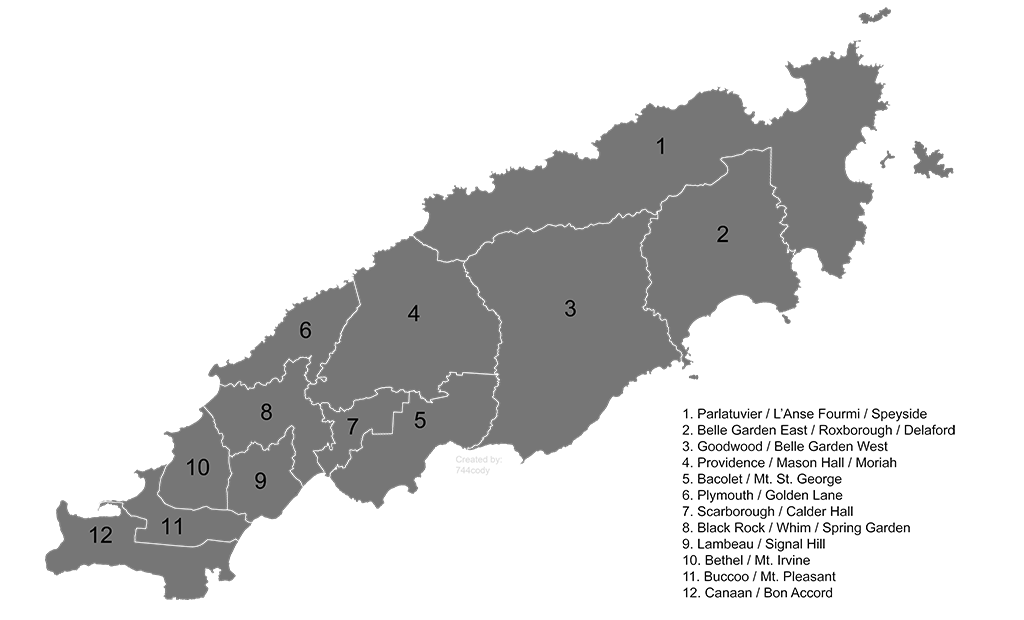
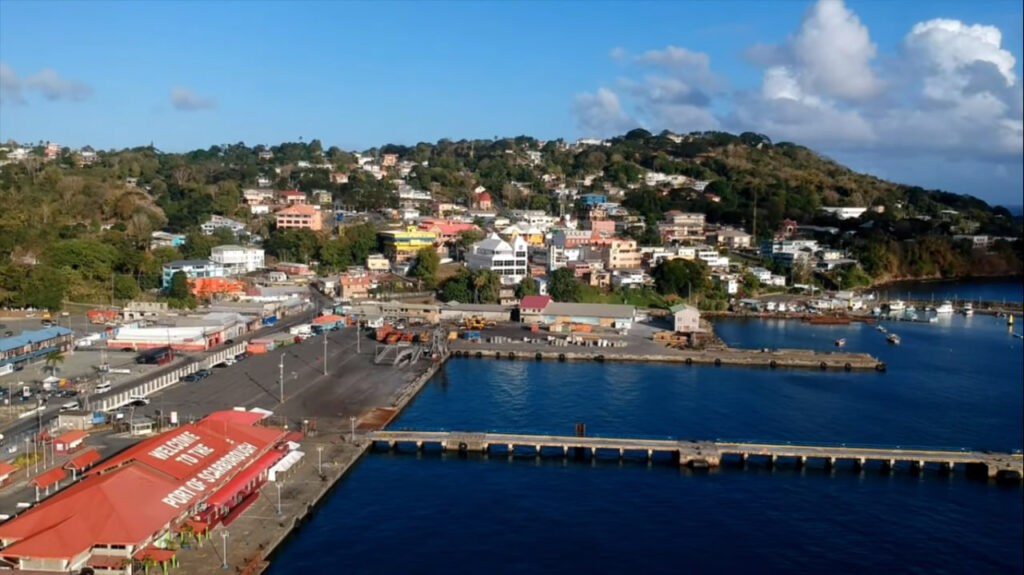
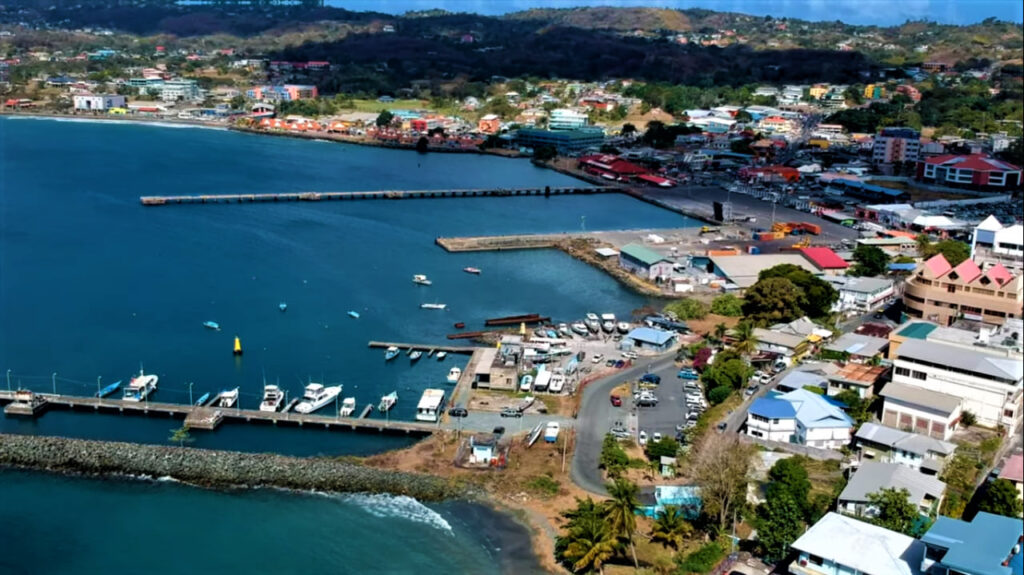
Scarborough is the capital city of Tobago, a small island nation in the Caribbean. Located on the southwestern coast of Tobago, Scarborough is home to approximately 17,000 people and serves as the administrative and economic center of the island.
One of the main attractions in Scarborough is Fort King George, a historic fortification that was built by the British in the 18th century. Today, the fort houses several museums and galleries that showcase the island’s history and culture.
Scarborough is also home to the Market where visitors can purchase fresh produce, local crafts, and other goods. The city is also known for its lively nightlife, with numerous bars, restaurants, and nightclubs offering a range of entertainment options.
Other notable attractions in Scarborough include the Botanical Gardens. With its mix of history, culture, and natural beauty, Scarborough is a must-visit destination for anyone traveling to Tobago.
Scarborough became the capital of Tobago in 1769. Scarborough’s deepwater harbour was built in 1991; before that ships would anchor offshore. The estimated population of Scarborough is approximately ~18K.
Local Amenities
Coast Guard. Police. Fire Services
Public Washrooms
Public Library
Health Center
Ferry Service
Schools
Guesthouses
Security
Local Market
Restuarants & Bars
Food Vendors/Craft shops
Public Transport
Off Road Parking
Banks and Credit Unions
Supermarkets, stores, hardwares
Battle of Scarborough 1677 – Before being called Scarborough, the area was called Lampinsburg by the dutch with the bay of Scarborough being called Lampins bay also known as Roquely Bay (Rockly Bay). The Dutch built a fort on top of a nearby hill which is known today as Dutch fort hill in down town Scarborough. In February and December of 1677, the Dutch and French both wanted control of Tobago which lead to a bloody battle in Scarborough bay and on dutch fort hill which resulted in the death of thousands, including French and Dutch women and children and African slaves. Three hundreds years later and the remains of up to 20 warships and their undiscovered artifacts are still in the muddy bottom of what is now Scarborough harbor.
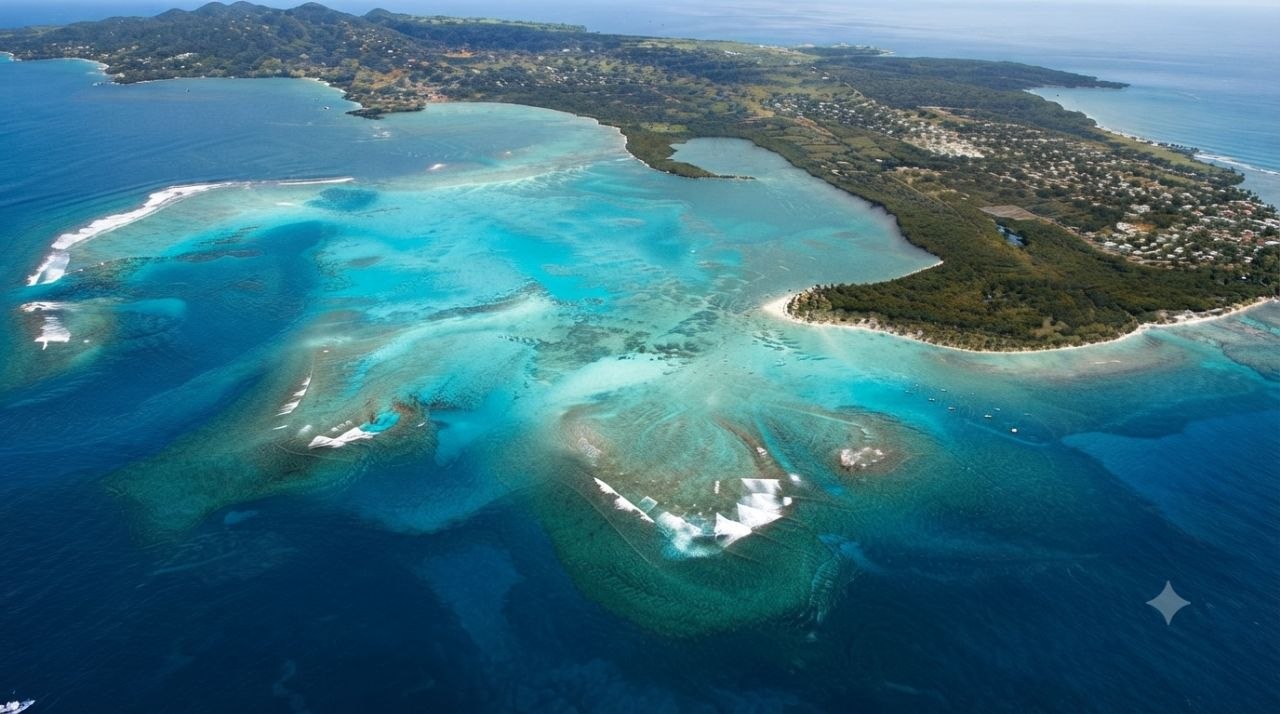
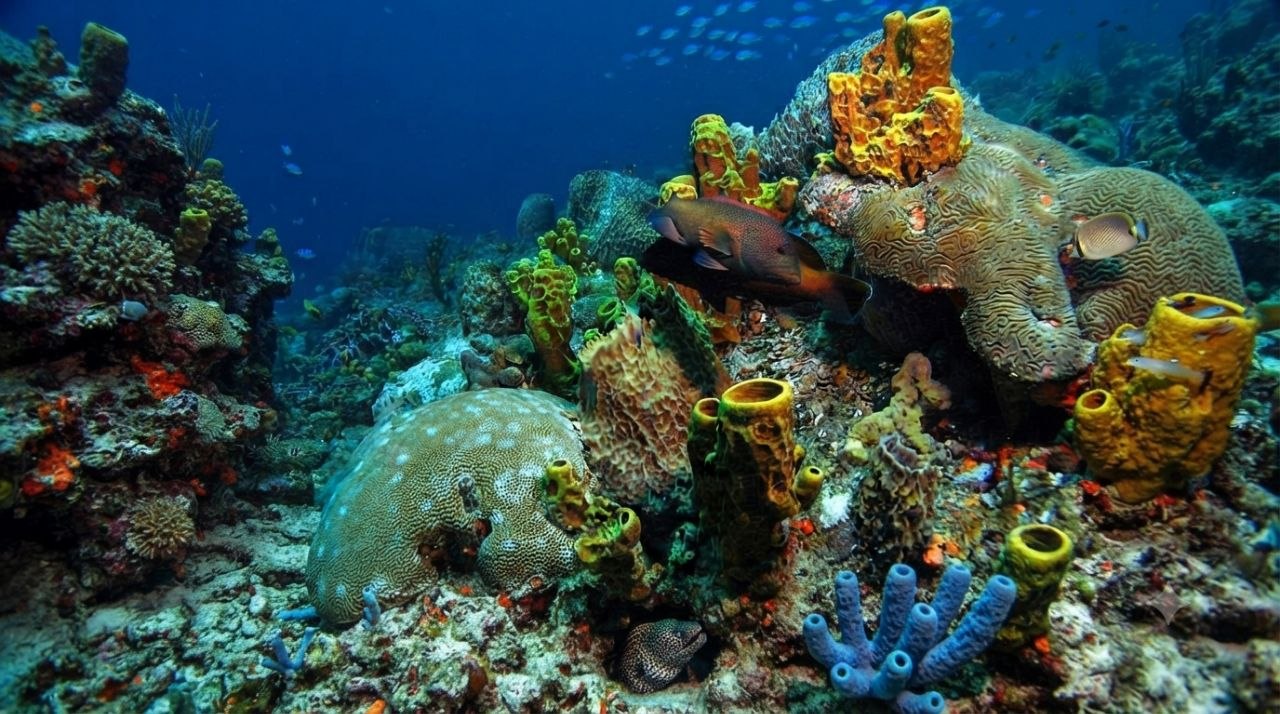
The Buccoo Reef is a crown jewel of Tobago’s marine life. It is one of the most accessible coral reefs in the Caribbean, it offers a window into a vibrant underwater world of fringing coral reefs.
The Buccoo Reef Marine Park
The reef is located on the western coast of the island of Tobago. It is a protected marine park and is one of the largest coral reefs in Tobago.
Glass Bottom Reef Boats
Visitors can take glass-bottom reef-boat tours to view the stunning array of marine life and coral formations that make up the fringing reef system. Snorkeling and scuba diving are also popular activities in the area.
What to Expect
The Coral Gardens
The Coral Gardens: A slightly deeper area of the reef, known for its stunning coral formations and diverse tropical fishes, that can be viewed through the glass bottom reef boats.
Nylon Pool
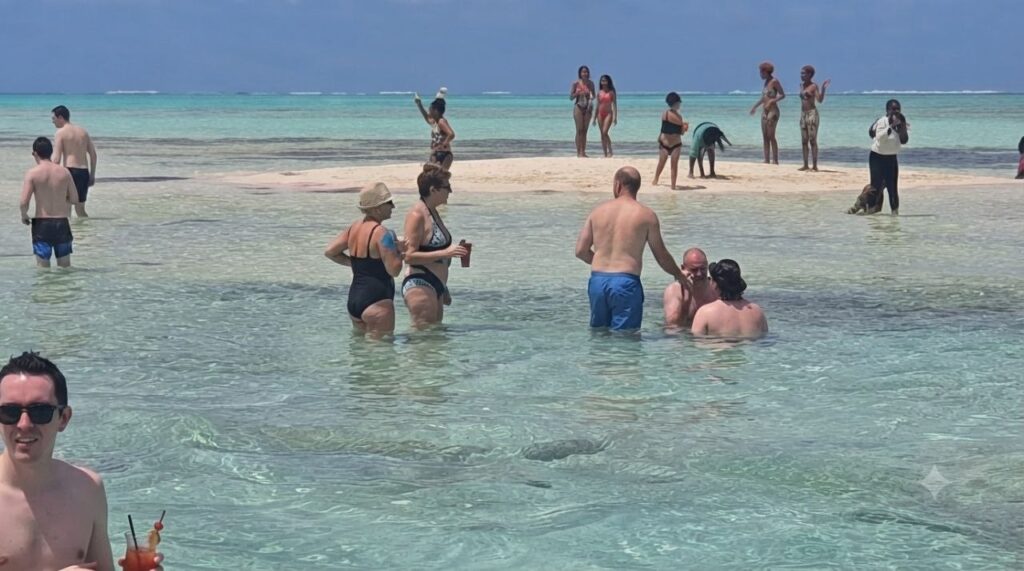
The Nylon Pool: A natural, waist-deep area in the reef that was named by Princess Margaret in 1962, who reportedly said the water was as clear as her nylon stockings.
Reef Sand Bank
The Sand Bank: This is a natural formation of sand deposited in a small area of the reef. It is sometimes visible depending on the tides and currents.
Bon Accord Lagoon
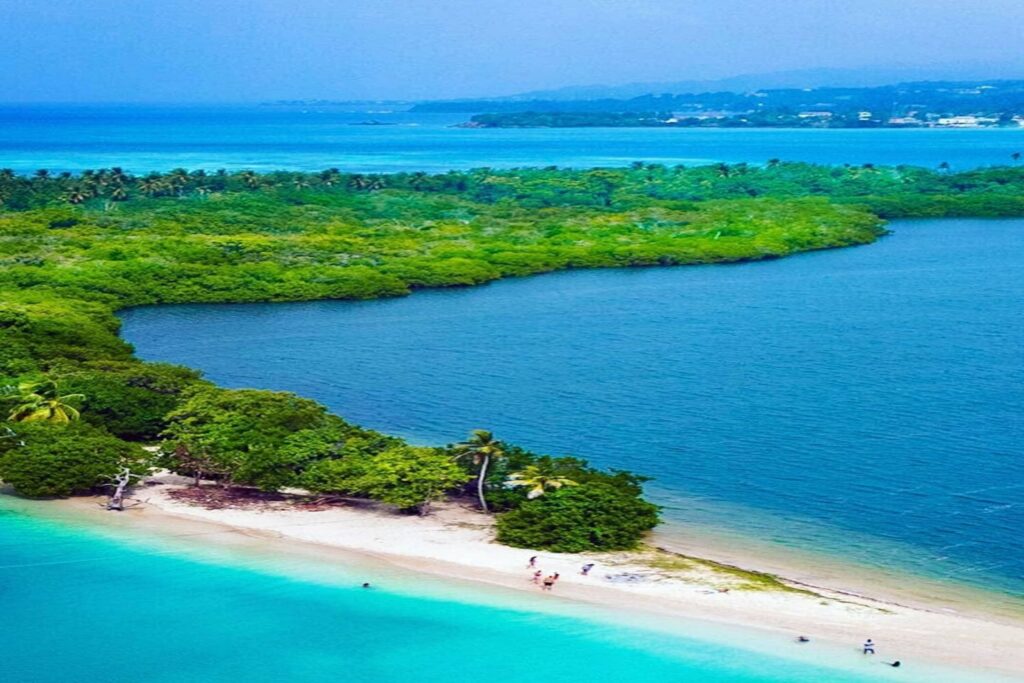
Bon Accord Lagoon: The Buccoo Reef borders the Bon Accord Lagoon, creating a complex ecosystem essential for the island’s sea life and mangroves.
Essential info
Size – 2.7 mi²
Type – Fringing Coral Reef
Largest in Tobago
Nylon Pool
Coral Gardens
Bon Accord Lagoon
Reef boat tours
Snokelling
No mans land
Sun Protection: The sun reflects off the shallow water intensely. Wear reef-safe sunscreen or a rash guard to protect your skin and the delicate corals below.
Footwear: While the sand is soft, some areas near the reef can be sharp. Consider water shoes if you plan on exploring.
Booking Your Tour: Most tours depart from Buccoo Beach, Store Bay, or Pigeon Point. You don’t always need to book online; you can often find reputable local operators directly on the beach, but checking reviews on platforms like TripAdvisor or Instagram first is always a good idea.
Beyond the Reef: Local Culture If you have time, many tours also stop at No Man’s Land, a secluded beach nearby. It’s the perfect place to relax after your swim, enjoy a local snack, and take in the view of the coastline
No man’s land
Overall, Buccoo Reef is a must-visit destination for anyone on the island of Tobago, offering a unique blend of natural marine beauty, adventure, and local culture.
Fort King George is a historic fortification located on the island of Tobago in the Caribbean. It was built by the British in the late 18th century, during their colonial period in the region.
The fort was constructed in 1779 on a hill overlooking the harbor of Scarborough, Tobago’s capital. Its primary purpose was to defend the island against French and Dutch attacks, as Tobago was a valuable strategic location in the Caribbean.
Today, Fort King George is a popular tourist attraction and historical site. Visitors can explore the fort’s ruins, including the barracks, officer’s quarters, and cannons. There is also a small museum on the site that houses artifacts and exhibits related to Tobago’s history and the fort’s role in it.
In addition to its historical significance, Fort King George offers spectacular views of the surrounding landscape, including the Caribbean Sea and the town of Scarborough. It is a must-visit destination for anyone interested in Caribbean history and architecture.
Fort King George is named after King George III of Great Britain. The fort sits at the very top of Scarborough Hill (Fort Hill) with views of the Atlantic Ocean, Tobago’s capital town Scarborough and part of the south-eastern side of island.
Bon Accord Lagoon is a shallow lagoon located on the southwestern coast of Tobago, which is an island in the southern Caribbean Sea and part of the nation of Trinidad and Tobago.
The lagoon is separated from the ocean by a narrow strip of land, and is connected to the sea by a narrow channel. The area surrounding the lagoon is known for its mangrove forests and wetlands, which provide important habitat for a variety of bird species, including herons, egrets, and kingfishers.
The lagoon is also home to a variety of fish, crabs, and other marine life. The area is popular for nature walks, birdwatching, and kayaking tours. Visitors can explore the lagoon and its surrounding mangrove forests on guided tours or by renting kayaks.
The lagoon is located near the village of Bon Accord, which is accessible by car or taxi from the nearby Crown Point area.
The Bon Accord Lagoon is surrounded by the mangrove wetlands and the Buccoo Reef making it an important habitat for many species of animals and marine life.
The lagoon is easier to access by water with boats, kayaks, paddle-board etc.
Crown Point is a popular tourist destination located on the southwestern coast of Tobago, a small island nation in the Caribbean. It is known for its beautiful beaches, vibrant nightlife, and wide range of activities and attractions.
One of the main attractions in Crown Point is Store Bay, a stunning beach known for its white sand, crystal-clear waters, and vibrant coral reefs. The beach is perfect for swimming, sunbathing, and snorkeling, and it’s also home to several food vendors serving local specialties.
Crown Point is also home to Pigeon Point, another popular beach known for its iconic thatched-roof jetty, which has become an iconic symbol of Tobago. The beach is surrounded by lush greenery and offers a range of activities, including snorkeling, jet-skiing, and paddleboarding.
For those looking for nightlife, Crown Point offers a range of options, including bars, nightclubs, and casinos. The area is also home to several restaurants serving a variety of cuisines, including local specialties and international dishes.
Other notable attractions in Crown Point include the Nylon Pool, a natural pool located in the middle of the ocean, and the Buccoo Reef Marine Park, a protected area that is home to a wide variety of marine life.
Overall, Crown Point is a vibrant and lively Tobago destination that offers something for everyone, from stunning beaches and outdoor activities to nightlife and cultural experiences.
Crown Point is a vibrant and popular town in Tobago.
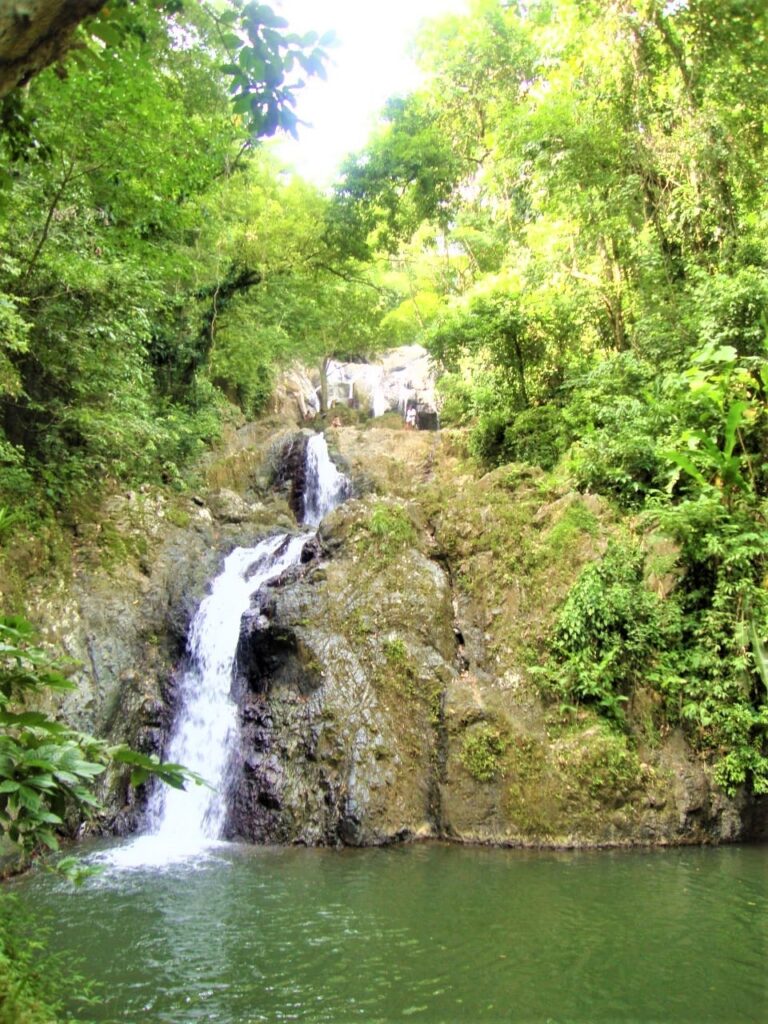
Argyle Waterfall is a beautiful natural attraction located in the eastern part of Tobago, which is part of the Republic of Trinidad and Tobago. It is a popular spot for tourists and locals alike who want to experience the island’s natural beauty.
The waterfall is situated in a lush rainforest setting, and visitors can take a short hike through the forest to reach the waterfall. The hike is not particularly challenging, but it does involve some steep inclines and rocky terrain, so it is important to wear sturdy shoes and bring plenty of water.
The waterfall itself is approximately 175 feet tall and cascades into a deep pool below, where visitors can swim and cool off in the refreshing waters. The surrounding forest is also home to a variety of wildlife, including birds and butterflies, making it an ideal destination for nature lovers.
Overall, the Argyle Waterfall is a must-visit attraction for anyone traveling to Tobago, offering a unique opportunity to experience the island’s natural beauty and explore its lush rainforest environment.
The waterfall is located in the area of Roxborough – on the eastern side of Tobago – ‘country side’.
Argyle is high multidrop waterfall on the edge of the rain-forest rising over 160ft high.
It takes about 15-20 minutes walking along the trail from the entrance to the base of the waterfall.
There is a paid entry fee of $60 TTD for visitors.
A small bar with snacks and a toilet facility (no shower) is available.
Guides are available for hire.
The waterfall pools can be deep – take caution if swimming!