Little Tobago is a small island located off the northeast coast of Tobago, which is itself an island in the southern Caribbean Sea and part of the nation of Trinidad and Tobago. Little Tobago is also known as Bird of Paradise Island, due to its abundance of exotic birds, including the red-billed tropicbird, the white-tailed sabrewing hummingbird, and the magnificent frigatebird.
The island is home to a bird sanctuary and nature reserve, and is a popular destination for birdwatchers and eco-tourists. It is accessible by boat from the village of Speyside on Tobago’s main island.
The island is popular for
Naturalists
Bird-watching
Angel reef
Scuba diving
Glass-bottom boat tours
Angel reef is also a popular site around the island for divers and glass-bottom boat tours.
The largest brain coral in the caribbean is also located on the reef system.
The island is an important breeding site for seabirds such as red-billed tropicalbird, bridled terns and many more.
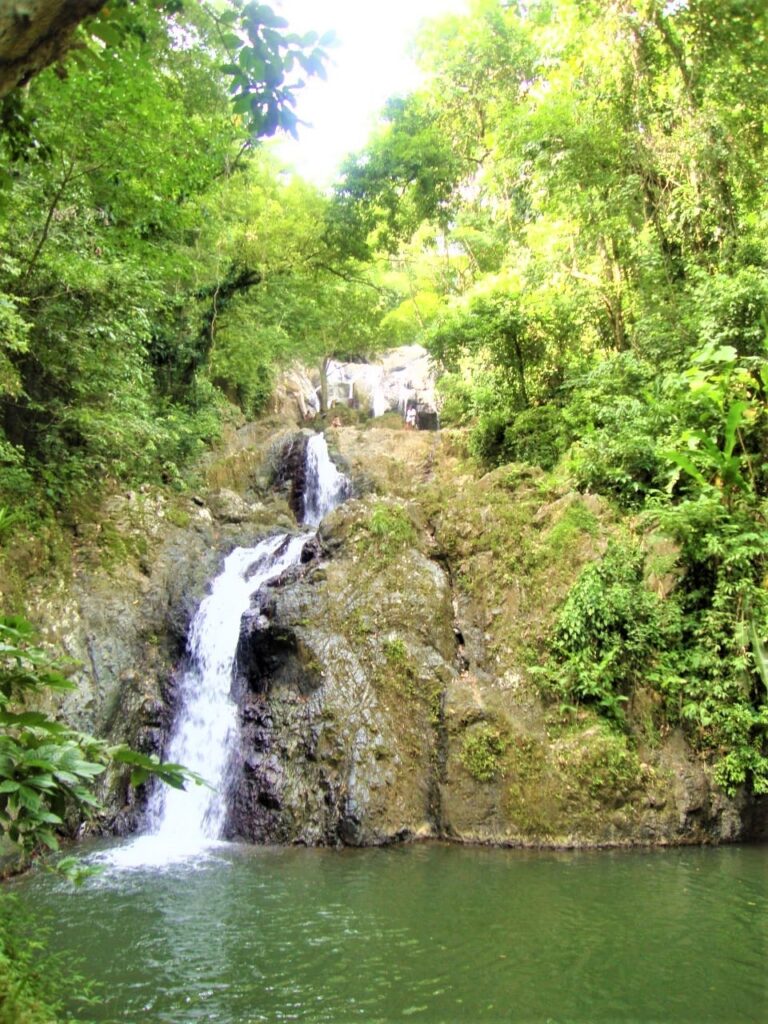
Argyle Waterfall is a beautiful natural attraction located in the eastern part of Tobago, which is part of the Republic of Trinidad and Tobago. It is a popular spot for tourists and locals alike who want to experience the island’s natural beauty.
The waterfall is situated in a lush rainforest setting, and visitors can take a short hike through the forest to reach the waterfall. The hike is not particularly challenging, but it does involve some steep inclines and rocky terrain, so it is important to wear sturdy shoes and bring plenty of water.
The waterfall itself is approximately 175 feet tall and cascades into a deep pool below, where visitors can swim and cool off in the refreshing waters. The surrounding forest is also home to a variety of wildlife, including birds and butterflies, making it an ideal destination for nature lovers.
Overall, the Argyle Waterfall is a must-visit attraction for anyone traveling to Tobago, offering a unique opportunity to experience the island’s natural beauty and explore its lush rainforest environment.
The waterfall is located in the area of Roxborough – on the eastern side of Tobago – ‘country side’.
Argyle is high multidrop waterfall on the edge of the rain-forest rising over 160ft high.
It takes about 15-20 minutes walking along the trail from the entrance to the base of the waterfall.
There is a paid entry fee of $60 TTD for visitors.
A small bar with snacks and a toilet facility (no shower) is available.
Guides are available for hire.
The waterfall pools can be deep – take caution if swimming!
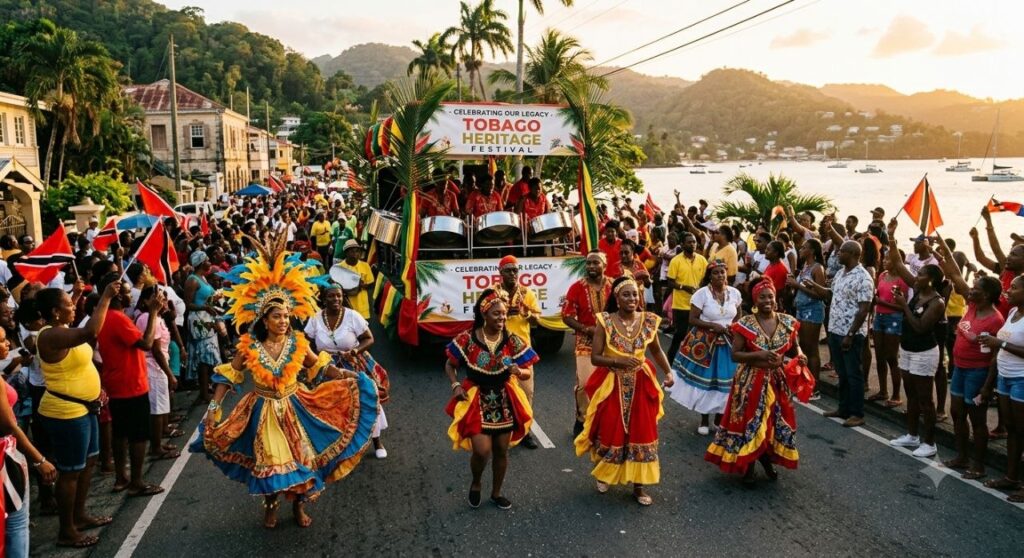
The Tobago Heritage Festival is an annual event that takes place on the island of Tobago in the Republic of Trinidad and Tobago. The festival celebrates Tobago’s rich cultural heritage and traditions and takes place over a two-week period in late July and early August.
During the festival, visitors can enjoy a wide range of cultural events and activities, including traditional music and dance performances, storytelling sessions, arts and crafts exhibitions, and local cuisine. The festival also features historical reenactments and demonstrations of traditional skills such as boat-building, basket-weaving, and wood-carving.
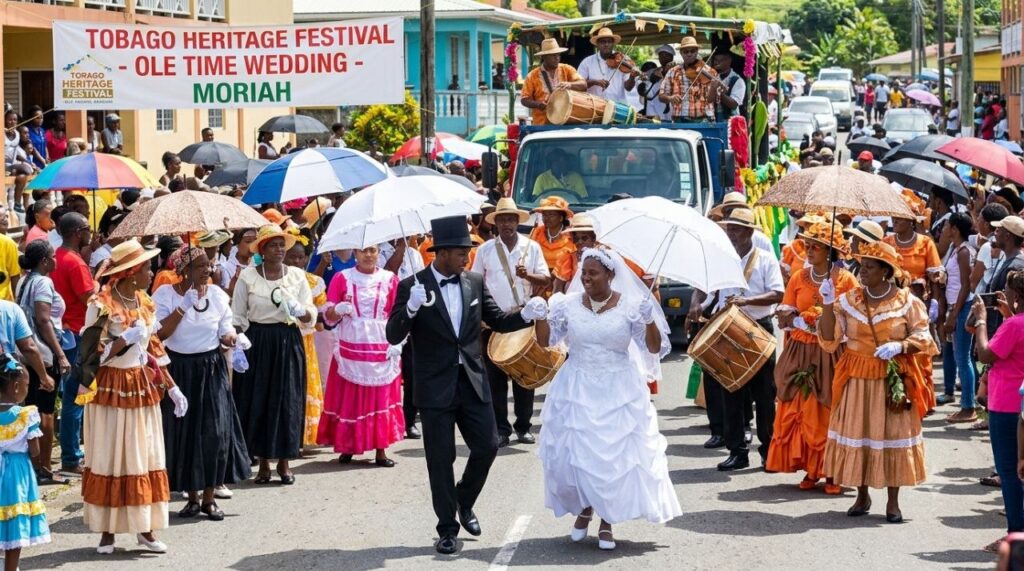
One of the highlights of the Tobago Heritage Festival is the “ole time wedding” reenactment, which is a recreation of a traditional Tobagonian wedding from the past. The festival also includes a “parang” competition, which is a type of traditional music that originated in Trinidad and Tobago.
The Tobago Heritage Festival provides an opportunity for visitors to learn about Tobago’s rich history and cultural heritage, and to experience the island’s unique traditions and way of life. The festival is a vibrant celebration of Tobago’s past, present, and future, and is a must-see event for anyone visiting the island.
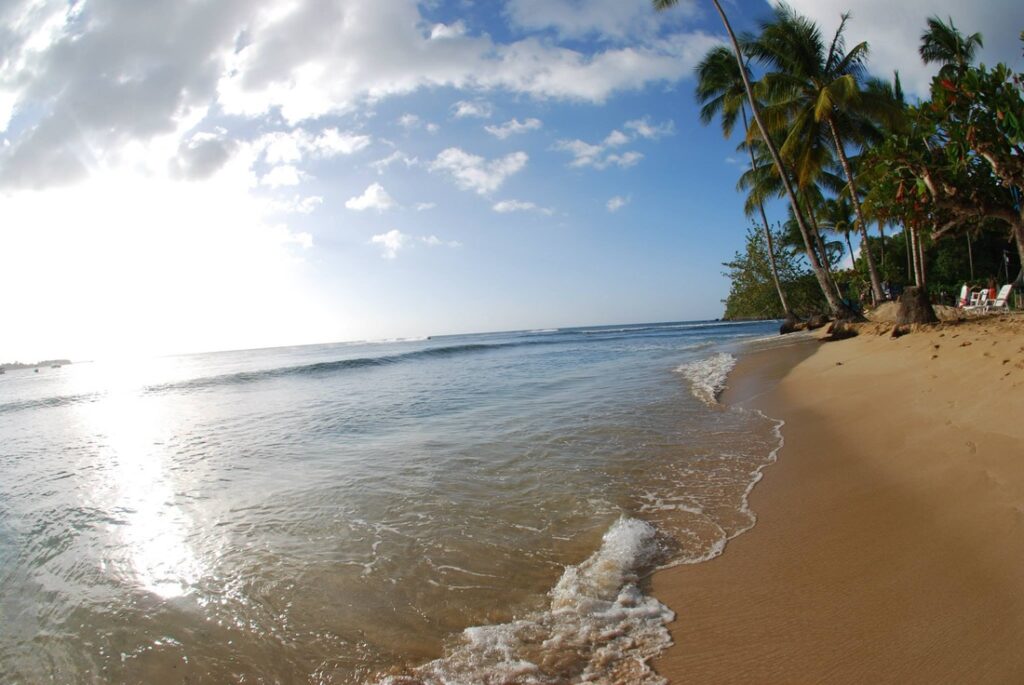
Tobago is home to many beautiful beaches, some of which are known for their pristine white sand, clear turquoise waters, and vibrant coral reefs. Here are a few of the top beaches to visit in Tobago:
Pigeon Point Beach: One of the most famous beaches in Tobago, Pigeon Point is known for its crystal-clear waters and white sand. It’s a popular spot for swimming, sunbathing, and water sports.
Store Bay Beach: Another popular beach, Store Bay is located just a short walk from Pigeon Point and the Airport. It’s a great place to relax and enjoy the sunshine, and there are also plenty of food vendors and souvenir shops nearby.
Englishman’s Bay: This secluded beach is located on Tobago’s north coast and is known for its natural beauty and calm waters. It’s a great spot for snorkeling and exploring the nearby rainforest.
Castara Bay: This small fishing village is home to a lovely beach that’s perfect for swimming and sunbathing. There are also several restaurants and bars where you can enjoy fresh seafood and tropical drinks.
Mount Irvine Bay: Located on Tobago’s west coast, this beach is known for its excellent surfing conditions. It’s also a great spot for snorkeling and diving, with a variety of coral reefs and marine life to explore.
These are just a few of the many beautiful beaches that Tobago has to offer. Whether you’re looking for a lively, tourist-friendly beach or a secluded spot to relax and unwind, there’s sure to be a beach in Tobago that’s perfect for you.
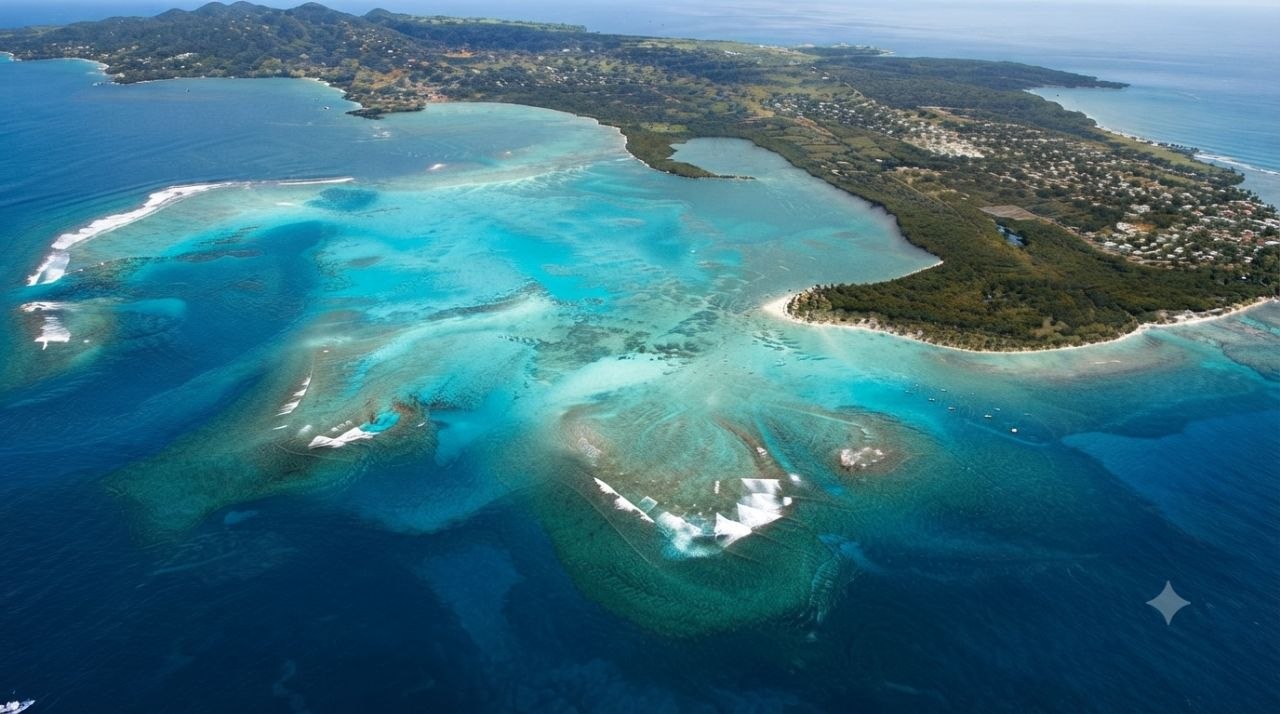
The Buccoo Reef is a crown jewel of Tobago’s marine life. It is one of the most accessible coral reefs in the Caribbean, it offers a window into a vibrant underwater world of fringing coral reefs.
The Buccoo Reef Marine Park
The reef is located on the western coast of the island of Tobago. It is a protected marine park and is one of the largest coral reefs in Tobago.
Glass Bottom Reef Boats
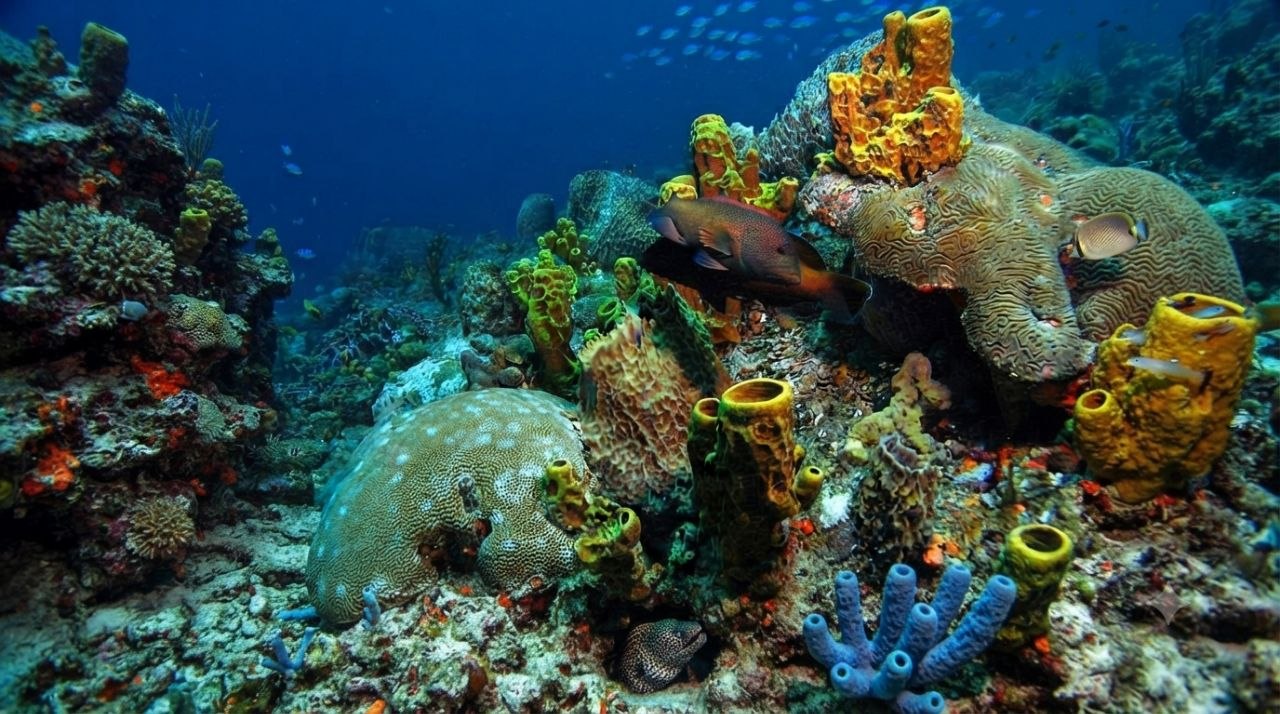
Visitors can take glass-bottom reef-boat tours to view the stunning array of marine life and coral formations that make up the fringing reef system. Snorkeling and scuba diving are also popular activities in the area.
What to Expect
The Coral Gardens
The Coral Gardens: A slightly deeper area of the reef, known for its stunning coral formations and diverse tropical fishes, that can be viewed through the glass bottom reef boats.
Nylon Pool
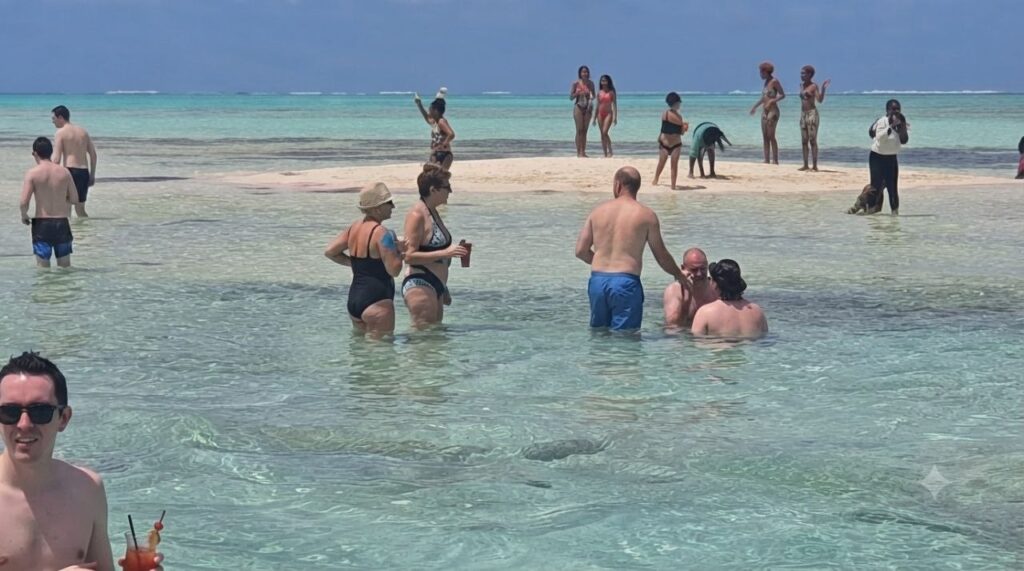
The Nylon Pool: A natural, waist-deep area in the reef that was named by Princess Margaret in 1962, who reportedly said the water was as clear as her nylon stockings.
Reef Sand Bank
The Sand Bank: This is a natural formation of sand deposited in a small area of the reef. It is sometimes visible depending on the tides and currents.
Bon Accord Lagoon
Bon Accord Lagoon: The Buccoo Reef borders the Bon Accord Lagoon, creating a complex ecosystem essential for the island’s sea life and mangroves.
Essential info
Size – 2.7 mi²
Type – Fringing Coral Reef
Largest in Tobago
Nylon Pool
Coral Gardens
Bon Accord Lagoon
Reef boat tours
Snokelling
No mans land
Sun Protection: The sun reflects off the shallow water intensely. Wear reef-safe sunscreen or a rash guard to protect your skin and the delicate corals below.
Footwear: While the sand is soft, some areas near the reef can be sharp. Consider water shoes if you plan on exploring.
Booking Your Tour: Most tours depart from Buccoo Beach, Store Bay, or Pigeon Point. You don’t always need to book online; you can often find reputable local operators directly on the beach, but checking reviews on platforms like TripAdvisor or Instagram first is always a good idea.
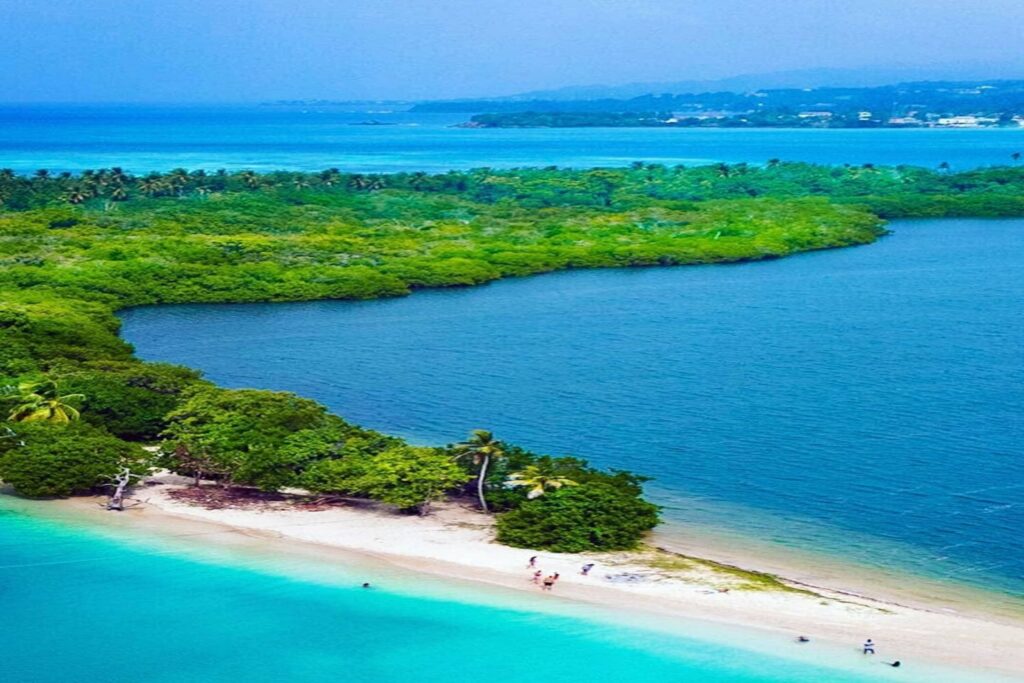
Beyond the Reef: Local Culture If you have time, many tours also stop at No Man’s Land, a secluded beach nearby. It’s the perfect place to relax after your swim, enjoy a local snack, and take in the view of the coastline
No man’s land
Overall, Buccoo Reef is a must-visit destination for anyone on the island of Tobago, offering a unique blend of natural marine beauty, adventure, and local culture.
Saint Giles Island is located off the northeast tip of Tobago. The island can be viewed clearly from flag-staff lookout in Charlotteville. Reef patches and cliffs surrounding the island makes it a popular dive site.
St. Giles Island
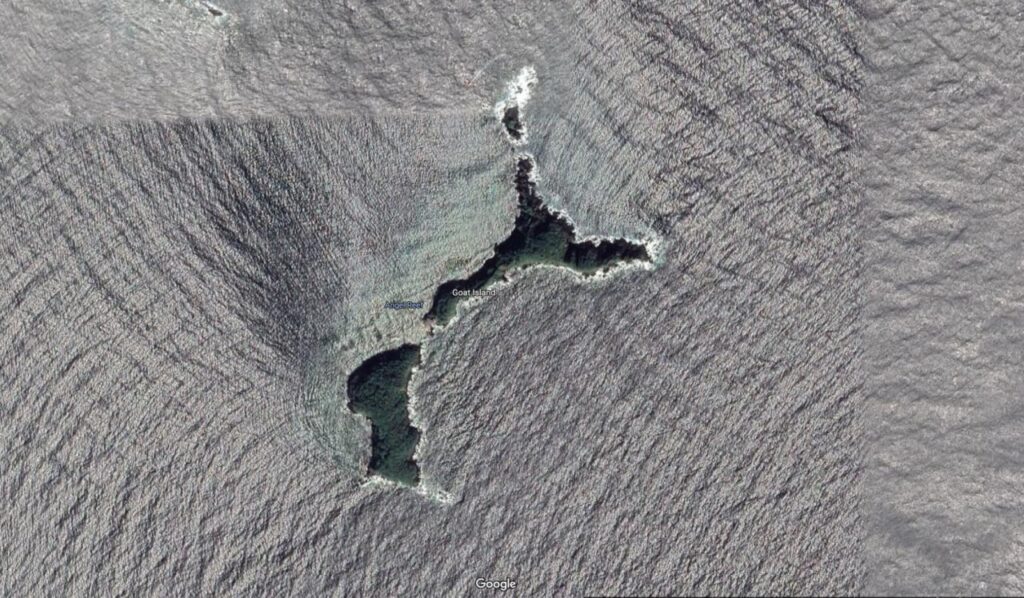
Goat Island
Goat Island is located off the coast of Speyside, between Tobago and Little Tobago. The reef around the island is popular with divers.
Goat Island
Little Tobago
Little Tobago is a small island off the northeastern coast of Tobago, popular with birdwatchers. The island is an important breeding site for seabirds such as red-billed tropicalbird, bridled terns and many more. Angel reef is also a popular site around the island for divers and glass-bottom boat tours.
Little Tobago
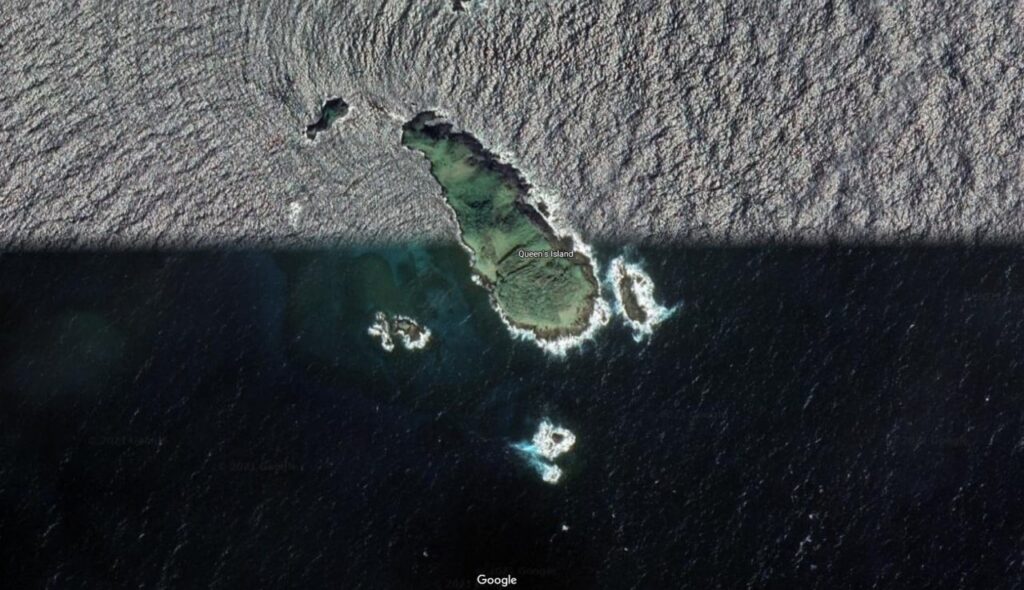
Queen’s Island
Queen’s Island is located on the north-eastern coast of Tobago outside of Louis D’or Bay and Delaford.
Queen’s Island
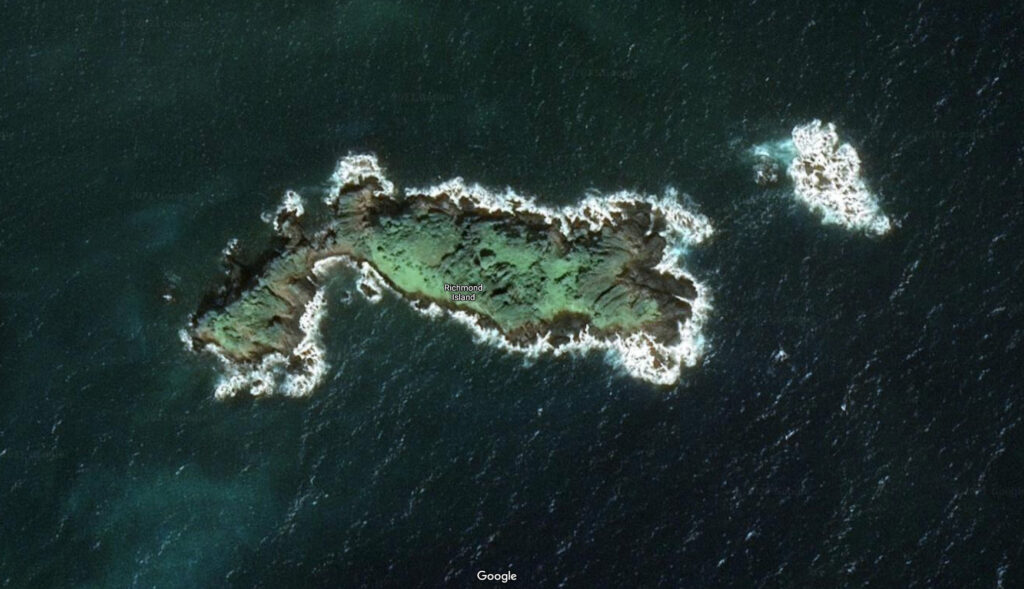
Richmond Island
Richmond Island is located on the eastern side of Tobago outside of Richmond bay.
Richmond Island
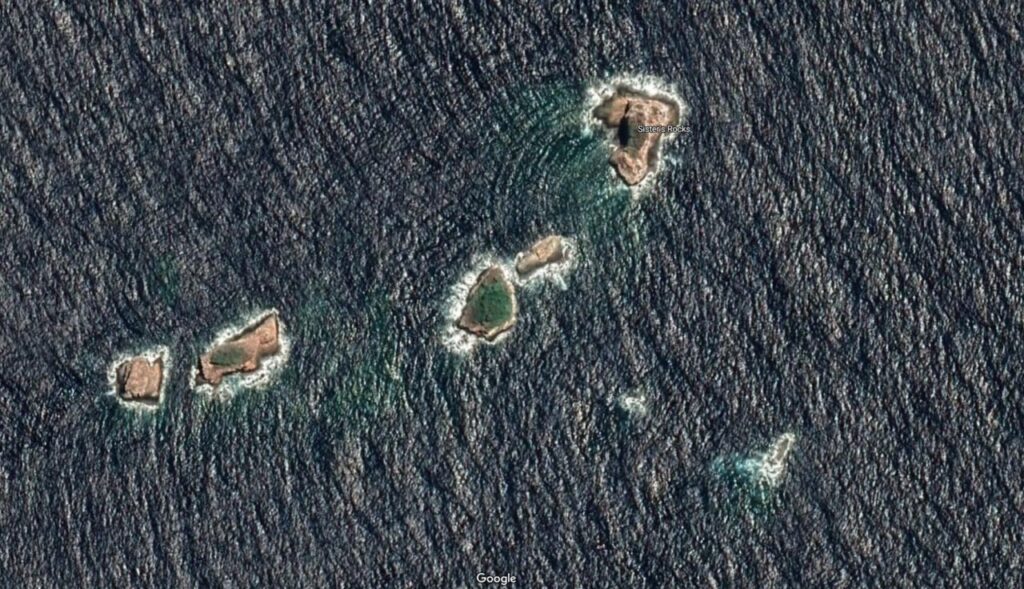
Sisters Rock
Sisters Rocks is tiny group of islands located off the northern coast of Tobago directly north of Parlatuvier. Sisters Rocks are popular for snorkeling and scuba diving for hammer-head sharks.
Fort King George is a historic fortification located on the island of Tobago in the Caribbean. It was built by the British in the late 18th century, during their colonial period in the region.
The fort was constructed in 1779 on a hill overlooking the harbor of Scarborough, Tobago’s capital. Its primary purpose was to defend the island against French and Dutch attacks, as Tobago was a valuable strategic location in the Caribbean.
Today, Fort King George is a popular tourist attraction and historical site. Visitors can explore the fort’s ruins, including the barracks, officer’s quarters, and cannons. There is also a small museum on the site that houses artifacts and exhibits related to Tobago’s history and the fort’s role in it.
In addition to its historical significance, Fort King George offers spectacular views of the surrounding landscape, including the Caribbean Sea and the town of Scarborough. It is a must-visit destination for anyone interested in Caribbean history and architecture.
Fort King George is named after King George III of Great Britain. The fort sits at the very top of Scarborough Hill (Fort Hill) with views of the Atlantic Ocean, Tobago’s capital town Scarborough and part of the south-eastern side of island.