
What To See

Tobago is natural and unspoilt with unique features and interesting sights all around the island discover.

  • |

    Easter Goat Racing Festival

    The Tobago Goat Race is an annual event that takes place on the Caribbean island of Tobago. It is a unique cultural event that has been held for over a century and attracts both locals and visitors to the island.

    The Tobago Goat Race is essentially a type of goat-racing event, where trained goats compete against each other in a race. The goats are typically bred and trained specifically for this purpose and are often adorned with colorful costumes and decorations.

    Goat Racing – Buccoo Tobago

    The event usually takes place in Buccoo, a small fishing village on the island’s west coast. It is a day-long celebration that includes food, music, and other cultural activities in addition to the goat races.

    The Tobago Goat Race is not only a fun and entertaining event, but it is also an important part of Tobago’s cultural heritage. It is a way for the islanders to celebrate their traditions and showcase their unique way of life to the world. If you happen to be in Tobago during the event, it is definitely worth checking out!

    Easter Tuesday
    Buccoo, a small seaside village on the southwest coast of Tobago, has hosted goat racing since 1925. Goat racing developed as a poor man’s equivalent to horse racing In the early twentieth-century, since horse racing was reserved for the local elite. Since horse racing traditionally occurred on the Monday after Easter Sunday, Easter Tuesday was chosen to run goat races by the Buccoo Goat Race Festival Committee, a sub-committee of the Buccoo Village Council, that organises the event annually.

    Easter Monday
    The village of Mt. Pleasant is also hosts to the goat racing festival which occurs on Easter Monday. A large gathering of family, friends and acquaintances also adds to the event’s popularity and attendance on the day.
  • | | |

    Buccoo Reef & Nylon Pool

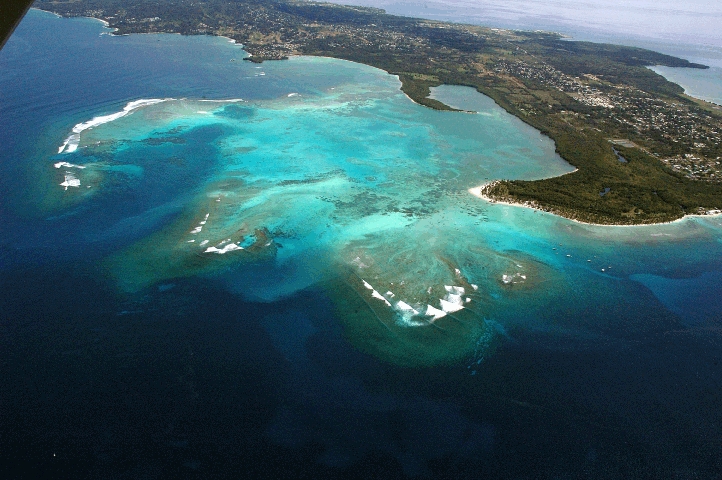
    Buccoo Reef is a popular tourist destination located on the northwest coast of the island of Tobago, which is part of the Republic of Trinidad and Tobago. The reef is a protected marine park and is one of the largest coral reefs in Tobago.

    Visitors can take glass-bottom boat tours to view the stunning array of marine life and coral formations that make up the reef. Snorkeling and scuba diving are also popular activities in the area. The nearby Nylon Pool, a shallow crystal-clear pool in the middle of the ocean, is another popular attraction.

    In addition to its natural beauty, the Buccoo Reef area is known for its vibrant culture and nightlife, with the Sunday School street party being a particularly popular event.

    Overall, Buccoo Reef is a must-visit destination for anyone traveling to Tobago, offering a unique blend of natural beauty, adventure, and culture.

    • Size –  2.7 mi²
    • Type – Fringing Coral Reef
    • Largest in Tobago
    • Nylon Pool
    • Coral Gardens
    • Bon Accord Lagoon
    • Reef boat tours
    • Snokelling
    • No mans land

    The reef borders with the Bon Accord Lagoon, together they create an important and complex marine habitat for hundreds of sea and land creatures and for the livelihood of many people living on the island.

  • | |

    Nesting Sea Turtles

    Turtle Season

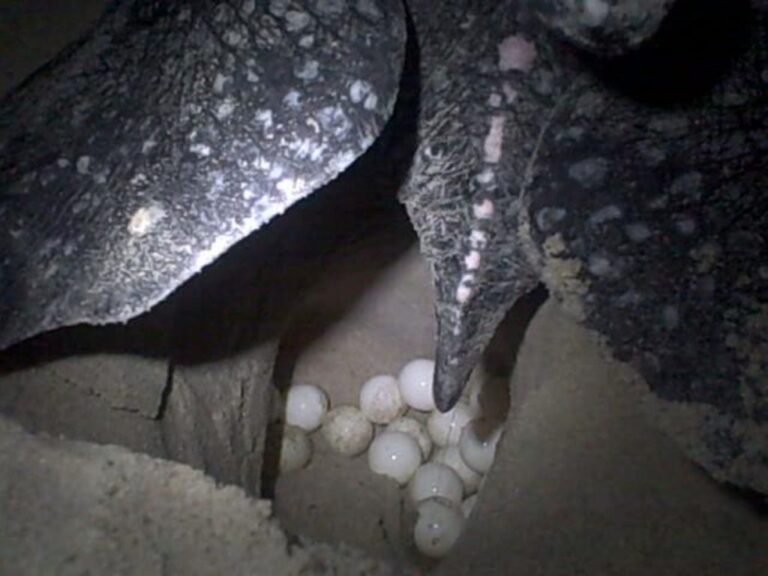
    Between March and August each year, giant leather-backs, Hawks-bill, and Green sea turtles visit the shores of Tobago to lay their eggs. The process can take up to 2 hours from start to finish, going longer sometimes if the turtles are disturbed.

    Some turtles will make multiply visits to the shores during the season untill the right spot is found. Once the nesting process is complete – aproximately 60 days later, baby turtle hatchlings will emerge from the sand.


    What happens :

    • A sea turtle will find the right spot for a nest by checking the sand with both front and back flippers.
    • Sea Turtles dig holes up to 2.5 feet deep with back flippers only.
    • Once the right depth is met – between 60 -100 eggs are layed.
    • Sea Turtles will then gentle cover eggs with back flippers only.
    • They will then use both flippers to camouflage the area around the nest.
    • Once completed they then slowly return to the sea.


    Popular Bays for sightings:

    • Turtle Beach – Great Courland Bay
    • Grafton Bay – Stone Haven Bay
    • Back Bay – Mt. Irvine
    • Lambeau Beach – Little Rockly Bay

    Protection Guidelines

    • If possible, do not disturb, obstruct or approach a turtle that is coming to shore, laying or covering its nest.
    • Never handle Turtle eggs or try to sit, stand or ride on a Turtle.
    • Avoid using bright lights as it can confuse the Turtles or cause them to abandon their nests.
    • If observing – stay up to 20 feet away from Turtles while they are nesting.
  • | |

    October Carnival

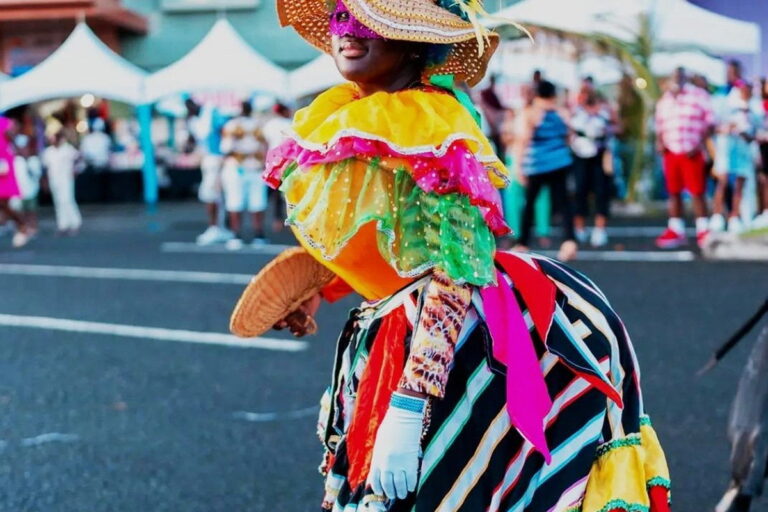
    Tobago Carnival is an annual festival held on the island of Tobago in the Republic of Trinidad and Tobago. The carnival takes place in the weeks leading up to Ash Wednesday, which falls in February or March each year.

    The Tobago Carnival is a vibrant celebration of music, dance, and culture, with a focus on the island’s unique traditions and heritage. The festival features colorful costumes, lively music, and energetic dance performances, with participants taking to the streets to dance and celebrate.

    The Tobago Carnival is a smaller and more intimate version of the larger Trinidad Carnival, which takes place on the neighboring island of Trinidad. However, the Tobago Carnival still attracts a large number of visitors and locals each year, with events including calypso competitions, steelpan performances, and a grand parade on Carnival Tuesday.

    One of the highlights of the Tobago Carnival is the traditional J’Ouvert celebration, which takes place in the early hours of Carnival Monday. During J’Ouvert, participants cover themselves in mud, paint, and powder as they dance through the streets to the beat of steel drums and soca music.

    The Tobago Carnival is a lively and colorful celebration of Tobago’s culture and heritage, and is a must-see event for anyone visiting the island during the Carnival season.

  • Forts

    Tobago has a rich history, and as a result, there are several forts located on the island that were built to defend against colonial powers. Some of the most notable forts in Tobago include:

    1. Fort King George: Built in the 18th century, Fort King George is the largest and most well-preserved fort in Tobago. It offers spectacular views of the island and the Caribbean Sea, and it now houses the Tobago Museum and the National Archives.
    2. Fort Bennett: Located on a cliff overlooking the Caribbean Sea, Fort Bennett was built in the 17th century by the Dutch to defend against attacks from the French. It is now a popular spot for visitors to take in the breathtaking views of the sea and the surrounding coastline.
    3. Fort James: Built in the early 18th century, Fort James was constructed by the British to defend against attacks by the French. Today, it is a popular spot for hiking and bird watching, as well as for taking in the scenic views of the coastline.
    4. Fort Granby: Located on a hill overlooking Great Courland Bay, Fort Granby was built in the 18th century by the French to defend against the British. It offers stunning views of the bay and the surrounding countryside.
    5. Fort Milford: Built in the late 18th century by the British, Fort Milford is located on a hill overlooking Scarborough and the Atlantic Ocean. Today, it is a popular spot for visitors to take in the panoramic views of the town and the sea.

    Overall, Tobago’s forts offer a glimpse into the island’s rich history and provide visitors with stunning views of the coastline and surrounding countryside. They are well worth a visit for anyone interested in history or looking for a unique perspective on the island.

  • |

    Rain Forest

    The Main Ridge Forest Reserve is a protected area located in Tobago, a small island nation in the Caribbean. Established in 1776, it is the oldest forest reserve in the Western Hemisphere and covers approximately 10% of Tobago’s land area.

    The Main Ridge Forest Reserve is home to a wide variety of flora and fauna, including over 200 species of birds, over 600 species of butterflies, and numerous species of mammals, reptiles, and amphibians. It is also an important watershed that provides drinking water to local communities.

    The forest reserve offers numerous hiking trails and nature walks, as well as opportunities for birdwatching and wildlife viewing. The reserve is also an important site for research and education, with several institutions conducting studies on the ecology and biodiversity of the forest.

    The Main Ridge Forest Reserve is a crucial component of Tobago’s natural heritage, and its protection and conservation are vital to the island’s future sustainability.