Amerindian Tribes

Tobago was home to several Amerindian tribes before the arrival of Europeans. These tribes included the Arawaks, Caribs, and Waraos.

The Arawaks were the first known inhabitants of Tobago, and they arrived on the island around 500 AD. They were a peaceful people who lived off the land through fishing, hunting, and farming. They constructed homes made of wood and thatch, and their society was organized into clans and governed by a chief.

The Caribs, who were known for their aggressive nature, arrived on Tobago sometime in the 14th century, and they quickly established dominance over the Arawaks. They were skilled warriors and seafarers, and they used Tobago as a base for raiding nearby islands.

The Waraos, who were a seafaring people from the Orinoco Delta region of present-day Venezuela, also visited Tobago regularly for fishing and trading.

The arrival of European explorers and colonizers in the 16th century brought significant changes to Tobago’s indigenous population. The Spanish, French, Dutch, and British all established settlements on the island at various times, and they often used force to subjugate and exploit the native population. Many Amerindians were enslaved or forced to work on plantations, and their culture and way of life were eroded over time.

Today, there are few remaining traces of Tobago’s indigenous population, although some place names and archaeological sites serve as reminders of the island’s rich pre-colonial history. The Tobago Museum in Scarborough also has exhibits and information on the island’s indigenous peoples

More Guides

  • | |

    Pigeon Point

    Pigeon Point is a popular beach and tourist destination located on the southwestern tip of Tobago, which is an island in the southern Caribbean Sea and part of the nation of Trinidad and Tobago.

    The beach is known for its soft white sand, crystal-clear waters, and scenic views of the nearby Buccoo Reef. The area has been developed into a beach resort with facilities such as restaurants, bars, changing rooms, and water sports equipment rentals, including kayaks, paddleboards, and jet skis.

    Pigeon Point is also a popular spot for snorkeling and scuba diving due to its proximity to the Buccoo Reef, which is home to a diverse array of marine life. The beach is accessible by car or taxi from the nearby Crown Point area.

    Pigeon Point is one of the island’s most known beach.
    The entire peninsula is also known as Pigeon Point Heritage Park.

    • Life guards
    • Security
    • Cabanas
    • Water sports
    • Shops
    • Restaurant & Bar
    • Entrance fee – $20.00 TTD for Adults, Kids $10.00 TTD
      under 6 yrs – free
  • |

    Fort King George

    Fort King George is a historic fortification located on the island of Tobago in the Caribbean. It was built by the British in the late 18th century, during their colonial period in the region.

    The fort was constructed in 1779 on a hill overlooking the harbor of Scarborough, Tobago’s capital. Its primary purpose was to defend the island against French and Dutch attacks, as Tobago was a valuable strategic location in the Caribbean.

    Today, Fort King George is a popular tourist attraction and historical site. Visitors can explore the fort’s ruins, including the barracks, officer’s quarters, and cannons. There is also a small museum on the site that houses artifacts and exhibits related to Tobago’s history and the fort’s role in it.

    In addition to its historical significance, Fort King George offers spectacular views of the surrounding landscape, including the Caribbean Sea and the town of Scarborough. It is a must-visit destination for anyone interested in Caribbean history and architecture.

    Fort King George is named after King George III of Great Britain.
    The fort sits at the very top of Scarborough Hill (Fort Hill) with views of the Atlantic Ocean, Tobago’s capital town Scarborough and part of the south-eastern side of island.

    • Preserved buildings
    • Batteries
    • Cannons
    • Light house (old)
    • Manicured Garden
    • Museum
    • Views of Trinidad
  • Pleasant Prospect

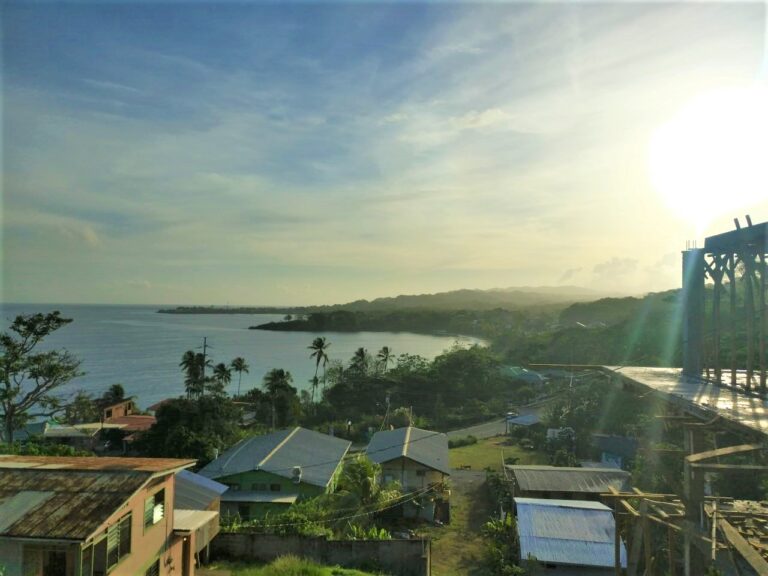
    Pleasant Prospect is a small hilly village, located between three popular bays, Mt. Irvine Bay, Back bay (Rockly Point) and Stone-haven bay, also known as Grafton bay. The village also borders the caledonian sanctuary and nature reserve.

    Local Amenities

    • Grocery Shops
    • ATM Bank Machine
    • Restaurants
    • Bars
    • Guesthouses
    • Small Play ground
    • Beaches
    • Turtle Nesting
    • Public Transport
    • Nature Reserve
    • Mountain-bike Tours
    • Pizza Boys

    Grafton Caledonia Wildlife Sanctuary

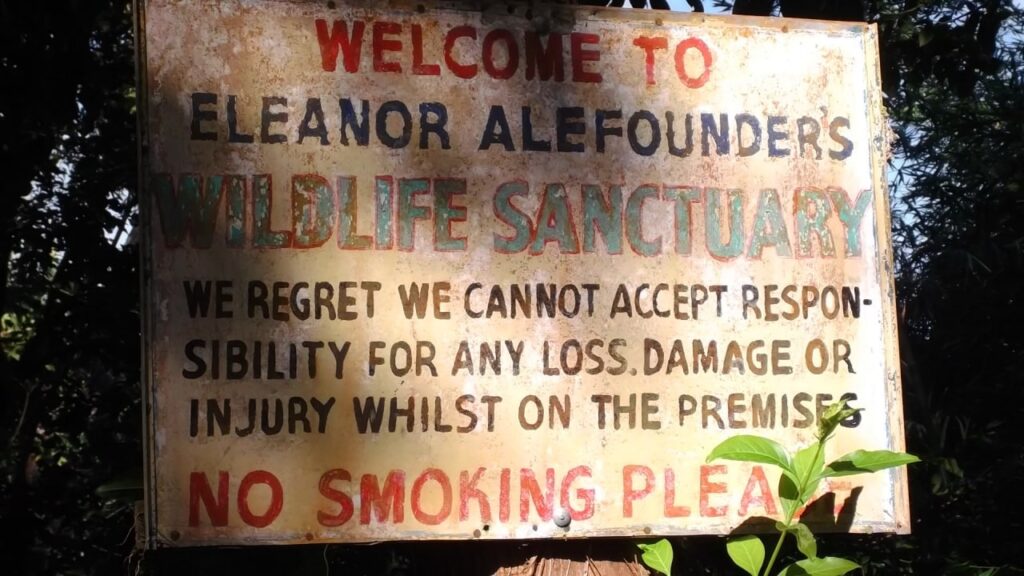
    The bird sanctuary is no longer maintained but bird feeding by the caretaker can sometimes be observed. The entire nature reserve comprises over 200 acres of protected land that was formally part of a coco estate owned by Eleanor Alefounder. The main purpose of the nature reserve is to promote the native flora and fauna of the island.

    Mt Irvine Bay

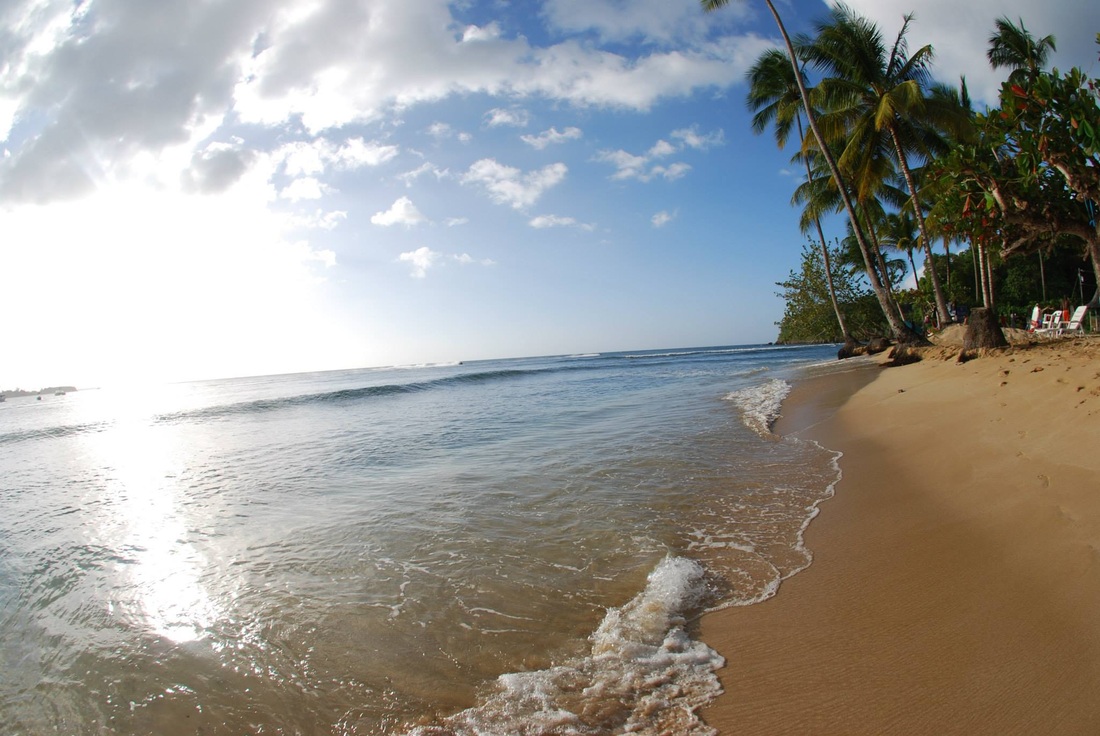
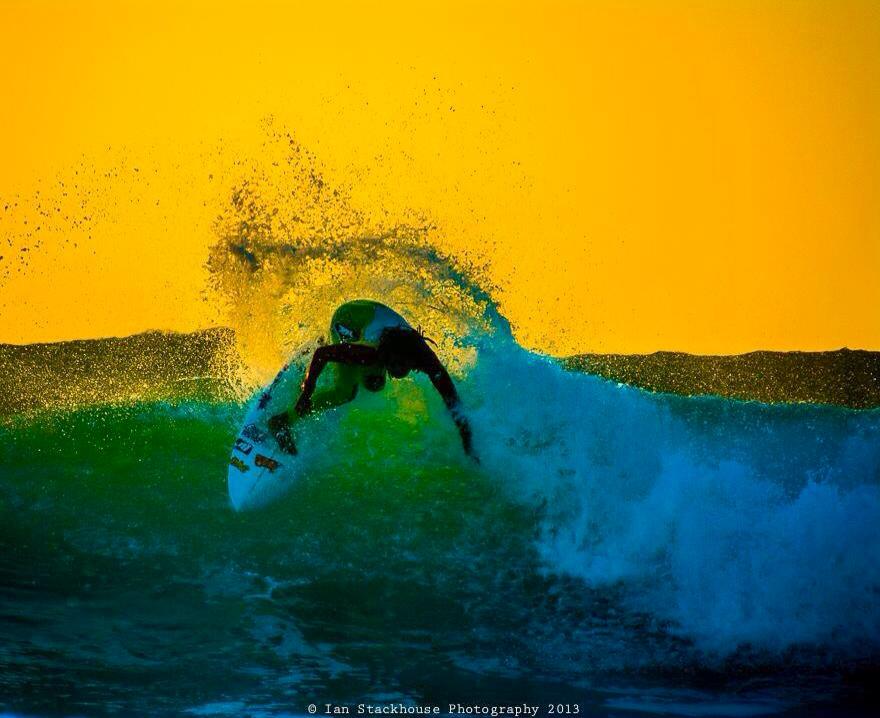
    Mt. Irvine bay is very popular beach in Tobago for locals and vistors, and especially surfers. There are cabanas, food outlets, beach bar and a fish market and well as a beach facility with security and lifeguards.The bay is part of the extended Buccoo Reef System with small patches of coral reefs that are great for snorkelling and the Mt. Irvine Wall for scuba diving. Mt. irvine is the most popular Surfing spot in tobago with a Right Break over coral rock bed.

    Stone Haven Bay (Grafton Bay)

    Stone Haven Bay is also know as Grafton Bay is a popular sea turtle nesting site and home to the Grafton Resort and Waves restaurant and bar. This bay is popular with large groups and for exercising. Seine pulling (Net fishing) can be observed at times. No facility, security or lifegurds available.

    Back Bay (Rocky Point)

    Back bay which is officially known and Rocky Point is a beautiful semi-secluded bay that is popular for nesting leatherback and hawksbill sea turtles. Back bay is very scenic but the waters can get very strong with big waves and powerful currents. The bay is popular with families, beach limes and couples. No facility, security or life guards available.

    Links

  • Tobago

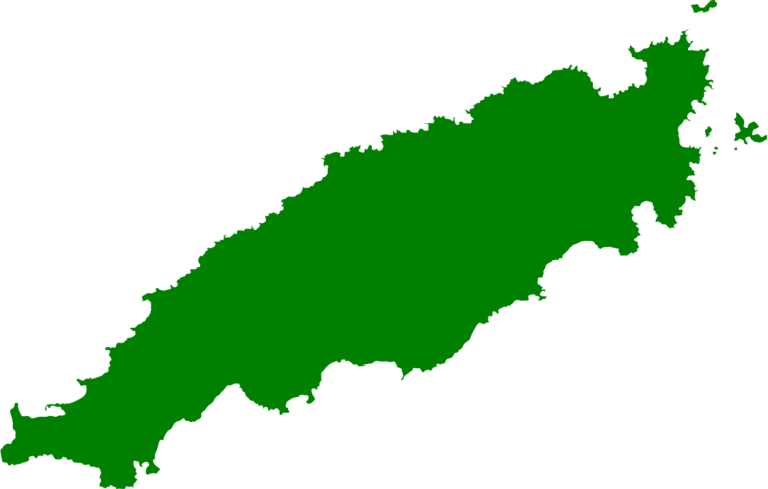
    Tobago is a beautiful Caribbean island located in the southern part of the Lesser Antilles. It is one of the two main islands that make up the Republic of Trinidad and Tobago, a country in the Caribbean Sea. Tobago is located about 30 kilometers northeast of Trinidad and covers an area of approximately 300 square kilometers.

    The island is known for its beautiful beaches, lush rainforests, and unique culture. The capital of Tobago is Scarborough, which is also the largest town on the island. The island is home to a population of approximately 60,000 people, and the official language is English.

    Tobago has a rich history and is known for its colonial heritage. It was once a Dutch, French, and British colony before gaining independence in 1962. Today, Tobago is a popular tourist destination known for its stunning beaches, vibrant coral reefs, and diverse wildlife.

    Some of the popular attractions on the island include Pigeon Point Beach, Store Bay, Buccoo Reef, and Nylon Pool. Tobago is also home to several festivals throughout the year, including the Tobago Heritage Festival, Carnival, Buccoo Goat Race, and the Great Fete Weekend.

    Tourism is the main industry on the island, and there are plenty of accommodation options ranging from luxury resorts to budget guesthouses. Some of the popular activities for visitors include hiking in the rainforest, bird watching, beach hopping, and visiting historical sites like Fort King George.

    The local culture is vibrant and colorful, with music, dance, and festivals playing an important role in daily life. Some of the most popular festivals include the Tobago Jazz Experience, the Tobago Heritage Festival, and the Great Fete Weekend.

    Overall, Tobago is a beautiful and welcoming island that offers visitors a unique blend of natural beauty, history, and culture. It is a great destination for anyone looking to experience the Caribbean in a more authentic and off-the-beaten-path way.

    • Capital – Scarborough
    • People – ~70,000
    • Islands – 6
    • Villages – 36+
    • Districts – 15
    • Towns – 2

    • Length – 25.5 miles
    • Size – 116 mi²
    • Width – 7.5 miles
    • Latitude – 11.2337° N 
    • Longitude – 60.6989° W
    • 21 miles North-East of Trinidad.

    Climate and Geography

    In terms of climate, Tobago has a tropical climate with temperatures ranging from 24°C to 32°C throughout the year. The rainy (wet) season runs from June to December, but even during this time, the island still experiences plenty of sunshine.

    Tobago’s climate is pleasant all year round. It is cooler and less humid than Trinidad because of the more frequent northeast winds.

    Government and Population

    Since 1889, Tobago and Trinidad have shared the same government. In 1980 the Tobago House of Assembly (THA) was instituted and was made responsible for administrative governance within the island, with local governance remaining with the city and county councils. In 1987, full internal self-governance was granted to Tobago. The population is approximately 70,000, of which 80 % are of African decent. 

    History

    Tobago has a rich history, with evidence of human habitation dating back over 5,000 years. The Amerindian Arawaks and the Carib tribes also inhabited the island, before it was colonized by Europeans in the 16th century and became a center of sugar production.

    Tobago changed hands several times between the British and the French, and it was also briefly occupied by the Dutch and Spanish. Today, Tobago is part of an independent nation, but it still retains strong ties to the United Kingdom.

  • | |

    Argyle Waterfall

    Argyle Waterfall is a beautiful natural attraction located in the eastern part of Tobago, which is part of the Republic of Trinidad and Tobago. It is a popular spot for tourists and locals alike who want to experience the island’s natural beauty.

    The waterfall is situated in a lush rainforest setting, and visitors can take a short hike through the forest to reach the waterfall. The hike is not particularly challenging, but it does involve some steep inclines and rocky terrain, so it is important to wear sturdy shoes and bring plenty of water.

    The waterfall itself is approximately 175 feet tall and cascades into a deep pool below, where visitors can swim and cool off in the refreshing waters. The surrounding forest is also home to a variety of wildlife, including birds and butterflies, making it an ideal destination for nature lovers.

    Overall, the Argyle Waterfall is a must-visit attraction for anyone traveling to Tobago, offering a unique opportunity to experience the island’s natural beauty and explore its lush rainforest environment.

    • The waterfall is located in the area of Roxborough – on the eastern side of Tobago – ‘country side’.
    • Argyle is high multidrop waterfall on the edge of the rain-forest rising over 160ft high.
    • It takes about 15-20 minutes walking along the trail from the entrance to the base of the waterfall.
    • There is a paid entry fee of $60 TTD for visitors.
    • A small bar with snacks and a toilet facility (no shower) is available.
    • Guides are available for hire.

    The waterfall pools can be deep – take caution if swimming!

  • International Airport – TAB

    Tobago has one main international airport, the Arthur Napoleon Raymond Robinson International Airport (TAB), which is located on the southwestern coast of the island, near the town of Crown Point.

    The airport is named after the former Prime Minister of Trinidad and Tobago, and it is the smaller of the two international airports in the country, with the Piarco International Airport in Trinidad being the larger one.

    TAB serves as a hub for several regional airlines, including Caribbean Airlines and LIAT, and it offers flights to destinations throughout the Caribbean, as well as to North America and Europe.