
Bon Accord Lagoon
The Bon Accord Lagoon is fringed by mangrove wetlands and an important habitat for many species of marine life. Because of this wetland the whole area is accessible only by boat, making it popular destination for Island boat tours.
The Bon Accord Lagoon is fringed by mangrove wetlands and an important habitat for many species of marine life. Because of this wetland the whole area is accessible only by boat, making it popular destination for Island boat tours.
Useful Information from locals, to help you have the best experience while on the island of Tobago.
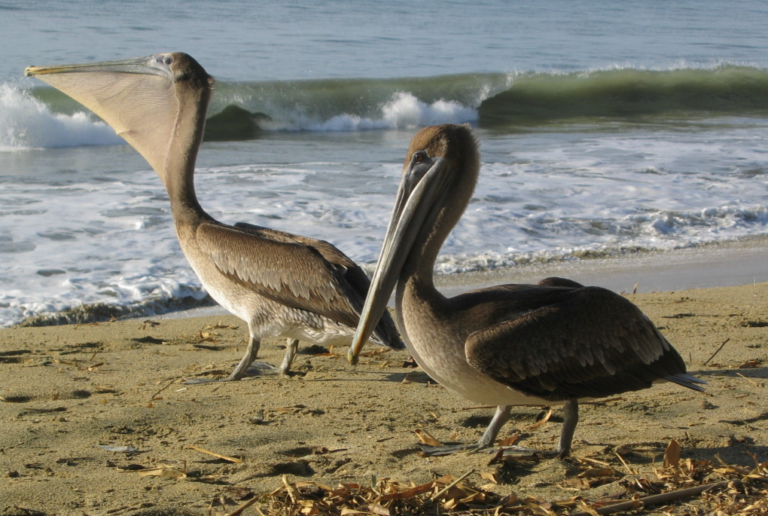
Tobago is home to a rich diversity of bird species, including both resident and migratory species. Some of the most commonly observed bird species on the island include:
Tobago is also home to several species of parrots, including the endangered Trinidad and Tobago endemic species, the Trinidad piping-guan. Other notable species include the white-necked jacobin, collared trogon, and the yellow-bellied elaenia. Tobago’s Main Ridge Forest Reserve is an excellent place to observe a variety of bird species in their natural habitat.
These are just a few of the many bird species that can be found on Tobago. The island’s diverse range of habitats, from forests and woodlands to coastal areas and open fields, provide a home to a wide variety of bird species.
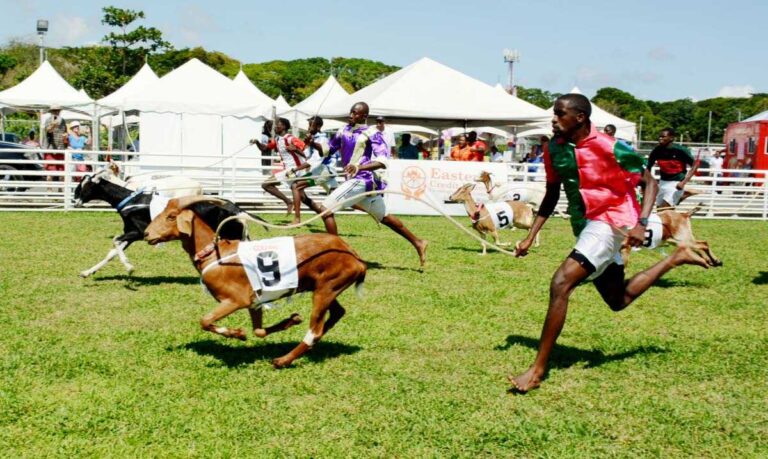
The Tobago Goat Race is an annual event that takes place on the Caribbean island of Tobago. It is a unique cultural event that has been held for over a century and attracts both locals and visitors to the island.
The Tobago Goat Race is essentially a type of goat-racing event, where trained goats compete against each other in a race. The goats are typically bred and trained specifically for this purpose and are often adorned with colorful costumes and decorations.
The event usually takes place in Buccoo, a small fishing village on the island’s west coast. It is a day-long celebration that includes food, music, and other cultural activities in addition to the goat races.
The Tobago Goat Race is not only a fun and entertaining event, but it is also an important part of Tobago’s cultural heritage. It is a way for the islanders to celebrate their traditions and showcase their unique way of life to the world. If you happen to be in Tobago during the event, it is definitely worth checking out!
Easter Tuesday
Buccoo, a small seaside village on the southwest coast of Tobago, has hosted goat racing since 1925. Goat racing developed as a poor man’s equivalent to horse racing In the early twentieth-century, since horse racing was reserved for the local elite. Since horse racing traditionally occurred on the Monday after Easter Sunday, Easter Tuesday was chosen to run goat races by the Buccoo Goat Race Festival Committee, a sub-committee of the Buccoo Village Council, that organises the event annually.
Easter Monday
The village of Mt. Pleasant is also hosts to the goat racing festival which occurs on Easter Monday. A large gathering of family, friends and acquaintances also adds to the event’s popularity and attendance on the day.
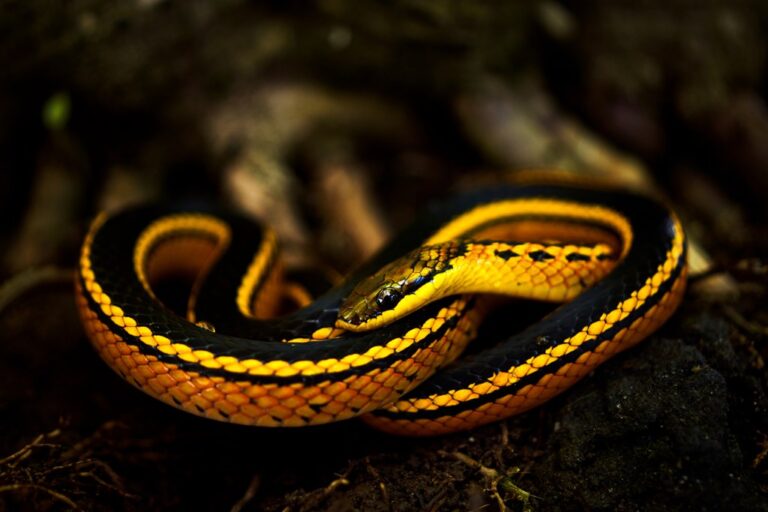
Tobago is home to several species of snakes, although they are not commonly seen by visitors to the island. The snakes of Tobago are generally harmless to humans, and they play an important role in the island’s ecosystem by controlling rodent populations and other small animals.
One of the most common snakes found on Tobago is the common racersnake (Alsophis antiguae), which is a small, non-venomous species that is usually found in forested areas. Another species found on Tobago is the brown vine snake (Oxybelis aeneus), which is a slender, arboreal snake that feeds on lizards and small birds.
The Tobago coral snake (Micrurus circinalis) is also found on the island, although it is relatively rare and is only found in certain areas. This species is venomous, but it is not aggressive and will generally only bite if it feels threatened.
It is important to note that while Tobago’s snakes are generally not dangerous to humans, visitors to the island should still take care when exploring natural areas and should avoid disturbing or handling any snakes they may encounter.
Tobago has ~21 species of non-poisonous snakes recored on the island. Sizes range from some inches up to 15 feet. Boa Constrictors, Ratonels, Horsewhips, Doctor snakes etc. are a common sight in developed areas.

Bon Accord Lagoon is a shallow lagoon located on the southwestern coast of Tobago, which is an island in the southern Caribbean Sea and part of the nation of Trinidad and Tobago.
The lagoon is separated from the ocean by a narrow strip of land, and is connected to the sea by a narrow channel. The area surrounding the lagoon is known for its mangrove forests and wetlands, which provide important habitat for a variety of bird species, including herons, egrets, and kingfishers.
The lagoon is also home to a variety of fish, crabs, and other marine life. The area is popular for nature walks, birdwatching, and kayaking tours. Visitors can explore the lagoon and its surrounding mangrove forests on guided tours or by renting kayaks.
The lagoon is located near the village of Bon Accord, which is accessible by car or taxi from the nearby Crown Point area.
The Bon Accord Lagoon is surrounded by the mangrove wetlands and the Buccoo Reef making it an important habitat for many species of animals and marine life.


The lagoon is easier to access by water with boats, kayaks, paddle-board etc.
What’s near:
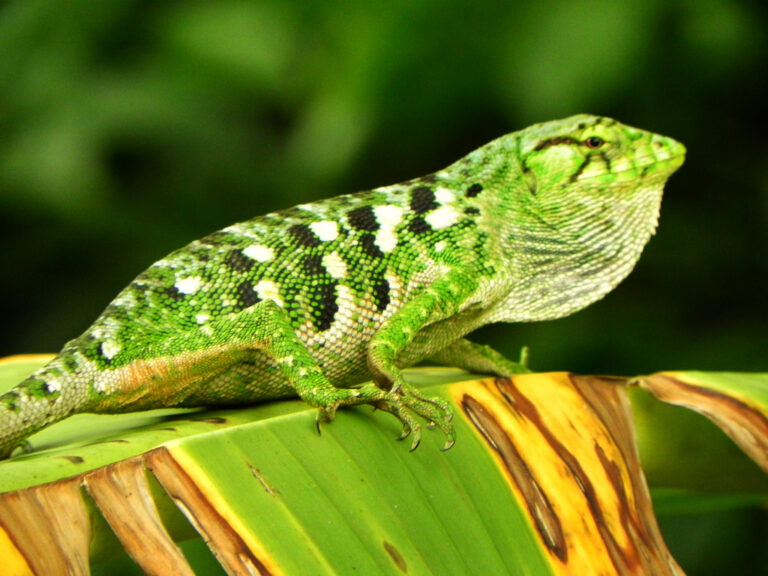
Tobago is home to several species of lizards, which play an important role in the island’s ecosystem. Some of the most commonly found lizards in Tobago include:
Overall, Tobago’s lizards play an important role in the island’s ecosystem and are an interesting and unique aspect of its wildlife. However, it is important to respect and protect these creatures and their habitats to ensure their continued survival.
The Tobago Heritage Festival is an annual event that takes place on the island of Tobago in the Republic of Trinidad and Tobago. The festival celebrates Tobago’s rich cultural heritage and traditions and takes place over a two-week period in late July and early August.
During the festival, visitors can enjoy a wide range of cultural events and activities, including traditional music and dance performances, storytelling sessions, arts and crafts exhibitions, and local cuisine. The festival also features historical reenactments and demonstrations of traditional skills such as boat-building, basket-weaving, and wood-carving.
One of the highlights of the Tobago Heritage Festival is the “ole time wedding” reenactment, which is a recreation of a traditional Tobagonian wedding from the past. The festival also includes a “parang” competition, which is a type of traditional music that originated in Trinidad and Tobago.
The Tobago Heritage Festival provides an opportunity for visitors to learn about Tobago’s rich history and cultural heritage, and to experience the island’s unique traditions and way of life. The festival is a vibrant celebration of Tobago’s past, present, and future, and is a must-see event for anyone visiting the island.