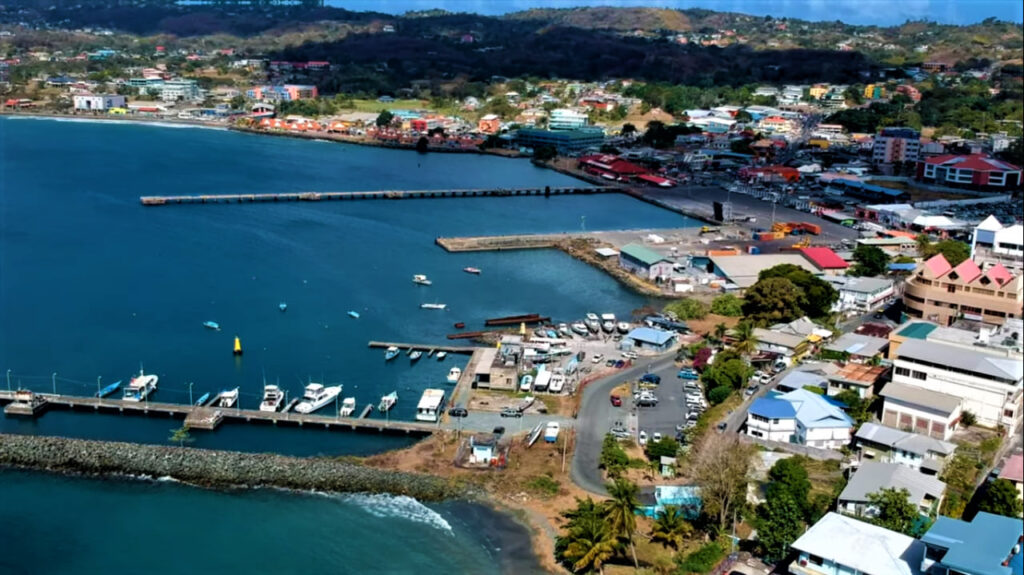
10 Reasons Why You Should Visit Tobago

1. Beautiful Beaches
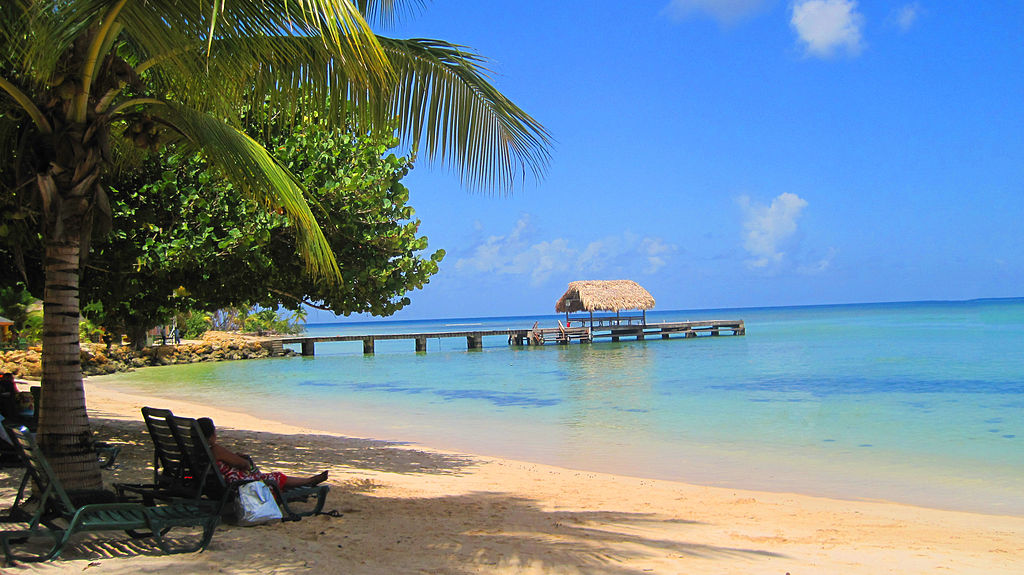
Tobago is home to some of the most stunning beaches in the Caribbean, with clear turquoise waters and white sandy shores. Popular beaches include Pigeon Point, Store Bay, Buccoo, Mt. Irvine and Englishman’s Bay.

2. Biodiversity

Black pelicans

Tobago boasts a rich and diverse ecosystem with over 200 species of birds, marine life, and lush rainforests to explore. The island is also home to the world’s oldest protected rainforest reserve, the Main Ridge Forest Reserve.

3. Snorkeling and Diving
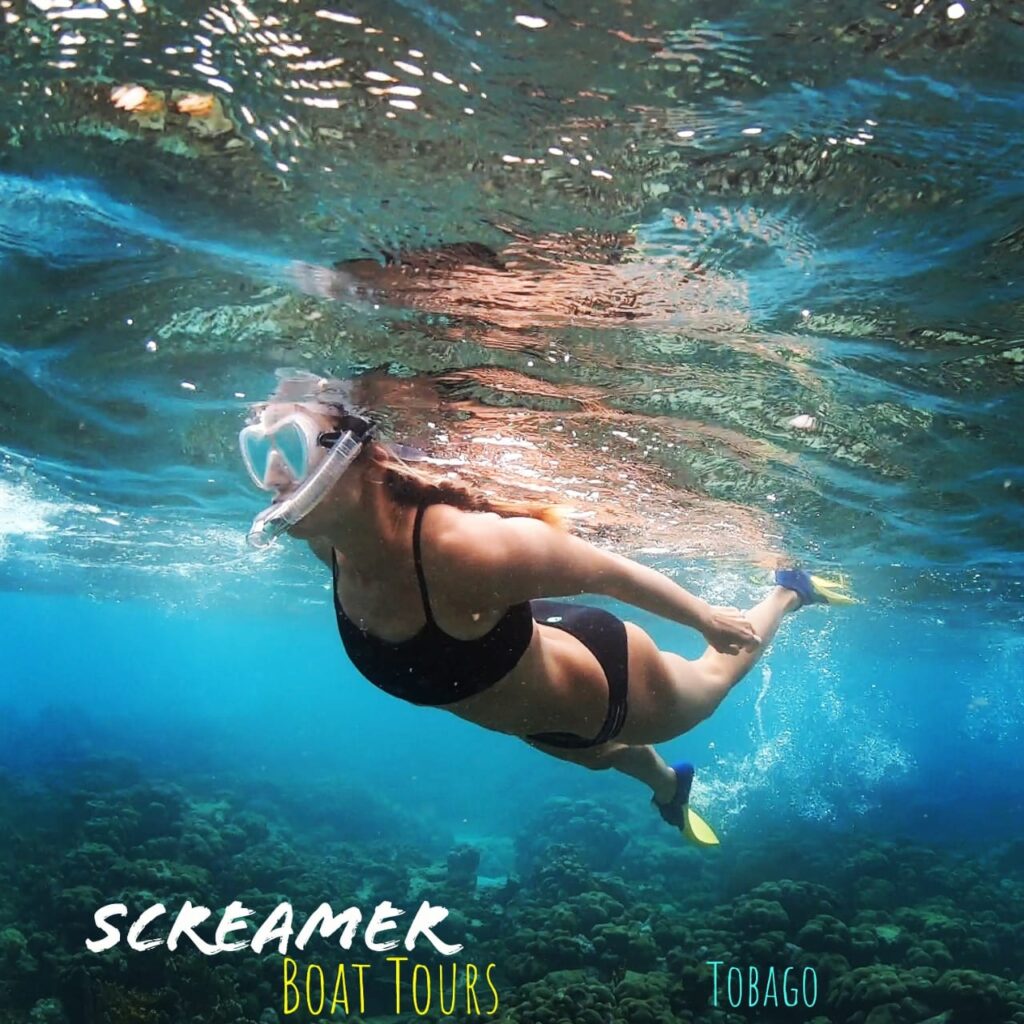
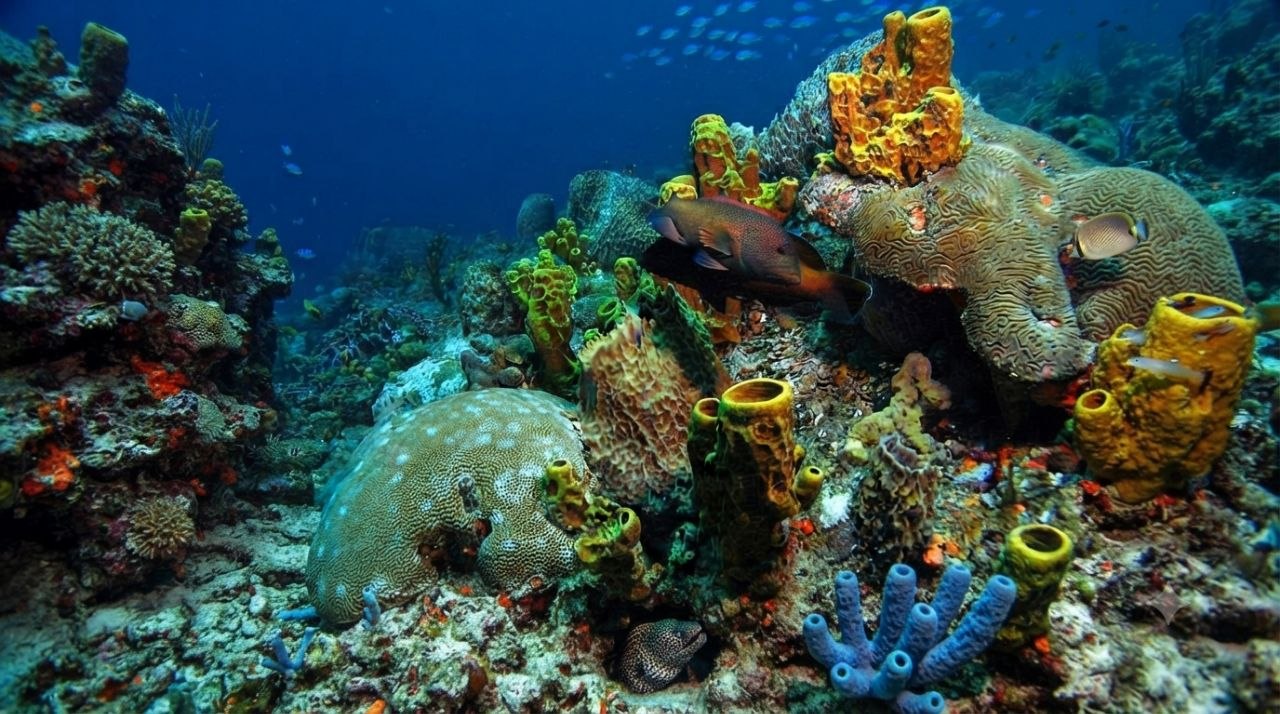
Tobago’s clear waters and coral reefs offer incredible snorkeling and diving opportunities, with colorful fish and marine life to discover. Buccoo Reef is one of the most popular spots for snorkeling and diving.

4. Watersports
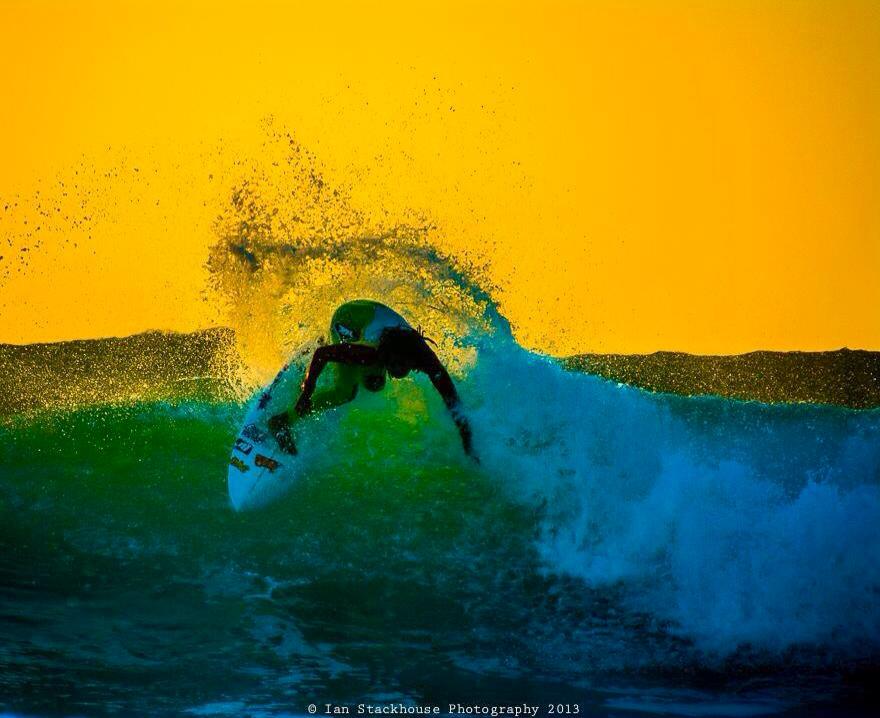
andre surfing in mt. irvine tobago

Tobago is a great place to enjoy water sports such as windsurfing, kiteboarding, surfing kayaking, and stand-up paddleboarding.

5. Culture and History

Tobago has a rich cultural history, with a mix of African, European, and Caribbean influences. There are several historical sites to explore, including Fort King George, the Tobago Museum, and the Heritage Park.

6. Food
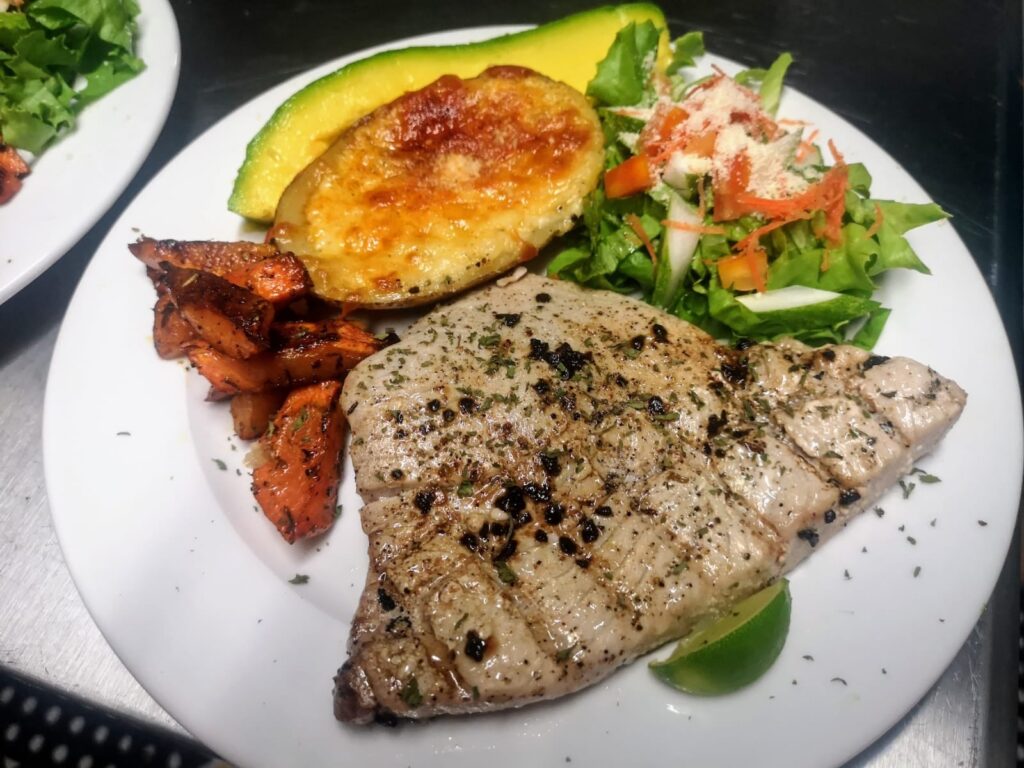
Tobago’s cuisine is a fusion of African, Indian, and European influences, with fresh seafood and spices being a staple. Some must-try dishes include curried crab and dumplings, callaloo soup, and bake and shark.

7. October Carnival
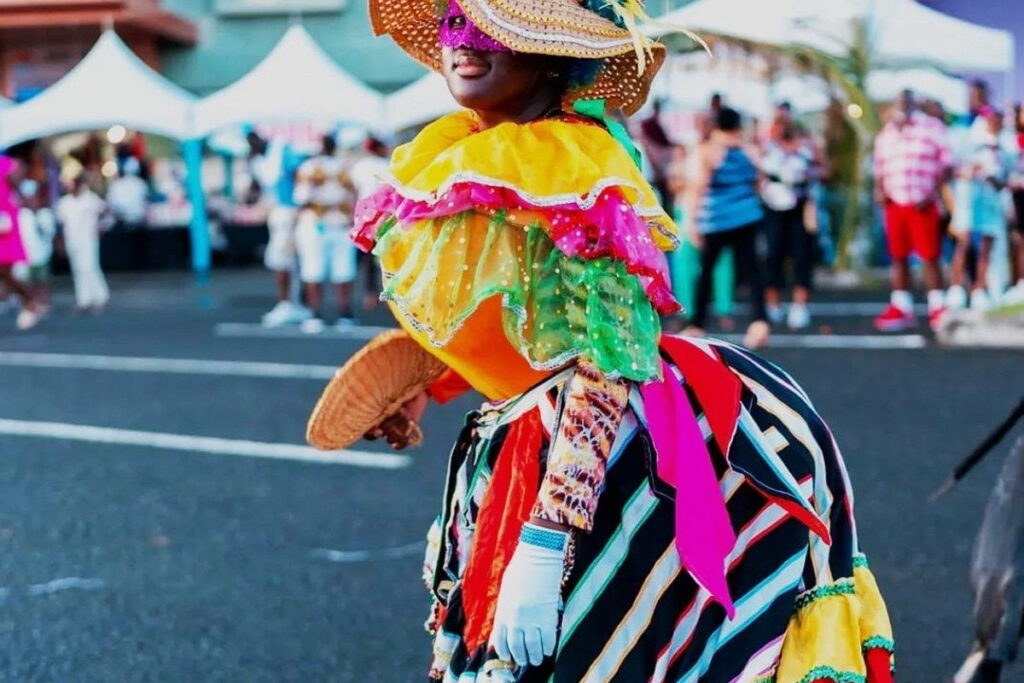
Tobago’s Carnival is a vibrant celebration of music, dance, and color, with colorful costumes and energetic traditional performances. It’s separate and smaller from the main Trinidad Carnival. It’s and is usually held in late October (Oct 30–Nov 1, 2026) in Scarborough and other areas around the island. It features Jouvert (morning paint/mud mas), traditional characters, steelpan, and intense street parades of bands and people.

8. Relaxation
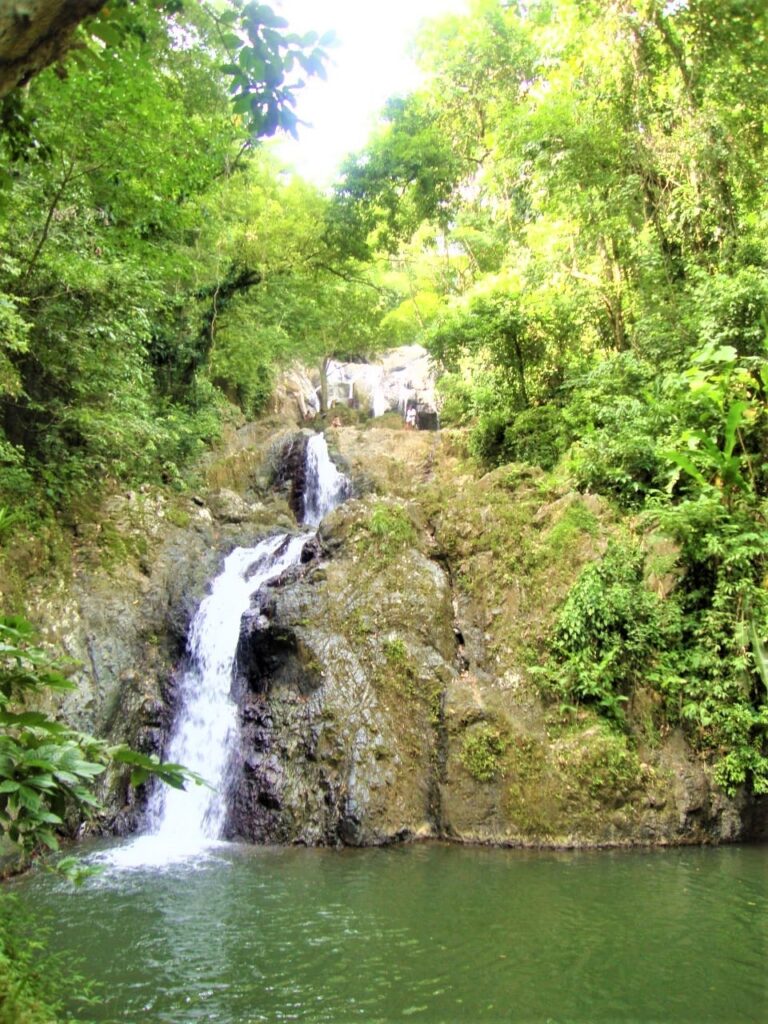
Tobago is a great place to relax and unwind, with many secluded beaches and tranquil spots to enjoy. Some popular spots include Pleasant Prospect, Charlotteville, Castara, and Speyside.

9. Wildlife

Tobago is home to a variety of wildlife, including the Tobago hummingbird, the Cocrico, and the endangered leatherback sea-turtle. There are several nature reserves and sanctuaries to visit, including the Tobago Cocoa Estate and the Little Tobago Island Bird Sanctuary.

10. Hospitality
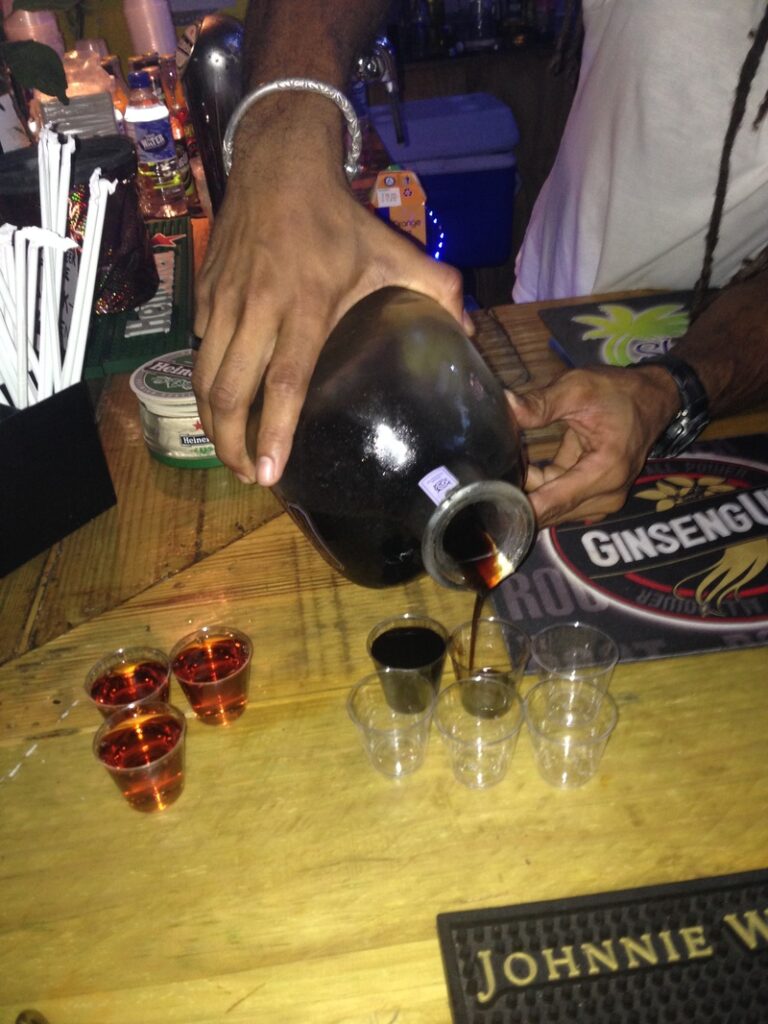
Tobago is known for its warm and friendly people, who are always ready to welcome visitors and make them feel at home. The island’s laid-back and welcoming atmosphere is one of its biggest draws.
Related Guides

  • | |

    Pigeon Point

    Pigeon Point is a popular beach and tourist destination located on the southwestern tip of Tobago, which is an island in the southern Caribbean Sea and part of the nation of Trinidad and Tobago.

    The beach is known for its soft white sand, crystal-clear waters, and scenic views of the nearby Buccoo Reef. The area has been developed into a beach resort with facilities such as restaurants, bars, changing rooms, and water sports equipment rentals, including kayaks, paddle boards, and jet skis.

    Pigeon Point is also a popular spot for snorkeling and scuba diving due to its proximity to the Buccoo Reef, which is home to a diverse array of marine life. The beach is accessible by car or taxi from the nearby Crown Point area.

    Pigeon Point is one of the island’s most known beach.
    The entire peninsula is also known as Pigeon Point Heritage Park.

    • Life guards
    • Security
    • Cabanas
    • Water sports
    • Shops
    • Restaurant & Bar
    • Entrance fee – $20.00 TTD for Adults, Kids $10.00 TTD
      under 6 yrs – free
  • | |

    Buccoo Reef & Nylon Pool

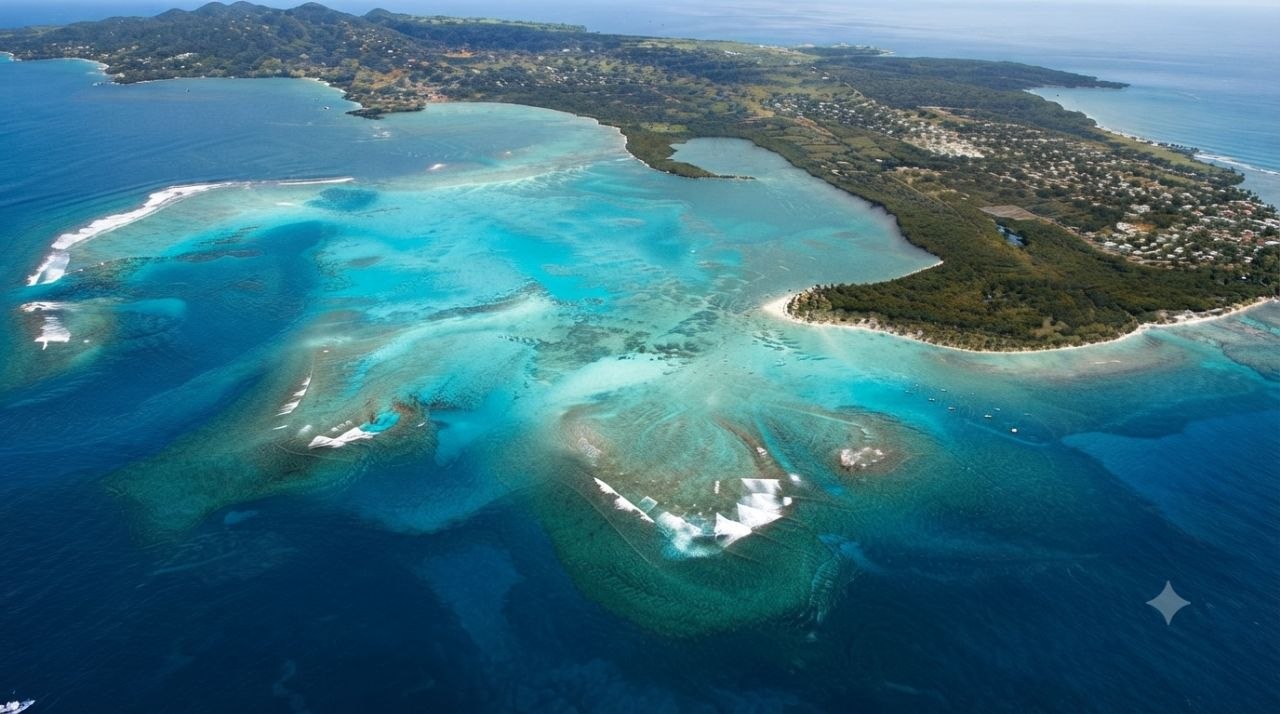
    The Buccoo Reef is a crown jewel of Tobago’s marine life. It is one of the most accessible coral reefs in the Caribbean, it offers a window into a vibrant underwater world of fringing coral reefs.

    The Buccoo Reef Marine Park

    The reef is located on the western coast of the island of Tobago. It is a protected marine park and is one of the largest coral reefs in Tobago.

    Glass Bottom Reef Boats

    Visitors can take glass-bottom reef-boat tours to view the stunning array of marine life and coral formations that make up the fringing reef system. Snorkeling and scuba diving are also popular activities in the area.

    What to Expect

    The Coral Gardens

    ​The Coral Gardens: A slightly deeper area of the reef, known for its stunning coral formations and diverse tropical fishes, that can be viewed through the glass bottom reef boats.

    Nylon Pool

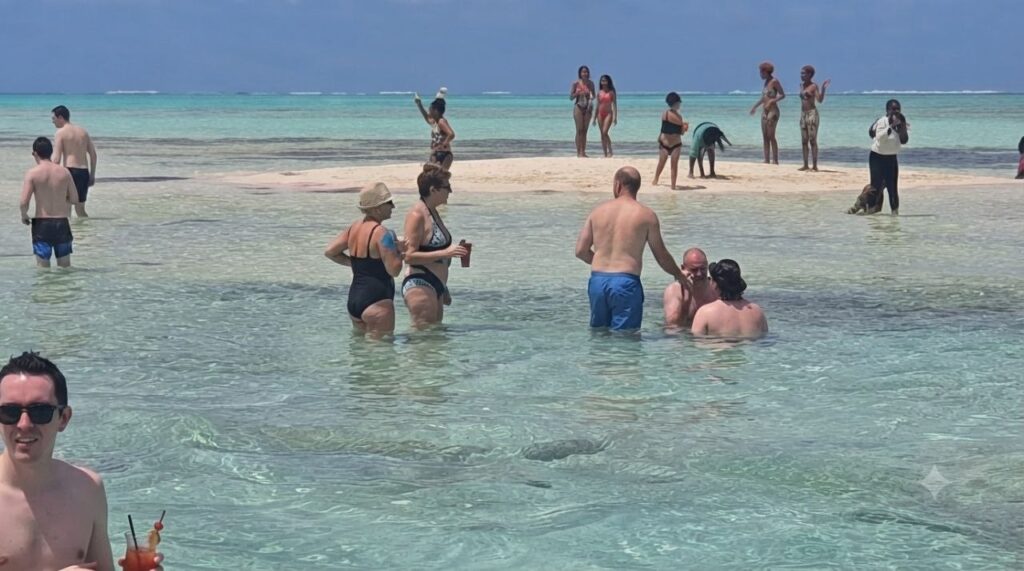
    The Nylon Pool: A natural, waist-deep area in the reef that was named by Princess Margaret in 1962, who reportedly said the water was as clear as her nylon stockings.

    Reef Sand Bank

    The Sand Bank: This is a natural formation of sand deposited in a small area of the reef. It is sometimes visible depending on the tides and currents.

    Bon Accord Lagoon

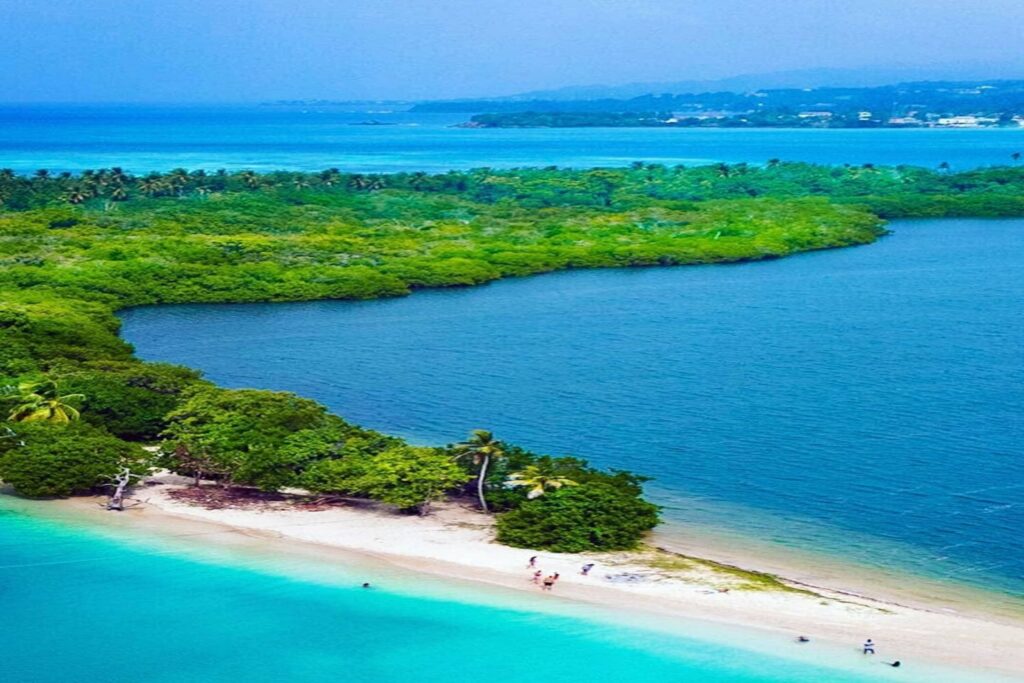
    Bon Accord Lagoon: The Buccoo Reef borders the Bon Accord Lagoon, creating a complex ecosystem essential for the island’s sea life and mangroves.

    Essential info

    • Size –  2.7 mi²
    • Type – Fringing Coral Reef
    • Largest in Tobago
    • Nylon Pool
    • Coral Gardens
    • Bon Accord Lagoon
    • Reef boat tours
    • Snokelling
    • No mans land

    Sun Protection: The sun reflects off the shallow water intensely. Wear reef-safe sunscreen or a rash guard to protect your skin and the delicate corals below.

    Footwear: While the sand is soft, some areas near the reef can be sharp. Consider water shoes if you plan on exploring.

    Booking Your Tour: Most tours depart from Buccoo Beach, Store Bay, or Pigeon Point. You don’t always need to book online; you can often find reputable local operators directly on the beach, but checking reviews on platforms like TripAdvisor or Instagram first is always a good idea.

    ​Beyond the Reef: Local Culture
    ​If you have time, many tours also stop at No Man’s Land, a secluded beach nearby. It’s the perfect place to relax after your swim, enjoy a local snack, and take in the view of the coastline

    No man’s land

    Overall, Buccoo Reef is a must-visit destination for anyone on the island of Tobago, offering a unique blend of natural marine beauty, adventure, and local culture.

  • | |

    Little Tobago

    Little Tobago is a small island located off the northeast coast of Tobago, which is itself an island in the southern Caribbean Sea and part of the nation of Trinidad and Tobago. Little Tobago is also known as Bird of Paradise Island, due to its abundance of exotic birds, including the red-billed tropicbird, the white-tailed sabrewing hummingbird, and the magnificent frigatebird.

    The island is home to a bird sanctuary and nature reserve, and is a popular destination for birdwatchers and eco-tourists. It is accessible by boat from the village of Speyside on Tobago’s main island.

    The island is popular for

    • Naturalists
    • Bird-watching
    • Angel reef
    • Scuba diving
    • Glass-bottom boat tours

    Angel reef is also a popular site around the island for divers and glass-bottom boat tours.

    The largest brain coral in the caribbean is also located on the reef system.

    The island is an important breeding site for seabirds such as red-billed tropicalbird, bridled terns and many more.

  • |

    Scarborough

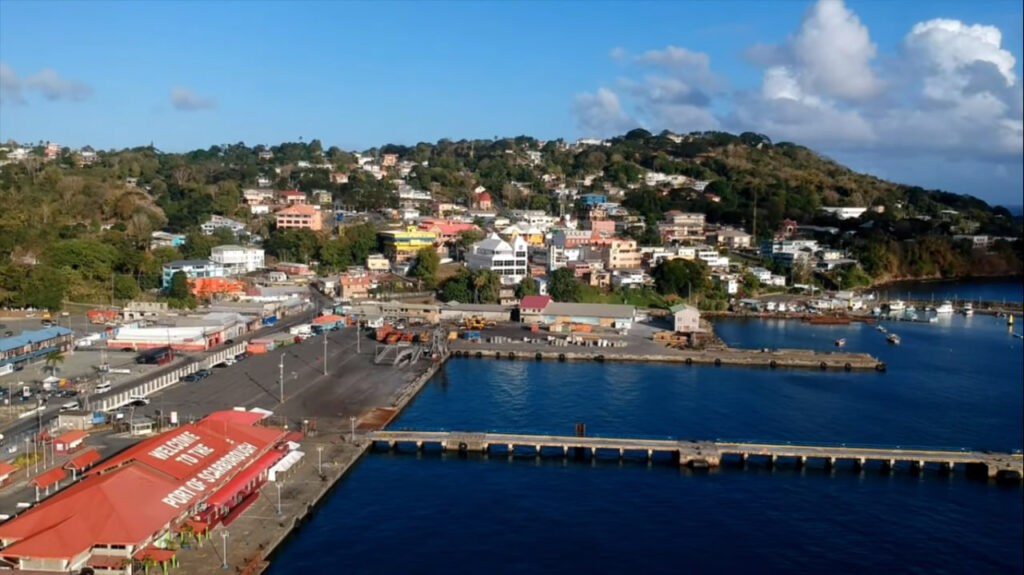
    Scarborough is the capital city of Tobago, a small island nation in the Caribbean. Located on the southwestern coast of Tobago, Scarborough is home to approximately 17,000 people and serves as the administrative and economic center of the island.

    One of the main attractions in Scarborough is Fort King George, a historic fortification that was built by the British in the 18th century. Today, the fort houses several museums and galleries that showcase the island’s history and culture.

    Scarborough is also home to the Market where visitors can purchase fresh produce, local crafts, and other goods. The city is also known for its lively nightlife, with numerous bars, restaurants, and nightclubs offering a range of entertainment options.

    Other notable attractions in Scarborough include the Botanical Gardens.
    With its mix of history, culture, and natural beauty, Scarborough is a must-visit destination for anyone traveling to Tobago.

    Scarborough became the capital of Tobago in 1769. Scarborough’s deepwater harbour was built in 1991; before that ships would anchor offshore. The estimated population of Scarborough is approximately ~18K.

    Local Amenities

    • Coast Guard. Police. Fire Services
    • Public Washrooms
    • Public Library 
    • Health Center
    •  Ferry Service
    •  Schools
    • Guesthouses
    • Security
    • Local Market
    • Restuarants & Bars
    • Food Vendors/Craft shops
    • Public Transport
    • Off Road Parking
    • Banks and Credit Unions
    • Supermarkets, stores, hardwares

    Battle of Scarborough 1677 – Before being called Scarborough, the area was called Lampinsburg by the dutch with the bay of Scarborough being called Lampins bay also known as Roquely Bay (Rockly Bay). The Dutch built a fort on top of a nearby hill which is known today as Dutch fort hill in down town Scarborough. In February and December of 1677, the Dutch and French both wanted control of Tobago which lead to a bloody battle in Scarborough bay and on dutch fort hill which resulted in the death of thousands, including French and Dutch women and children and African slaves. Three hundreds years later and the remains of up to 20 warships and their undiscovered artifacts are still in the muddy bottom of what is now Scarborough harbor.

  • Amerindian Tribes

    Tobago was home to several Amerindian tribes before the arrival of Europeans. These tribes included the Arawaks, Caribs, and Waraos.

    The Arawaks were the first known inhabitants of Tobago, and they arrived on the island around 500 AD. They were a peaceful people who lived off the land through fishing, hunting, and farming. They constructed homes made of wood and thatch, and their society was organized into clans and governed by a chief.

    The Caribs, who were known for their aggressive nature, arrived on Tobago sometime in the 14th century, and they quickly established dominance over the Arawaks. They were skilled warriors and seafarers, and they used Tobago as a base for raiding nearby islands.

    The Waraos, who were a seafaring people from the Orinoco Delta region of present-day Venezuela, also visited Tobago regularly for fishing and trading.

    The arrival of European explorers and colonizers in the 16th century brought significant changes to Tobago’s indigenous population. The Spanish, French, Dutch, and British all established settlements on the island at various times, and they often used force to subjugate and exploit the native population. Many Amerindians were enslaved or forced to work on plantations, and their culture and way of life were eroded over time.

    Today, there are few remaining traces of Tobago’s indigenous population, although some place names and archaeological sites serve as reminders of the island’s rich pre-colonial history. The Tobago Museum in Scarborough also has exhibits and information on the island’s indigenous peoples

  • |

    Bon Accord Lagoon

    Bon Accord Lagoon is a shallow lagoon located on the southwestern coast of Tobago, which is an island in the southern Caribbean Sea and part of the nation of Trinidad and Tobago.

    The lagoon is separated from the ocean by a narrow strip of land, and is connected to the sea by a narrow channel. The area surrounding the lagoon is known for its mangrove forests and wetlands, which provide important habitat for a variety of bird species, including herons, egrets, and kingfishers.

    The lagoon is also home to a variety of fish, crabs, and other marine life. The area is popular for nature walks, birdwatching, and kayaking tours. Visitors can explore the lagoon and its surrounding mangrove forests on guided tours or by renting kayaks.

    The lagoon is located near the village of Bon Accord, which is accessible by car or taxi from the nearby Crown Point area.

    The Bon Accord Lagoon is surrounded by the mangrove wetlands and the Buccoo Reef making it an important habitat for many species of animals and marine life.

    The lagoon is easier to access by water with boats, kayaks, paddle-board etc.

    What’s near:

    • Buccoo Reef
    • No Man’s Land
    • Mangrove Wetlands
    • Pigeon Point
    • Buccoo Bay