
Bon Accord Lagoon
The Bon Accord Lagoon is fringed by mangrove wetlands and an important habitat for many species of marine life. Because of this wetland the whole area is accessible only by boat, making it popular destination for Island boat tours.
The Bon Accord Lagoon is fringed by mangrove wetlands and an important habitat for many species of marine life. Because of this wetland the whole area is accessible only by boat, making it popular destination for Island boat tours.
Useful Information from locals, to help you have the best experience while on the island of Tobago.
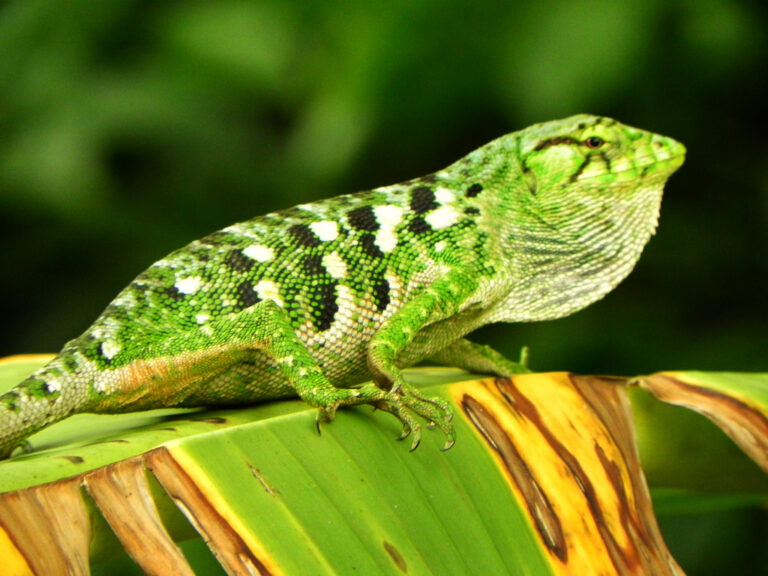
Tobago is home to several species of lizards, which play an important role in the island’s ecosystem. Some of the most commonly found lizards in Tobago include:
Overall, Tobago’s lizards play an important role in the island’s ecosystem and are an interesting and unique aspect of its wildlife. However, it is important to respect and protect these creatures and their habitats to ensure their continued survival.
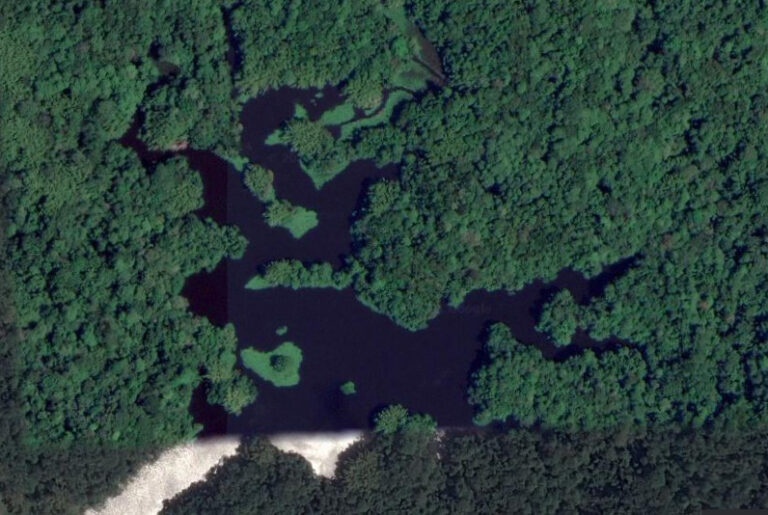
Hillsborough Reservoir, which was commissioned in May 1952, by His Excellency Sir Hubert Elvin Rance, then Governor of Trinidad and Tobago, is the only impounding reservoir in Tobago.
The reservoir is located 870 feet above sea level, Hillsborough has a rustic beauty and an elegantly designed spillway which provides a safety outlet when the reservoir is too full. The reservoir has a maximum storage capacity of 1.02 million m³ and the water treatment plant located just below can produce up to 9,091m3 per day.
Water from the reservoir serves areas such as Mt. St. George, Concordia, Whim, Mary’s Hill, Union and Les Coteaux.
The raw water from the reservoir passes through two strainers that clear the incoming water of large debris such as branches, twigs and leaves before entering the chemical house. Aluminium sulphate (alum) is added to make the suspended particles of silt and mud in the water coagulate and form large and heavier particles that sink to the bottom of the sedimentation (or settling) basins. The water is then filtered through layers of sand and gravel, a process that removes fine particles still in the water. The final stage of the water treatment process is the addition of lime, to counteract the acidity of the water and the injection of chlorine to destroy any disease-causing bacteria.
Construction of the Hillsborough Dam significantly changed the landscape but the catchment area and the reservoir still teem with an abundance of wildlife and a variety of flora.
There are twenty-eight (28) species of birds documented at Hillsborough which will excite the interest of any bird watcher.


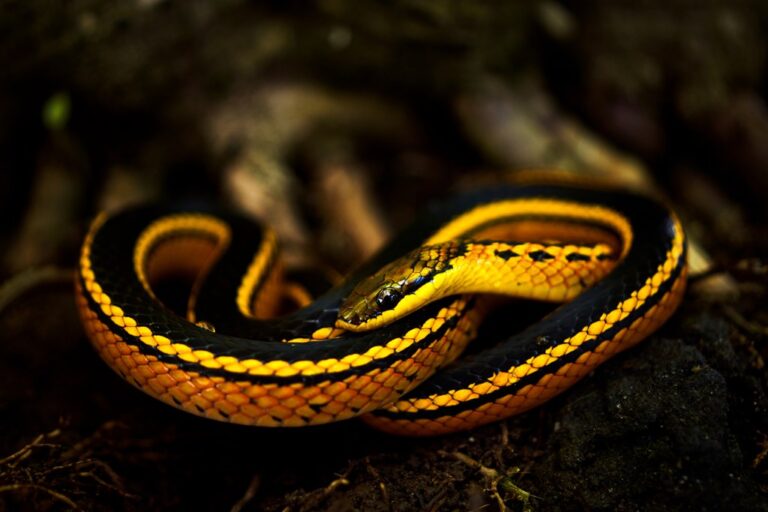
Tobago is home to several species of snakes, although they are not commonly seen by visitors to the island. The snakes of Tobago are generally harmless to humans, and they play an important role in the island’s ecosystem by controlling rodent populations and other small animals.
One of the most common snakes found on Tobago is the common racersnake (Alsophis antiguae), which is a small, non-venomous species that is usually found in forested areas. Another species found on Tobago is the brown vine snake (Oxybelis aeneus), which is a slender, arboreal snake that feeds on lizards and small birds.
The Tobago coral snake (Micrurus circinalis) is also found on the island, although it is relatively rare and is only found in certain areas. This species is venomous, but it is not aggressive and will generally only bite if it feels threatened.
It is important to note that while Tobago’s snakes are generally not dangerous to humans, visitors to the island should still take care when exploring natural areas and should avoid disturbing or handling any snakes they may encounter.
Tobago has ~21 species of non-poisonous snakes recored on the island. Sizes range from some inches up to 15 feet. Boa Constrictors, Ratonels, Horsewhips, Doctor snakes etc. are a common sight in developed areas.
The Main Ridge Forest Reserve is a protected area located in Tobago, a small island nation in the Caribbean. Established in 1776, it is the oldest forest reserve in the Western Hemisphere and covers approximately 10% of Tobago’s land area.
The Main Ridge Forest Reserve is home to a wide variety of flora and fauna, including over 200 species of birds, over 600 species of butterflies, and numerous species of mammals, reptiles, and amphibians. It is also an important watershed that provides drinking water to local communities.
The forest reserve offers numerous hiking trails and nature walks, as well as opportunities for birdwatching and wildlife viewing. The reserve is also an important site for research and education, with several institutions conducting studies on the ecology and biodiversity of the forest.
The Main Ridge Forest Reserve is a crucial component of Tobago’s natural heritage, and its protection and conservation are vital to the island’s future sustainability.

Little Tobago is a small island located off the northeast coast of Tobago, which is itself an island in the southern Caribbean Sea and part of the nation of Trinidad and Tobago. Little Tobago is also known as Bird of Paradise Island, due to its abundance of exotic birds, including the red-billed tropicbird, the white-tailed sabrewing hummingbird, and the magnificent frigatebird.
The island is home to a bird sanctuary and nature reserve, and is a popular destination for birdwatchers and eco-tourists. It is accessible by boat from the village of Speyside on Tobago’s main island.
The island is popular for
Angel reef is also a popular site around the island for divers and glass-bottom boat tours.
The largest brain coral in the caribbean is also located on the reef system.
The island is an important breeding site for seabirds such as red-billed tropicalbird, bridled terns and many more.
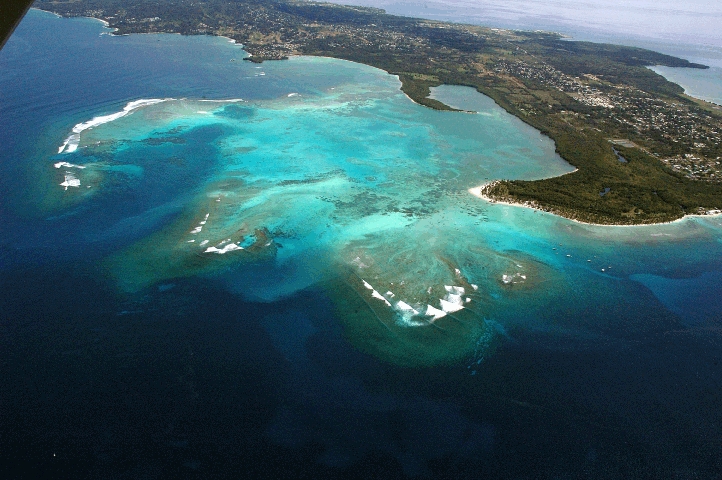
Buccoo Reef is a popular tourist destination located on the northwest coast of the island of Tobago, which is part of the Republic of Trinidad and Tobago. The reef is a protected marine park and is one of the largest coral reefs in Tobago.
Visitors can take glass-bottom boat tours to view the stunning array of marine life and coral formations that make up the reef. Snorkeling and scuba diving are also popular activities in the area. The nearby Nylon Pool, a shallow crystal-clear pool in the middle of the ocean, is another popular attraction.
In addition to its natural beauty, the Buccoo Reef area is known for its vibrant culture and nightlife, with the Sunday School street party being a particularly popular event.
Overall, Buccoo Reef is a must-visit destination for anyone traveling to Tobago, offering a unique blend of natural beauty, adventure, and culture.


The reef borders with the Bon Accord Lagoon, together they create an important and complex marine habitat for hundreds of sea and land creatures and for the livelihood of many people living on the island.