|

Cocrico

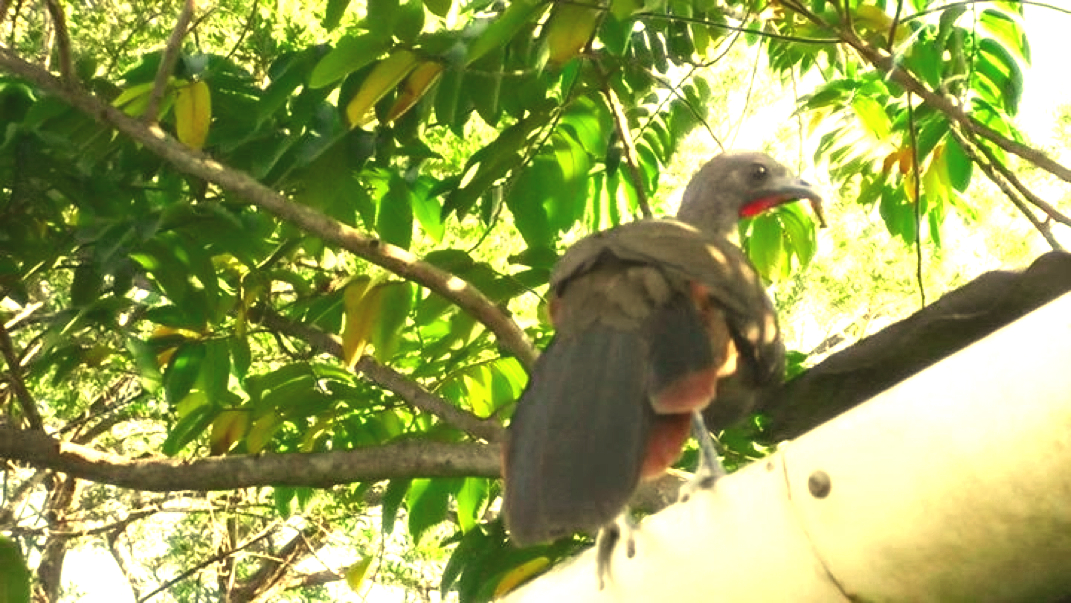
The Cocrico bird, is a bird species native to Tobago. It is a large, ground-dwelling bird that is known for its distinctive call, which sounds like “cock-a-rico”.

The Cocrico bird is found throughout Tobago and especially in Tobago’s Main Ridge Forest Reserve, a protected area of lush rainforest that covers over 14,000 acres. The bird is an important symbol of Tobago’s natural heritage and is featured on the country’s coat of arms.

The Cocrico bird is a beautiful bird with a distinctive appearance. It has a brown body with a white-tipped tail, a bright red crest on its neck. The bird is primarily a fruit eater and is an important seed disperser in the forest ecosystem.

Due to habitat loss and hunting, the Cocrico bird is considered a vulnerable species, and efforts are underway to protect and conserve the bird and its habitat. Visitors to Tobago can take guided tours of the Main Ridge Forest Reserve to see the Cocrico bird and other endemic bird species in their natural habitat.

More Guides

  • Birds of Tobago

    Tobago is home to a rich diversity of bird species, including both resident and migratory species. Some of the most commonly observed bird species on the island include:

    1. The Rufous-tailed Jacamar (Galbula ruficauda): This striking bird is found in Tobago’s forests and woodlands. It has a long, curved bill and a bright, iridescent green body.
    2. The Blue-crowned Motmot (Momotus momota): This distinctive bird is found in Tobago’s forested areas. It has a bright blue crown and a long, racket-shaped tail.
    3. The White-tailed Sabrewing (Campylopterus ensipennis): This hummingbird species is found in Tobago’s forests and gardens. It has a distinctive, curved bill and a metallic green body.
    4. The Red-billed Tropicbird (Phaethon aethereus): This seabird species is found along Tobago’s coasts. It has a striking red bill and long, white tail feathers.
    5. The Yellow-headed Caracara (Milvago chimachima): This bird of prey is found in open areas throughout Tobago. It has a distinctive yellow head and black body.
    6. The Magnificent Frigatebird (Fregata magnificens): This large seabird is found along Tobago’s coasts. It has a distinctive, angular wingspan and a bright red throat pouch.

    Tobago is also home to several species of parrots, including the endangered Trinidad and Tobago endemic species, the Trinidad piping-guan. Other notable species include the white-necked jacobin, collared trogon, and the yellow-bellied elaenia. Tobago’s Main Ridge Forest Reserve is an excellent place to observe a variety of bird species in their natural habitat.

    These are just a few of the many bird species that can be found on Tobago. The island’s diverse range of habitats, from forests and woodlands to coastal areas and open fields, provide a home to a wide variety of bird species.

  • Butterflies of Tobago

    Tobago is home to a diverse range of butterfly species. Some of the most commonly observed species on the island include:

    1. The Blue Emperor (Morpho peleides): This large butterfly is known for its brilliant blue wings, which are often visible from great distances. It is found in forested areas throughout Tobago.
    2. The Postman (Heliconius melpomene): This striking butterfly has black wings with bright orange spots and a red stripe. It is found throughout Tobago in a variety of habitats.
    3. The Zebra Longwing (Heliconius charithonia): This species has long, narrow wings that are black with white stripes. It is found in forested areas and gardens throughout Tobago.
    4. The Common Buckeye (Junonia coenia): This butterfly has brown wings with large eyespots that resemble the eyes of a deer. It is found in a variety of habitats throughout Tobago.
    5. The White Peacock (Anartia jatrophae): This species has white wings with black and orange markings. It is found in open areas and gardens throughout Tobago.

    These are just a few of the many butterfly species that can be found on Tobago. The island’s diverse range of habitats, from forested areas to open fields and gardens, provide a home to a wide variety of butterfly species.

  • |

    Rain Forest

    The Main Ridge Forest Reserve is a protected area located in Tobago, a small island nation in the Caribbean. Established in 1776, it is the oldest forest reserve in the Western Hemisphere and covers approximately 10% of Tobago’s land area.

    The Main Ridge Forest Reserve is home to a wide variety of flora and fauna, including over 200 species of birds, over 600 species of butterflies, and numerous species of mammals, reptiles, and amphibians. It is also an important watershed that provides drinking water to local communities.

    The forest reserve offers numerous hiking trails and nature walks, as well as opportunities for birdwatching and wildlife viewing. The reserve is also an important site for research and education, with several institutions conducting studies on the ecology and biodiversity of the forest.

    The Main Ridge Forest Reserve is a crucial component of Tobago’s natural heritage, and its protection and conservation are vital to the island’s future sustainability.

  • |

    Bon Accord Lagoon

    Bon Accord Lagoon is a shallow lagoon located on the southwestern coast of Tobago, which is an island in the southern Caribbean Sea and part of the nation of Trinidad and Tobago.

    The lagoon is separated from the ocean by a narrow strip of land, and is connected to the sea by a narrow channel. The area surrounding the lagoon is known for its mangrove forests and wetlands, which provide important habitat for a variety of bird species, including herons, egrets, and kingfishers.

    The lagoon is also home to a variety of fish, crabs, and other marine life. The area is popular for nature walks, birdwatching, and kayaking tours. Visitors can explore the lagoon and its surrounding mangrove forests on guided tours or by renting kayaks.

    The lagoon is located near the village of Bon Accord, which is accessible by car or taxi from the nearby Crown Point area.

    The Bon Accord Lagoon is surrounded by the mangrove wetlands and the Buccoo Reef making it an important habitat for many species of animals and marine life.

    The lagoon is easier to access by water with boats, kayaks, paddle-board etc.

    What’s near:

    • Buccoo Reef
    • No Man’s Land
    • Mangrove Wetlands
    • Pigeon Point
    • Buccoo Bay
  • |

    Snakes of Tobago

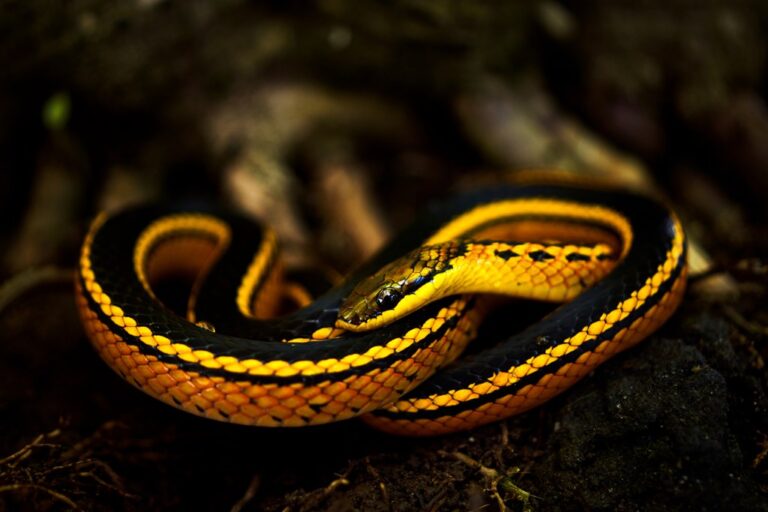
    Tobago is home to several species of snakes, although they are not commonly seen by visitors to the island. The snakes of Tobago are generally harmless to humans, and they play an important role in the island’s ecosystem by controlling rodent populations and other small animals.

    One of the most common snakes found on Tobago is the common racersnake (Alsophis antiguae), which is a small, non-venomous species that is usually found in forested areas. Another species found on Tobago is the brown vine snake (Oxybelis aeneus), which is a slender, arboreal snake that feeds on lizards and small birds.

    The Tobago coral snake (Micrurus circinalis) is also found on the island, although it is relatively rare and is only found in certain areas. This species is venomous, but it is not aggressive and will generally only bite if it feels threatened.

    It is important to note that while Tobago’s snakes are generally not dangerous to humans, visitors to the island should still take care when exploring natural areas and should avoid disturbing or handling any snakes they may encounter.

    Tobago has ~21 species of non-poisonous snakes recored on the island. Sizes range from some inches up to 15 feet. Boa Constrictors, Ratonels, Horsewhips, Doctor snakes etc. are a common sight in developed areas.

    1. Trinidad Burrowing Snake –  Amerotyphlops trinitatus
    2.  Boa Constrictor – Macajuel – boa constrictor
    3. Tree Boa – Cascabel – Corallus ruschenbergerii
    4. Rainbow Boa – Epicrates maurus
    5. Tobago false Coral – Erythrolamprus ocellatus
    6. Doctor Snake – Erythrolamprus melanotus
    7.  Ratonel – Pseudoboa neuwiedii
    8. Royal ground snake – Erythrolamprus reginae
    9. false coral – Oxyrhopus petolarius
    10. Tobago one-lined snake – Atractus cf. univittatus
    11. Three-lined ground snake – Atractus trilineatus
    12. Fiddle-string snake – Imantodes cenchoa
    13. Cat-eyed snake – Imantodes cenchoa
    14. Red-nape snake – Ninia atrata
    15. Clouded snake – Sibon nebulatus
    16. Black snake – Drymarchon couperi
    17. Parrot snake – Leptophis ahaetulla
    18. Machete – Mastigodryas boddaerti dunni
    19. Horsewhip – Oxybelis aeneus
    20. Tigre – Spilotes pullatus
    21. Black-head snake – Tantilla melanocephala

  • Lizards of Tobago

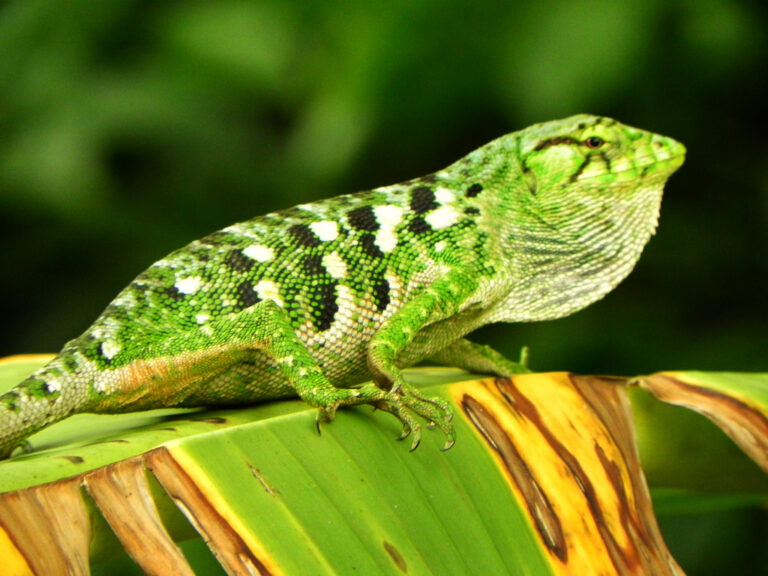
    Tobago is home to several species of lizards, which play an important role in the island’s ecosystem. Some of the most commonly found lizards in Tobago include:

    1. Tobago Gecko: This species of gecko is endemic to Tobago and is only found on the island. They are usually found in the forested areas and can grow up to 5 inches long.
    2. Common House Gecko: This species is not native to Tobago but has been introduced to the island. They are typically found in and around human habitation and are often seen around lights at night.
    3. Green Iguana: This large species of iguana can grow up to 6 feet long and is found throughout Tobago. They are often seen in trees and can be identified by their distinctive green color.
    4. Anole Lizards: Tobago is home to several species of anole lizards, including the crested anole and the knight anole. These lizards are known for their ability to change color and are often found in the forested areas of the island.

    Overall, Tobago’s lizards play an important role in the island’s ecosystem and are an interesting and unique aspect of its wildlife. However, it is important to respect and protect these creatures and their habitats to ensure their continued survival.