
|

Mt. Irvine Bay, Tobago

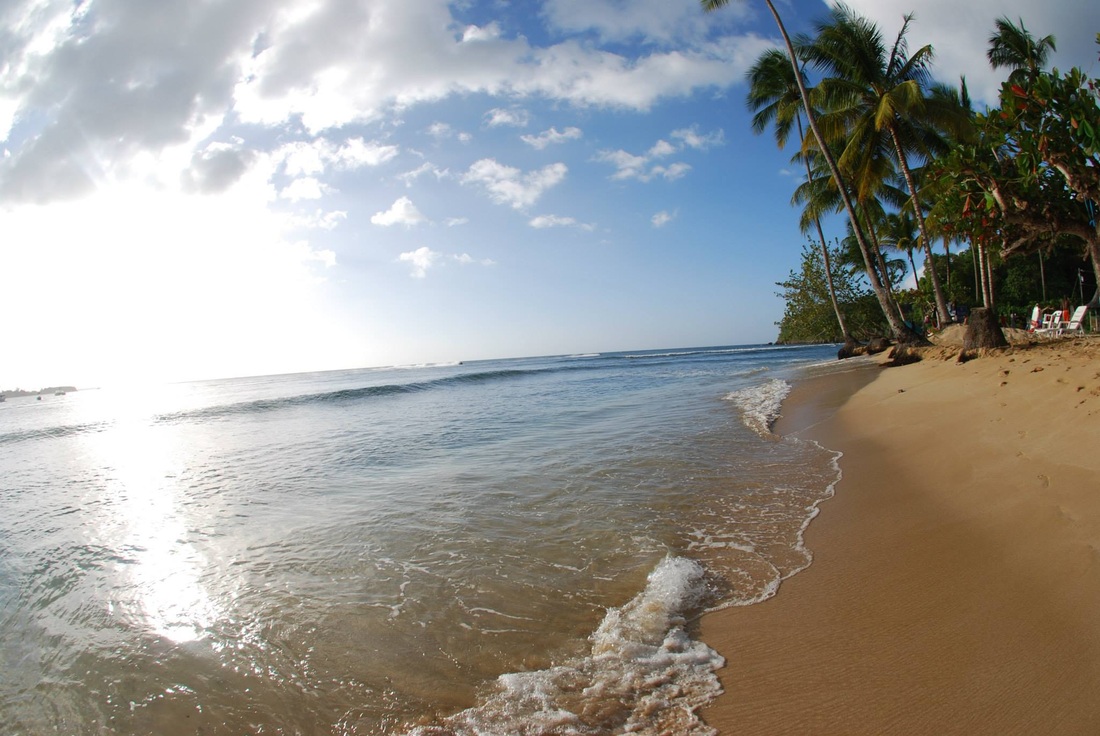
Mt. Irvine Bay is situated on the south western coast of Tobago, between the villages of Buccoo and Pleasant Prospect. The bay is a very popular spot on the island especially with surfers and limers.
SURFING

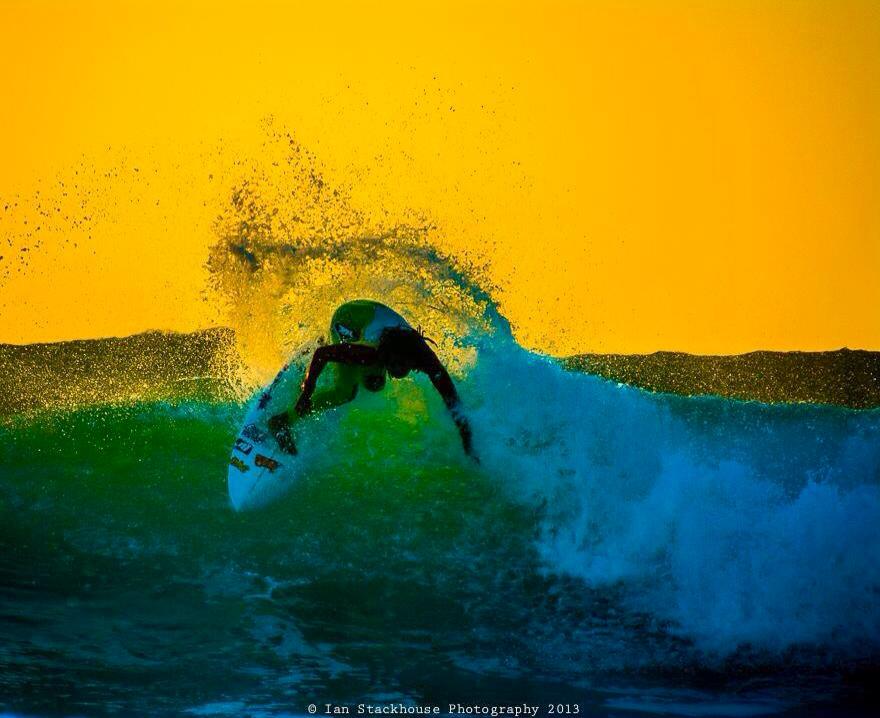
People have been surfing in Mt. Irvine Bay Tobago, since the late 1960’s. Today the bay is the go to spot for surfing on the Island. There are other known surfing spots along the coast but Mt Irvine Bay, with its right reef break and waves reaching up to 12 feet high is frequented by locals and visitors.
On the bay you can also find friendly surfing guides/instructors that can give you surfing lessons for a small fee, equipment provided.

FISH MARKET

Mt. Irvine bay has a small fish market where you can buy fresh fish daily, from various vendors. Prices ranges between TTD $20 – $40 per pound of, Mai Mai, Tuna, Snappers, Barracuda, King Fish, Grouper, Trevali, etc.

BEACH FACILITY

Mt. Irvine beach facility provides access to toilets, showers, security, and beach cabanas for public use.
A small fee of about $2 TTD may be required for toilet & shower usage.

LIFEGUARDS

Lifeguards are available and on duty 7 days a week from 10am-6pm. Safe swimming areas are marked with a Red & Yellow flag, while unsafe areas are marked with a Red flag.

BOAT TOURS

Coastal boat tours to the Buccoo Reef, Nylon Pool, No man’s Land, and other hidden bays around the island can be arranged with Screamer Boat Tours. They also do fishing trips and private beach limes.

LIMING

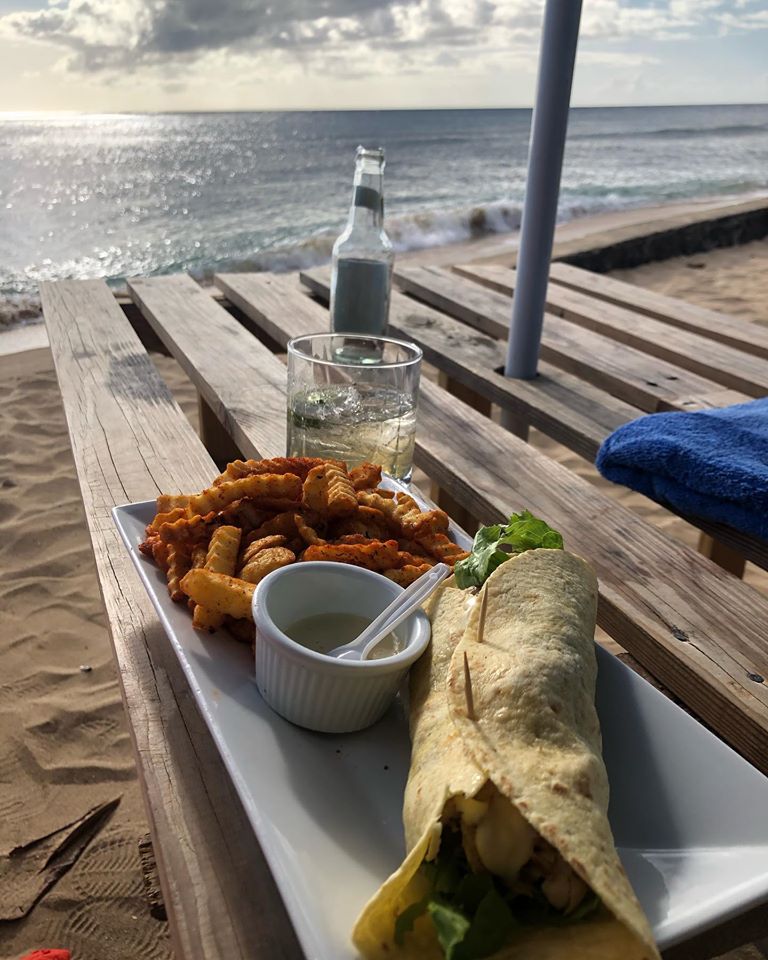
You may find many locals liming or hanging out on the beach on a regular basis. Anchor Bar and Grill is open daily and they are located directly on the beach. They serve various drinks and cocktails, as well as grilled and fried food.

SUNSETS

Sunsets on Mt. Irvine bay can get very colorful and mesmorising, depending on the time of the year. Sunset normally happens between 6pm – 7pm daily.
More Guides

  • |

    No Man’s Land

    No Man’s Land is a beautiful and secluded beach located on the western end of Tobago. It is a popular destination for visitors looking to escape the crowds and enjoy the natural beauty of the island. The beach is accessible by boat, and several tour operators in Tobago offer boat trips to No Man’s Land.

    The beach is known for its calm and clear waters, making it an ideal spot for swimming, snorkeling, and other water sports activities. The beach is also surrounded by lush greenery, which provides shade and a serene atmosphere. Visitors can also enjoy a picnic on the beach or sample some of the local cuisine from the food vendors.

    No Man’s Land is also a popular spot for boat parties and other events, especially during the peak tourist season. It is a great place to relax and unwind, soak up the sun, and enjoy the natural beauty of Tobago.

  • |

    Bloody Bay

    Bloody Bay is a beautiful beach located on the northern coast of Tobago, an island in the southern Caribbean. The beach is named after a historical event that is said to have taken place there during the colonial period.

    Legend has it that the bay was the site of a bloody battle between French and British forces in the late 18th century. The battle was said to have been so fierce that the waters of the bay turned red with blood, hence the name “Bloody Bay.”

    Today, however, the beach is a tranquil and picturesque spot that is popular with tourists and locals alike. The soft white sand and clear turquoise waters make it an ideal spot for swimming, sunbathing, and snorkeling. The beach is surrounded by lush vegetation, and there are several palm trees that provide shade and add to the idyllic atmosphere.

    In addition to its natural beauty, Bloody Bay is also known for its excellent seafood. There are several restaurants and food stalls located near the beach that serve fresh fish, lobster, and other local specialties.

    Overall, Bloody Bay is a must-visit destination for anyone traveling to Tobago, whether for its history or its stunning natural beauty.

  • |

    Fort King George

    Fort King George is a historic fortification located on the island of Tobago in the Caribbean. It was built by the British in the late 18th century, during their colonial period in the region.

    The fort was constructed in 1779 on a hill overlooking the harbor of Scarborough, Tobago’s capital. Its primary purpose was to defend the island against French and Dutch attacks, as Tobago was a valuable strategic location in the Caribbean.

    Today, Fort King George is a popular tourist attraction and historical site. Visitors can explore the fort’s ruins, including the barracks, officer’s quarters, and cannons. There is also a small museum on the site that houses artifacts and exhibits related to Tobago’s history and the fort’s role in it.

    In addition to its historical significance, Fort King George offers spectacular views of the surrounding landscape, including the Caribbean Sea and the town of Scarborough. It is a must-visit destination for anyone interested in Caribbean history and architecture.

    Fort King George is named after King George III of Great Britain.
    The fort sits at the very top of Scarborough Hill (Fort Hill) with views of the Atlantic Ocean, Tobago’s capital town Scarborough and part of the south-eastern side of island.

    • Preserved buildings
    • Batteries
    • Cannons
    • Light house (old)
    • Manicured Garden
    • Museum
    • Views of Trinidad
  • |

    Scarborough

    Scarborough is the capital city of Tobago, a small island nation in the Caribbean. Located on the southwestern coast of Tobago, Scarborough is home to approximately 17,000 people and serves as the administrative and economic center of the island.

    One of the main attractions in Scarborough is Fort King George, a historic fortification that was built by the British in the 18th century. Today, the fort houses several museums and galleries that showcase the island’s history and culture.

    Scarborough is also home to the Market where visitors can purchase fresh produce, local crafts, and other goods. The city is also known for its lively nightlife, with numerous bars, restaurants, and nightclubs offering a range of entertainment options.

    Other notable attractions in Scarborough include the Botanical Gardens.
    With its mix of history, culture, and natural beauty, Scarborough is a must-visit destination for anyone traveling to Tobago.

    Scarborough became the capital of Tobago in 1769. Scarborough’s deepwater harbour was built in 1991; before that ships would anchor offshore. The estimated population of Scarborough is approximately ~18K.

    Local Amenities

    • Coast Guard. Police. Fire Services
    • Public Washrooms
    • Public Library 
    • Health Center
    •  Ferry Service
    •  Schools
    • Guesthouses
    • Security
    • Local Market
    • Restuarants & Bars
    • Food Vendors/Craft shops
    • Public Transport
    • Off Road Parking
    • Banks and Credit Unions
    • Supermarkets, stores, hardwares

    Battle of Scarborough 1677 – Before being called Scarborough, the area was called Lampinsburg by the dutch with the bay of Scarborough being called Lampins bay also known as Roquely Bay (Rockly Bay). The Dutch built a fort on top of a nearby hill which is known today as Dutch fort hill in down town Scarborough. In February and December of 1677, the Dutch and French both wanted control of Tobago which lead to a bloody battle in Scarborough bay and on dutch fort hill which resulted in the death of thousands, including French and Dutch women and children and African slaves. Three hundreds years later and the remains of up to 20 warships and their undiscovered artifacts are still in the muddy bottom of what is now Scarborough harbor.

  • |

    Rocky Point – Back Bay

    Rocky Point is a scenic spot located on the northwestern coast of Tobago. It is a popular destination among tourists who visit Tobago because of its breathtaking views, clear turquoise waters, and secluded bay (back bay).

    Rocky Point is known for its natural beauty, and visitors can enjoy activities such as hiking, bird watching, snorkeling, and swimming. The area is home to a wide variety of tropical flora and fauna, including exotic birds, reptiles, and marine life.

    One of the most popular attractions at Rocky Point is its stunning beach, which is secluded and offers visitors the chance to enjoy a peaceful day in the sun. The beach is surrounded by rocky cliffs that create a dramatic backdrop and add to its beauty.

    Another popular activity at Rocky Point is snorkeling, as the clear waters here are home to a diverse range of colorful fish and coral reefs. Visitors can also take a glass-bottom boat tour to explore the underwater world without getting wet.

    Rocky Point is also known for its stunning sunsets, which are a must-see for anyone visiting Tobago. There are several lookout points along the coast where visitors can watch the sun go down over the Caribbean Sea.

    Overall, Rocky Point is a beautiful destination that offers visitors the chance to experience the natural beauty of Tobago. Whether you are looking for a peaceful day at the beach, an adventurous hike, or a chance to explore the underwater world, Rocky Point has something to offer everyone.

  • | |

    Argyle Waterfall

    Argyle Waterfall is a beautiful natural attraction located in the eastern part of Tobago, which is part of the Republic of Trinidad and Tobago. It is a popular spot for tourists and locals alike who want to experience the island’s natural beauty.

    The waterfall is situated in a lush rainforest setting, and visitors can take a short hike through the forest to reach the waterfall. The hike is not particularly challenging, but it does involve some steep inclines and rocky terrain, so it is important to wear sturdy shoes and bring plenty of water.

    The waterfall itself is approximately 175 feet tall and cascades into a deep pool below, where visitors can swim and cool off in the refreshing waters. The surrounding forest is also home to a variety of wildlife, including birds and butterflies, making it an ideal destination for nature lovers.

    Overall, the Argyle Waterfall is a must-visit attraction for anyone traveling to Tobago, offering a unique opportunity to experience the island’s natural beauty and explore its lush rainforest environment.

    • The waterfall is located in the area of Roxborough – on the eastern side of Tobago – ‘country side’.
    • Argyle is high multidrop waterfall on the edge of the rain-forest rising over 160ft high.
    • It takes about 15-20 minutes walking along the trail from the entrance to the base of the waterfall.
    • There is a paid entry fee of $60 TTD for visitors.
    • A small bar with snacks and a toilet facility (no shower) is available.
    • Guides are available for hire.

    The waterfall pools can be deep – take caution if swimming!

Leave a Reply