| |

October Carnival

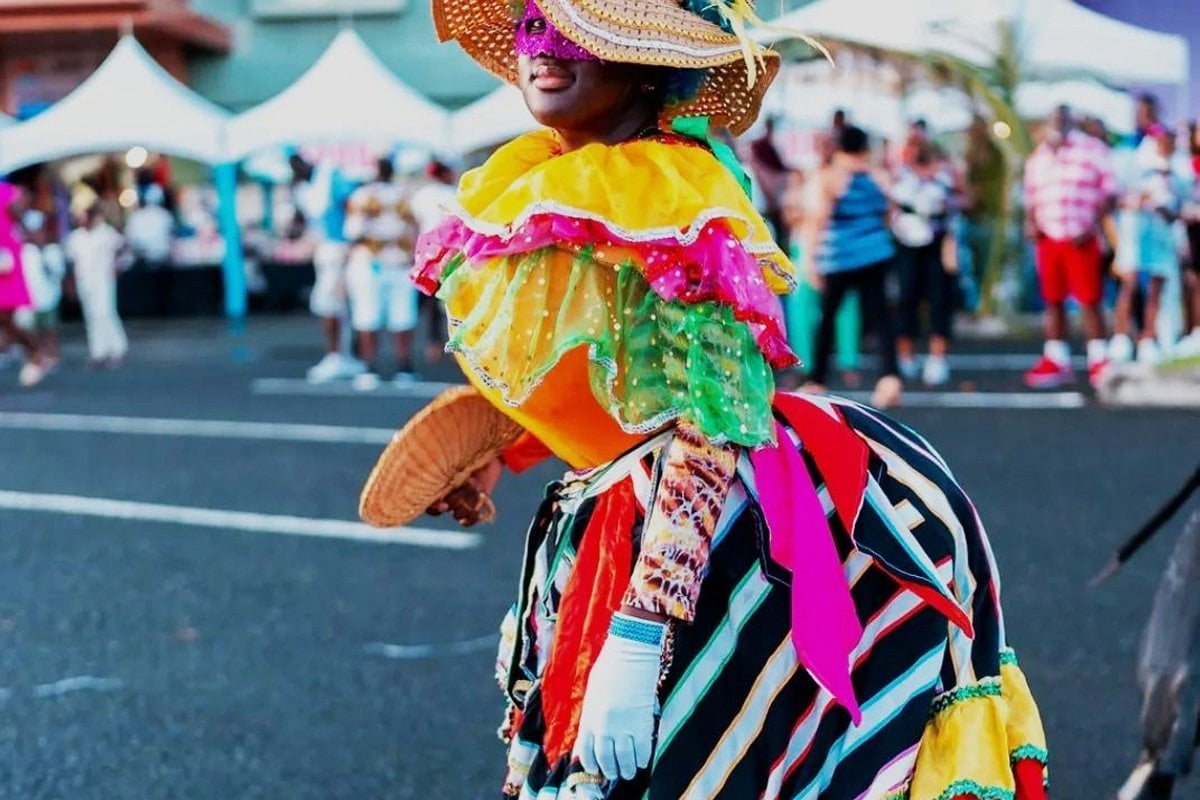
Tobago Carnival is an annual festival held on the island of Tobago in the Republic of Trinidad and Tobago. The carnival takes place in the weeks leading up to Ash Wednesday, which falls in February or March each year.

The Tobago Carnival is a vibrant celebration of music, dance, and culture, with a focus on the island’s unique traditions and heritage. The festival features colorful costumes, lively music, and energetic dance performances, with participants taking to the streets to dance and celebrate.

The Tobago Carnival is a smaller and more intimate version of the larger Trinidad Carnival, which takes place on the neighboring island of Trinidad. However, the Tobago Carnival still attracts a large number of visitors and locals each year, with events including calypso competitions, steelpan performances, and a grand parade on Carnival Tuesday.

One of the highlights of the Tobago Carnival is the traditional J’Ouvert celebration, which takes place in the early hours of Carnival Monday. During J’Ouvert, participants cover themselves in mud, paint, and powder as they dance through the streets to the beat of steel drums and soca music.

The Tobago Carnival is a lively and colorful celebration of Tobago’s culture and heritage, and is a must-see event for anyone visiting the island during the Carnival season.

More Guides

  • Blue Food Festival

    The Tobago Blue Food Festival is an annual event that celebrates the island’s unique culture and cuisine. The festival takes place in mid-October each year and is centered around the use of “blue food” in Tobagonian cuisine.

    Blue food refers to crops such as dasheen, cassava, and sweet potato, which have a blue or purple hue when cooked. These crops have been a staple in Tobagonian cuisine for centuries, and the festival is a way to showcase their versatility and delicious flavors.

    At the festival, visitors can sample a variety of dishes made from blue food, including soups, stews, pies, and desserts. There are also cooking demonstrations, live music, and cultural performances throughout the day.

    In addition to the food, the festival also features local artisans selling handmade crafts and souvenirs, as well as educational exhibits on the history and culture of Tobago.

    The Tobago Blue Food Festival is a fun and unique way to experience the island’s culture and cuisine, and it’s a must-visit event for foodies and culture enthusiasts alike.

  • |

    Islands of Tobago

    Saint. Giles Island

    Saint Giles Island is located off the northeast tip of Tobago. The island can be viewed clearly from flag-staff lookout in Charlotteville. Reef patches and cliffs surrounding the island makes it a popular dive site.

    St. Giles Island

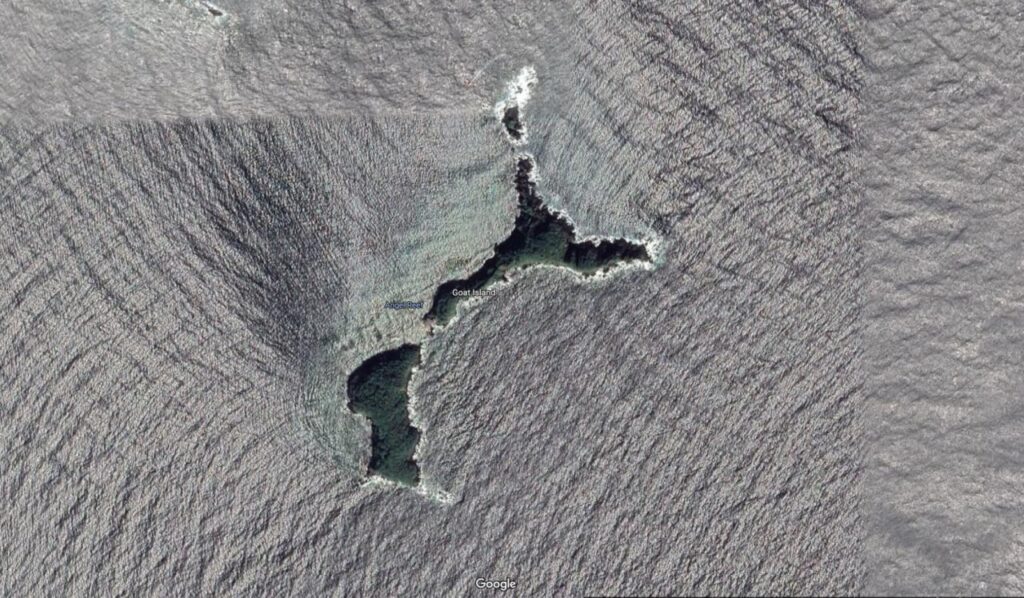
    Goat Island

    Goat Island is located off the coast of Speyside, between Tobago and Little Tobago. The reef around the island is popular with divers.

    picture of tobago's goat island
    Goat Island

    Little Tobago

    Little Tobago is a small island off the northeastern coast of Tobago, popular with birdwatchers. The island is an important breeding site for seabirds such as red-billed tropicalbird,  bridled terns and many more. Angel reef is also a popular site around the island for divers and glass-bottom boat tours.

    image of little tobago
    Little Tobago

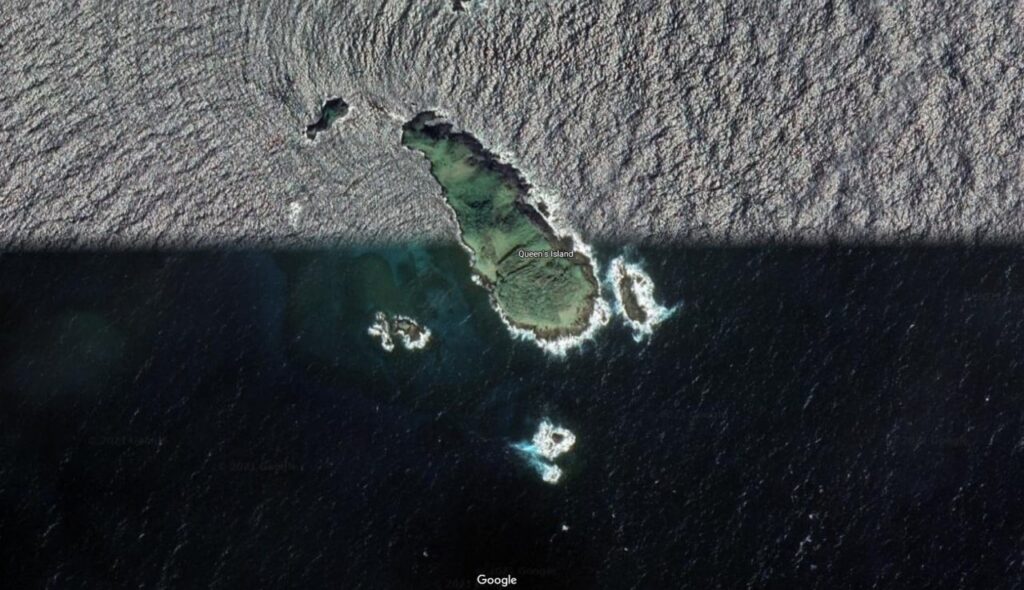
    Queen’s Island

    Queen’s Island is located on the north-eastern coast of Tobago outside of Louis D’or Bay and Delaford.

    image of tobago's queen's island
    Queen’s Island

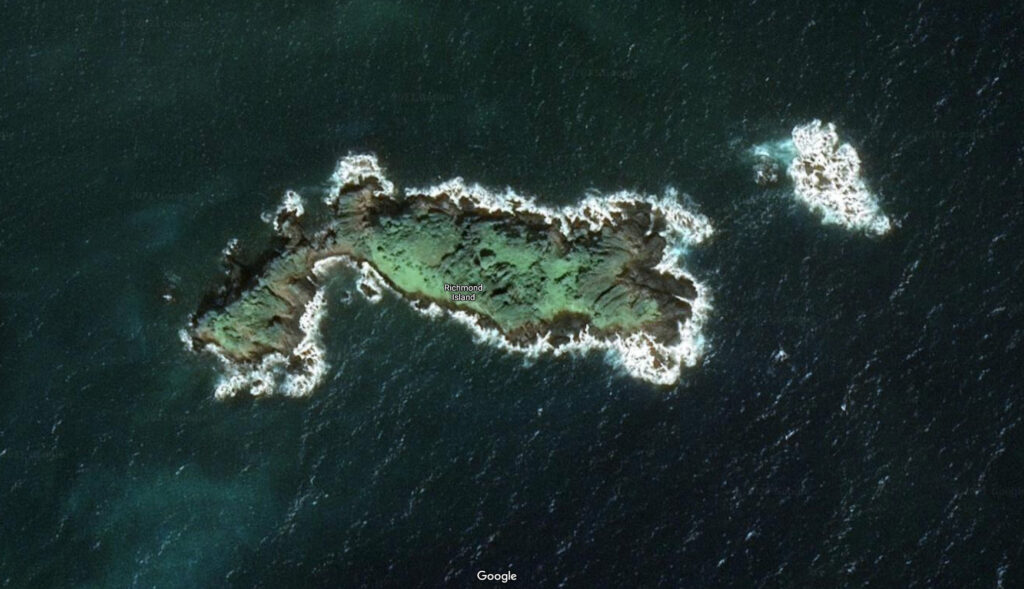
    Richmond Island

    Richmond Island is located on the eastern side of Tobago outside of Richmond bay.

    image of richmond island in tobago
    Richmond Island

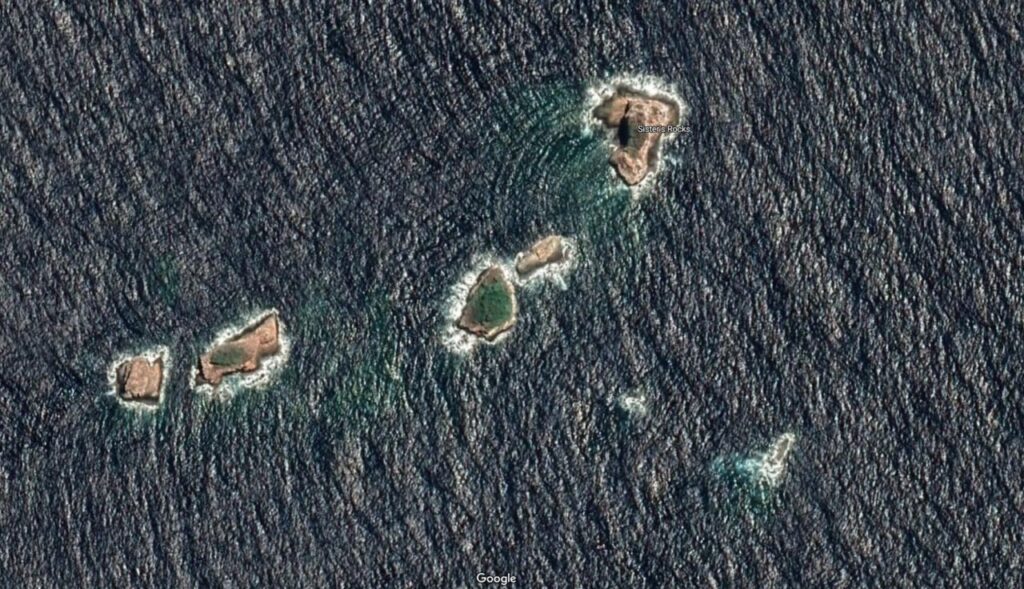
    Sisters Rock

    Sisters Rocks is tiny group of islands located off the northern coast of Tobago directly north of Parlatuvier. Sisters Rocks are popular for snorkeling and scuba diving for hammer-head sharks.

    image of sisters rock in tobago
  • |

    Rain Forest

    The Main Ridge Forest Reserve is a protected area located in Tobago, a small island nation in the Caribbean. Established in 1776, it is the oldest forest reserve in the Western Hemisphere and covers approximately 10% of Tobago’s land area.

    The Main Ridge Forest Reserve is home to a wide variety of flora and fauna, including over 200 species of birds, over 600 species of butterflies, and numerous species of mammals, reptiles, and amphibians. It is also an important watershed that provides drinking water to local communities.

    The forest reserve offers numerous hiking trails and nature walks, as well as opportunities for birdwatching and wildlife viewing. The reserve is also an important site for research and education, with several institutions conducting studies on the ecology and biodiversity of the forest.

    The Main Ridge Forest Reserve is a crucial component of Tobago’s natural heritage, and its protection and conservation are vital to the island’s future sustainability.

  • Things to do in Tobago

    Tobago is a beautiful island in the Caribbean, known for its stunning beaches, rich cultural heritage, and diverse natural attractions. Here are some things you can do in Tobago:

    1. Visit Pigeon Point Beach: This is one of the most popular beaches in Tobago, known for its crystal-clear waters, white sand, and picturesque views. You can rent a beach umbrella and lounge chair, go for a swim, or try your hand at water sports like snorkeling or jet skiing.
    2. Explore the Rainforest: Tobago is home to a lush rainforest that is teeming with wildlife and natural beauty. You can take a guided tour through the forest, go bird watching, or hike to some of the island’s stunning waterfalls.
    3. Visit Buccoo Reef: This is one of the most famous coral reefs in the Caribbean, known for its vibrant marine life and clear waters. You can take a glass-bottom boat tour to explore the reef, or go snorkeling or scuba diving to get up close and personal with the fish and coral.
    4. Check out the Historical Sites: Tobago has a rich history that is reflected in its many historical sites, including Fort King George, the Tobago Museum, and the Courland Monument. These sites offer a glimpse into the island’s colonial past and the struggles of its indigenous people.
    5. Enjoy Local Cuisine: Tobago is known for its delicious food, which is a fusion of African, Indian, and European influences. Be sure to try some of the island’s signature dishes, like crab and dumplings, callaloo soup, and doubles (a popular street food made with fried bread, chickpeas, and chutney).

    These are just a few of the many things you can do in Tobago. Whether you’re interested in outdoor activities, cultural experiences, or just relaxing on the beach, Tobago has something for everyone.

  • |

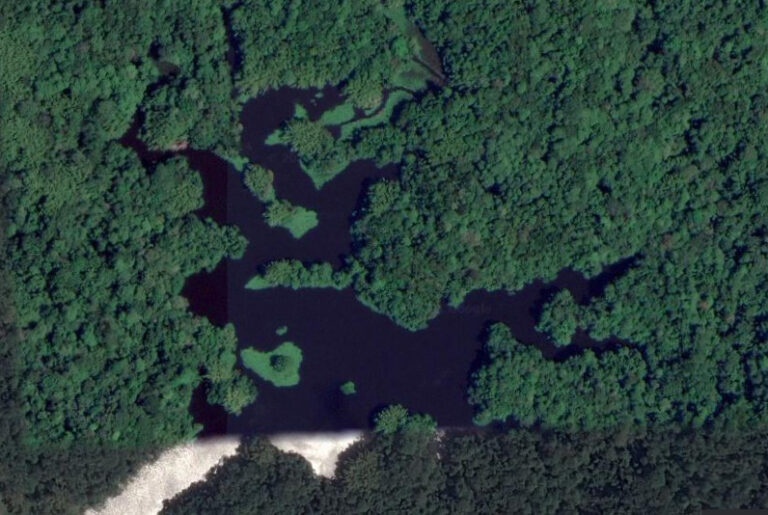
    Hillsborough Reservoir

    Hillsborough Reservoir, which was commissioned in May 1952, by His Excellency Sir Hubert Elvin Rance, then Governor of Trinidad and Tobago, is the only impounding reservoir in Tobago.

    The reservoir is located 870 feet above sea level, Hillsborough has a rustic beauty and an elegantly designed spillway which provides a safety outlet when the reservoir is too full. The reservoir has a maximum storage capacity of 1.02 million m³ and the water treatment plant located just below can produce up to 9,091m3 per day.
    Water from the reservoir serves areas such as Mt. St. George, Concordia, Whim, Mary’s Hill, Union and Les Coteaux.

    The raw water from the reservoir passes through two strainers that clear the incoming water of large debris such as branches, twigs and leaves before entering the chemical house. Aluminium sulphate (alum) is added to make the suspended particles of silt and mud in the water coagulate and form large and heavier particles that sink to the bottom of the sedimentation (or settling) basins. The water is then filtered through layers of sand and gravel, a process that removes fine particles still in the water. The final stage of the water treatment process is the addition of lime, to counteract the acidity of the water and the injection of chlorine to destroy any disease-causing bacteria.

    Construction of the Hillsborough Dam significantly changed the landscape but the catchment area and the reservoir still teem with an abundance of wildlife and a variety of flora.
    There are twenty-eight (28) species of birds documented at Hillsborough which will excite the interest of any bird watcher.

    WASA

  • | |

    Little Tobago

    Little Tobago is a small island located off the northeast coast of Tobago, which is itself an island in the southern Caribbean Sea and part of the nation of Trinidad and Tobago. Little Tobago is also known as Bird of Paradise Island, due to its abundance of exotic birds, including the red-billed tropicbird, the white-tailed sabrewing hummingbird, and the magnificent frigatebird.

    The island is home to a bird sanctuary and nature reserve, and is a popular destination for birdwatchers and eco-tourists. It is accessible by boat from the village of Speyside on Tobago’s main island.

    The island is popular for

    • Naturalists
    • Bird-watching
    • Angel reef
    • Scuba diving
    • Glass-bottom boat tours

    Angel reef is also a popular site around the island for divers and glass-bottom boat tours.

    The largest brain coral in the caribbean is also located on the reef system.

    The island is an important breeding site for seabirds such as red-billed tropicalbird, bridled terns and many more.

Leave a Reply