
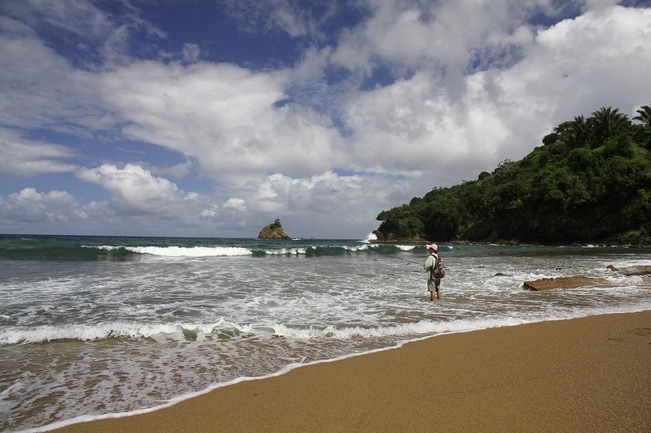
Fishing in Tobago

Fishing is an important activity in Tobago, both for commercial and recreational purposes. Tobago’s waters are home to a diverse array of fish species, including marlin, sailfish, tuna, and barracuda, making it a popular destination for sport fishing enthusiasts.

There are several fishing villages along the coast of Tobago where visitors can experience the local fishing culture and sample fresh seafood. Some of the most popular fishing villages include Charlotteville, Castara, and Speyside.

There are also numerous fishing charters and tours available for visitors who want to try their hand at catching their own fish. These tours typically provide all necessary equipment and offer expert guidance on fishing techniques and safety.

It is important to note that sustainable fishing practices are encouraged in Tobago to ensure the long-term viability of the island’s fish populations. Some local organizations, such as the Tobago Game Fishing Association, promote catch-and-release practices and advocate for responsible fishing practices.

Overall, fishing in Tobago is a popular and rewarding activity for visitors, but it is important to respect local regulations and engage in sustainable practices to preserve the island’s marine ecosystem.

Spear fishing (shooting fish) is another great way to get some decent size ones. Tobago normally has clean, clear, warm waters and if you’re an experience diver there’s an abundance of hunting grounds to choose from.  As with every other technique, the catch would vary depending on tide and seasonal changes along with the diver’s skills and experiences.

  • Snappers, barracuda, parrot-chub, groupers, sharks, grunts, horse-eye jack, tarpons and catfish are some of the species hunted.

Pulling Seine (shooting seine) is a more traditional way of fishing, with mostly the older generations and some rural villages still doing it. The concept is simple and can be very rewarding but it is a tedious and slow process. The catch is simular to those caught by sand and rock fishing with a combination of;

  • round-robin, balaho, sprat, herine, sardine, flaunders, squids, bonito, jacks, and needlefish.

The seine may also catch some unwanted/uneaten species such as:

  • sea-porcupine, bat-fish, jellyfish, starfish and sprats.

“Shooting seine” is normally done early in the morning from around 6am but there are some instances where it is done at various times during the day.

  • Grafton, Turtle beach, Castara and Charlotteville

are some of the places where you can see seine-fishing and participate.
More Guides

  • |

    Glass Bottom Boats

    Glass bottom boats are a popular way to explore the beautiful waters surrounding Tobago. These boats have a clear glass panel in the bottom that allows passengers to view the underwater world without getting wet.

    There are several tour operators in Tobago that offer glass bottom boat tours. Some of the popular glass bottom boat tours include:

    1. Buccoo Reef and Nylon Pool Tour: This tour takes you to the Buccoo Reef, which is home to a variety of marine life, including colorful corals, fish, and sea turtles. After exploring the reef, the tour stops at Nylon Pool, a shallow sandbar in the middle of the ocean, where you can swim and snorkel.
    2. Store Bay Reef Tour: This tour takes you to the Store Bay Reef, which is located close to the shore and is known for its vibrant marine life. The tour also includes a stop at the No Man’s Land beach, where you can relax and swim in the calm waters.
    3. Glass Bottom Boat Adventure Tour: This tour takes you on a scenic journey along Tobago’s coastline, where you can admire the beautiful scenery and view the marine life through the glass bottom boat.

    The glass bottom boat tours in Tobago are a fun and exciting way to explore the underwater world without getting wet.

  • | |

    Nesting Sea Turtles

    Turtle Season

    Between March and August each year, giant leather-backs, Hawks-bill, and Green sea turtles visit the shores of Tobago to lay their eggs. The process can take up to 2 hours from start to finish, going longer sometimes if the turtles are disturbed.

    Some turtles will make multiply visits to the shores during the season untill the right spot is found. Once the nesting process is complete – aproximately 60 days later, baby turtle hatchlings will emerge from the sand.


    What happens :

    • A sea turtle will find the right spot for a nest by checking the sand with both front and back flippers.
    • Sea Turtles dig holes up to 2.5 feet deep with back flippers only.
    • Once the right depth is met – between 60 -100 eggs are layed.
    • Sea Turtles will then gentle cover eggs with back flippers only.
    • They will then use both flippers to camouflage the area around the nest.
    • Once completed they then slowly return to the sea.


    Popular Bays for sightings:

    • Turtle Beach – Great Courland Bay
    • Grafton Bay – Stone Haven Bay
    • Back Bay – Mt. Irvine
    • Lambeau Beach – Little Rockly Bay

    Protection Guidelines

    • If possible, do not disturb, obstruct or approach a turtle that is coming to shore, laying or covering its nest.
    • Never handle Turtle eggs or try to sit, stand or ride on a Turtle.
    • Avoid using bright lights as it can confuse the Turtles or cause them to abandon their nests.
    • If observing – stay up to 20 feet away from Turtles while they are nesting.
  • |

    Pulling Seine

    “Pulling seine” is a traditional fishing method used in Tobago and other parts of the Caribbean. The process involves a large net, called a seine, which is pulled through the water by a group of fishermen.

    To pull seine in Tobago, a group of fishermen typically launch a small boat or canoe from the beach and paddle out into the water. Once they have reached a suitable spot, they throw the net into the water and begin to pull it back towards the shore. As the net is pulled, it forms a large circle around schools of fish, which are trapped inside the net.

    Once the net has been pulled to the shore, the fishermen gather around and begin to haul in the catch. This can be a physically demanding process, as the net can be quite heavy and the catch can be quite large.

    Pulling seine is a traditional fishing method that has been used in Tobago for many years. While it is still practiced today, it is becoming less common as commercial fishing methods become more popular. However, some fishermen continue to use this method as a way to catch fish for their families and communities.

  • | |

    October Carnival

    Tobago Carnival is an annual festival held on the island of Tobago in the Republic of Trinidad and Tobago. The carnival takes place in the weeks leading up to Ash Wednesday, which falls in February or March each year.

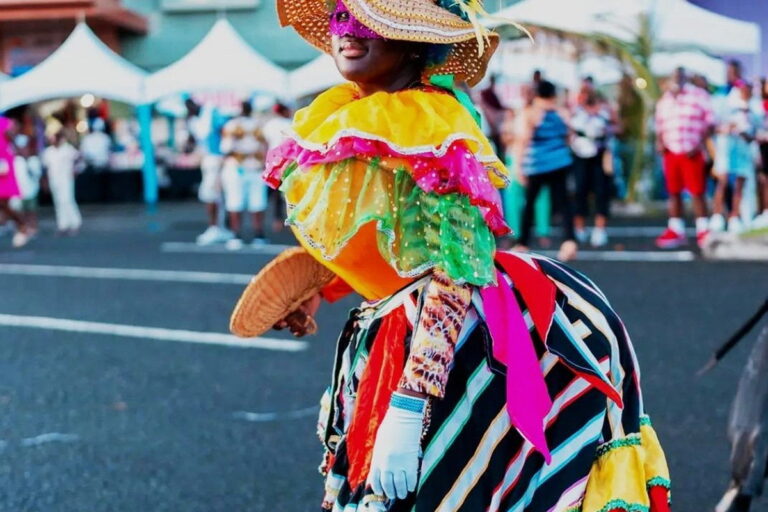
    The Tobago Carnival is a vibrant celebration of music, dance, and culture, with a focus on the island’s unique traditions and heritage. The festival features colorful costumes, lively music, and energetic dance performances, with participants taking to the streets to dance and celebrate.

    The Tobago Carnival is a smaller and more intimate version of the larger Trinidad Carnival, which takes place on the neighboring island of Trinidad. However, the Tobago Carnival still attracts a large number of visitors and locals each year, with events including calypso competitions, steelpan performances, and a grand parade on Carnival Tuesday.

    One of the highlights of the Tobago Carnival is the traditional J’Ouvert celebration, which takes place in the early hours of Carnival Monday. During J’Ouvert, participants cover themselves in mud, paint, and powder as they dance through the streets to the beat of steel drums and soca music.

    The Tobago Carnival is a lively and colorful celebration of Tobago’s culture and heritage, and is a must-see event for anyone visiting the island during the Carnival season.

  • Scuba Diving

    Tobago is an excellent destination for scuba diving, with a variety of dive sites that offer something for everyone, from beginners to experienced divers. Here are some of the top dive sites in Tobago:

    1. Buccoo Reef: This is one of the most famous dive sites in Tobago, with an abundance of marine life and colorful coral formations. Divers can expect to see everything from stingrays and moray eels to sea turtles and reef sharks.
    2. Speyside: This is another popular dive site in Tobago, known for its clear waters and large schools of fish. Divers can explore the reefs, walls, and pinnacles in the area, and may even spot dolphins or whales on occasion.
    3. Kariwak Reef: This is a great dive site for beginners, with shallow waters and plenty of colorful coral and fish. Divers can expect to see parrotfish, angelfish, and snappers, as well as the occasional octopus or squid.
    4. Mount Irvine Wall: This is a deeper dive site that is best suited for experienced divers. The wall drops down to depths of over 100 feet, and is home to a variety of marine life, including sharks, barracudas, and rays.
    5. Japanese Gardens: This is a unique dive site with a maze of coral canyons and swim-throughs that are home to a variety of marine life, including octopus, lobster, and moray eels.

    There are many other dive sites to explore in Tobago, and dive operators on the island can help you choose the best sites based on your experience level and interests. Whether you’re a seasoned diver or just starting out, Tobago offers an unforgettable underwater experience.