| |

Little Tobago

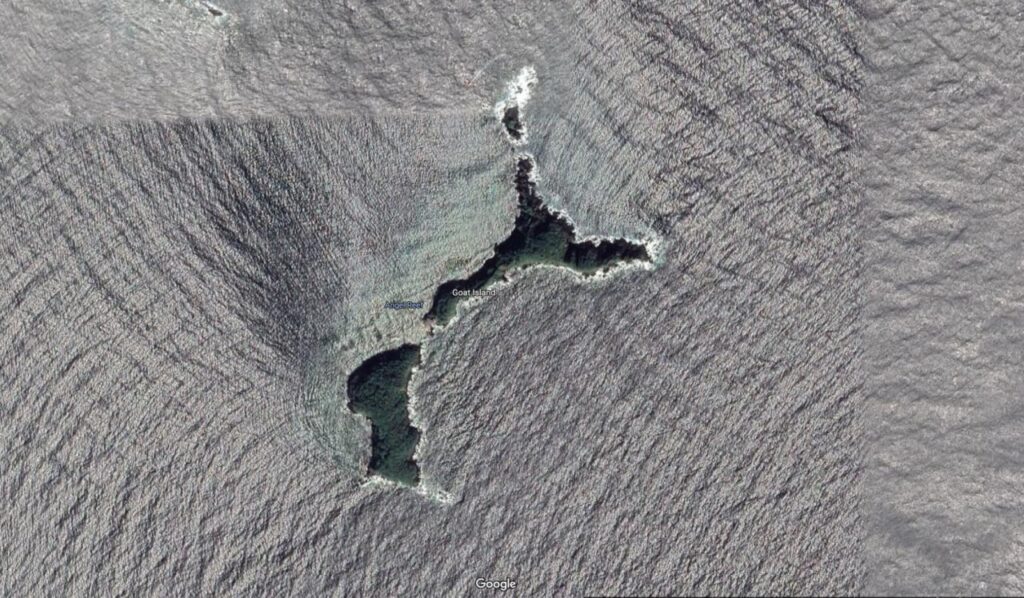
Little Tobago is a small island located off the northeast coast of Tobago, which is itself an island in the southern Caribbean Sea and part of the nation of Trinidad and Tobago. Little Tobago is also known as Bird of Paradise Island, due to its abundance of exotic birds, including the red-billed tropicbird, the white-tailed sabrewing hummingbird, and the magnificent frigatebird.

The island is home to a bird sanctuary and nature reserve, and is a popular destination for birdwatchers and eco-tourists. It is accessible by boat from the village of Speyside on Tobago’s main island.

The island is popular for

  • Naturalists
  • Bird-watching
  • Angel reef
  • Scuba diving
  • Glass-bottom boat tours

Angel reef is also a popular site around the island for divers and glass-bottom boat tours.

The largest brain coral in the caribbean is also located on the reef system.

The island is an important breeding site for seabirds such as red-billed tropicalbird, bridled terns and many more.


Related Guides

  • | |

    October Carnival

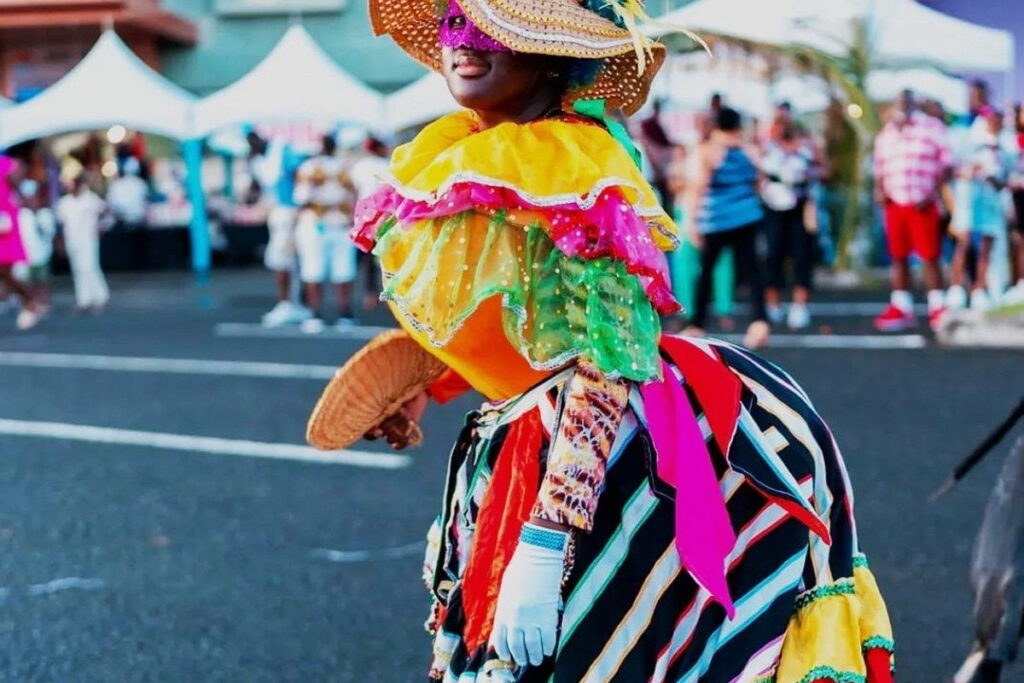
    Tobago Carnival is an annual festival held on the island of Tobago in the Republic of Trinidad and Tobago. The carnival takes place in the weeks leading up to Ash Wednesday, which falls in February or March each year.

    The Tobago Carnival is a vibrant celebration of music, dance, and culture, with a focus on the island’s unique traditions and heritage. The festival features colorful costumes, lively music, and energetic dance performances, with participants taking to the streets to dance and celebrate.

    The Tobago Carnival is a smaller and more intimate version of the larger Trinidad Carnival, which takes place on the neighboring island of Trinidad. However, the Tobago Carnival still attracts a large number of visitors and locals each year, with events including calypso competitions, steelpan performances, and a grand parade on Carnival Tuesday.

    One of the highlights of the Tobago Carnival is the traditional J’Ouvert celebration, which takes place in the early hours of Carnival Monday. During J’Ouvert, participants cover themselves in mud, paint, and powder as they dance through the streets to the beat of steel drums and soca music.

    The Tobago Carnival is a lively and colorful celebration of Tobago’s culture and heritage, and is a must-see event for anyone visiting the island during the Carnival season.

  • |

    Scarborough

    Scarborough is the capital city of Tobago, a small island nation in the Caribbean. Located on the southwestern coast of Tobago, Scarborough is home to approximately 17,000 people and serves as the administrative and economic center of the island.

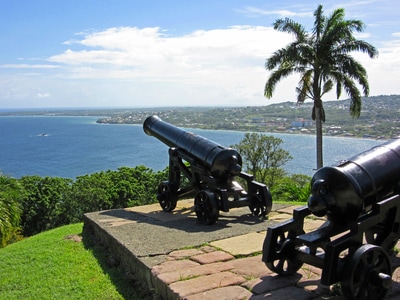
    One of the main attractions in Scarborough is Fort King George, a historic fortification that was built by the British in the 18th century. Today, the fort houses several museums and galleries that showcase the island’s history and culture.

    Scarborough is also home to the Market where visitors can purchase fresh produce, local crafts, and other goods. The city is also known for its lively nightlife, with numerous bars, restaurants, and nightclubs offering a range of entertainment options.

    Other notable attractions in Scarborough include the Botanical Gardens.
    With its mix of history, culture, and natural beauty, Scarborough is a must-visit destination for anyone traveling to Tobago.

    Scarborough became the capital of Tobago in 1769. Scarborough’s deepwater harbour was built in 1991; before that ships would anchor offshore. The estimated population of Scarborough is approximately ~18K.

    Local Amenities

    • Coast Guard. Police. Fire Services
    • Public Washrooms
    • Public Library 
    • Health Center
    •  Ferry Service
    •  Schools
    • Guesthouses
    • Security
    • Local Market
    • Restuarants & Bars
    • Food Vendors/Craft shops
    • Public Transport
    • Off Road Parking
    • Banks and Credit Unions
    • Supermarkets, stores, hardwares

    Battle of Scarborough 1677 – Before being called Scarborough, the area was called Lampinsburg by the dutch with the bay of Scarborough being called Lampins bay also known as Roquely Bay (Rockly Bay). The Dutch built a fort on top of a nearby hill which is known today as Dutch fort hill in down town Scarborough. In February and December of 1677, the Dutch and French both wanted control of Tobago which lead to a bloody battle in Scarborough bay and on dutch fort hill which resulted in the death of thousands, including French and Dutch women and children and African slaves. Three hundreds years later and the remains of up to 20 warships and their undiscovered artifacts are still in the muddy bottom of what is now Scarborough harbor.

  • | |

    Nesting Sea Turtles

    Turtle Season

    Between March and August each year, giant leather-backs, Hawks-bill, and Green sea turtles visit the shores of Tobago to lay their eggs. The process can take up to 2 hours from start to finish, going longer sometimes if the turtles are disturbed.

    Some turtles will make multiply visits to the shores during the season untill the right spot is found. Once the nesting process is complete – aproximately 60 days later, baby turtle hatchlings will emerge from the sand.


    What happens :

    • A sea turtle will find the right spot for a nest by checking the sand with both front and back flippers.
    • Sea Turtles dig holes up to 2.5 feet deep with back flippers only.
    • Once the right depth is met – between 60 -100 eggs are layed.
    • Sea Turtles will then gentle cover eggs with back flippers only.
    • They will then use both flippers to camouflage the area around the nest.
    • Once completed they then slowly return to the sea.


    Popular Bays for sightings:

    • Turtle Beach – Great Courland Bay
    • Grafton Bay – Stone Haven Bay
    • Back Bay – Mt. Irvine
    • Lambeau Beach – Little Rockly Bay

    Protection Guidelines

    • If possible, do not disturb, obstruct or approach a turtle that is coming to shore, laying or covering its nest.
    • Never handle Turtle eggs or try to sit, stand or ride on a Turtle.
    • Avoid using bright lights as it can confuse the Turtles or cause them to abandon their nests.
    • If observing – stay up to 20 feet away from Turtles while they are nesting.
  • Tobago

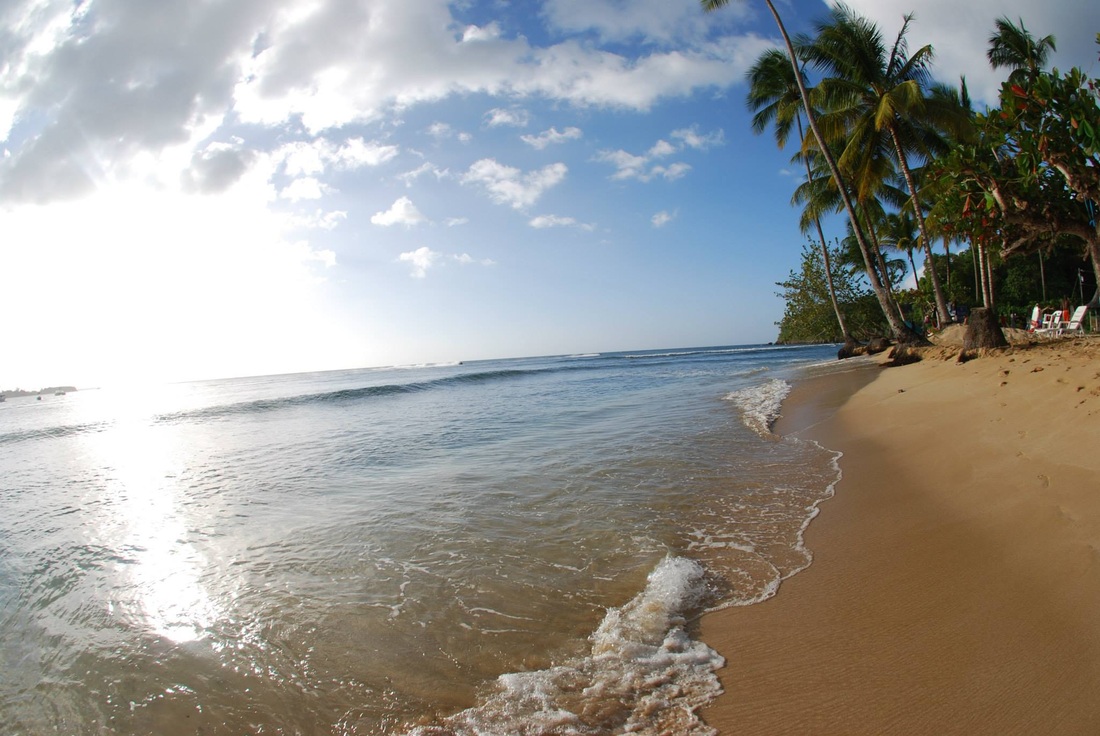
    Tobago is a beautiful Caribbean island located in the southern part of the Lesser Antilles. It is one of the two main islands that make up the Republic of Trinidad and Tobago, a country in the Caribbean Sea. Tobago is located about 30 kilometers northeast of Trinidad and covers an area of approximately 300 square kilometers.

    The island is known for its beautiful beaches, lush rainforests, and unique culture. The capital of Tobago is Scarborough, which is also the largest town on the island. The island is home to a population of approximately 60,000 people, and the official language is English.

    Tobago has a rich history and is known for its colonial heritage. It was once a Dutch, French, and British colony before gaining independence in 1962. Today, Tobago is a popular tourist destination known for its stunning beaches, vibrant coral reefs, and diverse wildlife.

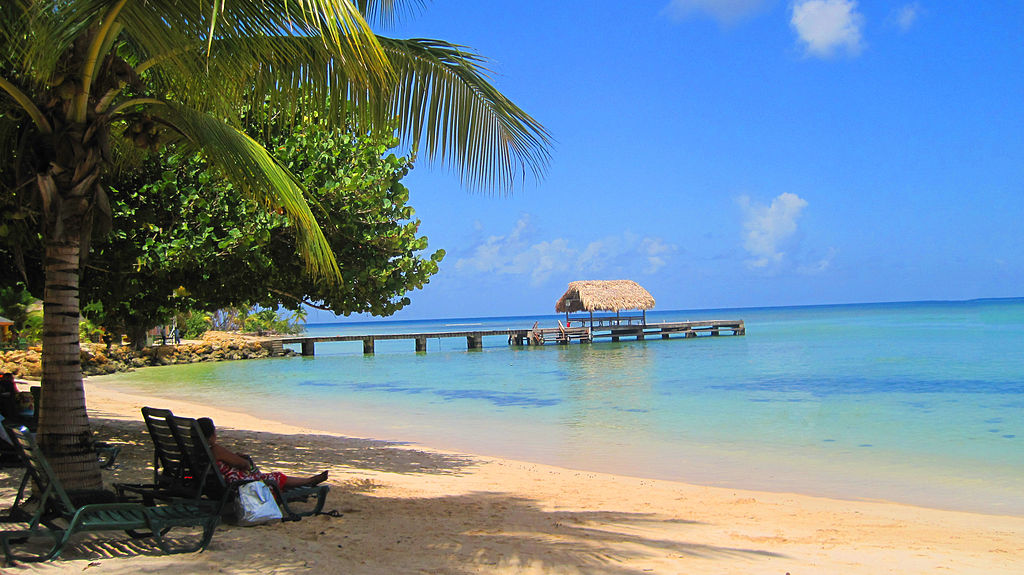
    Some of the popular attractions on the island include Pigeon Point Beach, Store Bay, Buccoo Reef, and Nylon Pool. Tobago is also home to several festivals throughout the year, including the Tobago Heritage Festival, Carnival, Buccoo Goat Race, and the Great Fete Weekend.

    Tourism is the main industry on the island, and there are plenty of accommodation options ranging from luxury resorts to budget guesthouses. Some of the popular activities for visitors include hiking in the rainforest, bird watching, beach hopping, and visiting historical sites like Fort King George.

    The local culture is vibrant and colorful, with music, dance, and festivals playing an important role in daily life. Some of the most popular festivals include the Tobago Jazz Experience, the Tobago Heritage Festival, and the Great Fete Weekend.

    Overall, Tobago is a beautiful and welcoming island that offers visitors a unique blend of natural beauty, history, and culture. It is a great destination for anyone looking to experience the Caribbean in a more authentic and off-the-beaten-path way.

    • Capital – Scarborough
    • People – ~70,000
    • Islands – 6
    • Villages – 36+
    • Districts – 15
    • Towns – 2

    • Length – 25.5 miles
    • Size – 116 mi²
    • Width – 7.5 miles
    • Latitude – 11.2337° N 
    • Longitude – 60.6989° W
    • 21 miles North-East of Trinidad.

    Climate and Geography

    In terms of climate, Tobago has a tropical climate with temperatures ranging from 24°C to 32°C throughout the year. The rainy (wet) season runs from June to December, but even during this time, the island still experiences plenty of sunshine.

    Tobago’s climate is pleasant all year round. It is cooler and less humid than Trinidad because of the more frequent northeast winds.

    Government and Population

    Since 1889, Tobago and Trinidad have shared the same government. In 1980 the Tobago House of Assembly (THA) was instituted and was made responsible for administrative governance within the island, with local governance remaining with the city and county councils. In 1987, full internal self-governance was granted to Tobago. The population is approximately 70,000, of which 80 % are of African decent. 

    History

    Tobago has a rich history, with evidence of human habitation dating back over 5,000 years. The Amerindian Arawaks and the Carib tribes also inhabited the island, before it was colonized by Europeans in the 16th century and became a center of sugar production.

    Tobago changed hands several times between the British and the French, and it was also briefly occupied by the Dutch and Spanish. Today, Tobago is part of an independent nation, but it still retains strong ties to the United Kingdom.

  • |

    Tobago Heritage Festival

    The Tobago Heritage Festival is an annual event that takes place on the island of Tobago in the Republic of Trinidad and Tobago. The festival celebrates Tobago’s rich cultural heritage and traditions and takes place over a two-week period in late July and early August.

    During the festival, visitors can enjoy a wide range of cultural events and activities, including traditional music and dance performances, storytelling sessions, arts and crafts exhibitions, and local cuisine. The festival also features historical reenactments and demonstrations of traditional skills such as boat-building, basket-weaving, and wood-carving.

    One of the highlights of the Tobago Heritage Festival is the “ole time wedding” reenactment, which is a recreation of a traditional Tobagonian wedding from the past. The festival also includes a “parang” competition, which is a type of traditional music that originated in Trinidad and Tobago.

    The Tobago Heritage Festival provides an opportunity for visitors to learn about Tobago’s rich history and cultural heritage, and to experience the island’s unique traditions and way of life. The festival is a vibrant celebration of Tobago’s past, present, and future, and is a must-see event for anyone visiting the island.

  • |

    Hillsborough Reservoir

    Hillsborough Reservoir, which was commissioned in May 1952, by His Excellency Sir Hubert Elvin Rance, then Governor of Trinidad and Tobago, is the only impounding reservoir in Tobago.

    The reservoir is located 870 feet above sea level, Hillsborough has a rustic beauty and an elegantly designed spillway which provides a safety outlet when the reservoir is too full. The reservoir has a maximum storage capacity of 1.02 million m³ and the water treatment plant located just below can produce up to 9,091m3 per day.
    Water from the reservoir serves areas such as Mt. St. George, Concordia, Whim, Mary’s Hill, Union and Les Coteaux.

    The raw water from the reservoir passes through two strainers that clear the incoming water of large debris such as branches, twigs and leaves before entering the chemical house. Aluminium sulphate (alum) is added to make the suspended particles of silt and mud in the water coagulate and form large and heavier particles that sink to the bottom of the sedimentation (or settling) basins. The water is then filtered through layers of sand and gravel, a process that removes fine particles still in the water. The final stage of the water treatment process is the addition of lime, to counteract the acidity of the water and the injection of chlorine to destroy any disease-causing bacteria.

    Construction of the Hillsborough Dam significantly changed the landscape but the catchment area and the reservoir still teem with an abundance of wildlife and a variety of flora.
    There are twenty-eight (28) species of birds documented at Hillsborough which will excite the interest of any bird watcher.

    WASA

Leave a Reply