The Tobago Heritage Festival is an annual event that takes place on the island of Tobago in the Republic of Trinidad and Tobago. The festival celebrates Tobago’s rich cultural heritage and traditions and takes place over a two-week period in late July and early August.
During the festival, visitors can enjoy a wide range of cultural events and activities, including traditional music and dance performances, storytelling sessions, arts and crafts exhibitions, and local cuisine. The festival also features historical reenactments and demonstrations of traditional skills such as boat-building, basket-weaving, and wood-carving.
One of the highlights of the Tobago Heritage Festival is the “ole time wedding” reenactment, which is a recreation of a traditional Tobagonian wedding from the past. The festival also includes a “parang” competition, which is a type of traditional music that originated in Trinidad and Tobago.
The Tobago Heritage Festival provides an opportunity for visitors to learn about Tobago’s rich history and cultural heritage, and to experience the island’s unique traditions and way of life. The festival is a vibrant celebration of Tobago’s past, present, and future, and is a must-see event for anyone visiting the island.
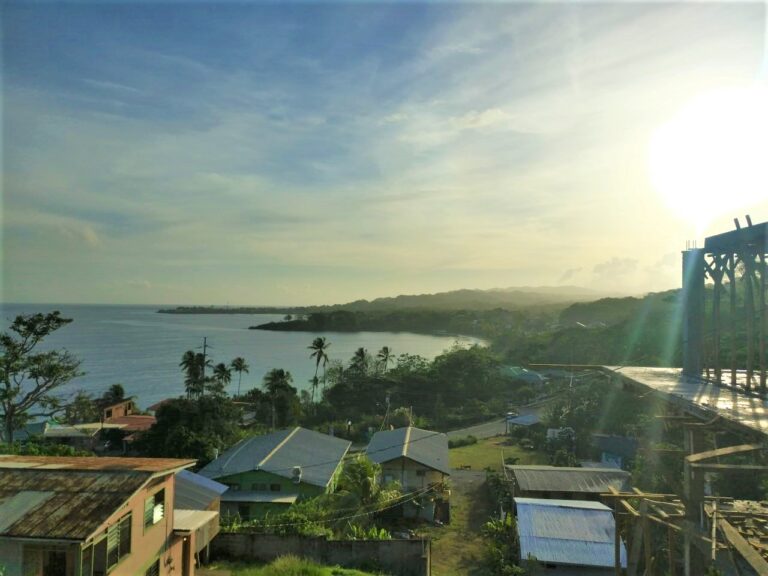
Pleasant Prospect is a small hilly village, located between three popular bays, Mt. Irvine Bay, Back bay (Rockly Point) and Stone-haven bay, also known as Grafton bay. The village also borders the caledonian sanctuary and nature reserve.
Local Amenities
Grocery Shops
ATM Bank Machine
Restaurants
Bars
Guesthouses
Small Play ground
Beaches
Turtle Nesting
Public Transport
Nature Reserve
Mountain-bike Tours
Pizza Boys
Grafton Caledonia Wildlife Sanctuary
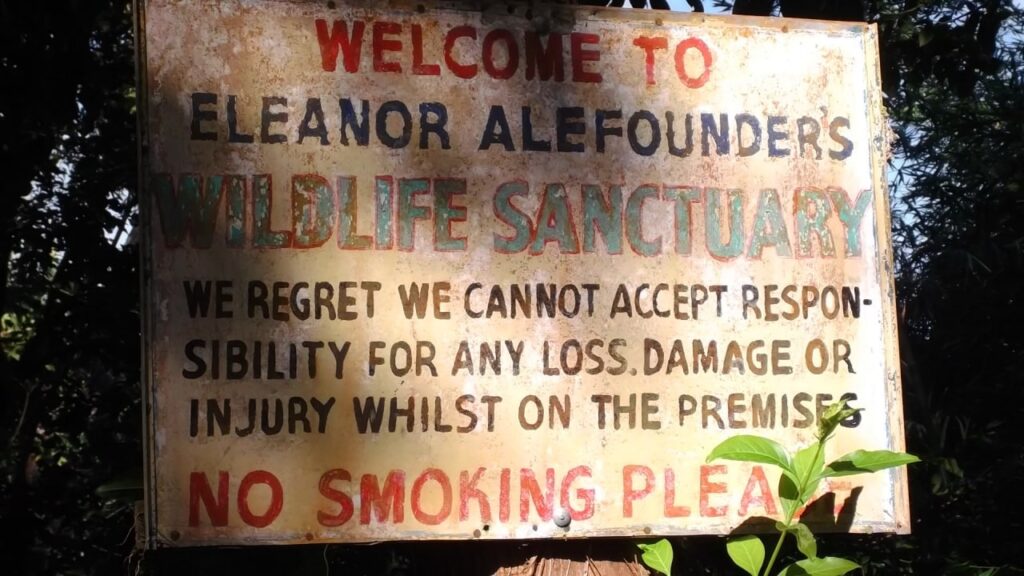
The bird sanctuary is no longer maintained but bird feeding by the caretaker can sometimes be observed. The entire nature reserve comprises over 200 acres of protected land that was formally part of a coco estate owned by Eleanor Alefounder. The main purpose of the nature reserve is to promote the native flora and fauna of the island.
Mt Irvine Bay
Mt. Irvine BaySufing Mt Irvine – Andre Anchor Bar & GrillMt. Irvine Bay
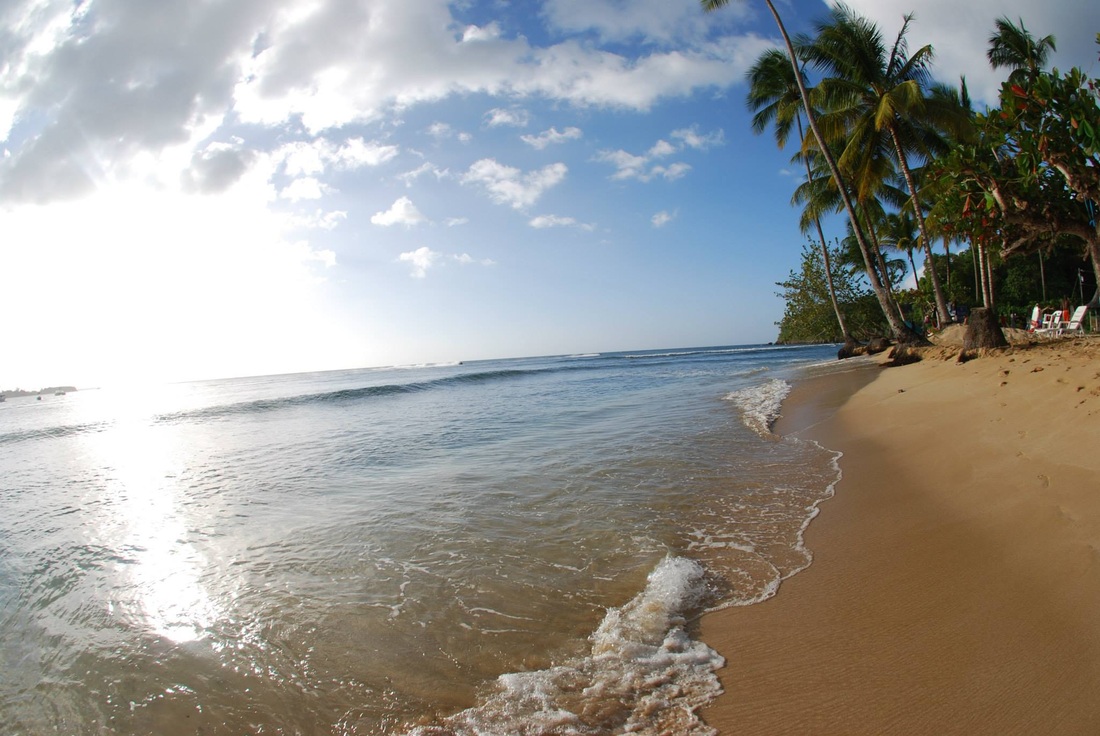
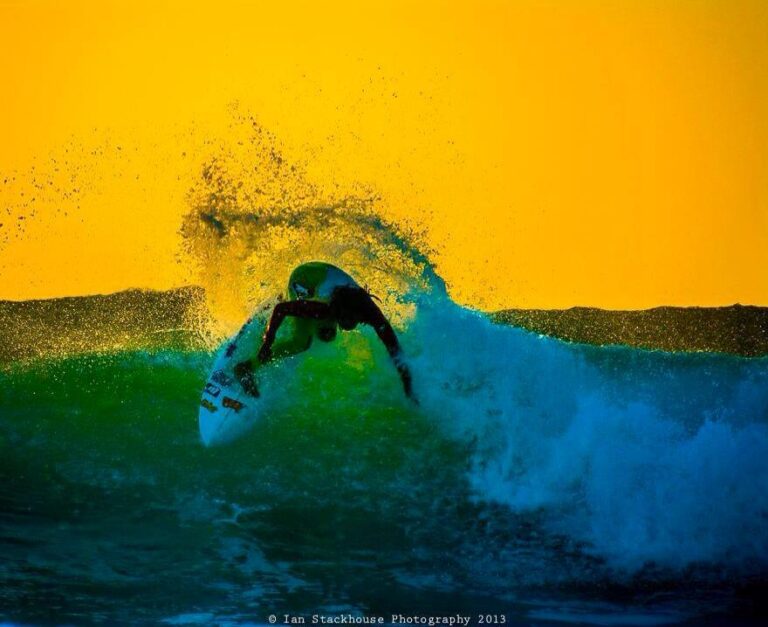
Mt. Irvine bay is very popular beach in Tobago for locals and vistors, and especially surfers. There are cabanas, food outlets, beach bar and a fish market and well as a beach facility with security and lifeguards.The bay is part of the extended Buccoo Reef System with small patches of coral reefs that are great for snorkelling and the Mt. Irvine Wall for scuba diving. Mt. irvine is the most popular Surfing spot in tobago with a Right Break over coral rock bed.
Stone Haven Bay (Grafton Bay)
Stone Haven BayGrafton Bay
Stone Haven Bay is also know as Grafton Bay is a popular sea turtle nesting site and home to the Grafton Resort and Waves restaurant and bar. This bay is popular with large groups and for exercising. Seine pulling (Net fishing) can be observed at times. No facility, security or lifegurds available.
Back Bay (Rocky Point)
Nesting Leatherback TurtleBack Bay Sunrise
Back bay which is officially known and Rocky Point is a beautiful semi-secluded bay that is popular for nesting leatherback and hawksbill sea turtles. Back bay is very scenic but the waters can get very strong with big waves and powerful currents. The bay is popular with families, beach limes and couples. No facility, security or life guards available.
Fishing is an important activity in Tobago, both for commercial and recreational purposes. Tobago’s waters are home to a diverse array of fish species, including marlin, sailfish, tuna, and barracuda, making it a popular destination for sport fishing enthusiasts.
There are several fishing villages along the coast of Tobago where visitors can experience the local fishing culture and sample fresh seafood. Some of the most popular fishing villages include Charlotteville, Castara, and Speyside.
There are also numerous fishing charters and tours available for visitors who want to try their hand at catching their own fish. These tours typically provide all necessary equipment and offer expert guidance on fishing techniques and safety.
It is important to note that sustainable fishing practices are encouraged in Tobago to ensure the long-term viability of the island’s fish populations. Some local organizations, such as the Tobago Game Fishing Association, promote catch-and-release practices and advocate for responsible fishing practices.
Overall, fishing in Tobago is a popular and rewarding activity for visitors, but it is important to respect local regulations and engage in sustainable practices to preserve the island’s marine ecosystem.
Spear fishing (shooting fish) is another great way to get some decent size ones. Tobago normally has clean, clear, warm waters and if you’re an experience diver there’s an abundance of hunting grounds to choose from. As with every other technique, the catch would vary depending on tide and seasonal changes along with the diver’s skills and experiences.
Snappers, barracuda, parrot-chub, groupers, sharks, grunts, horse-eye jack, tarpons and catfish are some of the species hunted.
Pulling Seine (shooting seine) is a more traditional way of fishing, with mostly the older generations and some rural villages still doing it. The concept is simple and can be very rewarding but it is a tedious and slow process. The catch is simular to those caught by sand and rock fishing with a combination of;
Tobago is a beautiful Caribbean island that offers excellent surfing opportunities for surfers of all skill levels. The island has a number of beaches and surf spots that are popular with both locals and visitors.
One of the best surf spots in Tobago is Mount Irvine Bay. It is a beautiful crescent-shaped beach with consistent waves and is suitable for both beginners and experienced surfers. The waves at Mount Irvine Bay are usually between 3 and 6 feet, making it an ideal spot for longboarders and shortboarders.
Another popular surf spot in Tobago is Bacolet Bay. This beach offers a variety of waves, from small and gentle to fast and powerful, making it suitable for surfers of all skill levels. Bacolet Bay is also a great spot for paddleboarding, snorkeling, and swimming.
Other surf spots in Tobago include King’s Bay, Castara Bay, and Englishman’s Bay. These spots offer a variety of waves and are suitable for different skill levels.
If you are new to surfing, there are several surf schools and rental shops on the island that can provide you with lessons and equipment. With warm water, consistent waves, and beautiful scenery, Tobago is a great destination for anyone looking to catch some waves in the Caribbean
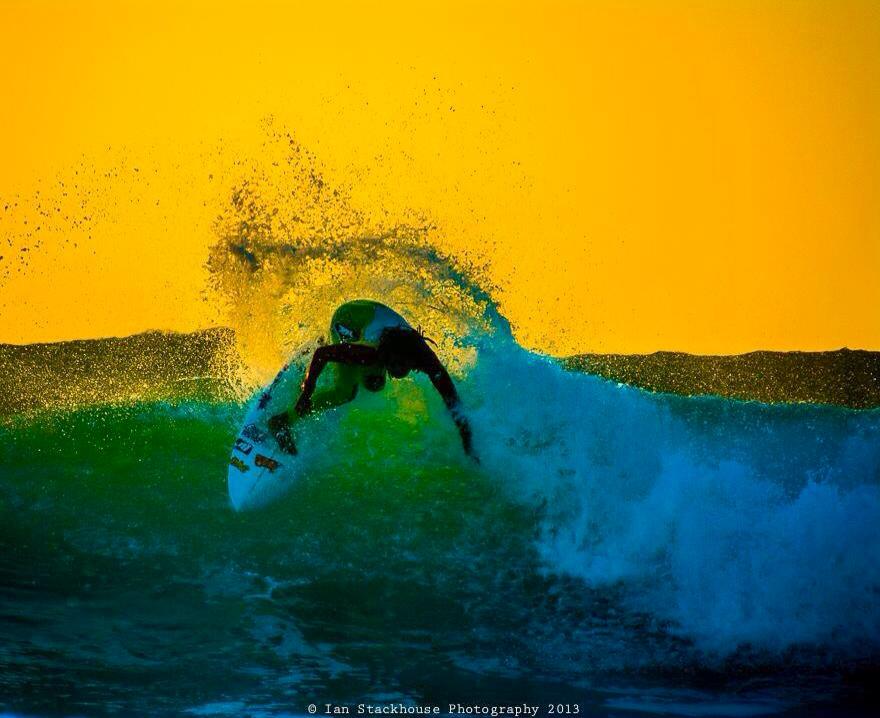
People have been surfing in Mt. Irvine Bay Tobago since the early 1970’s. Today the bay is the go to spot for surfing on the Island. There are other known surfing bays along the coast but Mount Irvine Bay, with its right-hand reef break and waves reaching up to 3 meters high is frequented by locals and visitors.
The surf season in Tobago normally runs from late September to April, with peak season and swells happening during December to March.
On the bay you can find and hire friendly surfing guides that can give you surfing lessons and tours to secret surf spots around the island. Equipement may be provided.
History of surfing in Tobago
In the late 1960’s international visitors, mainly from the USA and Europe started surfing in Mt. Irvine, Tobago. This inspired locals like Michael Baker, Trevor Paience, David Achong and a few others to become the first to try the sport on the island. Since the 1970’s, the sport has grown steadily in popularity with the local youths of both Trinidad and Tobago. During the 1980’s 90’s and 2000’s there were various surfing competition held on Mt. Irvine bay, involving both local and international surfers. In 2016 “The Tobago Pro” competition was won by Andre Stewart of Tobago, and Adrian De Silva came in Second.
Right Surf Break
Mt. Irvine has a right hand surf break that rolls over a flat reef bed with patches of dead and alive fire corals. During high tide it can get very deep with most waves breaking off the point. At lower tides the waters can drop as low as 10 feet at the surf break.
Off the Point
The very big waves will start to peak off the tip of Rocky Point, (Back Bay). These waves can get as big as 3 meters high and become very powerful in rapid sets. Surfing off the point is only recommended for experienced surfers as the sets can get very heavy and dangerous.
Argyll waterfall is the most popular and accessible waterfall in Tobago. This is a multi-drop fall with a large pool.
Roxborough Village
Multidrop Falls
20 minutes hike
Paid Entry
Castara Waterfall
Castara waterfall is a small single drop waterfall located in the village of Castara.
Castara Village
Small single drop
20 minutes hike
Bloody Bay Waterfall
Bloody bay waterfall is a hidden multidrop waterfall deep in the Main Ridge Forest Reserve. The system has 3 big drops and numerous smaller ones along the river.
Bloody bay river
Multi-drop
2 hours hike
Highland Waterfall
Highland waterfall is a hidden single drop waterfall located along the Mason Hall river. The system has 1 big drop approximately 100 feet tall.
Scarborough is the capital city of Tobago, a small island nation in the Caribbean. Located on the southwestern coast of Tobago, Scarborough is home to approximately 17,000 people and serves as the administrative and economic center of the island.
One of the main attractions in Scarborough is Fort King George, a historic fortification that was built by the British in the 18th century. Today, the fort houses several museums and galleries that showcase the island’s history and culture.
Scarborough is also home to the Market where visitors can purchase fresh produce, local crafts, and other goods. The city is also known for its lively nightlife, with numerous bars, restaurants, and nightclubs offering a range of entertainment options.
Other notable attractions in Scarborough include the Botanical Gardens. With its mix of history, culture, and natural beauty, Scarborough is a must-visit destination for anyone traveling to Tobago.
Scarborough became the capital of Tobago in 1769. Scarborough’s deepwater harbour was built in 1991; before that ships would anchor offshore. The estimated population of Scarborough is approximately ~18K.
Local Amenities
Coast Guard. Police. Fire Services
Public Washrooms
Public Library
Health Center
Ferry Service
Schools
Guesthouses
Security
Local Market
Restuarants & Bars
Food Vendors/Craft shops
Public Transport
Off Road Parking
Banks and Credit Unions
Supermarkets, stores, hardwares
Battle of Scarborough 1677 – Before being called Scarborough, the area was called Lampinsburg by the dutch with the bay of Scarborough being called Lampins bay also known as Roquely Bay (Rockly Bay). The Dutch built a fort on top of a nearby hill which is known today as Dutch fort hill in down town Scarborough. In February and December of 1677, the Dutch and French both wanted control of Tobago which lead to a bloody battle in Scarborough bay and on dutch fort hill which resulted in the death of thousands, including French and Dutch women and children and African slaves. Three hundreds years later and the remains of up to 20 warships and their undiscovered artifacts are still in the muddy bottom of what is now Scarborough harbor.