Spiritual Baptist Shouter Liberation Day is a public holiday in Trinidad and Tobago, celebrated annually on March 30th. It commemorates the repeal of the 1917 Ordinance that prohibited the practice of the Spiritual Baptist faith.
The Spiritual Baptist faith is a blend of African, Christian, and indigenous spiritual beliefs and practices. Despite being banned for decades, the faith remained strong and resilient, with its followers often facing persecution and discrimination.
In 1951, the ordinance was repealed, and followers of the faith were finally able to worship freely. Today, Spiritual Baptists celebrate their liberation and the preservation of their faith with singing, dancing, and worshiping.
The public holiday is recognized by the government of Trinidad and Tobago as a national day of observance.
Tobago Guide
Useful Information from locals, to help you have the best experience while on the island of Tobago.
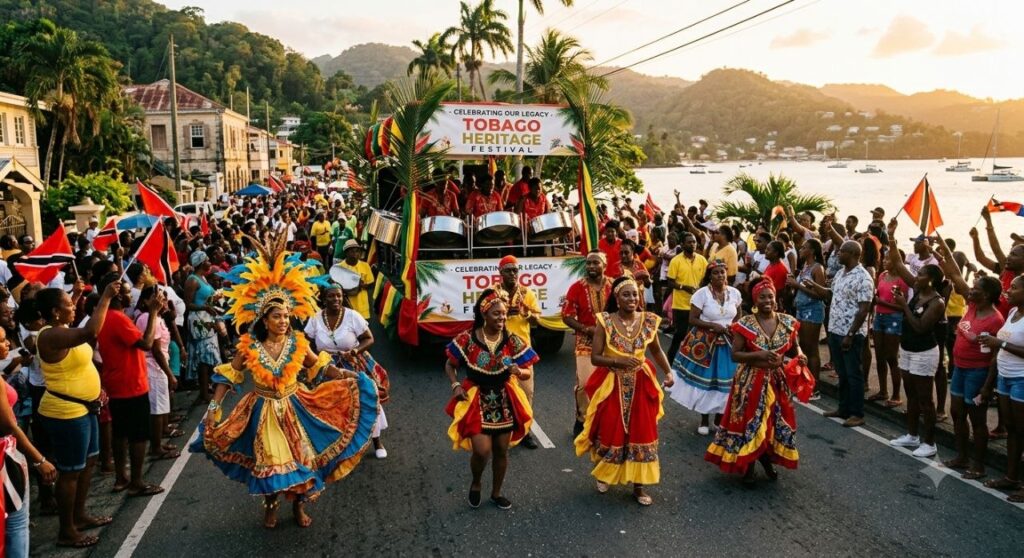
The Tobago Heritage Festival is an annual event that takes place on the island of Tobago in the Republic of Trinidad and Tobago. The festival celebrates Tobago’s rich cultural heritage and traditions and takes place over a two-week period in late July and early August.
During the festival, visitors can enjoy a wide range of cultural events and activities, including traditional music and dance performances, storytelling sessions, arts and crafts exhibitions, and local cuisine. The festival also features historical reenactments and demonstrations of traditional skills such as boat-building, basket-weaving, and wood-carving.
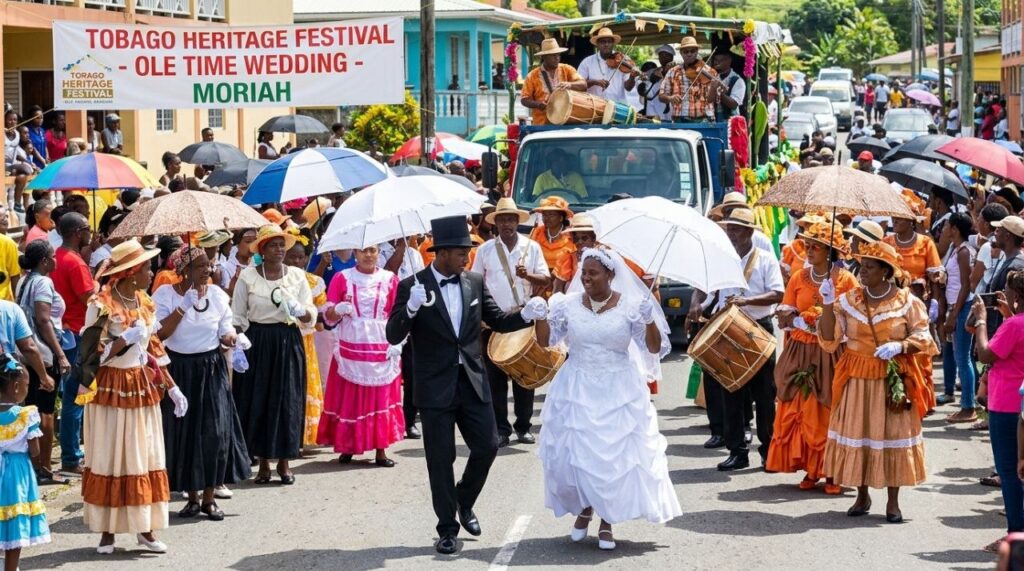
One of the highlights of the Tobago Heritage Festival is the “ole time wedding” reenactment, which is a recreation of a traditional Tobagonian wedding from the past. The festival also includes a “parang” competition, which is a type of traditional music that originated in Trinidad and Tobago.
The Tobago Heritage Festival provides an opportunity for visitors to learn about Tobago’s rich history and cultural heritage, and to experience the island’s unique traditions and way of life. The festival is a vibrant celebration of Tobago’s past, present, and future, and is a must-see event for anyone visiting the island.
Tobago Carnival is an annual festival held on the island of Tobago in the Republic of Trinidad and Tobago. The carnival takes place in the weeks leading up to Ash Wednesday, which falls in February or March each year.
The Tobago Carnival is a vibrant celebration of music, dance, and culture, with a focus on the island’s unique traditions and heritage. The festival features colorful costumes, lively music, and energetic dance performances, with participants taking to the streets to dance and celebrate.
The Tobago Carnival is a smaller and more intimate version of the larger Trinidad Carnival, which takes place on the neighboring island of Trinidad. However, the Tobago Carnival still attracts a large number of visitors and locals each year, with events including calypso competitions, steelpan performances, and a grand parade on Carnival Tuesday.
One of the highlights of the Tobago Carnival is the traditional J’Ouvert celebration, which takes place in the early hours of Carnival Monday. During J’Ouvert, participants cover themselves in mud, paint, and powder as they dance through the streets to the beat of steel drums and soca music.
The Tobago Carnival is a lively and colorful celebration of Tobago’s culture and heritage, and is a must-see event for anyone visiting the island during the Carnival season.
The Tobago Goat Race is an annual event that takes place on the Caribbean island of Tobago. It is a unique cultural event that has been held for over a century and attracts both locals and visitors to the island.
The Tobago Goat Race is essentially a type of goat-racing event, where trained goats compete against each other in a race. The goats are typically bred and trained specifically for this purpose and are often adorned with colorful costumes and decorations.
Goat Racing – Buccoo Tobago
The event usually takes place in Buccoo, a small fishing village on the island’s west coast. It is a day-long celebration that includes food, music, and other cultural activities in addition to the goat races.
The Tobago Goat Race is not only a fun and entertaining event, but it is also an important part of Tobago’s cultural heritage. It is a way for the islanders to celebrate their traditions and showcase their unique way of life to the world. If you happen to be in Tobago during the event, it is definitely worth checking out!
Easter Tuesday Buccoo, a small seaside village on the southwest coast of Tobago, has hosted goat racing since 1925. Goat racing developed as a poor man’s equivalent to horse racing In the early twentieth-century, since horse racing was reserved for the local elite. Since horse racing traditionally occurred on the Monday after Easter Sunday, Easter Tuesday was chosen to run goat races by the Buccoo Goat Race Festival Committee, a sub-committee of the Buccoo Village Council, that organises the event annually.
Easter Monday The village of Mt. Pleasant is also hosts to the goat racing festival which occurs on Easter Monday. A large gathering of family, friends and acquaintances also adds to the event’s popularity and attendance on the day.
The Tobago Blue Food Festival is an annual event that celebrates the island’s unique culture and cuisine. The festival takes place in mid-October each year and is centered around the use of “blue food” in Tobagonian cuisine.
Blue food refers to crops such as dasheen, cassava, and sweet potato, which have a blue or purple hue when cooked. These crops have been a staple in Tobagonian cuisine for centuries, and the festival is a way to showcase their versatility and delicious flavors.
At the festival, visitors can sample a variety of dishes made from blue food, including soups, stews, pies, and desserts. There are also cooking demonstrations, live music, and cultural performances throughout the day.
In addition to the food, the festival also features local artisans selling handmade crafts and souvenirs, as well as educational exhibits on the history and culture of Tobago.
The Tobago Blue Food Festival is a fun and unique way to experience the island’s culture and cuisine, and it’s a must-visit event for foodies and culture enthusiasts alike.
Indian Arrival Day is a public holiday in Trinidad and Tobago celebrated annually on May 30th to commemorate the arrival of the first indentured laborers from India in 1845.
The event signifies the cultural and historical significance of people of Indian origin who came to the Caribbean as indentured laborers to work on the sugar plantations.
The Indian Arrival Day celebrations usually begin with a religious ceremony held in major cities and towns where people participate in a puja or worship service. Cultural programs, performances, and parades are held throughout the day, showcasing the rich Indian heritage and traditions.
Dance performances, music and drumming, colorful costumes, and traditional Indian food are an integral part of the festivities. People also light diyas or lamps and offer prayers to their ancestors who came as indentured laborers to the Caribbean.
In Trinidad and Tobago, Indian Arrival Day is a time for people of Indian descent to reconnect with their roots, celebrate their culture and traditions and pay tribute to their ancestors who endured great hardship to build a new life in a foreign land.