Tobago has one main international airport, the Arthur Napoleon Raymond Robinson International Airport (TAB), which is located on the southwestern coast of the island, near the town of Crown Point.
The airport is named after the former Prime Minister of Trinidad and Tobago, and it is the smaller of the two international airports in the country, with the Piarco International Airport in Trinidad being the larger one.
TAB serves as a hub for several regional airlines, including Caribbean Airlines and LIAT, and it offers flights to destinations throughout the Caribbean, as well as to North America and Europe.
Tobago Guide
Useful Information from locals, to help you have the best experience while on the island of Tobago.
Saint Giles Island is located off the northeast tip of Tobago. The island can be viewed clearly from flag-staff lookout in Charlotteville. Reef patches and cliffs surrounding the island makes it a popular dive site.
St. Giles Island
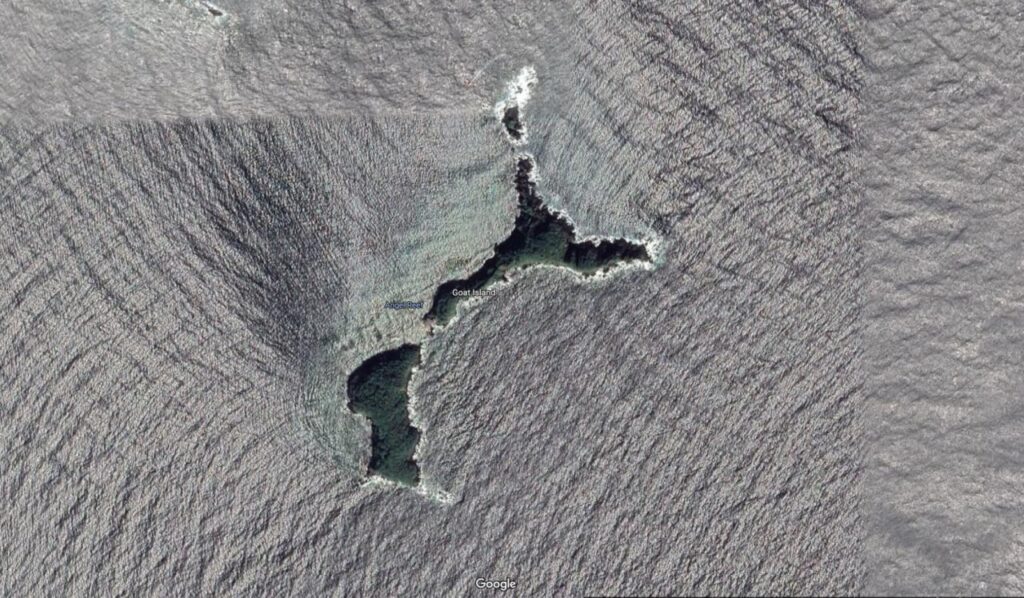
Goat Island
Goat Island is located off the coast of Speyside, between Tobago and Little Tobago. The reef around the island is popular with divers.
Goat Island
Little Tobago
Little Tobago is a small island off the northeastern coast of Tobago, popular with birdwatchers. The island is an important breeding site for seabirds such as red-billed tropicalbird, bridled terns and many more. Angel reef is also a popular site around the island for divers and glass-bottom boat tours.
Little Tobago
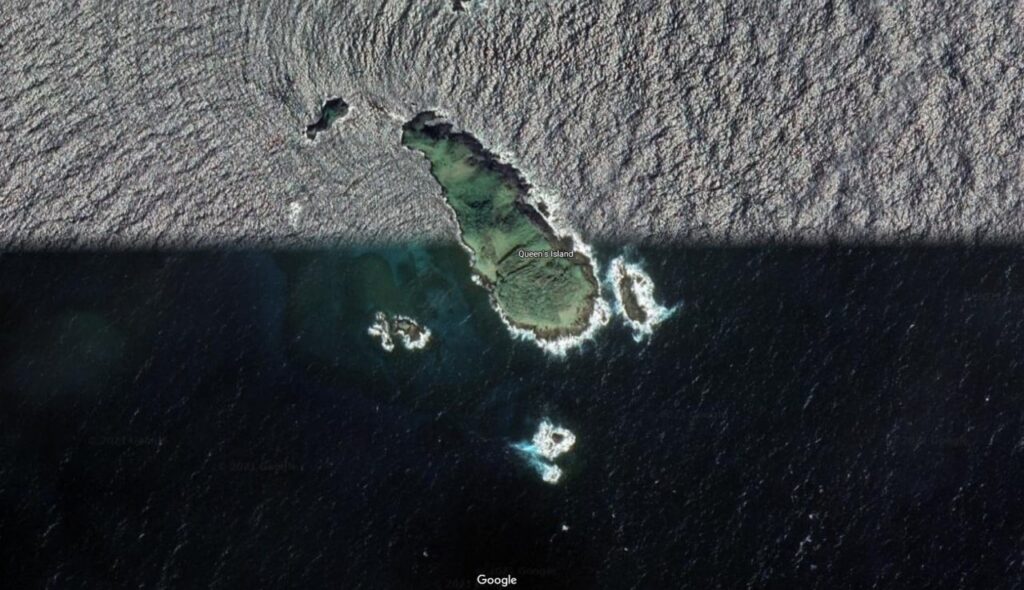
Queen’s Island
Queen’s Island is located on the north-eastern coast of Tobago outside of Louis D’or Bay and Delaford.
Queen’s Island
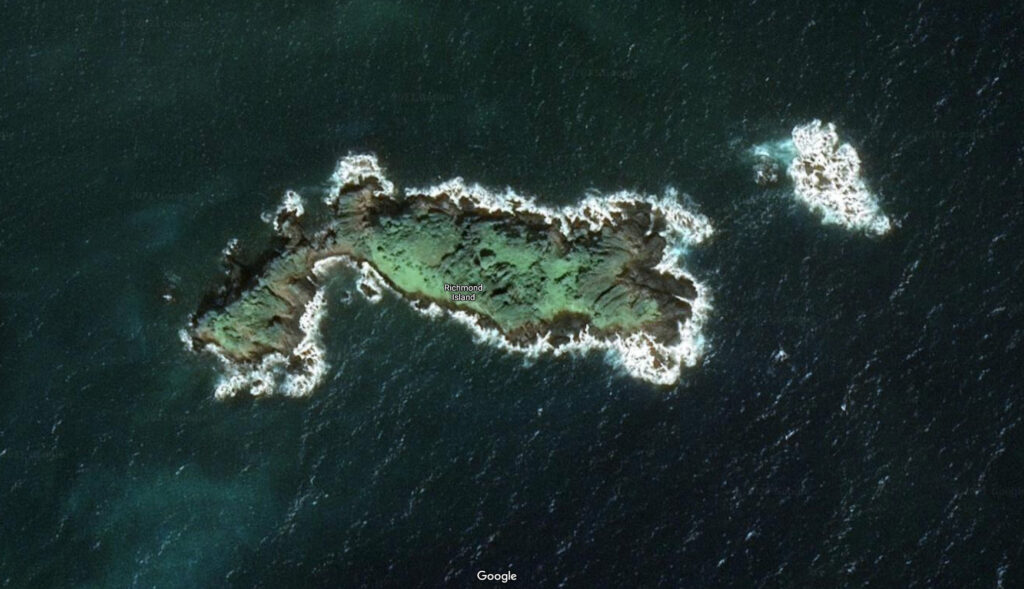
Richmond Island
Richmond Island is located on the eastern side of Tobago outside of Richmond bay.
Richmond Island
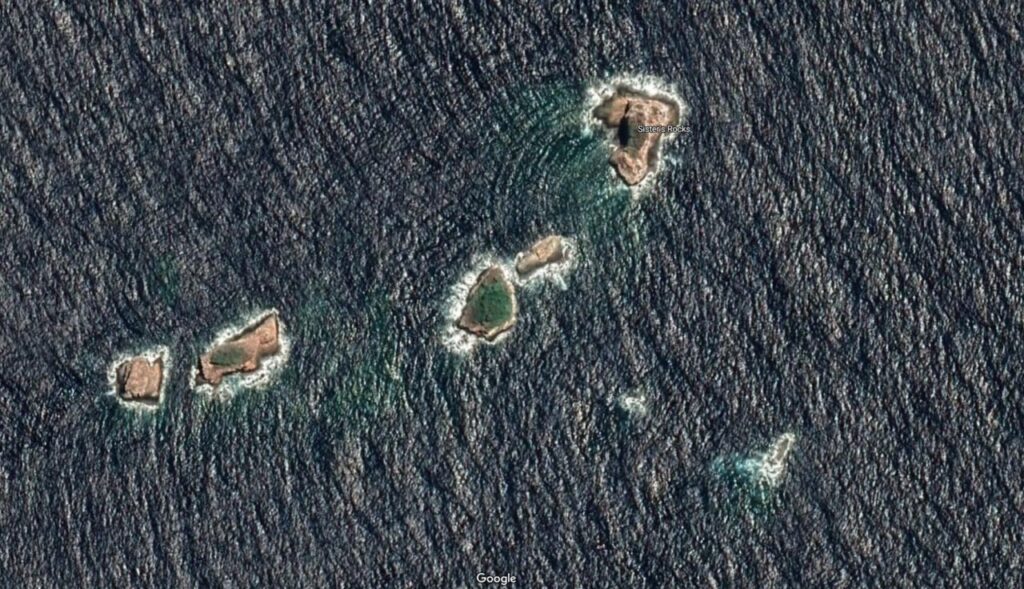
Sisters Rock
Sisters Rocks is tiny group of islands located off the northern coast of Tobago directly north of Parlatuvier. Sisters Rocks are popular for snorkeling and scuba diving for hammer-head sharks.
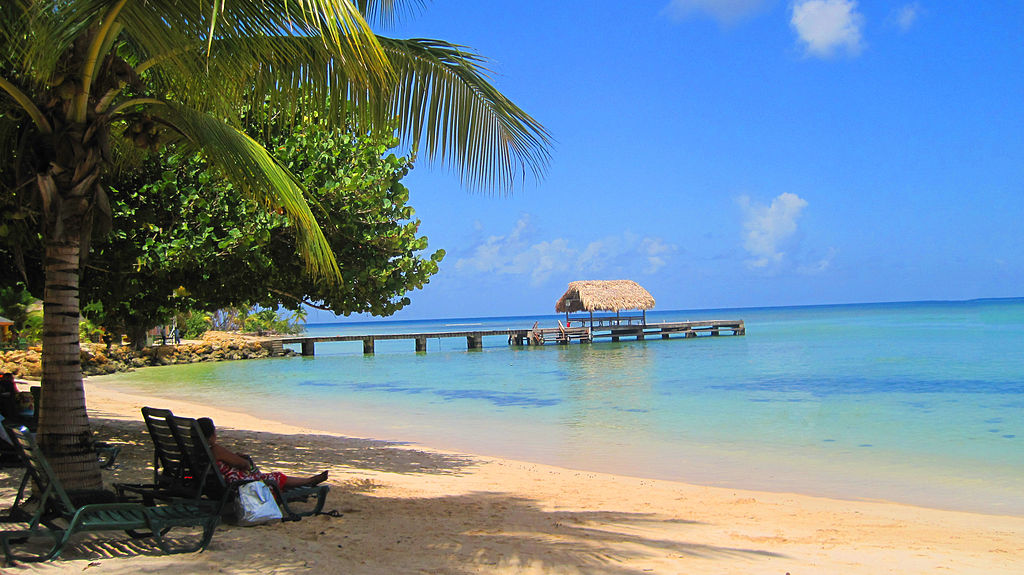
Tobago is home to some of the most stunning beaches in the Caribbean, with clear turquoise waters and white sandy shores. Popular beaches include Pigeon Point, Store Bay, Buccoo, Mt. Irvine and Englishman’s Bay.
2. Biodiversity
Black pelicans
Tobago boasts a rich and diverse ecosystem with over 200 species of birds, marine life, and lush rainforests to explore. The island is also home to the world’s oldest protected rainforest reserve, the Main Ridge Forest Reserve.
3. Snorkeling and Diving
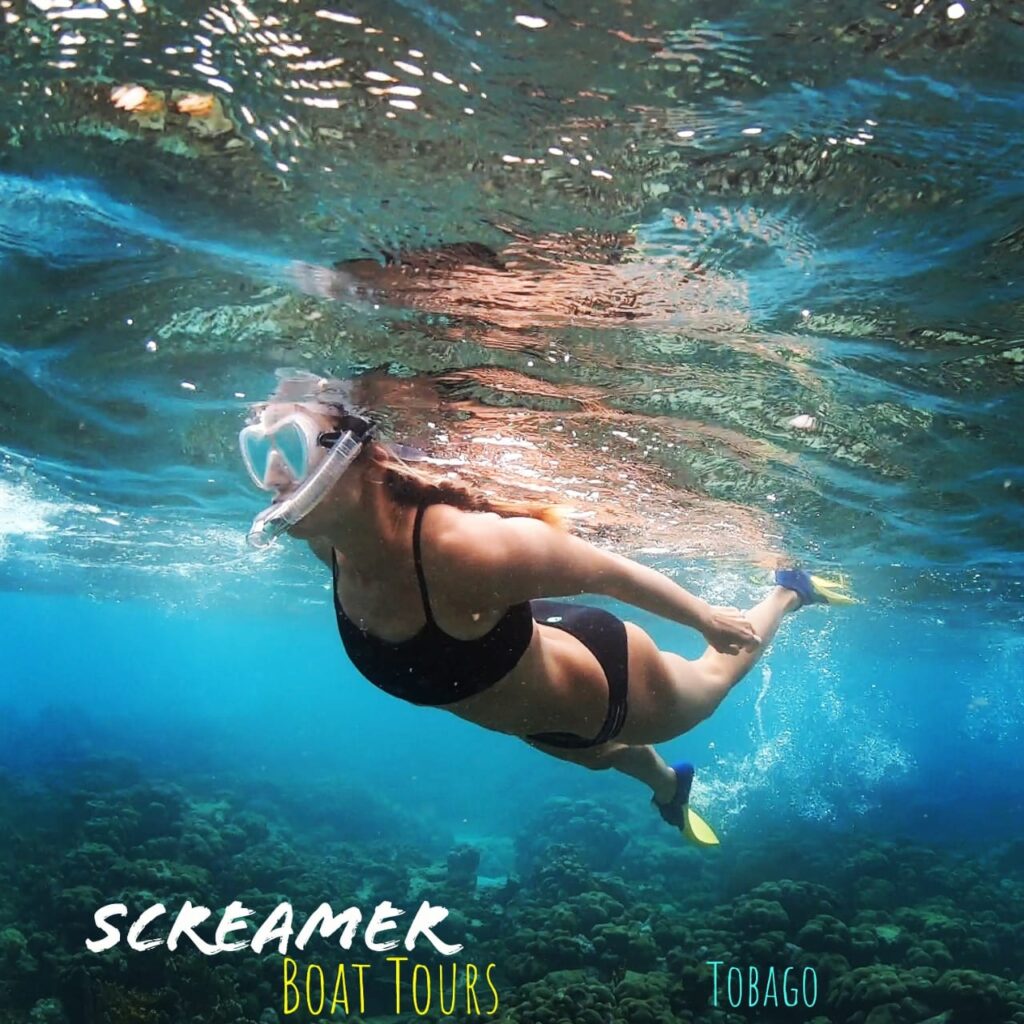
Tobago’s clear waters and coral reefs offer incredible snorkeling and diving opportunities, with colorful fish and marine life to discover. Buccoo Reef is one of the most popular spots for snorkeling and diving.
4. Watersports
Tobago is a great place to enjoy water sports such as windsurfing, kiteboarding, surfing kayaking, and stand-up paddleboarding.
5. Culture and History
Tobago has a rich cultural history, with a mix of African, European, and Caribbean influences. There are several historical sites to explore, including Fort King George, the Tobago Museum, and the Heritage Park.
6. Food
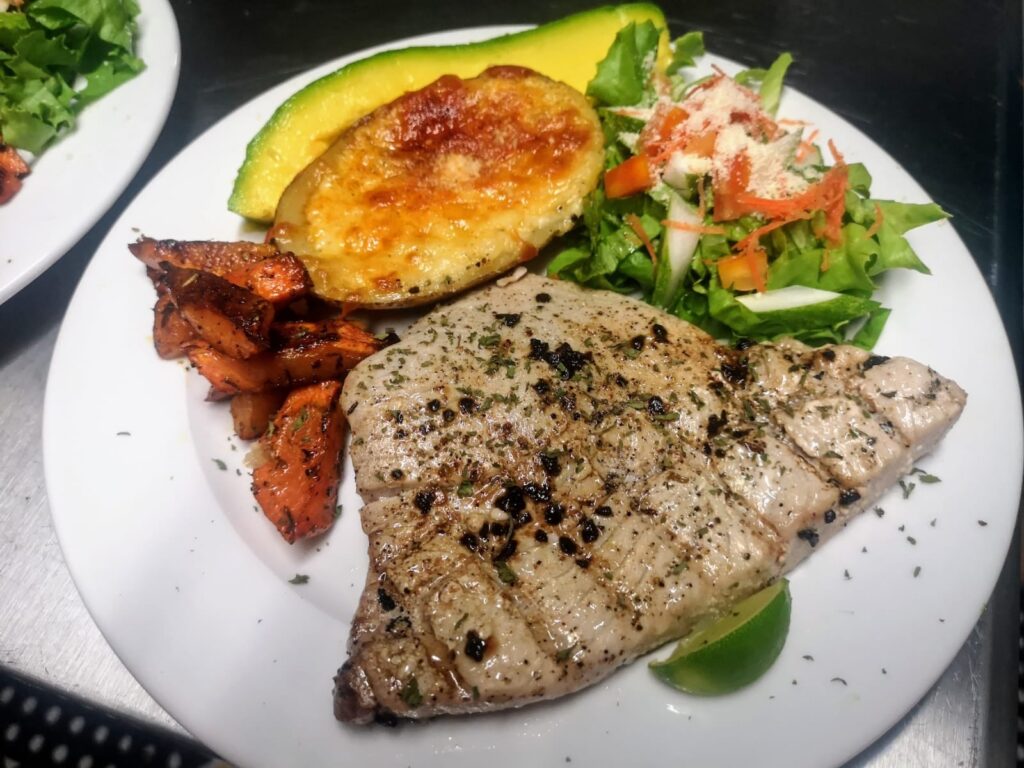
Tobago’s cuisine is a fusion of African, Indian, and European influences, with fresh seafood and spices being a staple. Some must-try dishes include curried crab and dumplings, callaloo soup, and bake and shark.
7. October Carnival
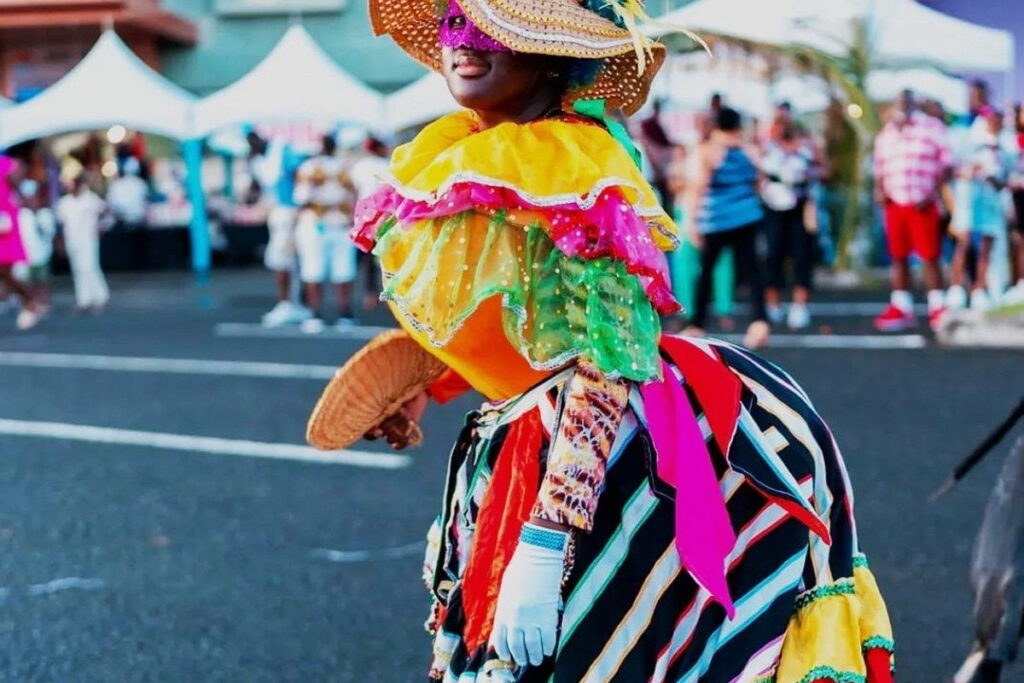
Tobago’s Carnival is a vibrant celebration of music, dance, and color, with colorful costumes and energetic traditional performances. It’s separate and smaller from the main Trinidad Carnival. It’s and is usually held in late October (Oct 30–Nov 1, 2026) in Scarborough and other areas around the island. It features Jouvert (morning paint/mud mas), traditional characters, steelpan, and intense street parades of bands and people.
8. Relaxation
Tobago is a great place to relax and unwind, with many secluded beaches and tranquil spots to enjoy. Some popular spots include Pleasant Prospect, Charlotteville, Castara, and Speyside.
9. Wildlife
Tobago is home to a variety of wildlife, including the Tobago hummingbird, the Cocrico, and the endangered leatherback sea-turtle. There are several nature reserves and sanctuaries to visit, including the Tobago Cocoa Estate and the Little Tobago Island Bird Sanctuary.
10. Hospitality
Tobago is known for its warm and friendly people, who are always ready to welcome visitors and make them feel at home. The island’s laid-back and welcoming atmosphere is one of its biggest draws.
Tobago was home to several Amerindian tribes before the arrival of Europeans. These tribes included the Arawaks, Caribs, and Waraos.
The Arawaks were the first known inhabitants of Tobago, and they arrived on the island around 500 AD. They were a peaceful people who lived off the land through fishing, hunting, and farming. They constructed homes made of wood and thatch, and their society was organized into clans and governed by a chief.
The Caribs, who were known for their aggressive nature, arrived on Tobago sometime in the 14th century, and they quickly established dominance over the Arawaks. They were skilled warriors and seafarers, and they used Tobago as a base for raiding nearby islands.
The Waraos, who were a seafaring people from the Orinoco Delta region of present-day Venezuela, also visited Tobago regularly for fishing and trading.
The arrival of European explorers and colonizers in the 16th century brought significant changes to Tobago’s indigenous population. The Spanish, French, Dutch, and British all established settlements on the island at various times, and they often used force to subjugate and exploit the native population. Many Amerindians were enslaved or forced to work on plantations, and their culture and way of life were eroded over time.
Today, there are few remaining traces of Tobago’s indigenous population, although some place names and archaeological sites serve as reminders of the island’s rich pre-colonial history. The Tobago Museum in Scarborough also has exhibits and information on the island’s indigenous peoples
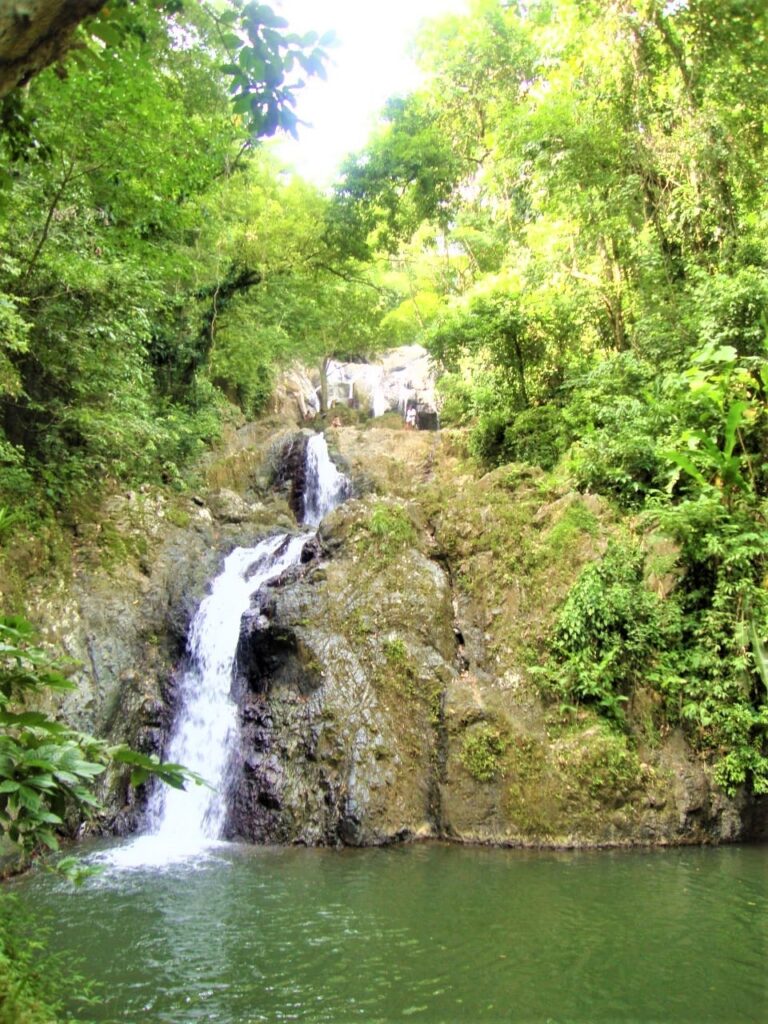
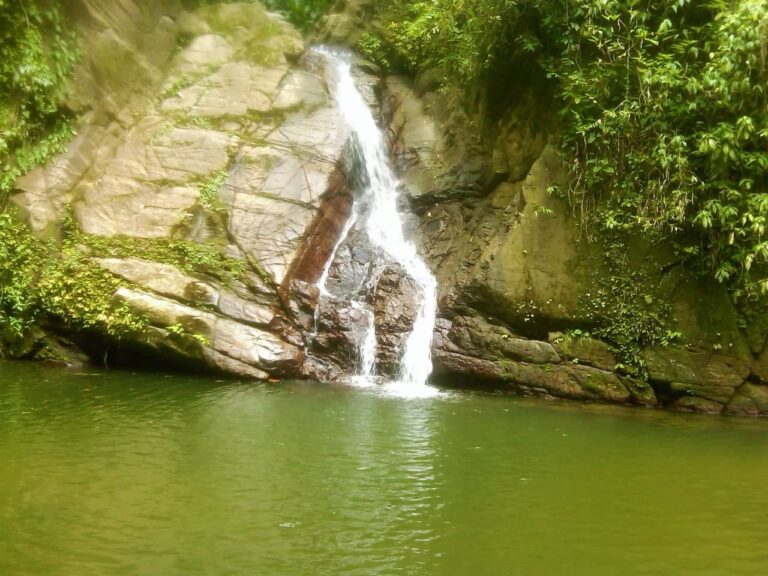
Argyle Waterfall is a beautiful natural attraction located in the eastern part of Tobago, which is part of the Republic of Trinidad and Tobago. It is a popular spot for tourists and locals alike who want to experience the island’s natural beauty.
The waterfall is situated in a lush rainforest setting, and visitors can take a short hike through the forest to reach the waterfall. The hike is not particularly challenging, but it does involve some steep inclines and rocky terrain, so it is important to wear sturdy shoes and bring plenty of water.
The waterfall itself is approximately 175 feet tall and cascades into a deep pool below, where visitors can swim and cool off in the refreshing waters. The surrounding forest is also home to a variety of wildlife, including birds and butterflies, making it an ideal destination for nature lovers.
Overall, the Argyle Waterfall is a must-visit attraction for anyone traveling to Tobago, offering a unique opportunity to experience the island’s natural beauty and explore its lush rainforest environment.
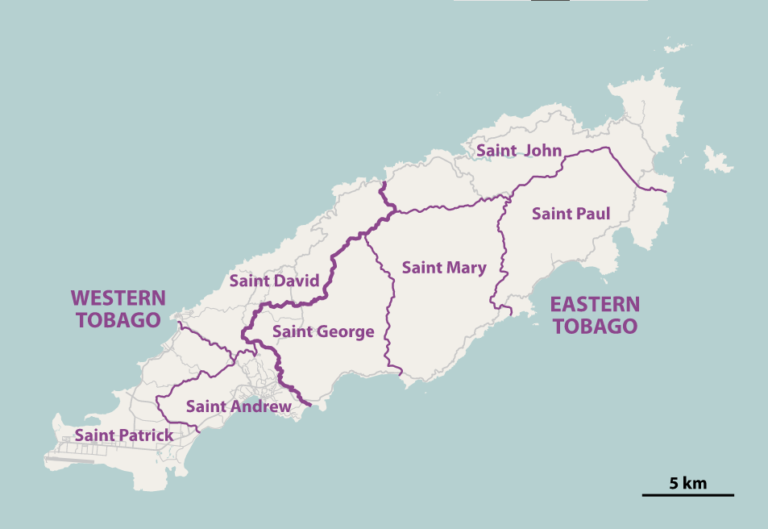
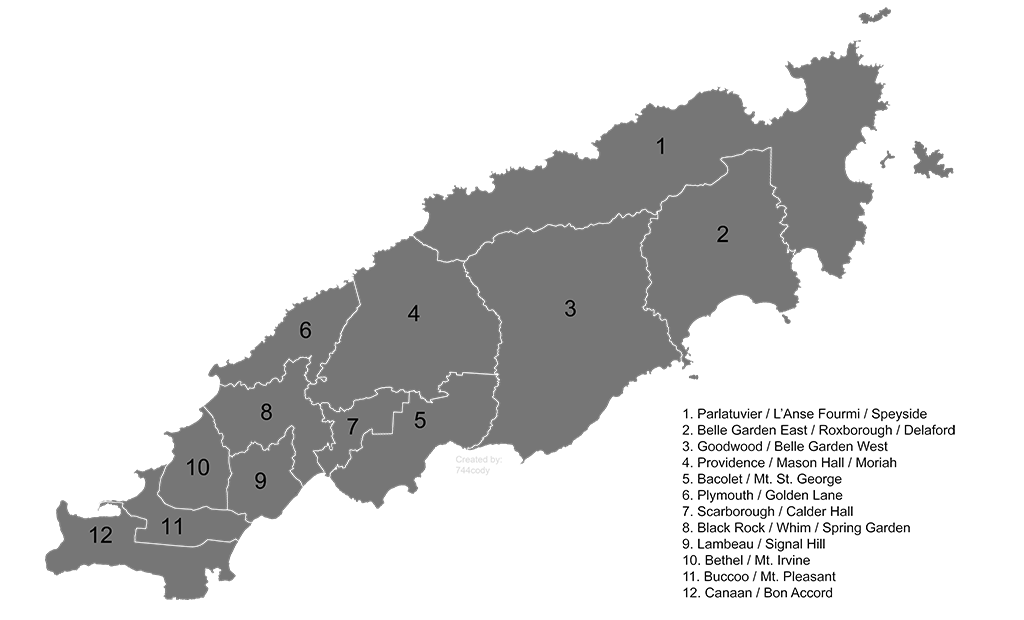
The waterfall is located in the area of Roxborough – on the eastern side of Tobago – ‘country side’.
Argyle is high multidrop waterfall on the edge of the rain-forest rising over 160ft high.
It takes about 15-20 minutes walking along the trail from the entrance to the base of the waterfall.
There is a paid entry fee of $60 TTD for visitors.
A small bar with snacks and a toilet facility (no shower) is available.
Guides are available for hire.
The waterfall pools can be deep – take caution if swimming!
Castara is a fishing village located on the northern coast of Tobago, a small island nation in the Caribbean. It is known for its beautiful beaches, clear waters, and laid-back atmosphere, making it a popular destination for travelers seeking a more relaxed and authentic Tobago experience.
Castara is home to two beaches, Big Bay and Heavenly Bay, which are known for their calm waters and excellent snorkeling and swimming conditions. The village is also surrounded by lush rainforest, providing plenty of opportunities for hiking and birdwatching.
One of the main attractions in Castara is its fishing culture, and visitors can witness the daily catch being brought in by local fishermen. The village is also home to several restaurants serving fresh seafood, including the popular Boathouse Restaurant, which is situated right on the beach.
For those looking to learn more about local culture, Castara is home to the Tobago Heritage Festival, an annual event that celebrates Tobago’s African and indigenous heritage through music, dance, and other cultural activities.
Overall, Castara is a charming and authentic Tobago destination that offers a perfect blend of natural beauty, cultural experiences, and relaxation.