|

Hillsborough Reservoir

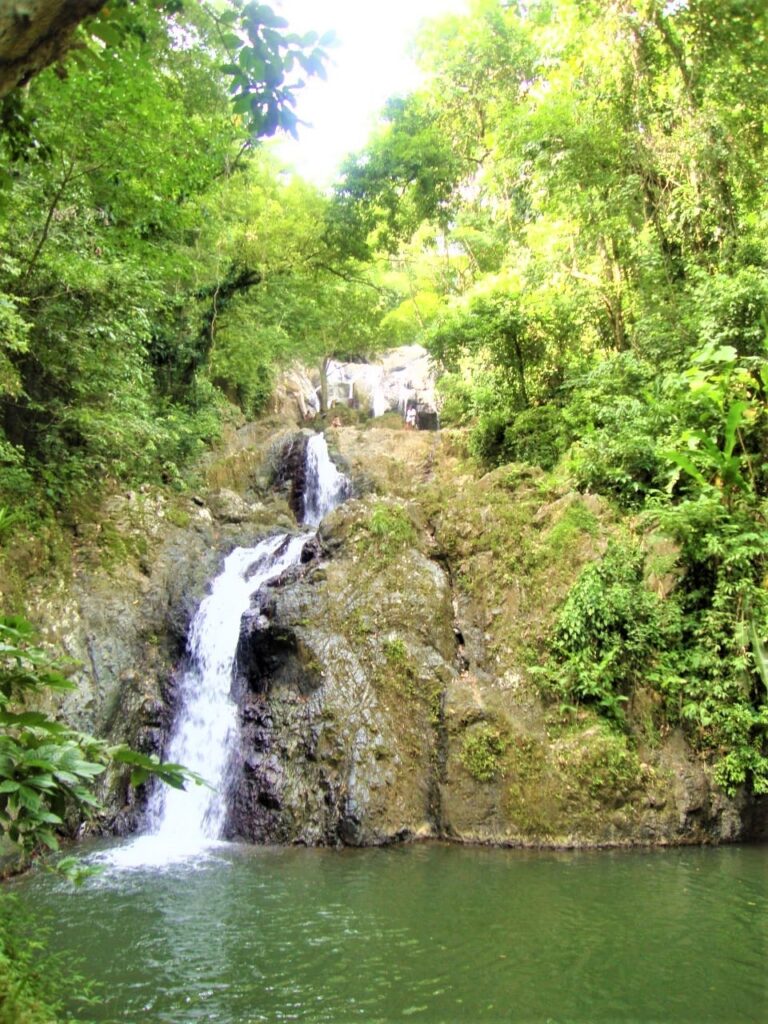
Hillsborough Reservoir, which was commissioned in May 1952, by His Excellency Sir Hubert Elvin Rance, then Governor of Trinidad and Tobago, is the only impounding reservoir in Tobago.

The reservoir is located 870 feet above sea level, Hillsborough has a rustic beauty and an elegantly designed spillway which provides a safety outlet when the reservoir is too full. The reservoir has a maximum storage capacity of 1.02 million m³ and the water treatment plant located just below can produce up to 9,091m3 per day.
Water from the reservoir serves areas such as Mt. St. George, Concordia, Whim, Mary’s Hill, Union and Les Coteaux.

The raw water from the reservoir passes through two strainers that clear the incoming water of large debris such as branches, twigs and leaves before entering the chemical house. Aluminium sulphate (alum) is added to make the suspended particles of silt and mud in the water coagulate and form large and heavier particles that sink to the bottom of the sedimentation (or settling) basins. The water is then filtered through layers of sand and gravel, a process that removes fine particles still in the water. The final stage of the water treatment process is the addition of lime, to counteract the acidity of the water and the injection of chlorine to destroy any disease-causing bacteria.

Construction of the Hillsborough Dam significantly changed the landscape but the catchment area and the reservoir still teem with an abundance of wildlife and a variety of flora.
There are twenty-eight (28) species of birds documented at Hillsborough which will excite the interest of any bird watcher.

WASA

More Guides

  • Tobago

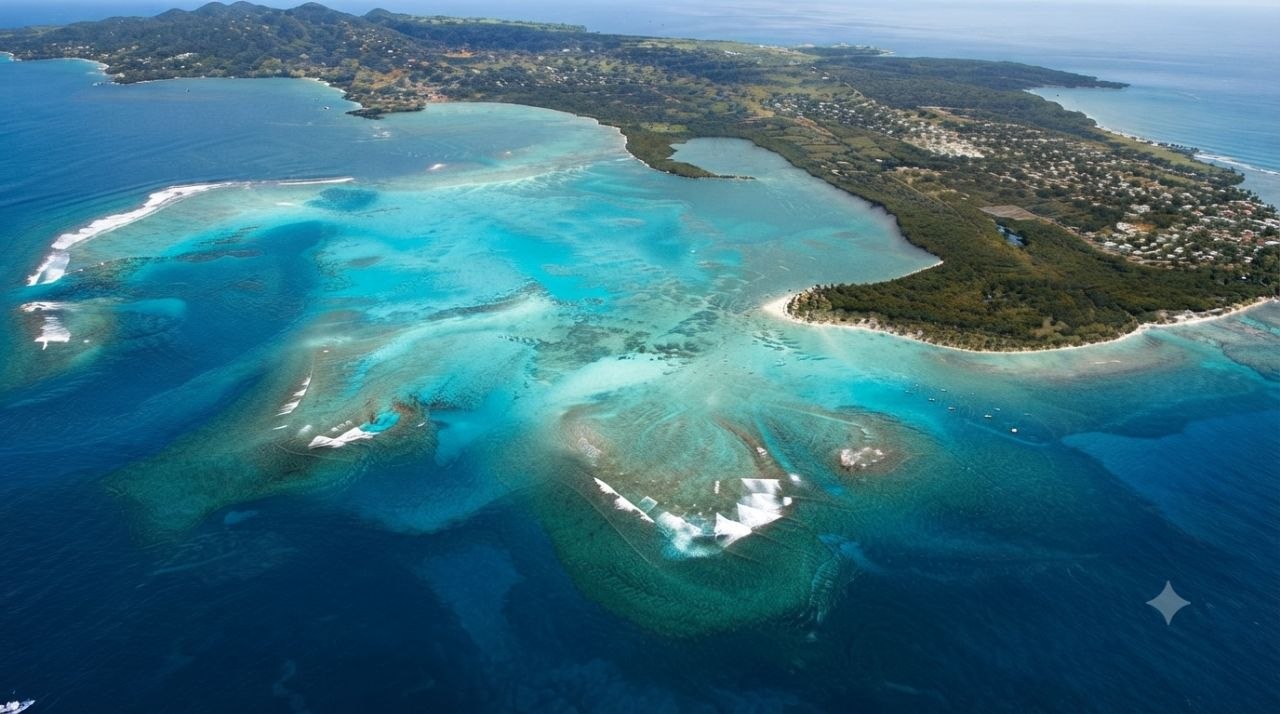
    Tobago is a beautiful Caribbean island located in the southern part of the Lesser Antilles. It is one of the two main islands that make up the Republic of Trinidad and Tobago, a country in the Caribbean Sea. Tobago is located about 30 kilometers northeast of Trinidad and covers an area of approximately 300 square kilometers.

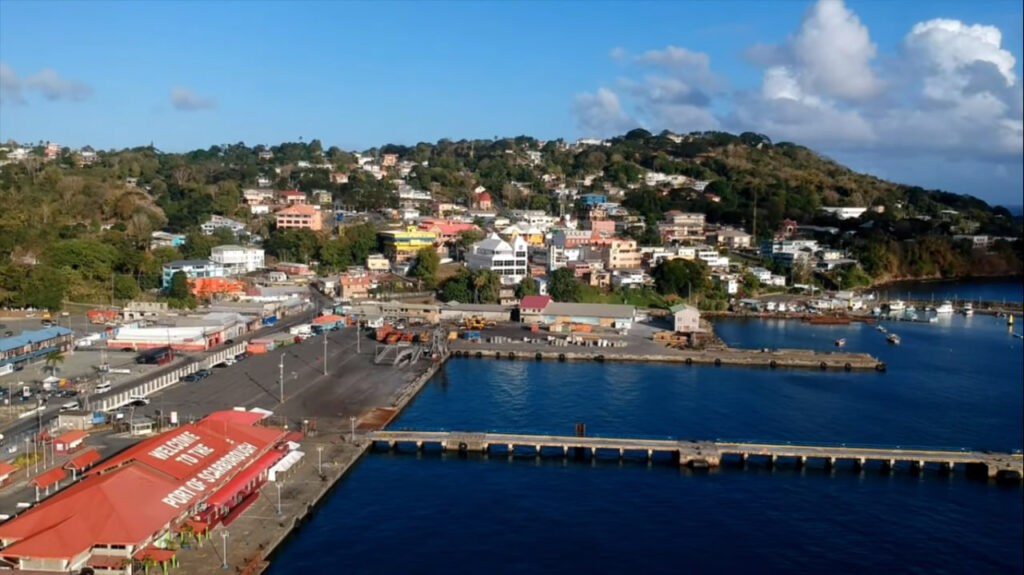
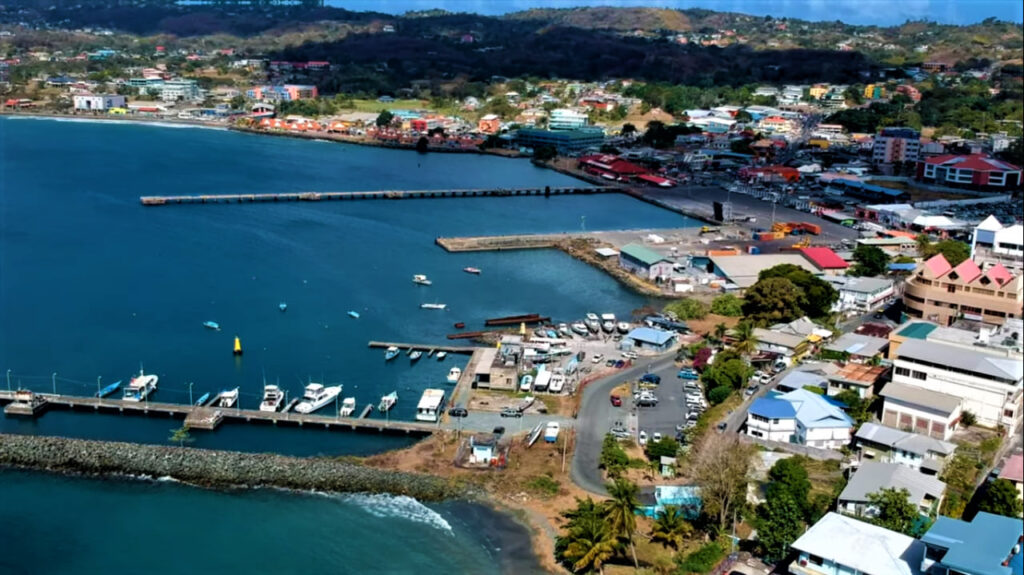
    The island is known for its beautiful beaches, lush rainforests, and unique culture. The capital of Tobago is Scarborough, which is also the largest town on the island. The island is home to a population of approximately 60,000 people, and the official language is English.

    Tobago has a rich history and is known for its colonial heritage. It was once a Dutch, French, and British colony before gaining independence in 1962. Today, Tobago is a popular tourist destination known for its stunning beaches, vibrant coral reefs, and diverse wildlife.

    Some of the popular attractions on the island include Pigeon Point Beach, Store Bay, Buccoo Reef, and Nylon Pool. Tobago is also home to several festivals throughout the year, including the Tobago Heritage Festival, Carnival, Buccoo Goat Race, and the Great Fete Weekend.

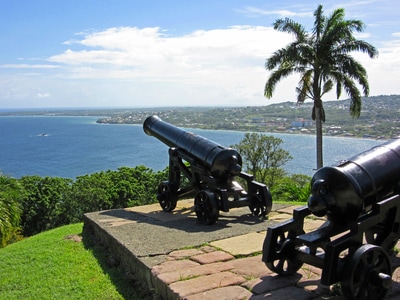
    Tourism is the main industry on the island, and there are plenty of accommodation options ranging from luxury resorts to budget guesthouses. Some of the popular activities for visitors include hiking in the rainforest, bird watching, beach hopping, and visiting historical sites like Fort King George.

    The local culture is vibrant and colorful, with music, dance, and festivals playing an important role in daily life. Some of the most popular festivals include the Tobago Jazz Experience, the Tobago Heritage Festival, and the Great Fete Weekend.

    Overall, Tobago is a beautiful and welcoming island that offers visitors a unique blend of natural beauty, history, and culture. It is a great destination for anyone looking to experience the Caribbean in a more authentic and off-the-beaten-path way.

    • Capital – Scarborough
    • People – ~70,000
    • Islands – 6
    • Villages – 36+
    • Districts – 15
    • Towns – 2

    • Length – 25.5 miles
    • Size – 116 mi²
    • Width – 7.5 miles
    • Latitude – 11.2337° N 
    • Longitude – 60.6989° W
    • 21 miles North-East of Trinidad.

    Climate and Geography

    In terms of climate, Tobago has a tropical climate with temperatures ranging from 24°C to 32°C throughout the year. The rainy (wet) season runs from June to December, but even during this time, the island still experiences plenty of sunshine.

    Tobago’s climate is pleasant all year round. It is cooler and less humid than Trinidad because of the more frequent northeast winds.

    Government and Population

    Since 1889, Tobago and Trinidad have shared the same government. In 1980 the Tobago House of Assembly (THA) was instituted and was made responsible for administrative governance within the island, with local governance remaining with the city and county councils. In 1987, full internal self-governance was granted to Tobago. The population is approximately 70,000, of which 80 % are of African decent. 

    History

    Tobago has a rich history, with evidence of human habitation dating back over 5,000 years. The Amerindian Arawaks and the Carib tribes also inhabited the island, before it was colonized by Europeans in the 16th century and became a center of sugar production.

    Tobago changed hands several times between the British and the French, and it was also briefly occupied by the Dutch and Spanish. Today, Tobago is part of an independent nation, but it still retains strong ties to the United Kingdom.

  • |

    Rain Forest

    The Main Ridge Forest Reserve is a protected area located in Tobago, a small island nation in the Caribbean. Established in 1776, it is the oldest forest reserve in the Western Hemisphere and covers approximately 10% of Tobago’s land area.

    The Main Ridge Forest Reserve is home to a wide variety of flora and fauna, including over 200 species of birds, over 600 species of butterflies, and numerous species of mammals, reptiles, and amphibians. It is also an important watershed that provides drinking water to local communities.

    The forest reserve offers numerous hiking trails and nature walks, as well as opportunities for birdwatching and wildlife viewing. The reserve is also an important site for research and education, with several institutions conducting studies on the ecology and biodiversity of the forest.

    The Main Ridge Forest Reserve is a crucial component of Tobago’s natural heritage, and its protection and conservation are vital to the island’s future sustainability.

  • |

    Bloody Bay

    Bloody Bay is a beautiful beach located on the northern coast of Tobago, an island in the southern Caribbean. The beach is named after a historical event that is said to have taken place there during the colonial period.

    Legend has it that the bay was the site of a bloody battle between French and British forces in the late 18th century. The battle was said to have been so fierce that the waters of the bay turned red with blood, hence the name “Bloody Bay.”

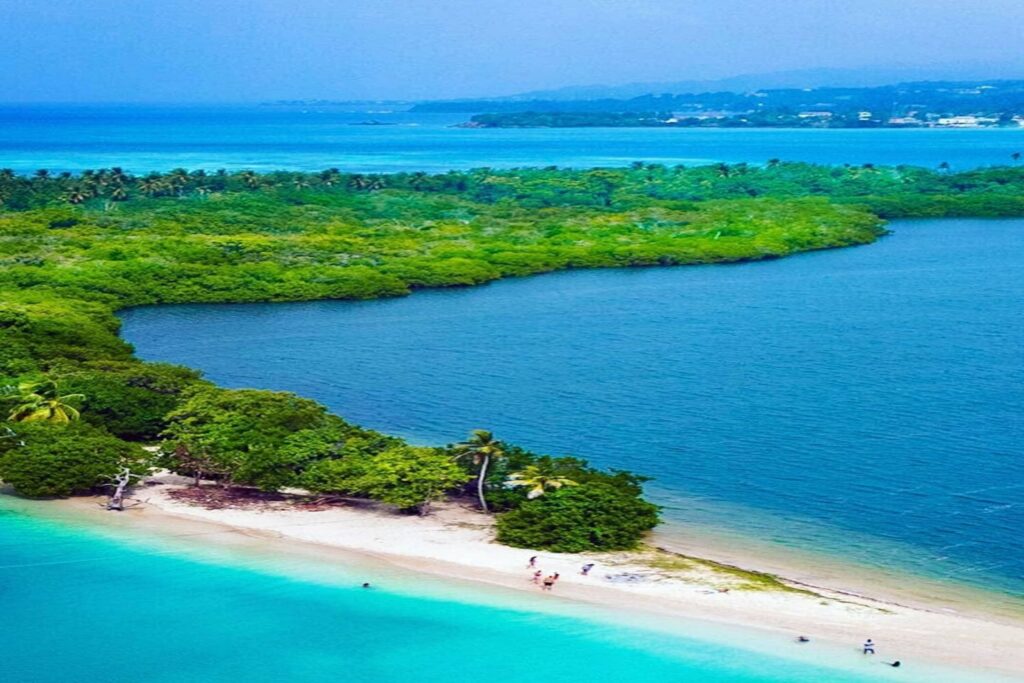
    Today, however, the beach is a tranquil and picturesque spot that is popular with tourists and locals alike. The soft white sand and clear turquoise waters make it an ideal spot for swimming, sunbathing, and snorkeling. The beach is surrounded by lush vegetation, and there are several palm trees that provide shade and add to the idyllic atmosphere.

    In addition to its natural beauty, Bloody Bay is also known for its excellent seafood. There are several restaurants and food stalls located near the beach that serve fresh fish, lobster, and other local specialties.

    Overall, Bloody Bay is a must-visit destination for anyone traveling to Tobago, whether for its history or its stunning natural beauty.

  • Speyside

    Speyside is a small village located on the northeastern coast of Tobago, which is part of the twin-island Republic of Trinidad and Tobago in the Caribbean. It is known for its picturesque scenery, including lush forests, pristine beaches, and crystal-clear waters.

    Speyside is particularly popular among nature lovers and adventure seekers, as it offers a range of outdoor activities such as hiking, birdwatching, and snorkeling. One of the most popular attractions in Speyside is the Main Ridge Forest Reserve, which is the oldest protected rainforest in the Western Hemisphere and a haven for birdwatchers and nature enthusiasts.

    Another popular attraction in Speyside is the Speyside Bay, a beautiful beach with calm waters that are perfect for swimming and snorkeling. Additionally, Speyside is a great starting point for exploring the nearby Little Tobago Island, which is a protected bird sanctuary and home to a variety of bird species.

    Overall, Speyside is a peaceful and scenic destination that offers visitors the opportunity to explore Tobago’s natural beauty and experience the island’s laid-back way of life.

  • |

    Glass Bottom Boats

    Glass bottom boats are a popular way to explore the beautiful waters surrounding Tobago. These boats have a clear glass panel in the bottom that allows passengers to view the underwater world without getting wet.

    There are several tour operators in Tobago that offer glass bottom boat tours. Some of the popular glass bottom boat tours include:

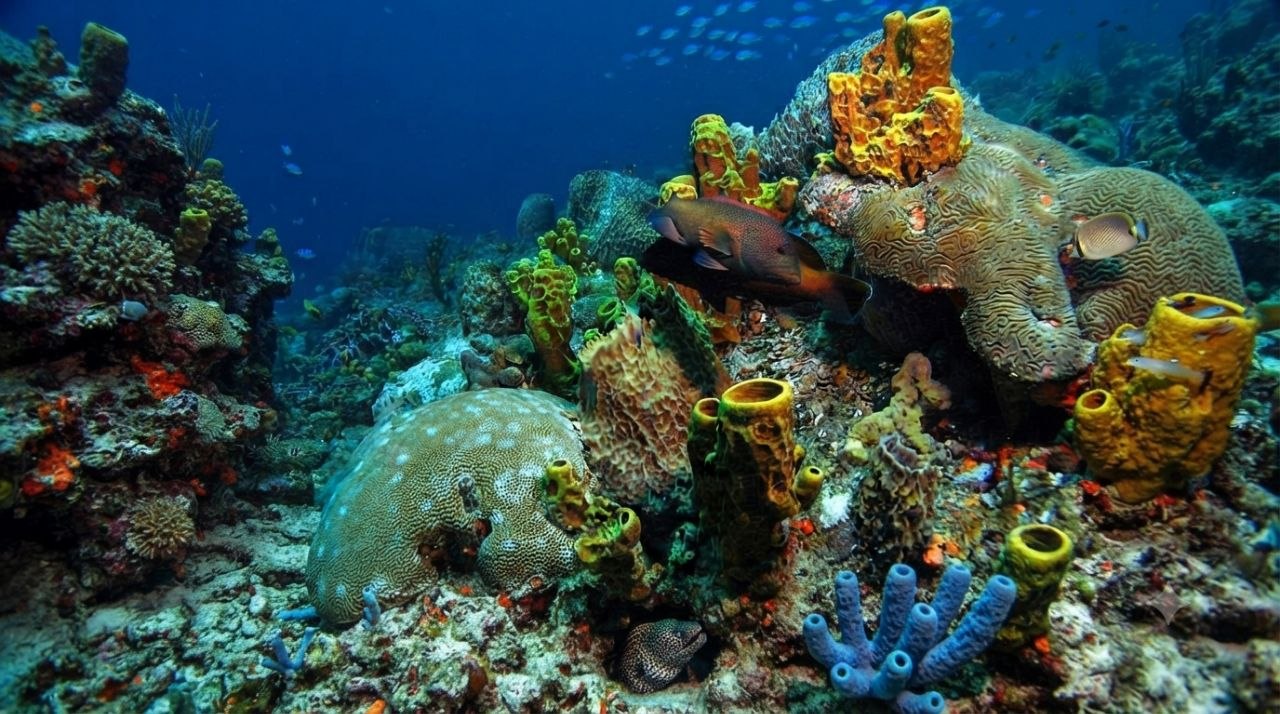
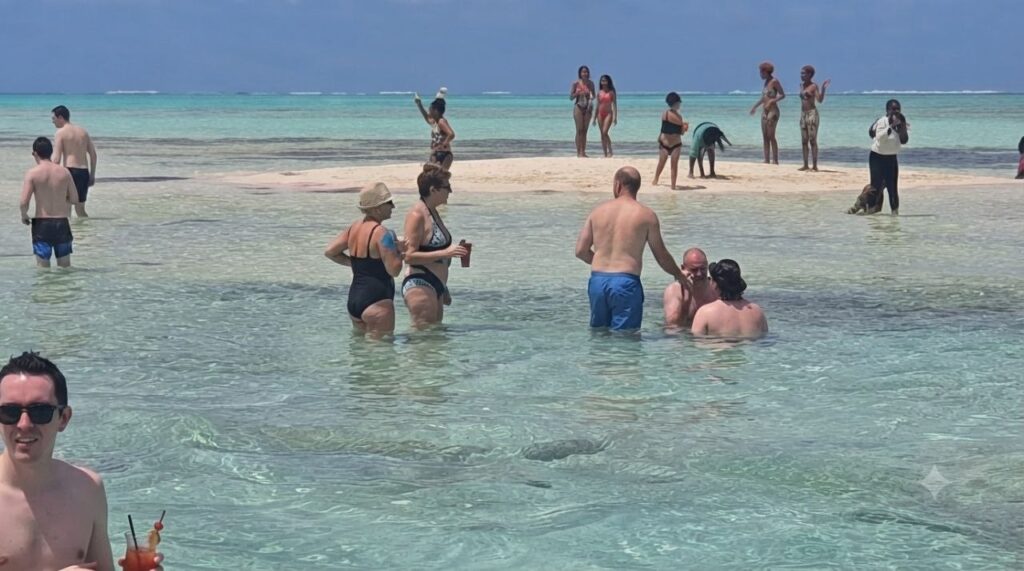
    1. Buccoo Reef and Nylon Pool Tour: This tour takes you to the Buccoo Reef, which is home to a variety of marine life, including colorful corals, fish, and sea turtles. After exploring the reef, the tour stops at Nylon Pool, a shallow sandbar in the middle of the ocean, where you can swim and snorkel.
    2. Store Bay Reef Tour: This tour takes you to the Store Bay Reef, which is located close to the shore and is known for its vibrant marine life. The tour also includes a stop at the No Man’s Land beach, where you can relax and swim in the calm waters.
    3. Glass Bottom Boat Adventure Tour: This tour takes you on a scenic journey along Tobago’s coastline, where you can admire the beautiful scenery and view the marine life through the glass bottom boat.

    The glass bottom boat tours in Tobago are a fun and exciting way to explore the underwater world without getting wet.

  • |

    Islands of Tobago

    Saint. Giles Island

    Saint Giles Island is located off the northeast tip of Tobago. The island can be viewed clearly from flag-staff lookout in Charlotteville. Reef patches and cliffs surrounding the island makes it a popular dive site.

    St. Giles Island

    Goat Island

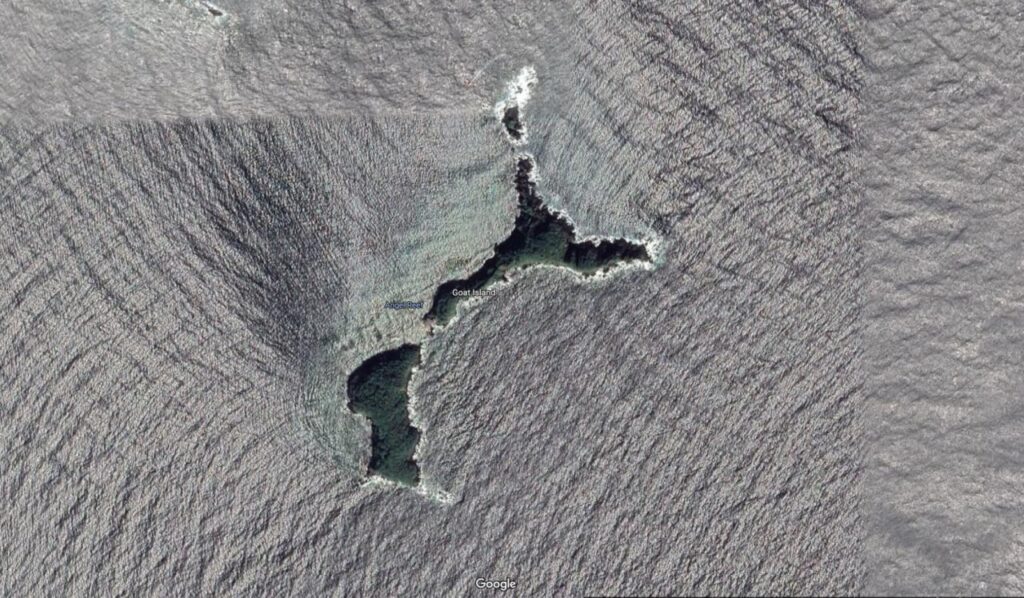
    Goat Island is located off the coast of Speyside, between Tobago and Little Tobago. The reef around the island is popular with divers.

    picture of tobago's goat island
    Goat Island

    Little Tobago

    Little Tobago is a small island off the northeastern coast of Tobago, popular with birdwatchers. The island is an important breeding site for seabirds such as red-billed tropicalbird,  bridled terns and many more. Angel reef is also a popular site around the island for divers and glass-bottom boat tours.

    image of little tobago
    Little Tobago

    Queen’s Island

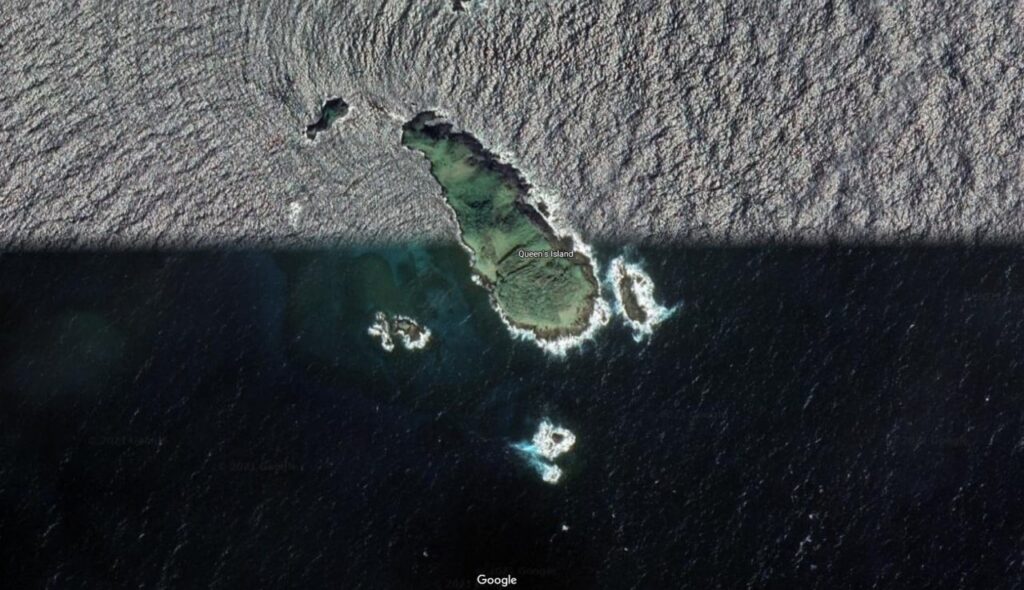
    Queen’s Island is located on the north-eastern coast of Tobago outside of Louis D’or Bay and Delaford.

    image of tobago's queen's island
    Queen’s Island

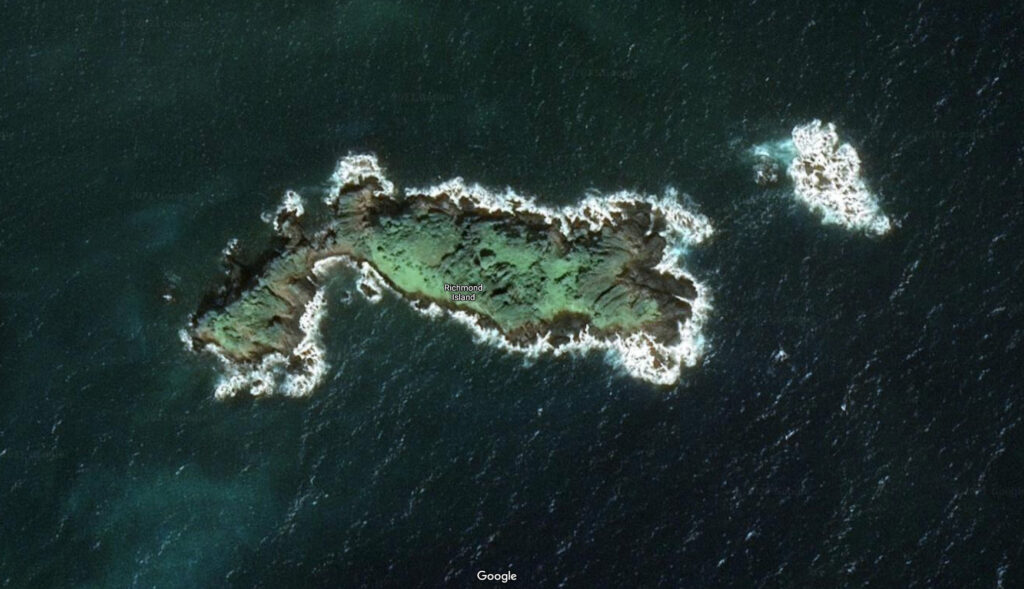
    Richmond Island

    Richmond Island is located on the eastern side of Tobago outside of Richmond bay.

    image of richmond island in tobago
    Richmond Island

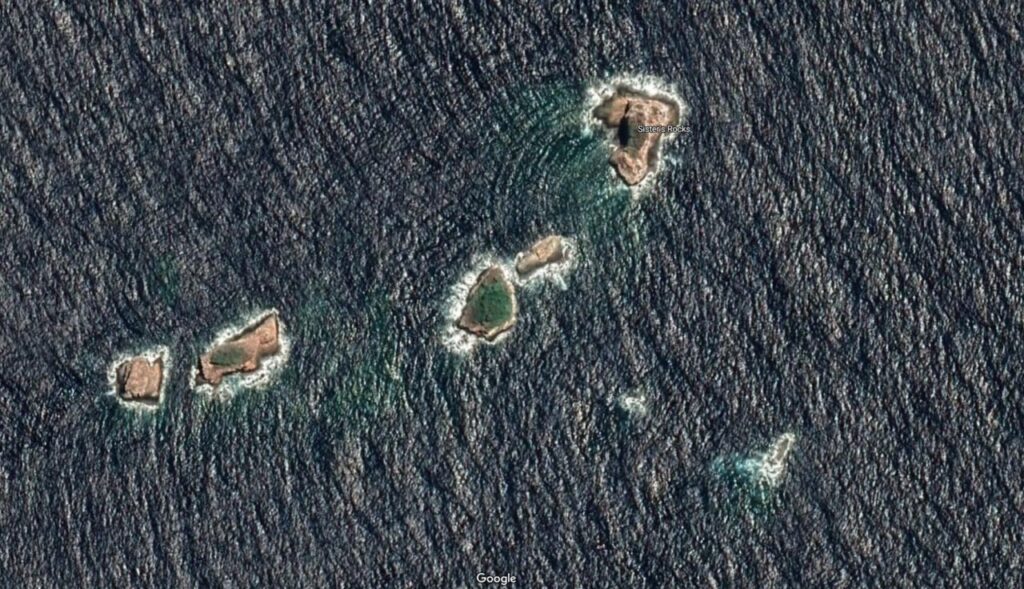
    Sisters Rock

    Sisters Rocks is tiny group of islands located off the northern coast of Tobago directly north of Parlatuvier. Sisters Rocks are popular for snorkeling and scuba diving for hammer-head sharks.

    image of sisters rock in tobago