Pigeon Point is a popular beach and tourist destination located on the southwestern tip of Tobago, which is an island in the southern Caribbean Sea and part of the nation of Trinidad and Tobago.
The beach is known for its soft white sand, crystal-clear waters, and scenic views of the nearby Buccoo Reef. The area has been developed into a beach resort with facilities such as restaurants, bars, changing rooms, and water sports equipment rentals, including kayaks, paddle boards, and jet skis.
Pigeon Point is also a popular spot for snorkeling and scuba diving due to its proximity to the Buccoo Reef, which is home to a diverse array of marine life. The beach is accessible by car or taxi from the nearby Crown Point area.
Pigeon Point is one of the island’s most known beach. The entire peninsula is also known as Pigeon Point Heritage Park.
Life guards
Security
Cabanas
Water sports
Shops
Restaurant & Bar
Entrance fee – $20.00 TTD for Adults, Kids $10.00 TTD under 6 yrs – free
Tobago was home to several Amerindian tribes before the arrival of Europeans. These tribes included the Arawaks, Caribs, and Waraos.
The Arawaks were the first known inhabitants of Tobago, and they arrived on the island around 500 AD. They were a peaceful people who lived off the land through fishing, hunting, and farming. They constructed homes made of wood and thatch, and their society was organized into clans and governed by a chief.
The Caribs, who were known for their aggressive nature, arrived on Tobago sometime in the 14th century, and they quickly established dominance over the Arawaks. They were skilled warriors and seafarers, and they used Tobago as a base for raiding nearby islands.
The Waraos, who were a seafaring people from the Orinoco Delta region of present-day Venezuela, also visited Tobago regularly for fishing and trading.
The arrival of European explorers and colonizers in the 16th century brought significant changes to Tobago’s indigenous population. The Spanish, French, Dutch, and British all established settlements on the island at various times, and they often used force to subjugate and exploit the native population. Many Amerindians were enslaved or forced to work on plantations, and their culture and way of life were eroded over time.
Today, there are few remaining traces of Tobago’s indigenous population, although some place names and archaeological sites serve as reminders of the island’s rich pre-colonial history. The Tobago Museum in Scarborough also has exhibits and information on the island’s indigenous peoples
Saint Giles Island is located off the northeast tip of Tobago. The island can be viewed clearly from flag-staff lookout in Charlotteville. Reef patches and cliffs surrounding the island makes it a popular dive site.
St. Giles Island
Goat Island
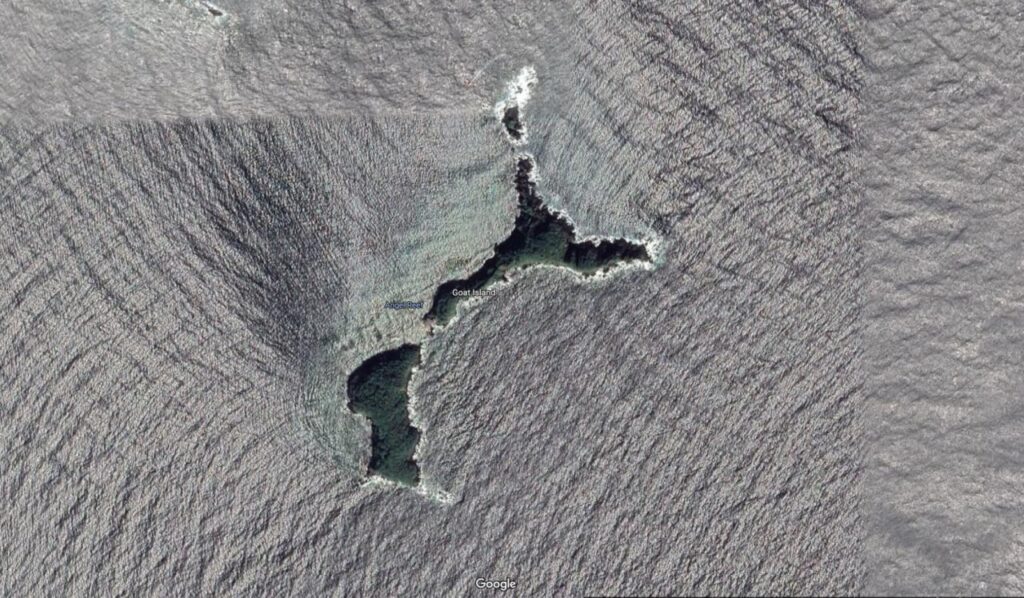
Goat Island is located off the coast of Speyside, between Tobago and Little Tobago. The reef around the island is popular with divers.
Goat Island
Little Tobago
Little Tobago is a small island off the northeastern coast of Tobago, popular with birdwatchers. The island is an important breeding site for seabirds such as red-billed tropicalbird, bridled terns and many more. Angel reef is also a popular site around the island for divers and glass-bottom boat tours.
Little Tobago
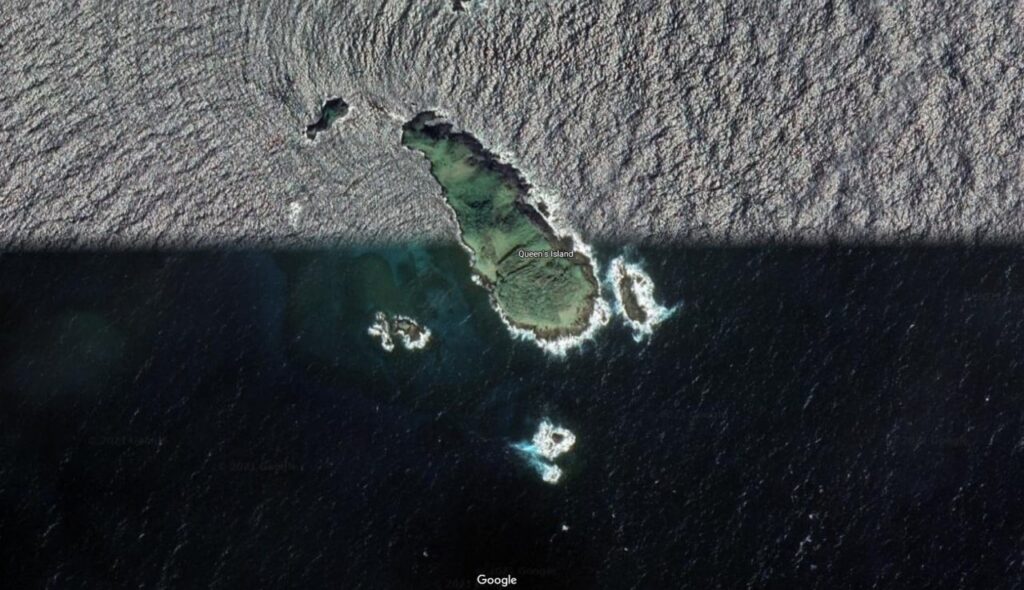
Queen’s Island
Queen’s Island is located on the north-eastern coast of Tobago outside of Louis D’or Bay and Delaford.
Queen’s Island
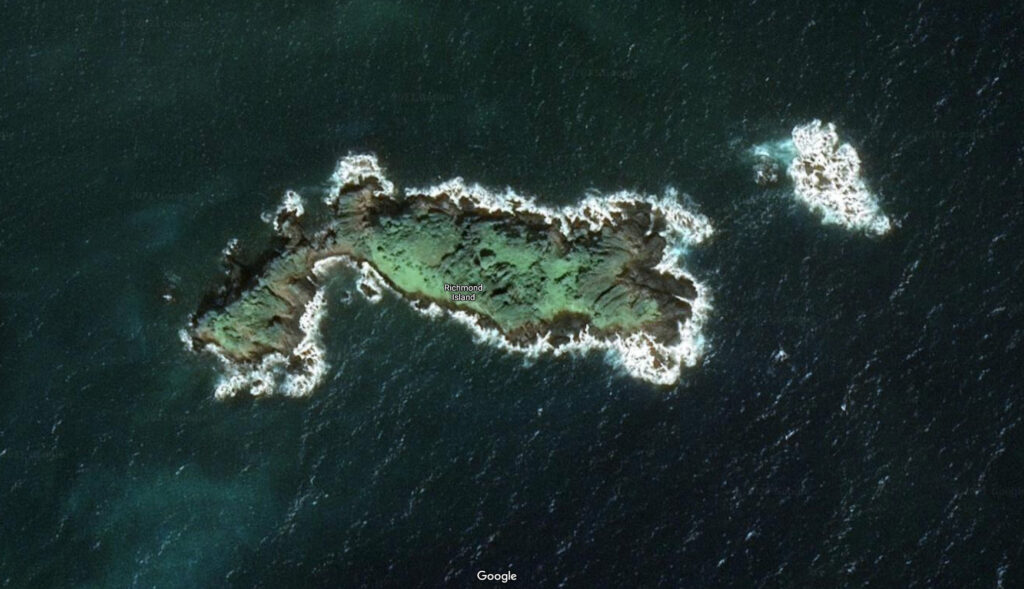
Richmond Island
Richmond Island is located on the eastern side of Tobago outside of Richmond bay.
Richmond Island
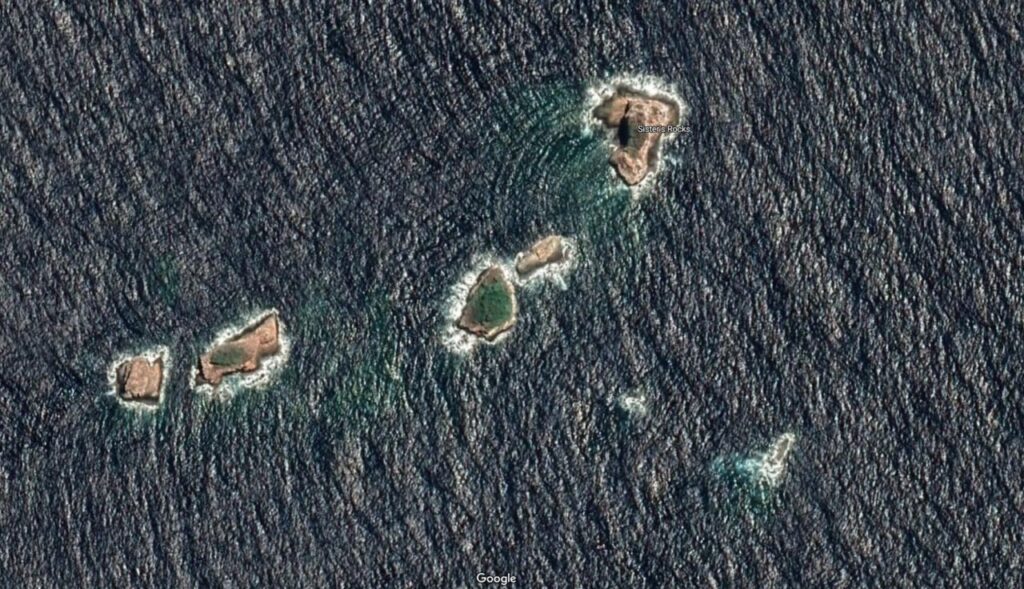
Sisters Rock
Sisters Rocks is tiny group of islands located off the northern coast of Tobago directly north of Parlatuvier. Sisters Rocks are popular for snorkeling and scuba diving for hammer-head sharks.
Tobago is home to some of the most stunning beaches in the Caribbean, with clear turquoise waters and white sandy shores. Popular beaches include Pigeon Point, Store Bay, Buccoo, Mt. Irvine and Englishman’s Bay.
2. Biodiversity
Black pelicans
Tobago boasts a rich and diverse ecosystem with over 200 species of birds, marine life, and lush rainforests to explore. The island is also home to the world’s oldest protected rainforest reserve, the Main Ridge Forest Reserve.
3. Snorkeling and Diving
Tobago’s clear waters and coral reefs offer incredible snorkeling and diving opportunities, with colorful fish and marine life to discover. Buccoo Reef is one of the most popular spots for snorkeling and diving.
4. Watersports
Tobago is a great place to enjoy water sports such as windsurfing, kiteboarding, surfing kayaking, and stand-up paddleboarding.
5. Culture and History
Tobago has a rich cultural history, with a mix of African, European, and Caribbean influences. There are several historical sites to explore, including Fort King George, the Tobago Museum, and the Heritage Park.
6. Food
Tobago’s cuisine is a fusion of African, Indian, and European influences, with fresh seafood and spices being a staple. Some must-try dishes include curried crab and dumplings, callaloo soup, and bake and shark.
7. October Carnival
Tobago’s Carnival is a vibrant celebration of music, dance, and color, with colorful costumes and energetic traditional performances. It’s separate and smaller from the main Trinidad Carnival. It’s and is usually held in late October (Oct 30–Nov 1, 2026) in Scarborough and other areas around the island. It features Jouvert (morning paint/mud mas), traditional characters, steelpan, and intense street parades of bands and people.
8. Relaxation
Tobago is a great place to relax and unwind, with many secluded beaches and tranquil spots to enjoy. Some popular spots include Pleasant Prospect, Charlotteville, Castara, and Speyside.
9. Wildlife
Tobago is home to a variety of wildlife, including the Tobago hummingbird, the Cocrico, and the endangered leatherback sea-turtle. There are several nature reserves and sanctuaries to visit, including the Tobago Cocoa Estate and the Little Tobago Island Bird Sanctuary.
10. Hospitality
Tobago is known for its warm and friendly people, who are always ready to welcome visitors and make them feel at home. The island’s laid-back and welcoming atmosphere is one of its biggest draws.
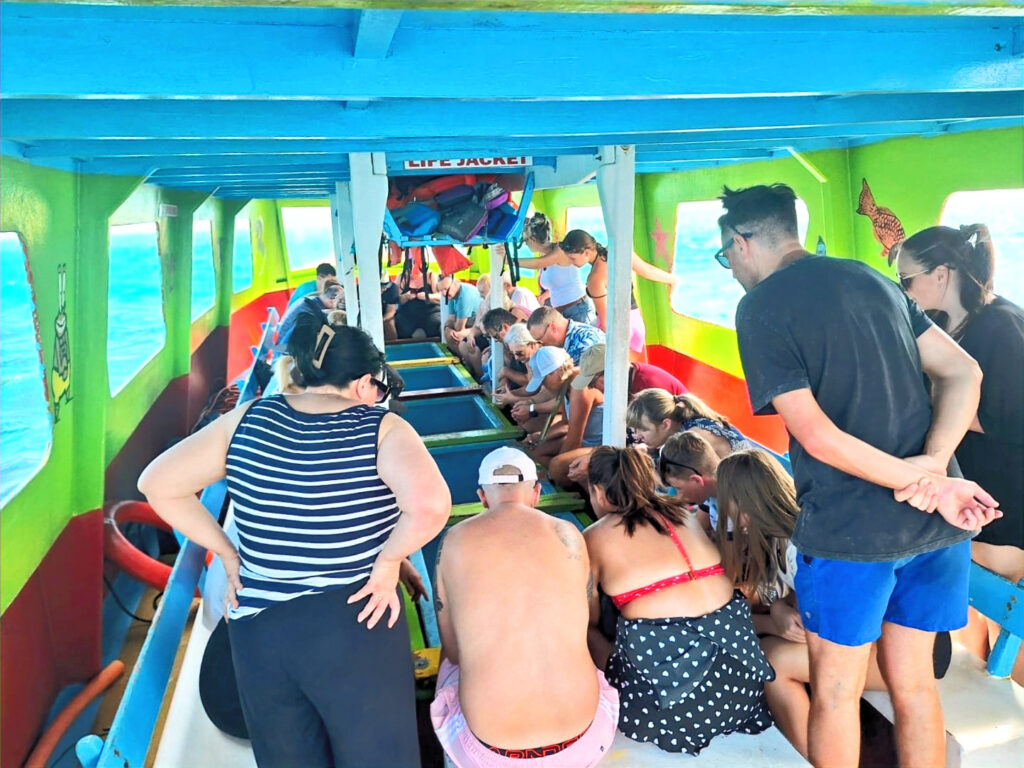
Glass bottom boats are a popular way to explore the beautiful waters surrounding Tobago. These boats have a clear glass panel in the bottom that allows passengers to view the underwater world without getting wet.
There are several tour operators in Tobago that offer glass bottom boat tours. Some of the popular glass bottom boat tours include:
Buccoo Reef and Nylon Pool Tour: This tour takes you to the Buccoo Reef, which is home to a variety of marine life, including colorful corals, fish, and sea turtles. After exploring the reef, the tour stops at Nylon Pool, a shallow sandbar in the middle of the ocean, where you can swim and snorkel.
Store Bay Reef Tour: This tour takes you to the Store Bay Reef, which is located close to the shore and is known for its vibrant marine life. The tour also includes a stop at the No Man’s Land beach, where you can relax and swim in the calm waters.
Glass Bottom Boat Adventure Tour: This tour takes you on a scenic journey along Tobago’s coastline, where you can admire the beautiful scenery and view the marine life through the glass bottom boat.
The glass bottom boat tours in Tobago are a fun and exciting way to explore the underwater world without getting wet.
Crown Point is a popular tourist destination located on the southwestern coast of Tobago, a small island nation in the Caribbean. It is known for its beautiful beaches, vibrant nightlife, and wide range of activities and attractions.
One of the main attractions in Crown Point is Store Bay, a stunning beach known for its white sand, crystal-clear waters, and vibrant coral reefs. The beach is perfect for swimming, sunbathing, and snorkeling, and it’s also home to several food vendors serving local specialties.
Crown Point is also home to Pigeon Point, another popular beach known for its iconic thatched-roof jetty, which has become an iconic symbol of Tobago. The beach is surrounded by lush greenery and offers a range of activities, including snorkeling, jet-skiing, and paddleboarding.
For those looking for nightlife, Crown Point offers a range of options, including bars, nightclubs, and casinos. The area is also home to several restaurants serving a variety of cuisines, including local specialties and international dishes.
Other notable attractions in Crown Point include the Nylon Pool, a natural pool located in the middle of the ocean, and the Buccoo Reef Marine Park, a protected area that is home to a wide variety of marine life.
Overall, Crown Point is a vibrant and lively Tobago destination that offers something for everyone, from stunning beaches and outdoor activities to nightlife and cultural experiences.
Crown Point is a vibrant and popular town in Tobago.