• Tobago’s Best Beaches

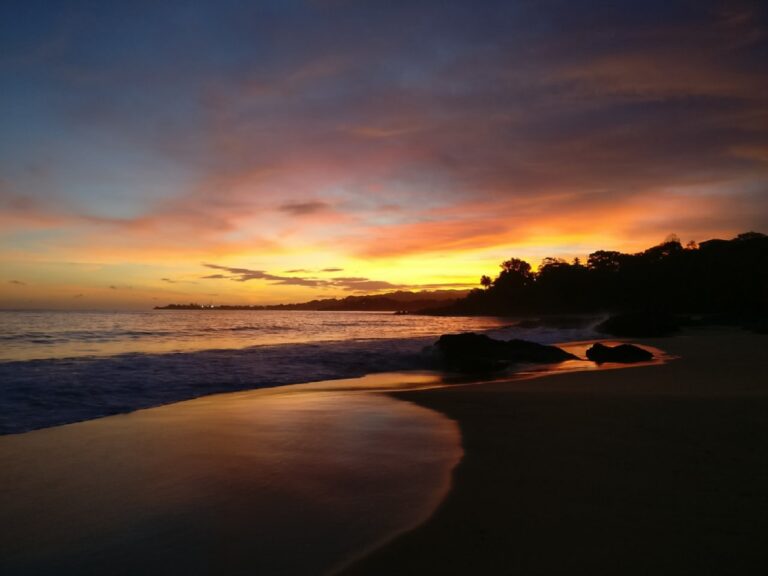
    Tobago is surrounded by beautiful bays and beaches, here are a few that can be considered the best bays around the Island. They are selected based on attractiveness and distance to local amenities.

    Store Bay

    Store bay is situated on the southern-western coast of Tobago in the Crown Point area next to the to Airport. It’s a very popular bay for locals and visitors and also serves as a hub for reef tours on the glass-bottom boats and tasty local foods.

    Local Amenities

    • Lifeguards
    • Public Washrooms
    • Hotels/Guesthouses
    • Security
    • Restuarants & Bars
    • Snorkelling/Kayaking
    • Food Vendors/Craft shops
    • Public Transport
    • Off Road Parking
    • Airport, Police station, Fire station
    • Banks, Supermarkets
    Useful Tips
    • Never leave your personal belongings unattended.
    • Exercise caution when in the water.
    • Keep the beach clean and litter free.

    Mt. Irvine Bay

    Mt. Irvine Bay is situated on the western coast of Tobago between the villages of Buccoo and Black Rock. The Bay is the surfing spot of the Island having one of the best (right) reef breaks in the country.

    Local Amenities

    • Lifeguards
    • Public Washroom
    • Hotels/Guesthouses
    • Security
    • Restuarants & Bars
    • Fish Market
    • Surfing/Snorkelling/Kayaking
    • Cabanas
    • Food Vendors
    • Public Transport
    • Off Road Parking 

    Back Bay

    Back Bay also known as (Rocky Point) is a small neighboring bay to Mt. Irvine bay. The bay is secluded and very popular with nesting sea turtles such as the Leatherbacks, Hawksbills and ocassionally Green turtles.

    Useful Tips
    • Never leave your personal belongings unattended.
    • Exercise caution when in the water.
    • Keep the beach clean and litter free.

    Man O' War Bay

    Man O’ War Bay is situated on the North Eastern coast of Tobago in the last Village of the Island, Charlotteville. The Bay comprises of smaller bays and inlets such as the popular Pirate’s Bay.

    Local Amenities

    • Lifeguards
    • Public Washroom
    • Guesthouses
    • Security/Police
    • Restuarants & Bars
    • Fish Market
    • Snorkelling/Kayaking
    • Food Vendors
    • Public Transport

    Pirates Bay

    Pirates Bay is located a short distance away from the main bay. Its a small secluded bay popular with sailors, visitors and locals alike.

    Useful Tips
    • Never leave your personal belongings unattended.
    • Exercise caution when in the water.
    • Keep the beach clean and litter free.

    Castara Bay

    Castara Bay is situated on the eastern coast of Tobago in the village of Castara. The Bay comprises two main sections, ‘Big bay’ and ‘Little bay’.

    Local Amenities

    • Lifeguards
    • Public Washroom
    • Guesthouses
    • Restuarants & Bars
    • Fish Market
    • Snorkelling/Kayaking
    • Food Vendors
    • Public Transport
    Useful Tips
    • Never leave your personal belongings unattended.
    • Exercise caution when in the water.
    • Keep the beach clean and litter free.

    Buccoo Bay

    Buccoo Bay is situated on the western coast of Tobago in the village of Buccoo. The Bay is long and narrow and is shelthed by the Buccoo Reef making it a haven  for small patches of coral reefs and numerious marine creatures and features.

    Local Amenities

    • Lifeguards
    • Guesthouses
    • Security
    • Restuarants & Bars
    • Fish Market
    • Snorkelling/Kayaking
    • Food Vendors
    • Public Transport
    Useful Tips
    • Never leave your personal belongings unattended.
    • Exercise caution when in the water.
    • Keep the beach clean and litter free.
  • | |

    October Carnival

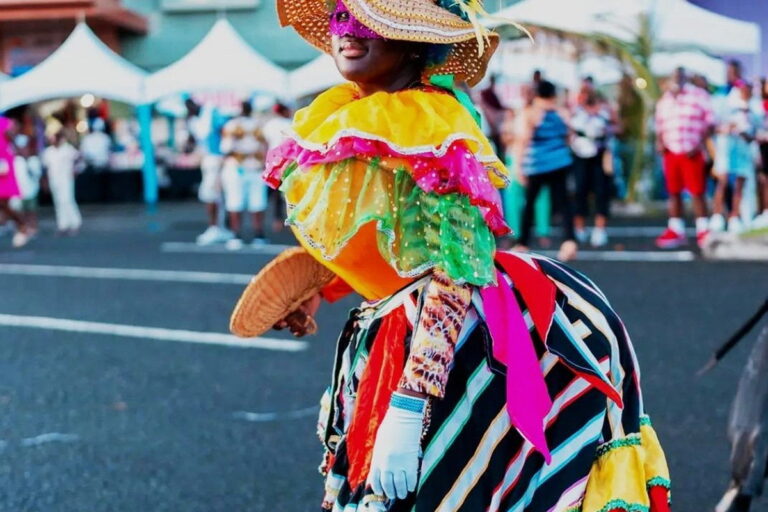
    Tobago Carnival is an annual festival held on the island of Tobago in the Republic of Trinidad and Tobago. The carnival takes place in the weeks leading up to Ash Wednesday, which falls in February or March each year.

    The Tobago Carnival is a vibrant celebration of music, dance, and culture, with a focus on the island’s unique traditions and heritage. The festival features colorful costumes, lively music, and energetic dance performances, with participants taking to the streets to dance and celebrate.

    The Tobago Carnival is a smaller and more intimate version of the larger Trinidad Carnival, which takes place on the neighboring island of Trinidad. However, the Tobago Carnival still attracts a large number of visitors and locals each year, with events including calypso competitions, steelpan performances, and a grand parade on Carnival Tuesday.

    One of the highlights of the Tobago Carnival is the traditional J’Ouvert celebration, which takes place in the early hours of Carnival Monday. During J’Ouvert, participants cover themselves in mud, paint, and powder as they dance through the streets to the beat of steel drums and soca music.

    The Tobago Carnival is a lively and colorful celebration of Tobago’s culture and heritage, and is a must-see event for anyone visiting the island during the Carnival season.

  • Indian Arrival Day

    Indian Arrival Day is a public holiday in Trinidad and Tobago celebrated annually on May 30th to commemorate the arrival of the first indentured laborers from India in 1845.

    The event signifies the cultural and historical significance of people of Indian origin who came to the Caribbean as indentured laborers to work on the sugar plantations.

    The Indian Arrival Day celebrations usually begin with a religious ceremony held in major cities and towns where people participate in a puja or worship service. Cultural programs, performances, and parades are held throughout the day, showcasing the rich Indian heritage and traditions.

    Dance performances, music and drumming, colorful costumes, and traditional Indian food are an integral part of the festivities. People also light diyas or lamps and offer prayers to their ancestors who came as indentured laborers to the Caribbean.

    In Trinidad and Tobago, Indian Arrival Day is a time for people of Indian descent to reconnect with their roots, celebrate their culture and traditions and pay tribute to their ancestors who endured great hardship to build a new life in a foreign land.

  • |

    Bloody Bay

    Bloody Bay is a beautiful beach located on the northern coast of Tobago, an island in the southern Caribbean. The beach is named after a historical event that is said to have taken place there during the colonial period.

    Legend has it that the bay was the site of a bloody battle between French and British forces in the late 18th century. The battle was said to have been so fierce that the waters of the bay turned red with blood, hence the name “Bloody Bay.”

    Today, however, the beach is a tranquil and picturesque spot that is popular with tourists and locals alike. The soft white sand and clear turquoise waters make it an ideal spot for swimming, sunbathing, and snorkeling. The beach is surrounded by lush vegetation, and there are several palm trees that provide shade and add to the idyllic atmosphere.

    In addition to its natural beauty, Bloody Bay is also known for its excellent seafood. There are several restaurants and food stalls located near the beach that serve fresh fish, lobster, and other local specialties.

    Overall, Bloody Bay is a must-visit destination for anyone traveling to Tobago, whether for its history or its stunning natural beauty.

  • Amerindian Tribes

    Tobago was home to several Amerindian tribes before the arrival of Europeans. These tribes included the Arawaks, Caribs, and Waraos.

    The Arawaks were the first known inhabitants of Tobago, and they arrived on the island around 500 AD. They were a peaceful people who lived off the land through fishing, hunting, and farming. They constructed homes made of wood and thatch, and their society was organized into clans and governed by a chief.

    The Caribs, who were known for their aggressive nature, arrived on Tobago sometime in the 14th century, and they quickly established dominance over the Arawaks. They were skilled warriors and seafarers, and they used Tobago as a base for raiding nearby islands.

    The Waraos, who were a seafaring people from the Orinoco Delta region of present-day Venezuela, also visited Tobago regularly for fishing and trading.

    The arrival of European explorers and colonizers in the 16th century brought significant changes to Tobago’s indigenous population. The Spanish, French, Dutch, and British all established settlements on the island at various times, and they often used force to subjugate and exploit the native population. Many Amerindians were enslaved or forced to work on plantations, and their culture and way of life were eroded over time.

    Today, there are few remaining traces of Tobago’s indigenous population, although some place names and archaeological sites serve as reminders of the island’s rich pre-colonial history. The Tobago Museum in Scarborough also has exhibits and information on the island’s indigenous peoples

  • Crab and Dumpling

    Crab and dumplings is a popular dish in Tobago, which consists of blue-crab cooked with curry and coconut milk and served with dumplings and sometimes boiled proviosions like green banana or cassava along with callaloo.

    The dumplings are made from flour, water, and are rolled into flat shapes and boiled until cooked through. The crab meat is usually curried in its shell with coconut milk and lot of seasonings like garlic, onion, and herbs such as thyme and bay leaf, along with other seasonings like hot pepper and curry powder.

    Crab and dumplings is often served with a side of salad or vegetables, and is a hearty and flavorful dish that is a favorite of many Tobagonians.