Amerindian Tribes

Tobago was home to several Amerindian tribes before the arrival of Europeans. These tribes included the Arawaks, Caribs, and Waraos.

The Arawaks were the first known inhabitants of Tobago, and they arrived on the island around 500 AD. They were a peaceful people who lived off the land through fishing, hunting, and farming. They constructed homes made of wood and thatch, and their society was organized into clans and governed by a chief.

The Caribs, who were known for their aggressive nature, arrived on Tobago sometime in the 14th century, and they quickly established dominance over the Arawaks. They were skilled warriors and seafarers, and they used Tobago as a base for raiding nearby islands.

The Waraos, who were a seafaring people from the Orinoco Delta region of present-day Venezuela, also visited Tobago regularly for fishing and trading.

The arrival of European explorers and colonizers in the 16th century brought significant changes to Tobago’s indigenous population. The Spanish, French, Dutch, and British all established settlements on the island at various times, and they often used force to subjugate and exploit the native population. Many Amerindians were enslaved or forced to work on plantations, and their culture and way of life were eroded over time.

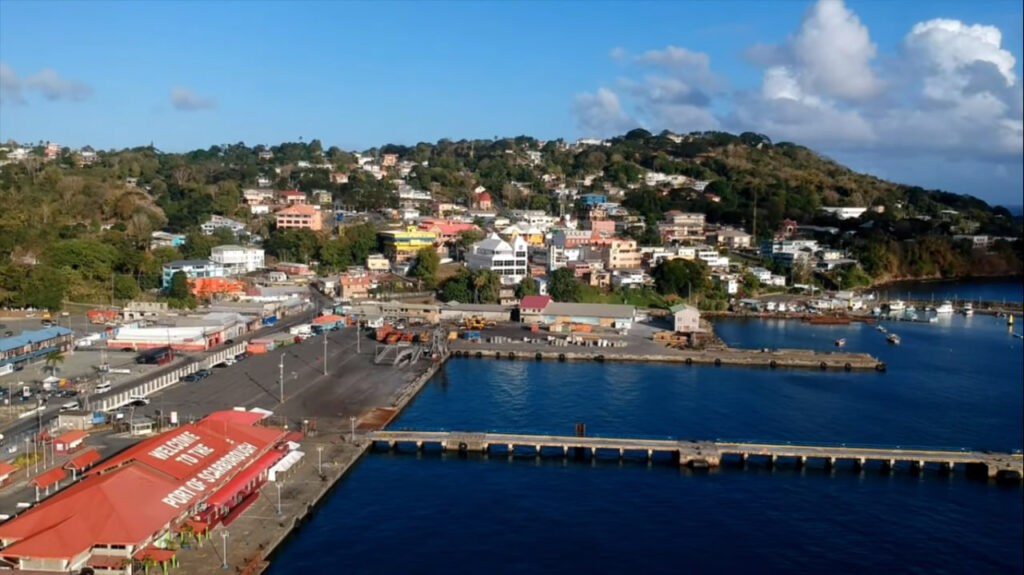
Today, there are few remaining traces of Tobago’s indigenous population, although some place names and archaeological sites serve as reminders of the island’s rich pre-colonial history. The Tobago Museum in Scarborough also has exhibits and information on the island’s indigenous peoples

Related Guides

  • Districts of Tobago

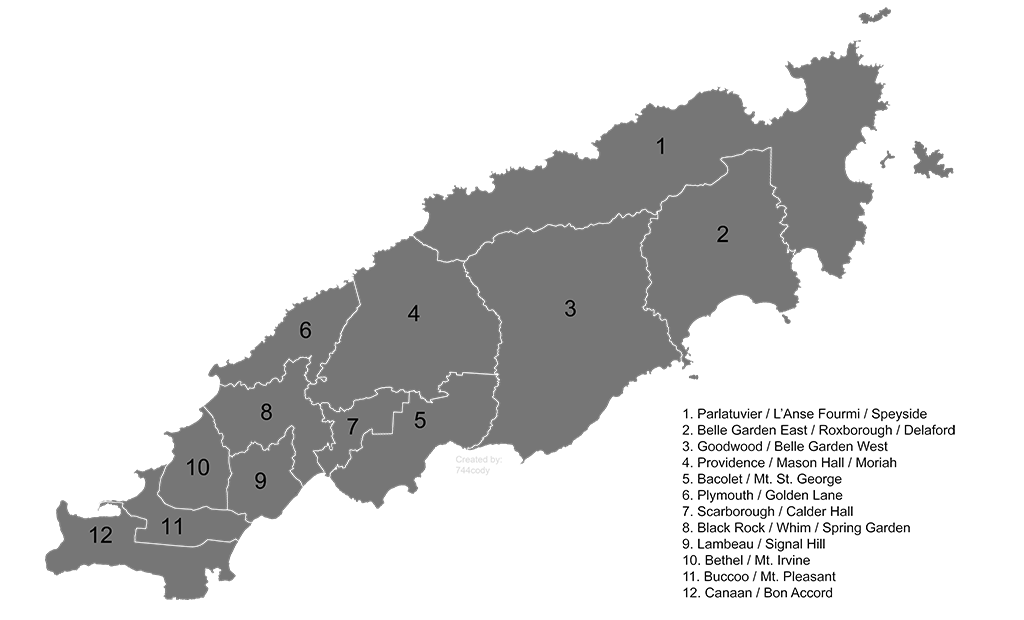
    Tobago was previously divided into seven (7) parishes while under colonial rule. 

    • Saint Patrick
    • Saint Andrew
    • Saint David
    • Saint George
    • Saint Mary
    • Saint John
    • Saint Paul

    In 1980 the Tobago House of Assembly replaced this system with twelve (12) local electorial districts and seats in the assembly.

    • Bacolet/Mt. Saint George
    • Goodwood/Belle Garden
    • Bethe/Mt. Irvine
    • Black Rock/Whim/Spring Garden
    • Buccoo/Mt. Pleasant
    • Canaan/Bon Accord
    • Lambeau/Signal Hill
    • Parlatuvier/L’Anse Fourmi/Speyside
    • Plymouth/Golden Lane
    • Providence/Mason Hall/Moriah
    • Belle Garden East/Roxborough/Deleford
    • Scarborough/Calder Hall

    In 2021 an additional 3 seat were added making it 15 electorial districts.

    Tobago is comprised of 15 electorial districts that are represented by seat in the Tobago House Of Assembly.
  • Crown Point

    Crown Point is a town located on the southwestern coast of the island of Tobago, which is part of the twin-island Republic of Trinidad and Tobago in the Caribbean. It is a popular tourist destination known for its beautiful beaches, clear waters, and vibrant nightlife.

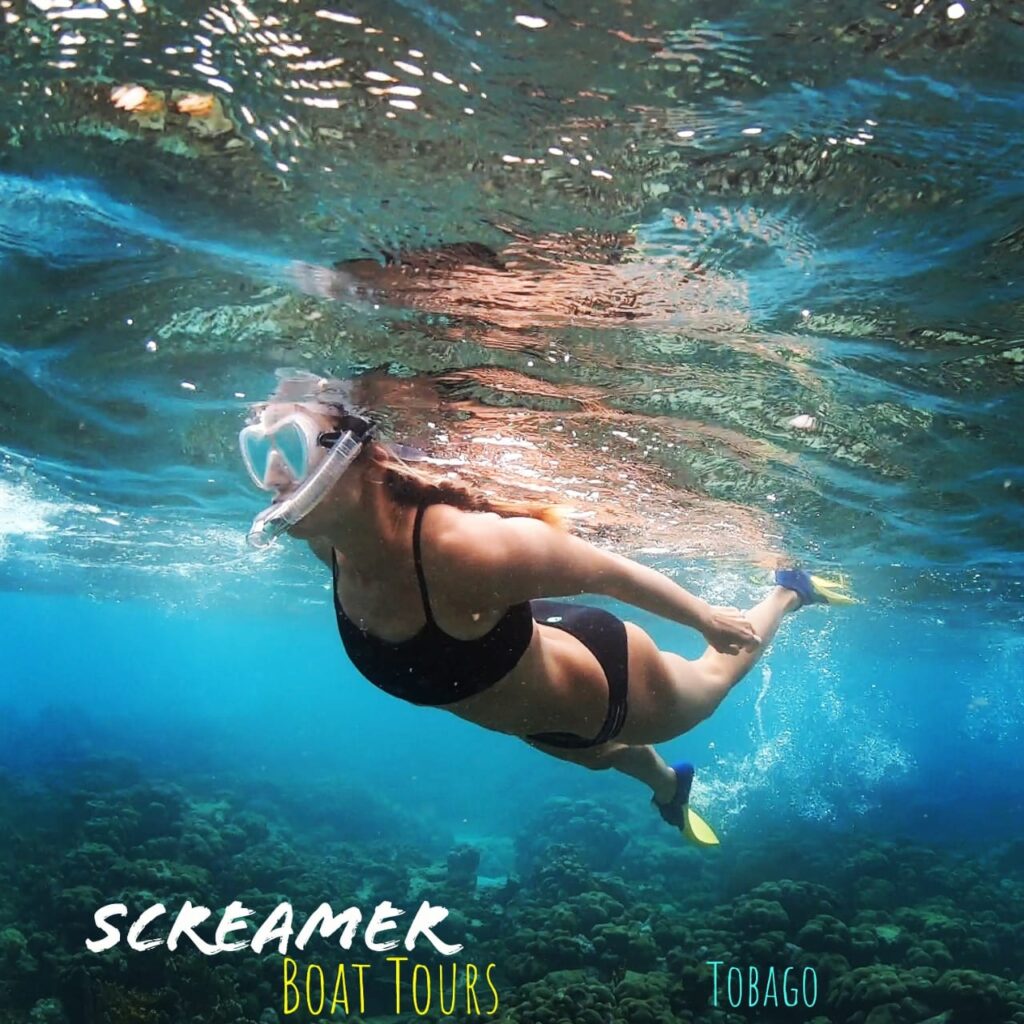
    Some of the popular attractions in Crown Point include Pigeon Point Beach, Store Bay Beach, and Buccoo Reef. Pigeon Point is considered one of the most beautiful beaches in Tobago, with its long stretch of white sand and crystal-clear waters. Store Bay Beach is also a popular spot for swimming, sunbathing, and water sports, while Buccoo Reef is a must-see for snorkeling and diving enthusiasts.

    Crown Point is also known for its nightlife, with numerous bars, clubs, and restaurants catering to both locals and tourists. The town is easily accessible from the island’s main airport, Arthur Napoleon Raymond Robinson International Airport, making it a convenient destination for visitors.

  • Charlotteville

    Charlotteville is a small fishing village located on the northeastern coast of Tobago, a small island nation in the Caribbean. It is known for its stunning natural beauty, pristine beaches, and laid-back atmosphere, making it a popular destination for travelers seeking a more secluded and tranquil Tobago experience.

    One of the main attractions in Charlotteville is its picturesque beach, Pirate’s Bay, which is surrounded by lush rainforest and features crystal-clear waters perfect for swimming, snorkeling, and kayaking. The village is also home to several other beaches, including Man O’ War Bay and Lovers’ Bay, which are known for their calm waters and excellent snorkeling conditions.

    Charlotteville is a fishing village, and visitors can witness the daily catch being brought in by local fishermen. The village is also home to several restaurants serving fresh seafood, including the popular Suckhole Restaurant and Bar, which offers stunning views of the bay.

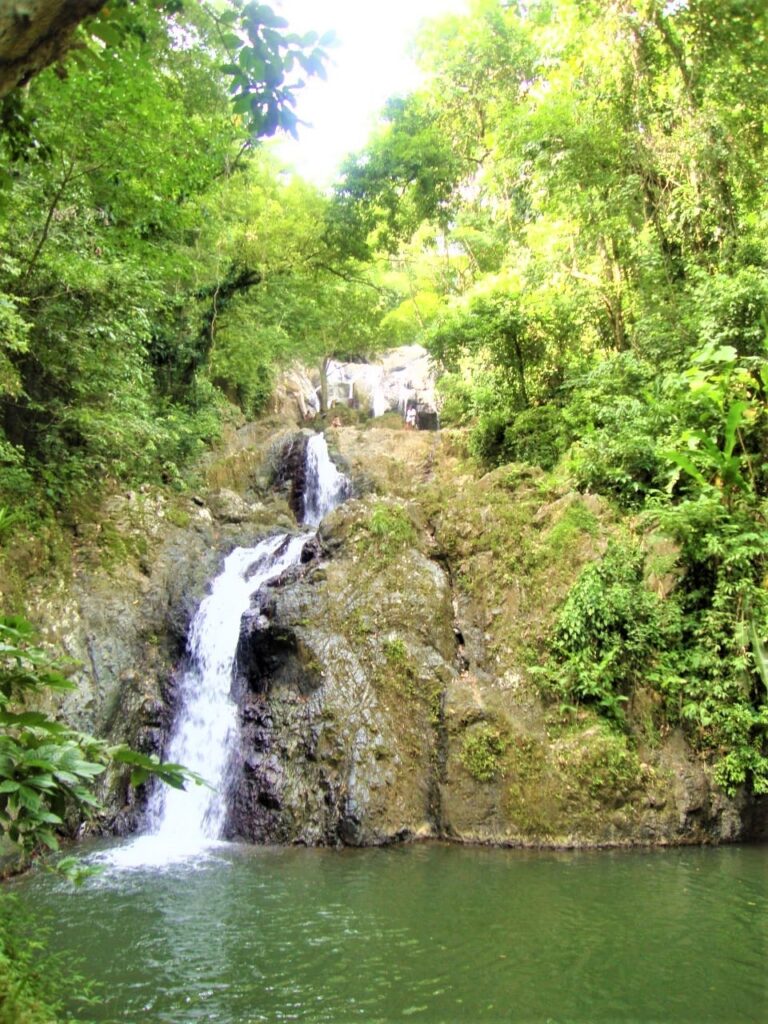
    For those looking to explore the surrounding area, Charlotteville is close to several natural attractions, including the Argyle Waterfall and the Little Tobago Island Bird Sanctuary, which is home to a wide variety of bird species.

    Overall, Charlotteville is a charming and tranquil Tobago destination that offers a perfect blend of natural beauty, outdoor adventure, and cultural experiences.

  • Castara

    Castara is a fishing village located on the northern coast of Tobago, a small island nation in the Caribbean. It is known for its beautiful beaches, clear waters, and laid-back atmosphere, making it a popular destination for travelers seeking a more relaxed and authentic Tobago experience.

    Castara is home to two beaches, Big Bay and Heavenly Bay, which are known for their calm waters and excellent snorkeling and swimming conditions. The village is also surrounded by lush rainforest, providing plenty of opportunities for hiking and birdwatching.

    One of the main attractions in Castara is its fishing culture, and visitors can witness the daily catch being brought in by local fishermen. The village is also home to several restaurants serving fresh seafood, including the popular Boathouse Restaurant, which is situated right on the beach.

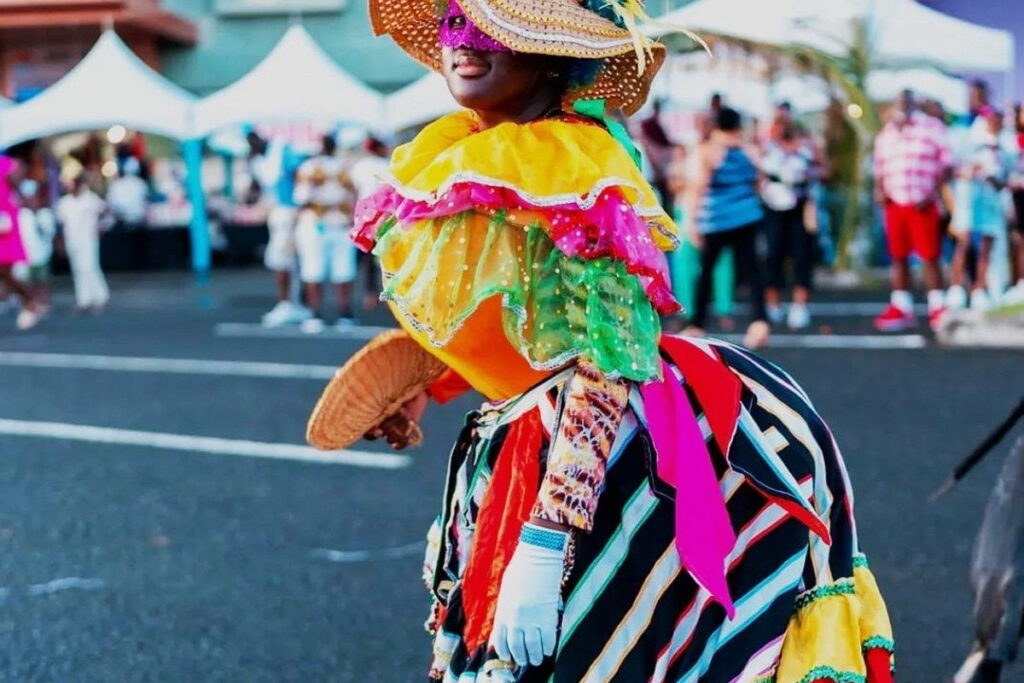
    For those looking to learn more about local culture, Castara is home to the Tobago Heritage Festival, an annual event that celebrates Tobago’s African and indigenous heritage through music, dance, and other cultural activities.

    Overall, Castara is a charming and authentic Tobago destination that offers a perfect blend of natural beauty, cultural experiences, and relaxation.

  • Plymouth, Tobago

    Plymouth is a historic village located on the northwestern coast of Tobago, which is a small island in the southern Caribbean Sea. It is known for its rich history, scenic coastal views, and beautiful beaches. Here are some of the things you can see and do in Plymouth:

    1. Fort James: This is a historic fort that was built by the British in the 18th century to protect Tobago from French attacks. The fort offers panoramic views of the coast and the surrounding landscape, and it is a great spot for taking photos.
    2. Mystery Tombstone: This is a mysterious tombstone located in the Plymouth cemetery. The tombstone is said to belong to Betty Stiven, who died in 1783 at the age of 23. The inscription on the tombstone is written in code, and its meaning has never been deciphered.
    3. Great Courland Bay: This is a beautiful beach located in Plymouth. It is a great spot for swimming, sunbathing, and relaxing. The beach is surrounded by lush vegetation, and it offers stunning views of the Caribbean Sea.
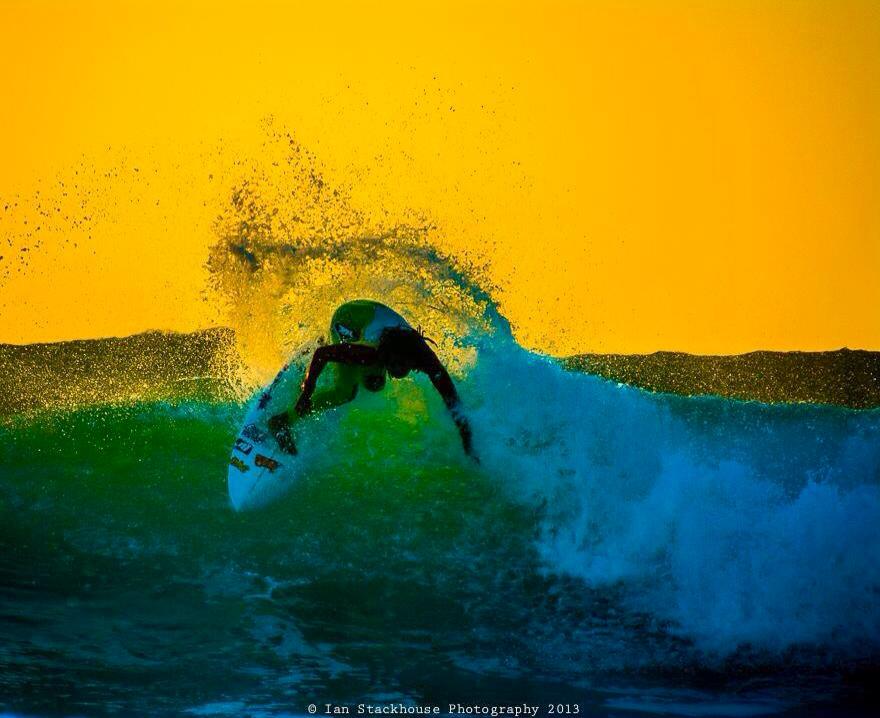
    4. Grafton Beach: This is another beautiful beach located in Plymouth. It is a great spot for swimming, snorkeling, and surfing. The beach is known for its strong waves, which are popular with local surfers.
    5. Buccoo Reef: This is a protected marine park that is located near Plymouth. It is home to a diverse range of marine life, including colorful coral reefs, sea turtles, and tropical fish. You can take a glass-bottom boat tour or go snorkeling to explore the reef.

    These are just a few of the many things to see and do in Plymouth, Tobago. The village is a popular destination for tourists, and it offers a wide range of activities for visitors of all ages.

    Local Amenities

    • Supermarket/Shops
    • ATM Bank Machine
    • Restaurants/Bars
    • Guesthouses, Hotels
    • Playground
    • Beaches
    • Turtle Nesting
    • Public Transport
    • Churches
    • School
    • Health center
    • Community Center
    • Gas Station
    • Fish market
    • Fort James
    • Mystery Tombstone
  • Crown Point

    Crown Point is a popular tourist destination located on the southwestern coast of Tobago, a small island nation in the Caribbean. It is known for its beautiful beaches, vibrant nightlife, and wide range of activities and attractions.

    One of the main attractions in Crown Point is Store Bay, a stunning beach known for its white sand, crystal-clear waters, and vibrant coral reefs. The beach is perfect for swimming, sunbathing, and snorkeling, and it’s also home to several food vendors serving local specialties.

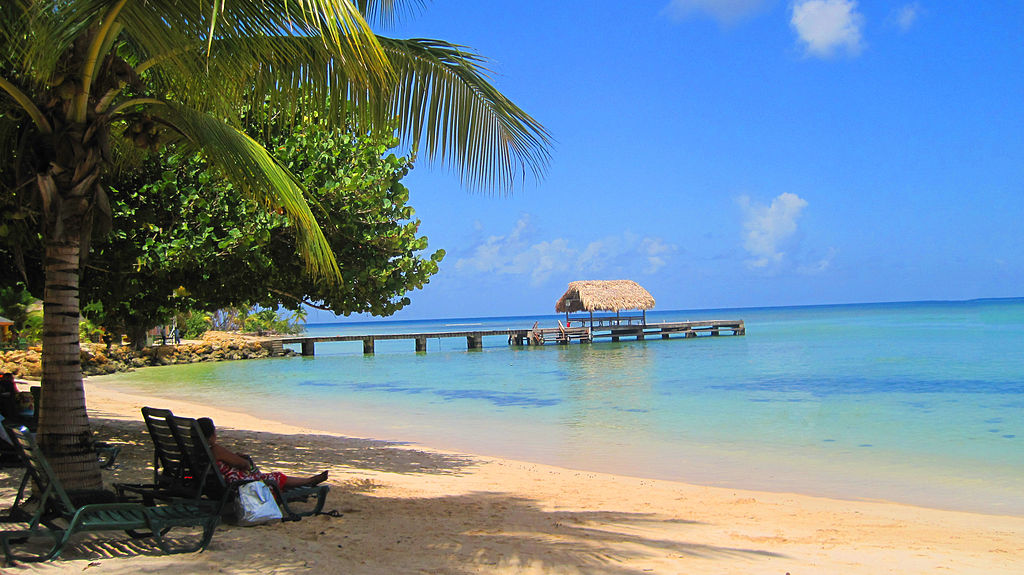
    Crown Point is also home to Pigeon Point, another popular beach known for its iconic thatched-roof jetty, which has become an iconic symbol of Tobago. The beach is surrounded by lush greenery and offers a range of activities, including snorkeling, jet-skiing, and paddleboarding.

    For those looking for nightlife, Crown Point offers a range of options, including bars, nightclubs, and casinos. The area is also home to several restaurants serving a variety of cuisines, including local specialties and international dishes.

    Other notable attractions in Crown Point include the Nylon Pool, a natural pool located in the middle of the ocean, and the Buccoo Reef Marine Park, a protected area that is home to a wide variety of marine life.

    Overall, Crown Point is a vibrant and lively Tobago destination that offers something for everyone, from stunning beaches and outdoor activities to nightlife and cultural experiences.

    Crown Point is a vibrant and popular town in Tobago.

    Local Amenities

    • Airport
    • Police/Security/Fire Service
    • Banks/ATMs
    • Supermarket/Shops
    • Fast Food Restaurants
    • Clubs/Bars
    • Guesthouses/Hotels
    • Playgrounds
    • Beaches
    • Public Transport
    • Car Rentals

    Links