Argyle Waterfall

| |

Argyle Waterfall is a beautiful natural attraction located in the eastern part of Tobago, which is part of the Republic of Trinidad and Tobago. It is a popular spot for tourists and locals alike who want to experience the island’s natural beauty.
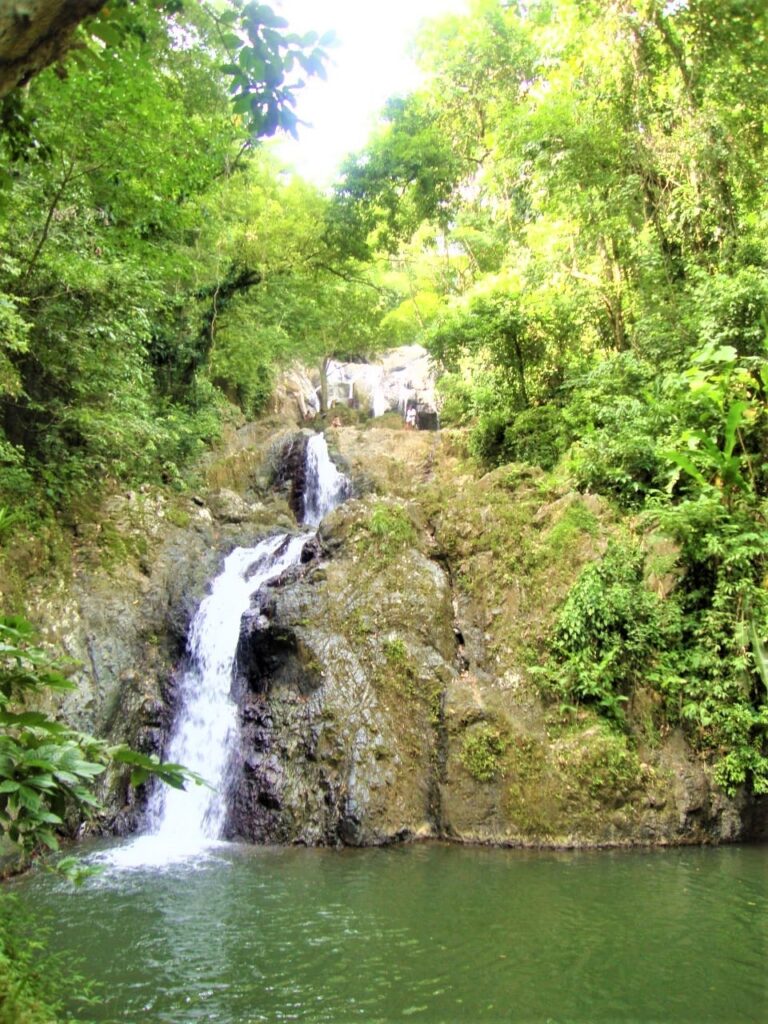
The waterfall is situated in a lush rainforest setting, and visitors can take a short hike through the forest to reach the waterfall. The hike is not particularly challenging, but it does involve some steep inclines and rocky terrain, so it is important to wear sturdy shoes and bring plenty of water.

The waterfall itself is approximately 175 feet tall and cascades into a deep pool below, where visitors can swim and cool off in the refreshing waters. The surrounding forest is also home to a variety of wildlife, including birds and butterflies, making it an ideal destination for nature lovers.

Overall, the Argyle Waterfall is a must-visit attraction for anyone traveling to Tobago, offering a unique opportunity to experience the island’s natural beauty and explore its lush rainforest environment.

  • The waterfall is located in the area of Roxborough – on the eastern side of Tobago – ‘country side’.
  • Argyle is high multidrop waterfall on the edge of the rain-forest rising over 160ft high.
  • It takes about 15-20 minutes walking along the trail from the entrance to the base of the waterfall.
  • There is a paid entry fee of $60 TTD for visitors.
  • A small bar with snacks and a toilet facility (no shower) is available.
  • Guides are available for hire.

The waterfall pools can be deep – take caution if swimming!
Related Guides

  • Crown Point

    Crown Point is a popular tourist destination located on the southwestern coast of Tobago, a small island nation in the Caribbean. It is known for its beautiful beaches, vibrant nightlife, and wide range of activities and attractions.

    One of the main attractions in Crown Point is Store Bay, a stunning beach known for its white sand, crystal-clear waters, and vibrant coral reefs. The beach is perfect for swimming, sunbathing, and snorkeling, and it’s also home to several food vendors serving local specialties.

    Crown Point is also home to Pigeon Point, another popular beach known for its iconic thatched-roof jetty, which has become an iconic symbol of Tobago. The beach is surrounded by lush greenery and offers a range of activities, including snorkeling, jet-skiing, and paddleboarding.

    For those looking for nightlife, Crown Point offers a range of options, including bars, nightclubs, and casinos. The area is also home to several restaurants serving a variety of cuisines, including local specialties and international dishes.

    Other notable attractions in Crown Point include the Nylon Pool, a natural pool located in the middle of the ocean, and the Buccoo Reef Marine Park, a protected area that is home to a wide variety of marine life.

    Overall, Crown Point is a vibrant and lively Tobago destination that offers something for everyone, from stunning beaches and outdoor activities to nightlife and cultural experiences.

    Crown Point is a vibrant and popular town in Tobago.

    Local Amenities

    • Airport
    • Police/Security/Fire Service
    • Banks/ATMs
    • Supermarket/Shops
    • Fast Food Restaurants
    • Clubs/Bars
    • Guesthouses/Hotels
    • Playgrounds
    • Beaches
    • Public Transport
    • Car Rentals

    Links

  • Districts of Tobago

    Tobago was previously divided into seven (7) parishes while under colonial rule. 

    • Saint Patrick
    • Saint Andrew
    • Saint David
    • Saint George
    • Saint Mary
    • Saint John
    • Saint Paul

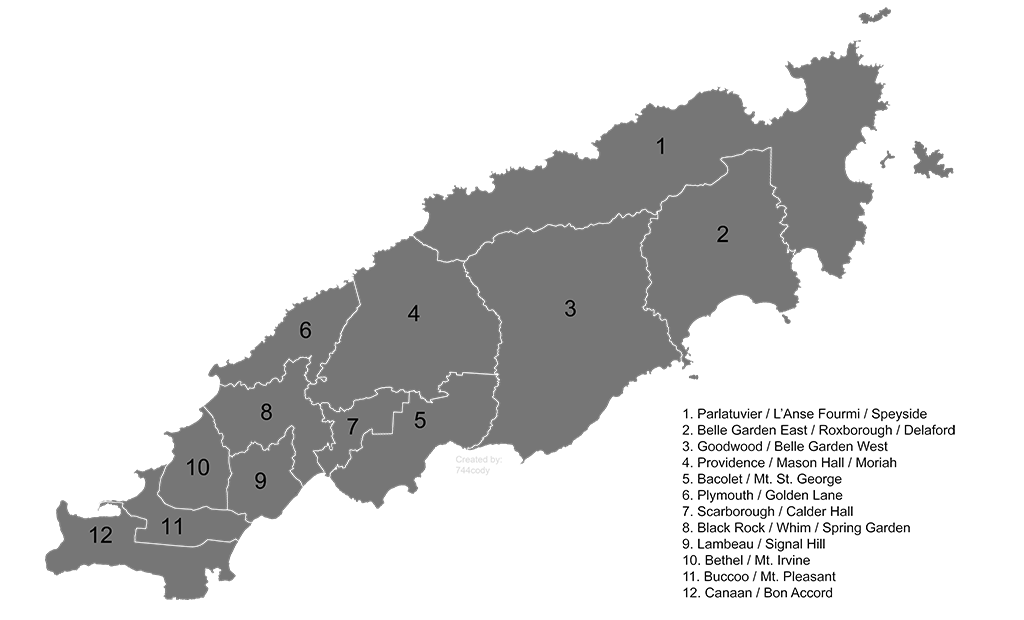
    In 1980 the Tobago House of Assembly replaced this system with twelve (12) local electorial districts and seats in the assembly.

    • Bacolet/Mt. Saint George
    • Goodwood/Belle Garden
    • Bethe/Mt. Irvine
    • Black Rock/Whim/Spring Garden
    • Buccoo/Mt. Pleasant
    • Canaan/Bon Accord
    • Lambeau/Signal Hill
    • Parlatuvier/L’Anse Fourmi/Speyside
    • Plymouth/Golden Lane
    • Providence/Mason Hall/Moriah
    • Belle Garden East/Roxborough/Deleford
    • Scarborough/Calder Hall

    In 2021 an additional 3 seat were added making it 15 electorial districts.

    Tobago is comprised of 15 electorial districts that are represented by seat in the Tobago House Of Assembly.
  • |

    Popular Bays

    Tobago is home to many beautiful beaches, some of which are known for their pristine white sand, clear turquoise waters, and vibrant coral reefs. Here are a few of the top beaches to visit in Tobago:

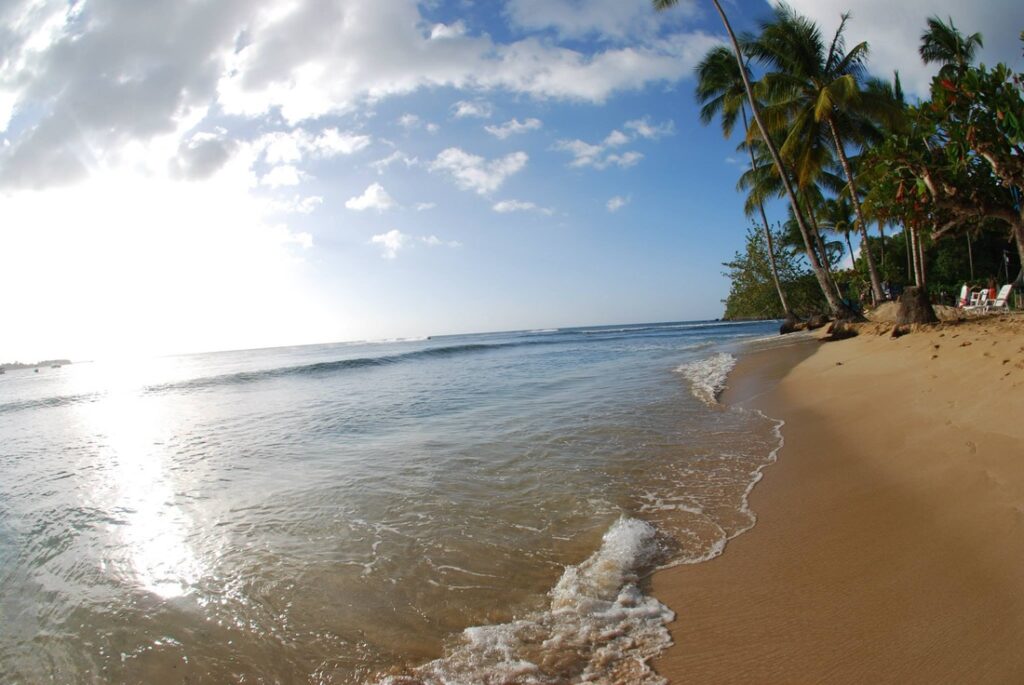
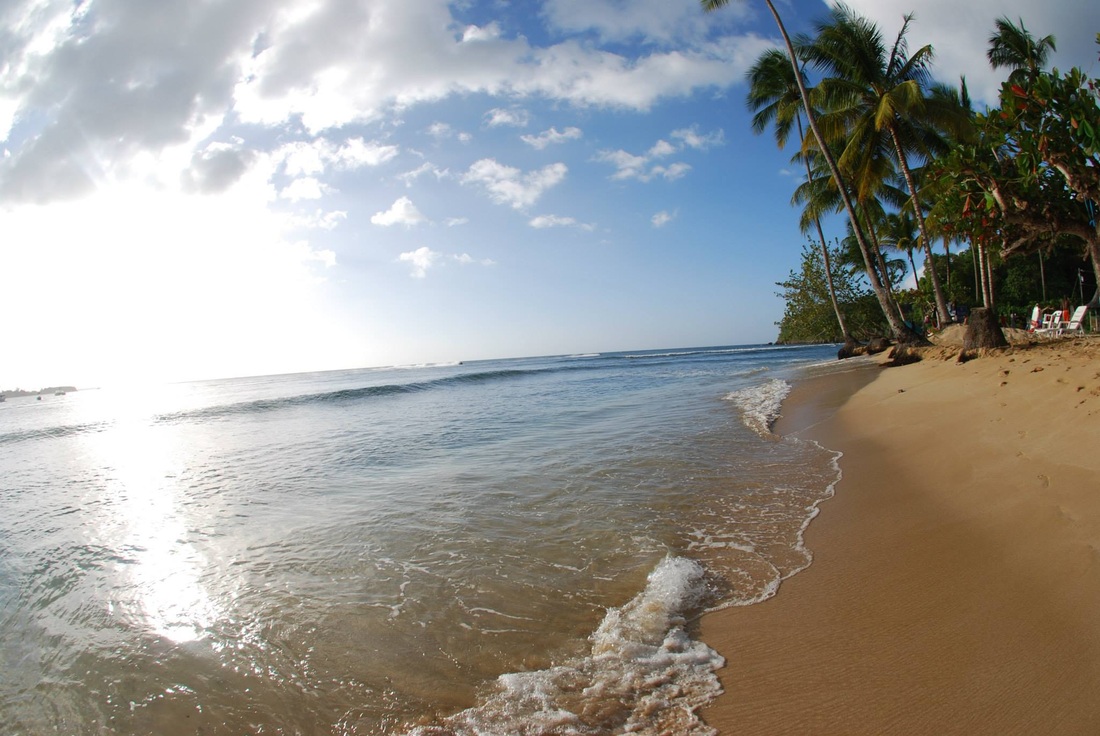
    picture of mt. irvine bay in Tobago
    1. Pigeon Point Beach: One of the most famous beaches in Tobago, Pigeon Point is known for its crystal-clear waters and white sand. It’s a popular spot for swimming, sunbathing, and water sports.
    2. Store Bay Beach: Another popular beach, Store Bay is located just a short walk from Pigeon Point and the Airport. It’s a great place to relax and enjoy the sunshine, and there are also plenty of food vendors and souvenir shops nearby.
    3. Englishman’s Bay: This secluded beach is located on Tobago’s north coast and is known for its natural beauty and calm waters. It’s a great spot for snorkeling and exploring the nearby rainforest.
    4. Castara Bay: This small fishing village is home to a lovely beach that’s perfect for swimming and sunbathing. There are also several restaurants and bars where you can enjoy fresh seafood and tropical drinks.
    5. Mount Irvine Bay: Located on Tobago’s west coast, this beach is known for its excellent surfing conditions. It’s also a great spot for snorkeling and diving, with a variety of coral reefs and marine life to explore.

    These are just a few of the many beautiful beaches that Tobago has to offer. Whether you’re looking for a lively, tourist-friendly beach or a secluded spot to relax and unwind, there’s sure to be a beach in Tobago that’s perfect for you.

  • Amerindian Tribes

    Tobago was home to several Amerindian tribes before the arrival of Europeans. These tribes included the Arawaks, Caribs, and Waraos.

    The Arawaks were the first known inhabitants of Tobago, and they arrived on the island around 500 AD. They were a peaceful people who lived off the land through fishing, hunting, and farming. They constructed homes made of wood and thatch, and their society was organized into clans and governed by a chief.

    The Caribs, who were known for their aggressive nature, arrived on Tobago sometime in the 14th century, and they quickly established dominance over the Arawaks. They were skilled warriors and seafarers, and they used Tobago as a base for raiding nearby islands.

    The Waraos, who were a seafaring people from the Orinoco Delta region of present-day Venezuela, also visited Tobago regularly for fishing and trading.

    The arrival of European explorers and colonizers in the 16th century brought significant changes to Tobago’s indigenous population. The Spanish, French, Dutch, and British all established settlements on the island at various times, and they often used force to subjugate and exploit the native population. Many Amerindians were enslaved or forced to work on plantations, and their culture and way of life were eroded over time.

    Today, there are few remaining traces of Tobago’s indigenous population, although some place names and archaeological sites serve as reminders of the island’s rich pre-colonial history. The Tobago Museum in Scarborough also has exhibits and information on the island’s indigenous peoples

  • Pleasant Prospect

    Pleasant Prospect is a small hilly village, located between three popular bays, Mt. Irvine Bay, Back bay (Rockly Point) and Stone-haven bay, also known as Grafton bay. The village also borders the caledonian sanctuary and nature reserve.

    Local Amenities

    • Grocery Shops
    • ATM Bank Machine
    • Restaurants
    • Bars
    • Guesthouses
    • Small Play ground
    • Beaches
    • Turtle Nesting
    • Public Transport
    • Nature Reserve
    • Mountain-bike Tours
    • Pizza Boys

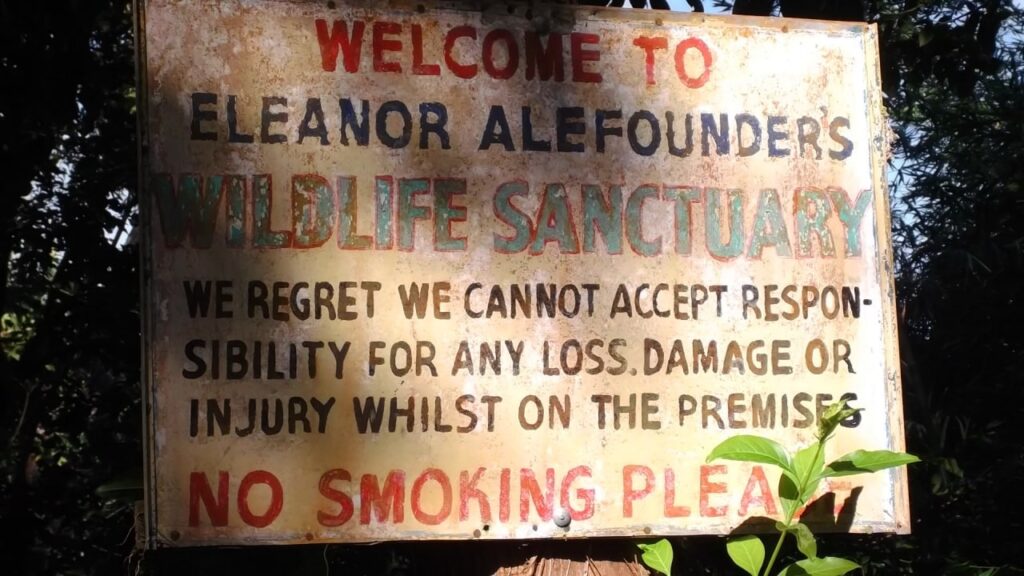
    Grafton Caledonia Wildlife Sanctuary

    The bird sanctuary is no longer maintained but bird feeding by the caretaker can sometimes be observed. The entire nature reserve comprises over 200 acres of protected land that was formally part of a coco estate owned by Eleanor Alefounder. The main purpose of the nature reserve is to promote the native flora and fauna of the island.

    Mt Irvine Bay

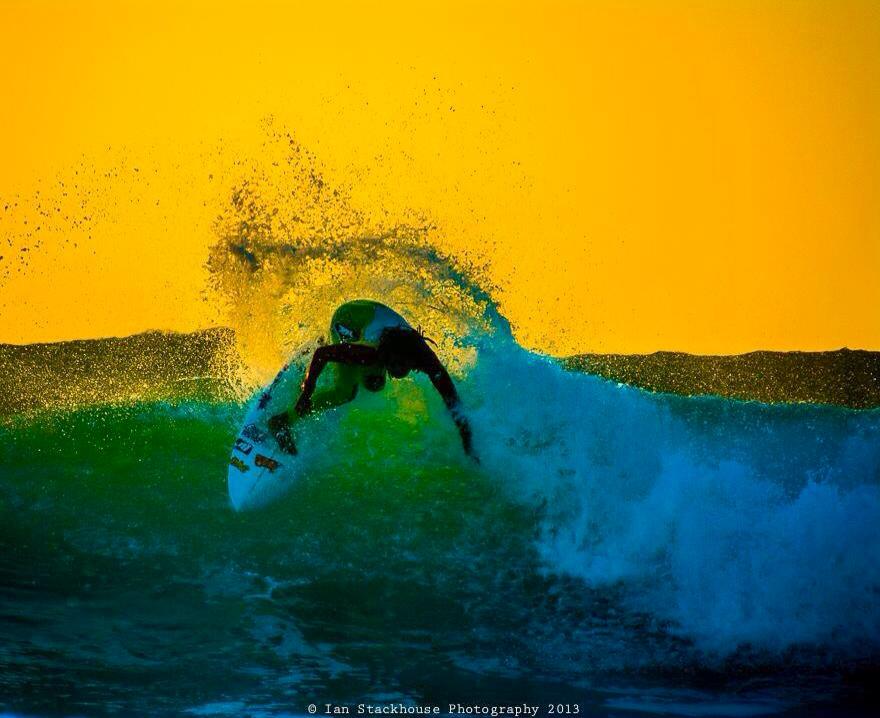
    Mt. Irvine bay is very popular beach in Tobago for locals and vistors, and especially surfers. There are cabanas, food outlets, beach bar and a fish market and well as a beach facility with security and lifeguards.The bay is part of the extended Buccoo Reef System with small patches of coral reefs that are great for snorkelling and the Mt. Irvine Wall for scuba diving. Mt. irvine is the most popular Surfing spot in tobago with a Right Break over coral rock bed.

    Stone Haven Bay (Grafton Bay)

    Stone Haven Bay is also know as Grafton Bay is a popular sea turtle nesting site and home to the Grafton Resort and Waves restaurant and bar. This bay is popular with large groups and for exercising. Seine pulling (Net fishing) can be observed at times. No facility, security or lifegurds available.

    Back Bay (Rocky Point)

    Back bay which is officially known and Rocky Point is a beautiful semi-secluded bay that is popular for nesting leatherback and hawksbill sea turtles. Back bay is very scenic but the waters can get very strong with big waves and powerful currents. The bay is popular with families, beach limes and couples. No facility, security or life guards available.

    Links

  • | |

    Buccoo Reef & Nylon Pool

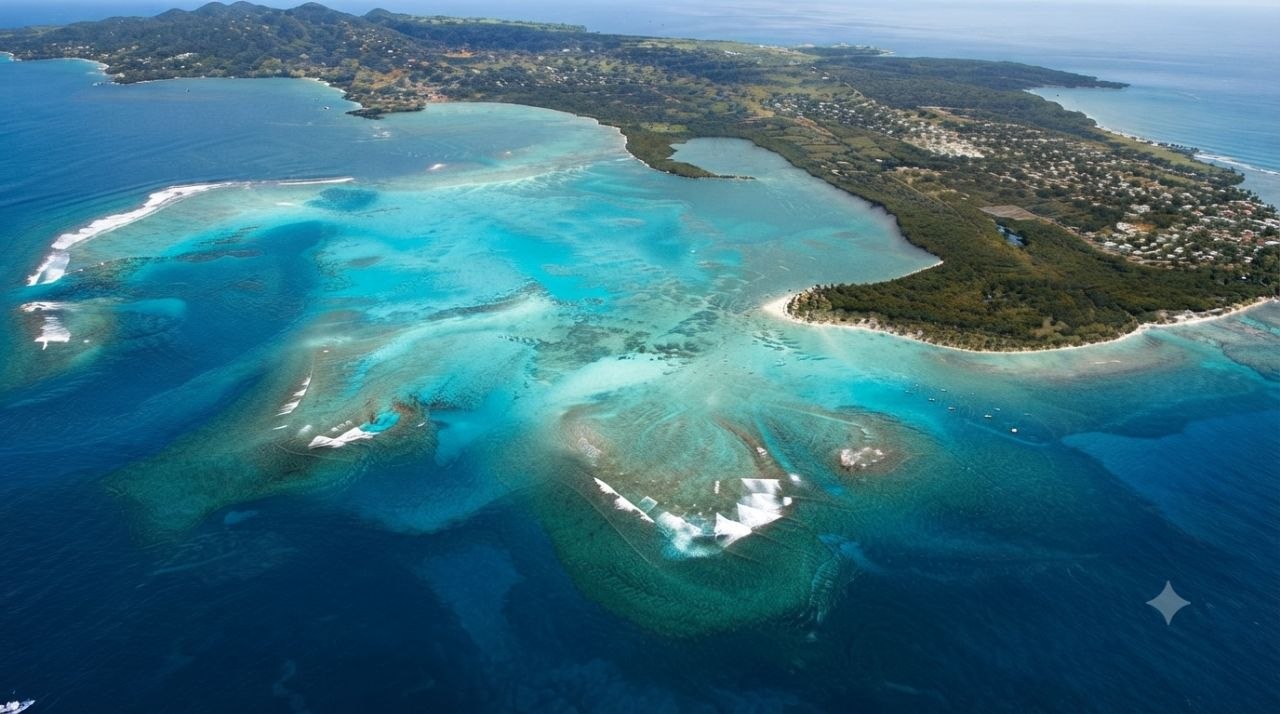
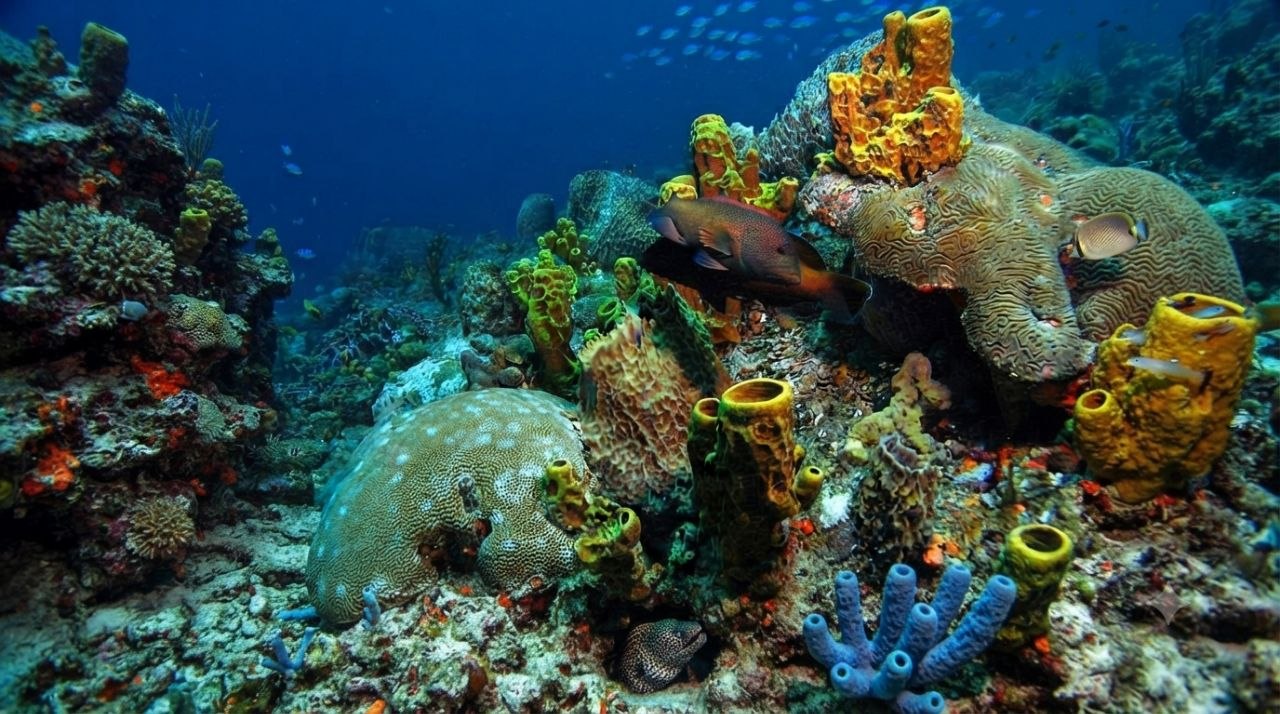
    The Buccoo Reef is a crown jewel of Tobago’s marine life. It is one of the most accessible coral reefs in the Caribbean, it offers a window into a vibrant underwater world of fringing coral reefs.

    The Buccoo Reef Marine Park

    The reef is located on the western coast of the island of Tobago. It is a protected marine park and is one of the largest coral reefs in Tobago.

    Glass Bottom Reef Boats

    Visitors can take glass-bottom reef-boat tours to view the stunning array of marine life and coral formations that make up the fringing reef system. Snorkeling and scuba diving are also popular activities in the area.

    What to Expect

    The Coral Gardens

    The Coral Gardens: A slightly deeper area of the reef, known for its stunning coral formations and diverse tropical fishes, that can be viewed through the glass bottom reef boats.

    Nylon Pool

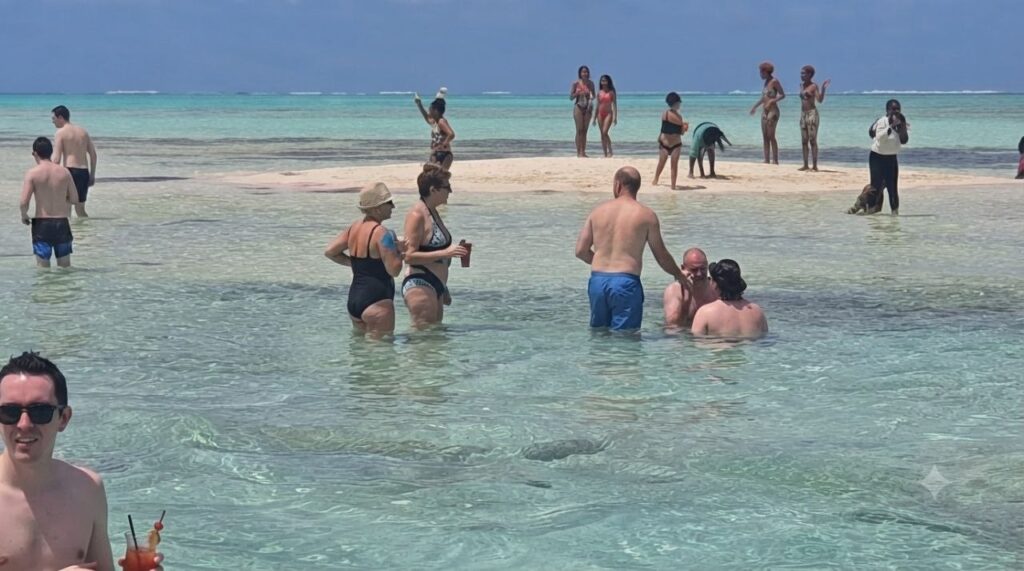
    The Nylon Pool: A natural, waist-deep area in the reef that was named by Princess Margaret in 1962, who reportedly said the water was as clear as her nylon stockings.

    Reef Sand Bank

    The Sand Bank: This is a natural formation of sand deposited in a small area of the reef. It is sometimes visible depending on the tides and currents.

    Bon Accord Lagoon

    Bon Accord Lagoon: The Buccoo Reef borders the Bon Accord Lagoon, creating a complex ecosystem essential for the island’s sea life and mangroves.

    Essential info

    • Size –  2.7 mi²
    • Type – Fringing Coral Reef
    • Largest in Tobago
    • Nylon Pool
    • Coral Gardens
    • Bon Accord Lagoon
    • Reef boat tours
    • Snokelling
    • No mans land

    Sun Protection: The sun reflects off the shallow water intensely. Wear reef-safe sunscreen or a rash guard to protect your skin and the delicate corals below.

    Footwear: While the sand is soft, some areas near the reef can be sharp. Consider water shoes if you plan on exploring.

    Booking Your Tour: Most tours depart from Buccoo Beach, Store Bay, or Pigeon Point. You don’t always need to book online; you can often find reputable local operators directly on the beach, but checking reviews on platforms like TripAdvisor or Instagram first is always a good idea.

    Beyond the Reef: Local Culture
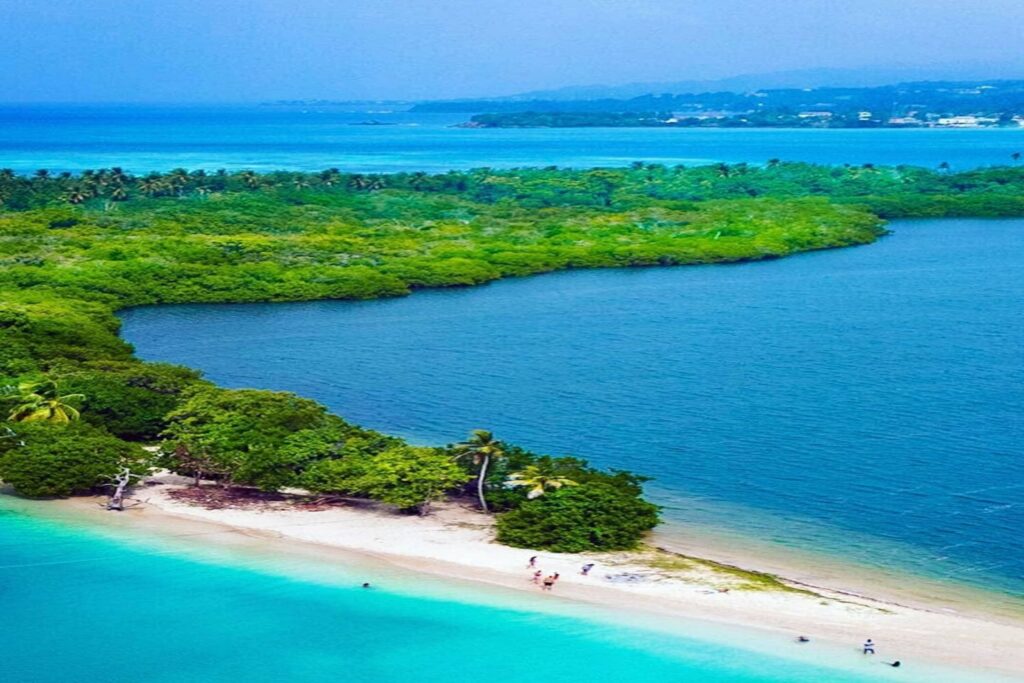
    ​If you have time, many tours also stop at No Man’s Land, a secluded beach nearby. It’s the perfect place to relax after your swim, enjoy a local snack, and take in the view of the coastline

    No man’s land

    Overall, Buccoo Reef is a must-visit destination for anyone on the island of Tobago, offering a unique blend of natural marine beauty, adventure, and local culture.